





French Art Nouveau Bronze
French art nouveau bronze captures the flowing, organic lines of the turn of the twentieth century in lasting metal.
French Art Nouveau Bronze
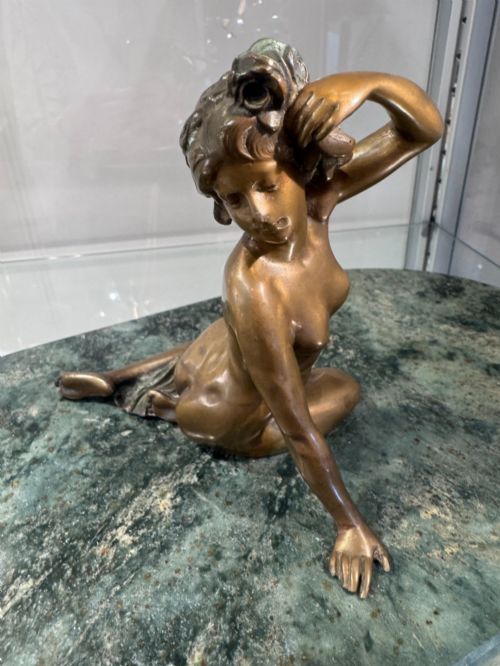
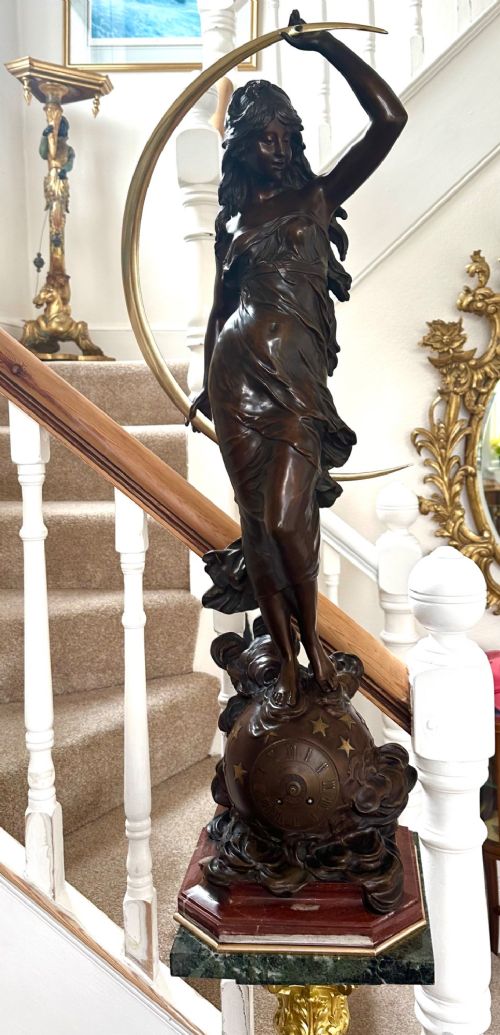
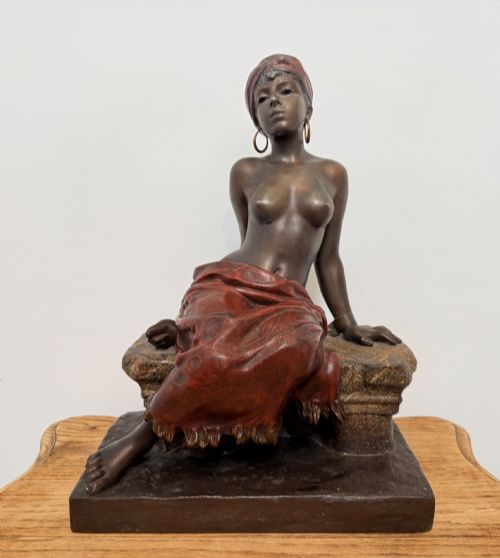
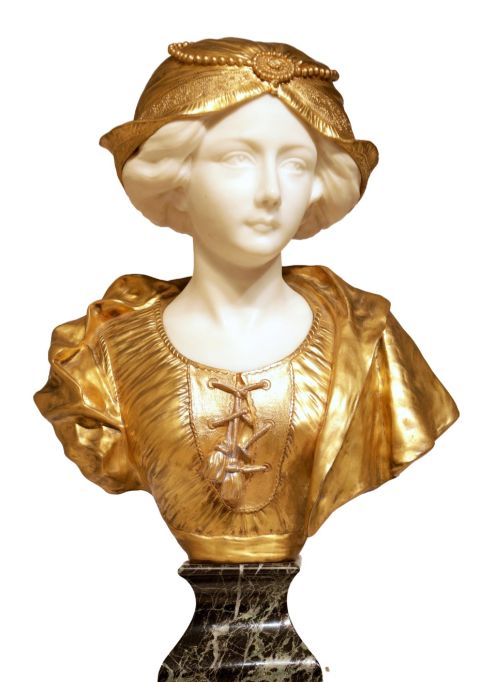
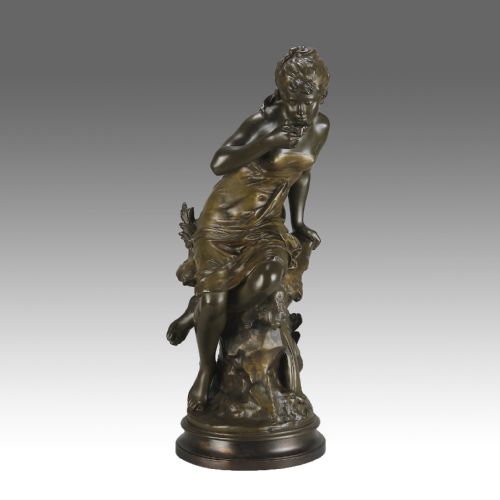
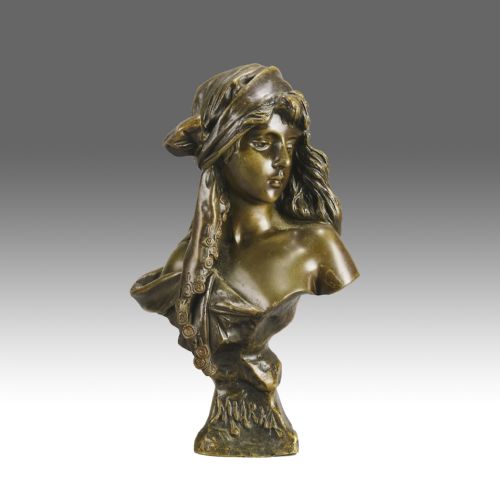
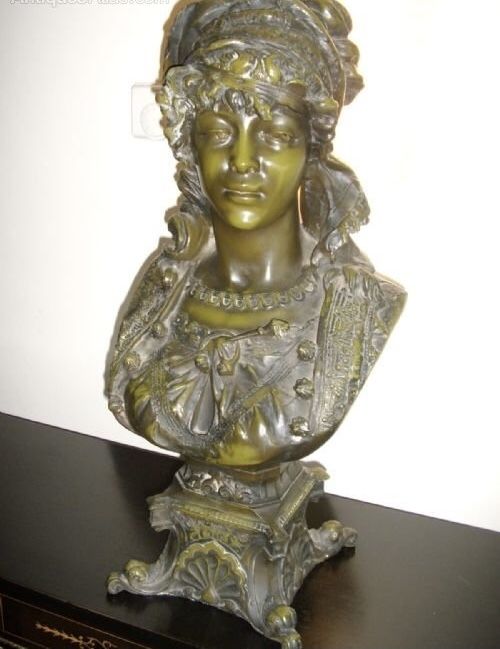
French art nouveau bronze describes decorative metalwork and figurative sculpture produced around the late nineteenth and early twentieth centuries. When exploring french art nouveau bronze, buyers encounter figures of maidens, mythological subjects, and naturalistic flora rendered in sweeping, asymmetric forms.
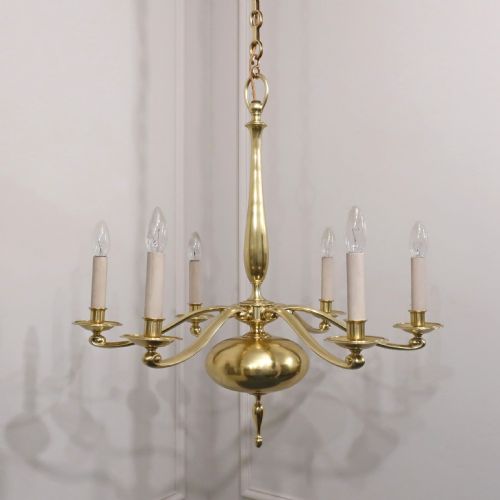
The objects take many functional and decorative shapes across the selection. Table lamps, vases, wall lights, and freestanding sculptures represent the most common forms appearing in the inventory.
Most examples originate from the Belle Époque and the decades spanning from eighteen-eighty to nineteen-twenty. These pieces frequently integrate auxiliary elements such as carved marble bases, glass shades, and alabaster mounts.
Materials and technique
Foundries utilised traditional casting methods, predominantly the lost-wax technique, to achieve intricate detail in metal. Bronze served as the primary medium, often finished with patination to create deep brown or greenish tones, or gilded with gold leaf.
Makers frequently combined bronze with contrasting media to enhance visual texture. Glass, marble, and brass appear alongside the metalwork, particularly in lighting and sculptural busts.
Spelter also appears as a contemporary alternative material for cost-effective figural castings. This zinc alloy mimics the appearance of heavier metal when finished with patinated coatings.
French Art Nouveau Bronze Retail Price Guide 2026
Typical asking prices for french art nouveau bronze among the pieces listed under this phrase on Sellingantiques today, from the lower quarter to the upper quarter. They describe what is for sale here now, not the wider market.
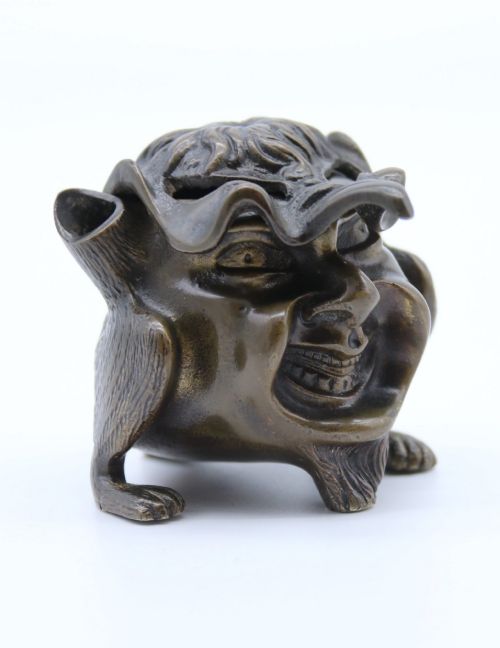
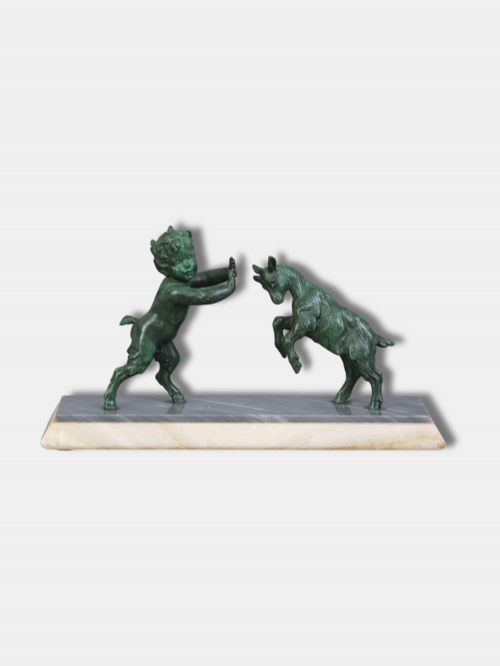
Several inkwells and lamps transform mythical creatures and woodland maidens into surprisingly functional desk companions.
Assessing craftsmanship
The integration of mixed materials distinguishes higher tiers of production. Finely polished marble plinths, hand-blown glass elements, and signed foundry marks indicate superior workshop standards.
Artisanal execution of the patina determines the depth and longevity of the surface colour. Skilled application brings out the organic contours characteristic of the period style.
Emmanuel Villanis·Moreau Family·Georges Van Der Straeten·Charles Schneider·Edouard Drouot
The French Art Nouveau Bronze Glossary
- Patina
- The chemical or natural surface coating applied to bronze over time. This finish alters the colour and protects the underlying metal.
- Spelter
- A zinc alloy commonly utilised as a cheaper substitute for bronze in decorative figures. It is softer and lighter than genuine bronze.
- Ormolu
- A technique involving the application of finely ground gold-mercury amalgam to bronze. This provides a rich gilt surface finish.
- Chasing
- The manual post-casting process of refining and detailing metal surfaces using small hammers and punches. Skilled chasing enhances the sculptural depth.
- Cire perdue
- The lost-wax casting method used to create detailed metal sculptures from a wax model. This process allows for unique, highly expressive forms.
French Art Nouveau Bronze: Frequently Asked Questions
How do I clean a bronze sculpture?
Dust the surface gently with a soft, dry cloth to prevent the accumulation of grit. Avoid using water, soap, or chemical polishes that can strip the original patina.
Apply a very thin coat of microcrystalline wax periodically to protect the metal from atmospheric moisture. Buff the wax lightly with a clean cloth after application to maintain a soft sheen.
How do I distinguish bronze from spelter?
Examine the underside or areas of wear for the colour of the base metal. Bronze reveals a warm, reddish-brown tone, whereas spelter shows a dull grey or silvery colour beneath the finish.
Test the weight and rigidity of the piece carefully. Spelter is noticeably lighter and softer than bronze, bending more easily under pressure.
What is patination?
Patination is the coloration of the bronze surface achieved through chemical treatments or natural oxidation. It accentuates the sculptural details and protects the metal from corrosion.
Different workshops employed specific chemical formulas to produce hues ranging from deep black and dark brown to verdant green. Preserving this original surface is vital for maintaining the character of the piece.
Where were these pieces displayed originally?
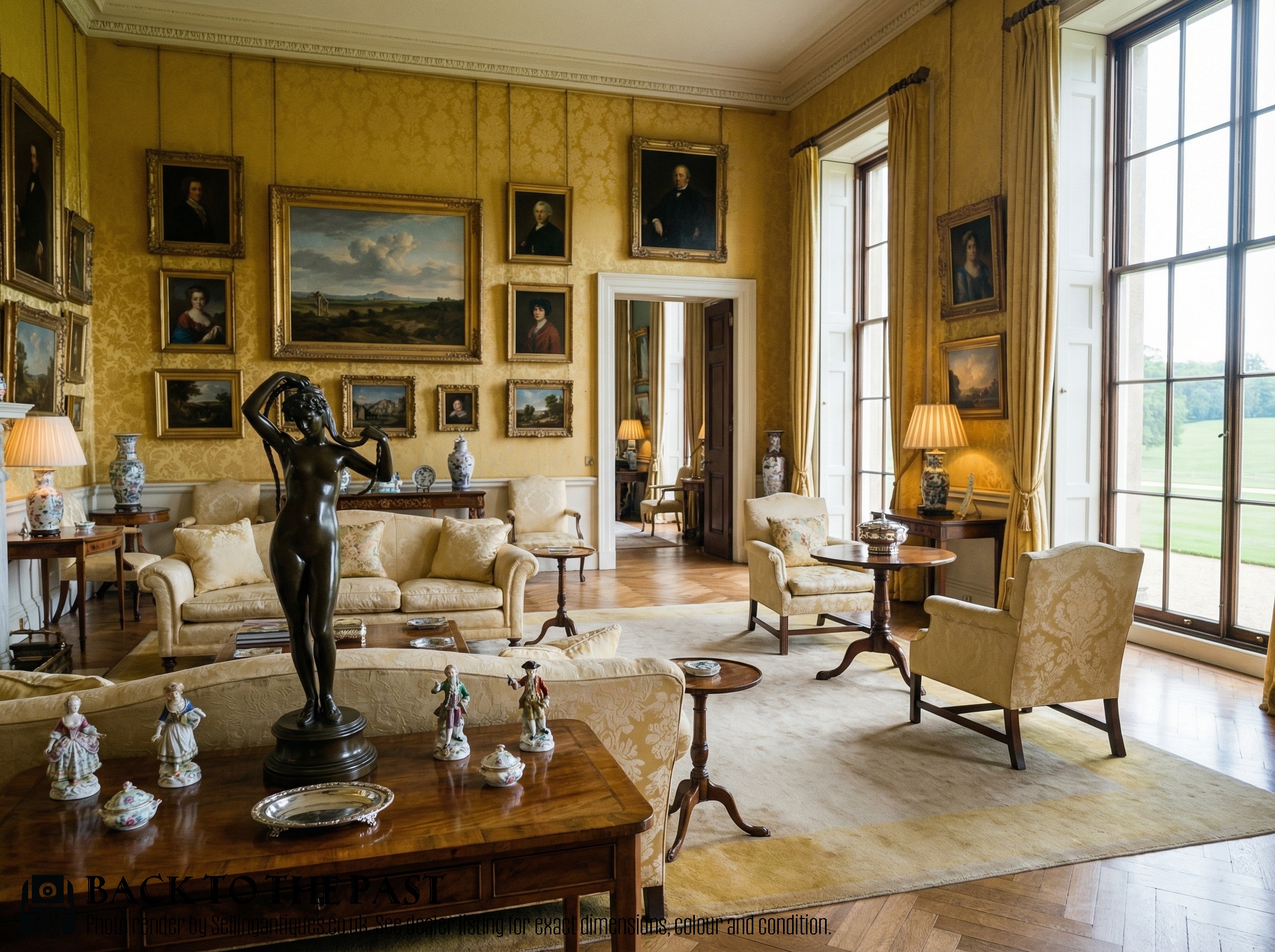
These decorative objects inhabited Parisian salons, drawing rooms, and boudoirs of prosperous households. Table lamps, candelabras, and figural sculptures served as functional art within domestic interiors.
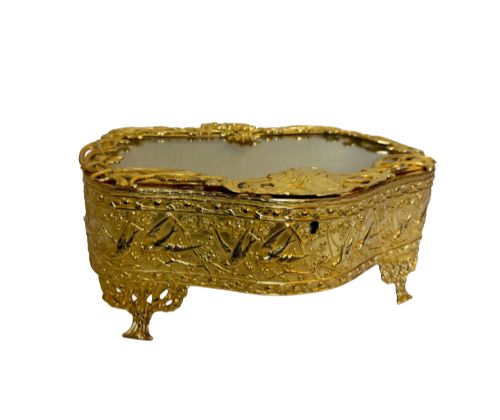
Desk accessories and trinket boxes occupied studies and dressing tables. Larger statues and urns stood upon pedestals in grand hallways and reception spaces.