






French Art Glass Ornament
French art glass ornament examples bring tactile history to a desk or mantelpiece through sculpted forms and coloured glass.
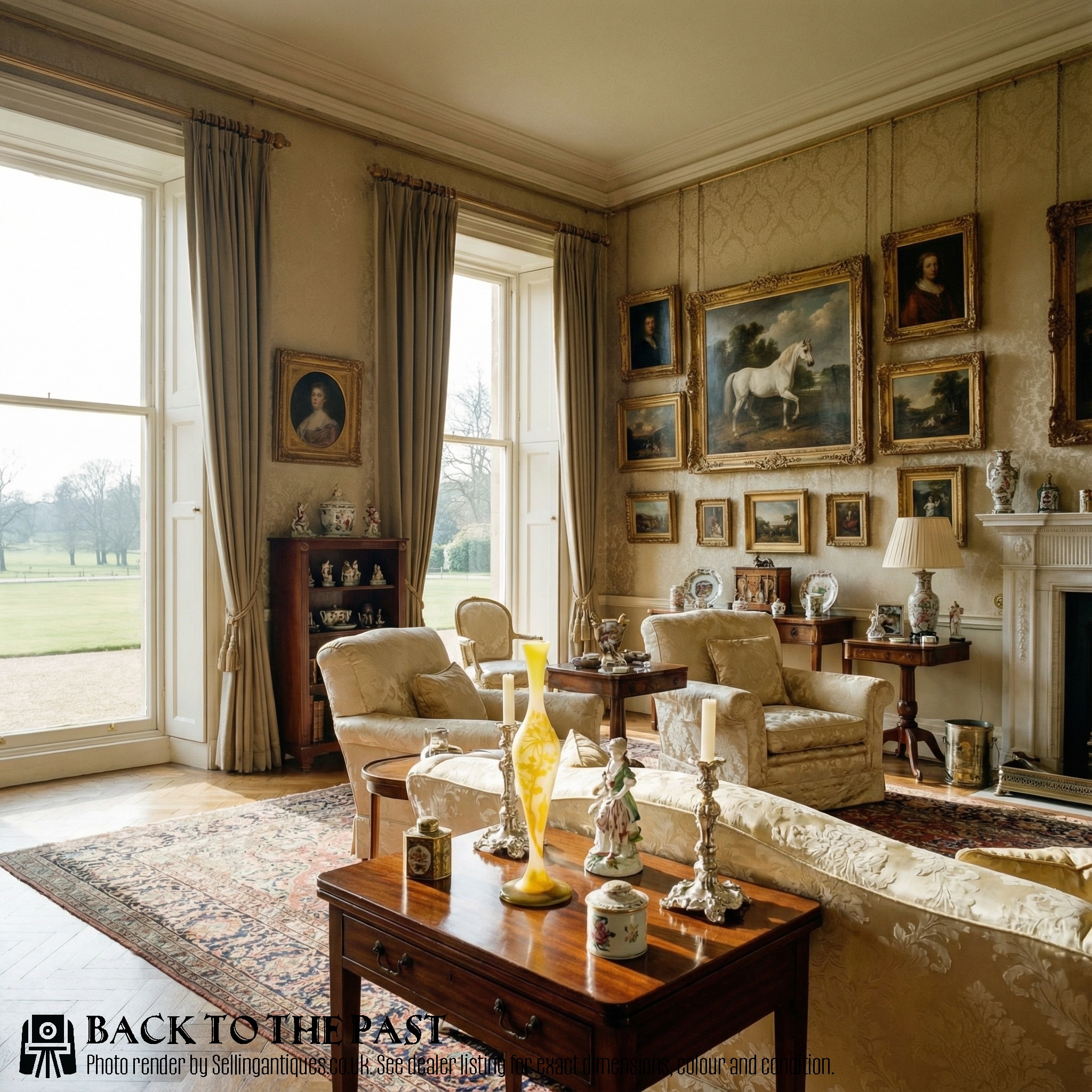
French Art Glass Ornament
Every French art glass ornament search leads you toward decorative pieces spanning the Art Nouveau and Art Deco periods. You find items produced across the early twentieth century, specifically from nineteen hundred through nineteen thirty.
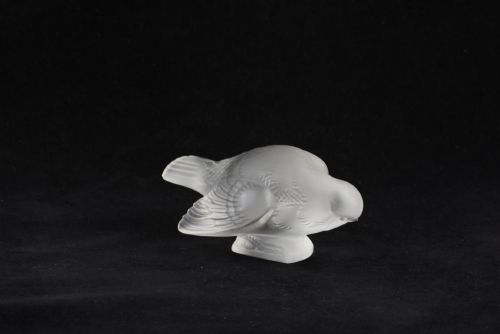
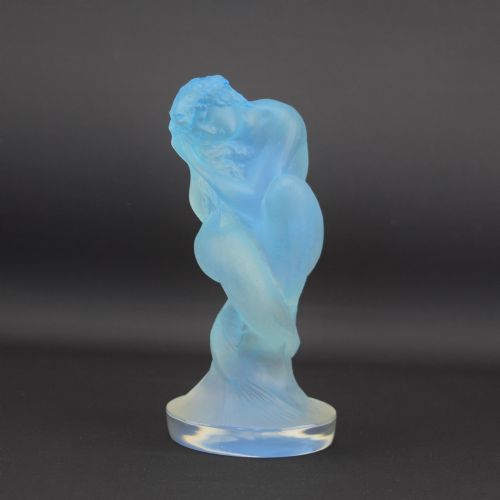
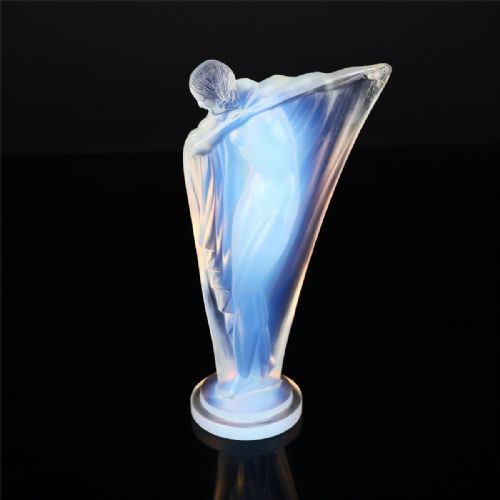
The selections on this page appear in various distinct forms created by notable makers and workshops. Vases, car mascots, paperweights, and figurines make up the primary physical shapes you encounter.
Materials and techniques
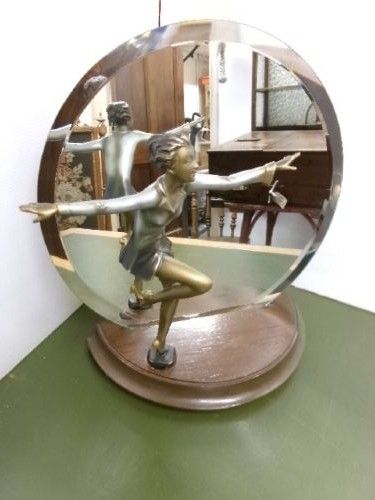
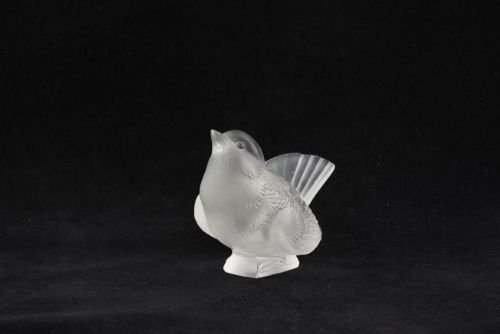
Makers utilised frosted, opalescent, cameo, pressed, and clear glass to achieve depth and texture. Some works combine glass with wood or metal mounts like spelter figures.
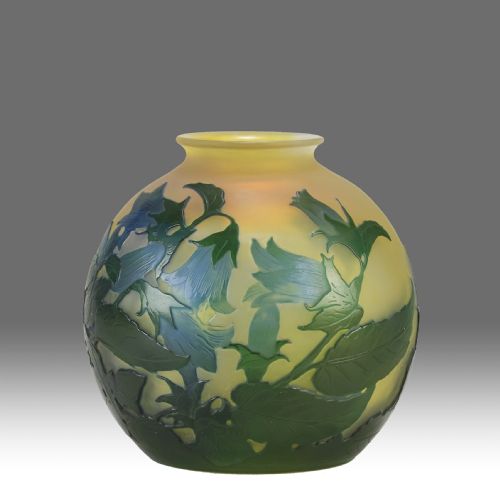
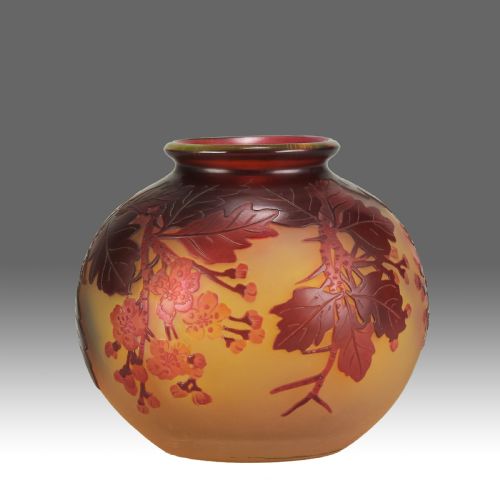
Techniques range from deep acid etching on cameo glass to mould-pressed production for car mascots and paperweights. Layered coloured glass creates tonal contrasts in floral and geometric designs.
Listings feature items exclusively from the early twentieth century, spanning Art Nouveau and Art Deco styles.
Assessing quality
Quality rests upon the crispness of the moulding and the depth of the cameo etching. Superior pieces display intricate detail in animal and human figures without blurring at the edges.
The play of light through opalescent or frosted surfaces distinguishes masterworks from standard production. Execution of colour transitions in layered glass dictates the refinement of the final object.
Emile Gallé·Rene Lalique·Jean Luce·Etling·Lucille Sevin·Schneider
The French Art Glass Ornament Glossary
- Cameo glass
- Glass formed with multiple layers of different colours, then etched or carved away to create a raised design. This technique requires immense skill to control depth and colour contrast.
- Opalescent glass
- Glass that appears milky bluish in transmitted light and warm yellowish brown in reflected light. It scatters light in a way that highlights sculpted contours.
- Car mascot
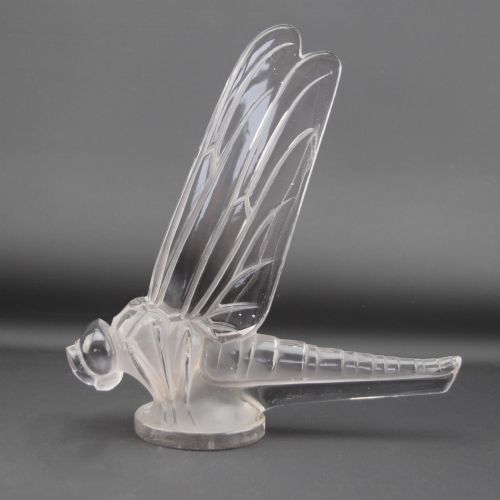
- A sculptural ornament mounted on the radiator cap of a motor car. Many glass examples were produced in France during the nineteen twenties.
- Spelter
- An alloy mainly of zinc and lead used for metal figures or bases. It is softer and lighter than bronze.
French Art Glass Ornament: Frequently Asked Questions
What is a french art glass ornament?
A french art glass ornament is a decorative object made from moulded, cameo, or opalescent glass during the early twentieth century.
These pieces encompass utilitarian shapes turned artistic, such as vases, paperweights, and sculptural car mascots.
How do I date a piece?
Dating relies on stylistic markers from the Art Nouveau and Art Deco movements spanning nineteen hundred to nineteen thirty.
Specific signatures, factory marks, and period-typical motifs like flora or streamlined fauna help narrow the era.
Where were they made?
Production centred in France during periods of intense artistic and industrial design innovation.
Workshops and studios across the country employed skilled glassmakers and sculptors to create these items.
How do I display them?
Display requires positioning near a light source to fully appreciate the opalescent, frosted, or layered glass qualities.
Flat surfaces like mantelpieces, desks, and dedicated cabinets protect the glass while showing off the carved details.