





Overlay Glass Floral Vase
An overlay glass floral vase brings botanical motifs and layered colour to any room, offering exceptional craftsmanship.
Overlay Glass Floral Vase
An overlay glass floral vase represents a sophisticated form of decorative glassware featuring multiple layers of glass or applied metalwork. When searching for an overlay glass floral vase, buyers encounter distinctive examples from Victorian and early twentieth-century periods.
The pieces on this page span several key aesthetic movements including Art Nouveau, Art Deco, and Victorian Bohemian styles. Forms range from tall botanical vessels to specific vanity glassware items.
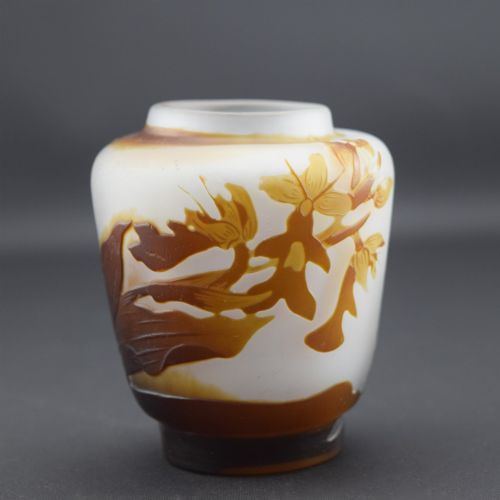
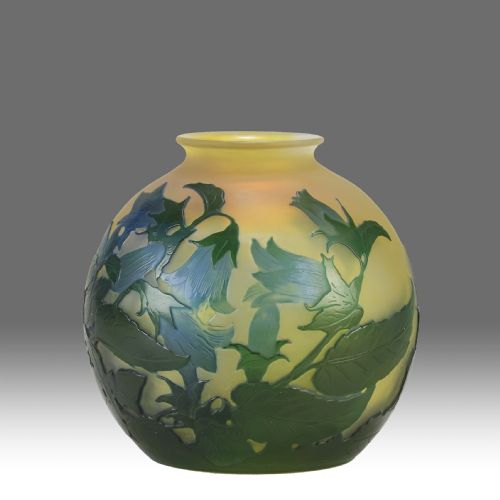
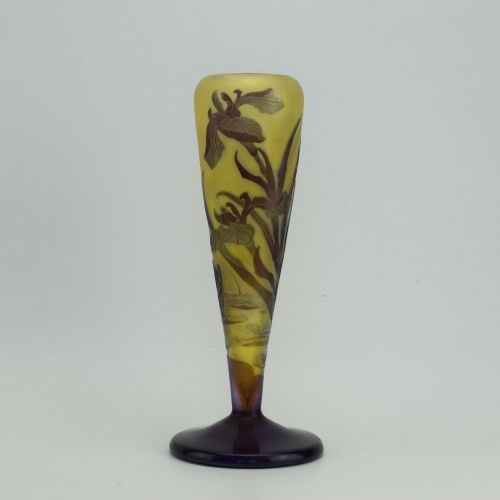
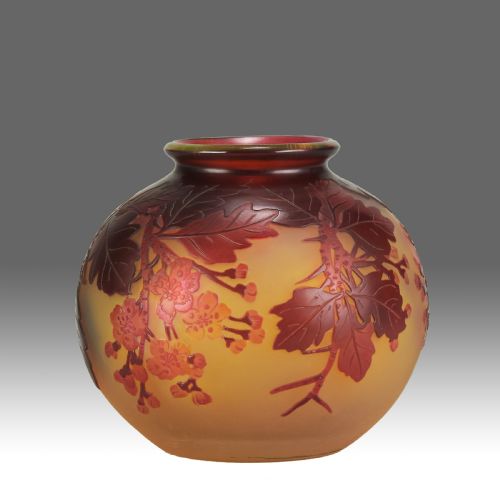
Makers utilise techniques such as cameo carving and acid-etching to reveal contrasting underlying colours beneath floral designs. These vessels capture the artistic spirit of French and Bohemian glasshouses.
Materials and construction methods
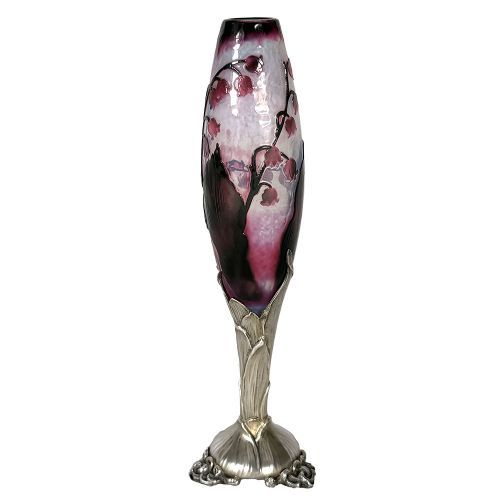
Craftsmen built these pieces using cameo glass, frosted glass, and iridescent glass, often combining multiple coloured layers in the molten stage. Acid-etching and carving removed specific areas of the outer layer to expose the contrasting background.
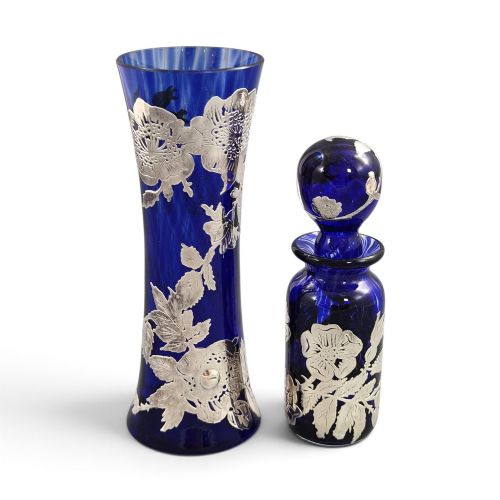
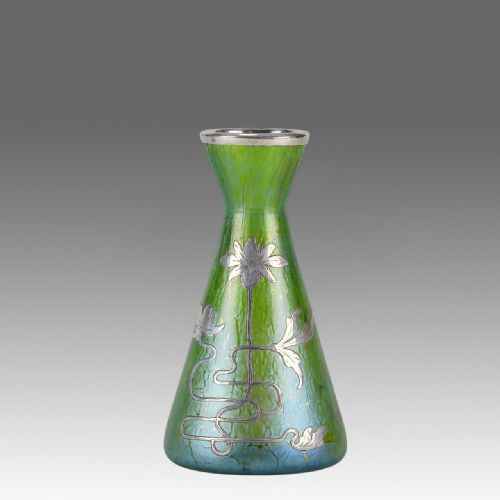
Many examples incorporate metallic elements such as sterling silver overlay, silver overlay, pewter overlay, or delicate applications of gold leaf. These metal mounts physically grip or are fused to the glass body to trace intricate botanical patterns.
Overlay Glass Floral Vase Retail Price Guide 2026
Typical asking prices for overlay glass floral vase among the pieces listed under this phrase on Sellingantiques today, from the lower quarter to the upper quarter. They describe what is for sale here now, not the wider market.
Listings feature cameo glass, frosted glass, and cobalt glass paired with sterling silver overlay, pewter overlay, and gold leaf.
Understanding quality in glass and metal
Quality rests upon the depth of the carving and the precision of the acid-etching in revealing the underlying design. Superior examples display sharp botanical details where petals and stems achieve naturalistic dimension.
The integration of the metal overlay dictates the refinement of the piece. Clean solder lines, secure metal adhesion, and heavy gauge silver or pewter elevate the overall execution.
Emile Gallé·Johann Loetz·Thomas Webb And Sons·Baccarat·Paul Nicholas For D Argental
The Overlay Glass Floral Vase Glossary
- Cameo Glass
- A form of art glass produced by fusing layers of different coloured glass together and carving away portions to create a raised design. This technique requires immense skill to maintain consistent depth.
- Silver Overlay
- A decorative technique where molten silver is applied to the glass surface in intricate patterns. It creates a striking contrast between the polished metal and the coloured glass beneath.
- Acid-Etched Glass
- Glass treated with acid to eat away specific areas of the surface to create frosted or textured designs. It allows for rapid production of repeatable botanical motifs.
- Iridescent Glass
- Glass treated with metallic salts while hot to produce a shimmering, rainbow-like sheen. This effect mimics natural weathering found in ancient buried glass.
- Phänomen
- A signature iridescent surface treatment developed by Loetz featuring rippled, organic glass threads combed into the hot body. It remains a hallmark of Austrian glass innovation.
Overlay Glass Floral Vase: Frequently Asked Questions
What periods do these pieces span?
The selection encompasses late nineteenth-century Victorian works alongside significant early twentieth-century examples up to the nineteen-sixties. Art Nouveau styles dominate the grouping with characteristic organic plant forms.
Production origins range from French glasshouses to Bohemian workshops and Welsh studios. Each period contributes distinct colour palettes and etching depths to the inventory.
Are all these vases signed?
Signature practices varied significantly by maker and workshop during the production eras. While master glassmakers often incorporated acid-etched or wheel-carved signatures into the glass, many quality pieces remain unmarked.
Assessing the technical execution, glass weight, and metal quality provides reliable authentication when a signature is absent. Maker attribution relies heavily on established decorative motifs and material signatures.
How should I display my glass?
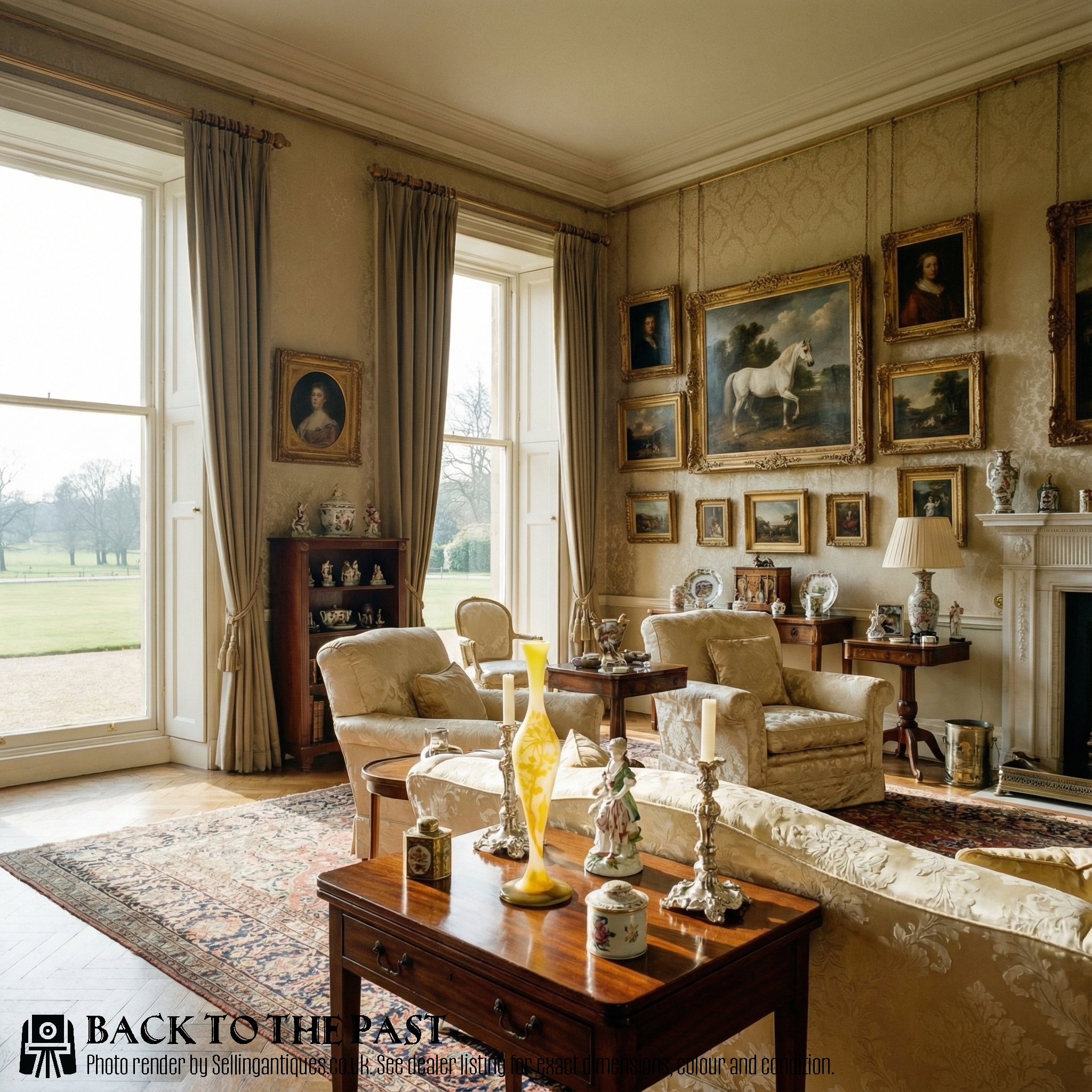
Position the vessel in a location with indirect natural light to highlight the layered colours and iridescent finishes. Direct harsh sunlight can fade certain historical glass formulations over time.
Ensure the display surface is stable and level, as these decorative items often feature heavy tops or delicate appended metalwork. Keep them away from high-traffic household areas where accidental impacts might occur.