



French Art Deco Bronze Statue
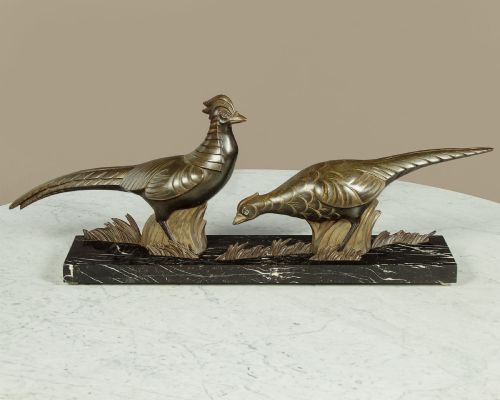
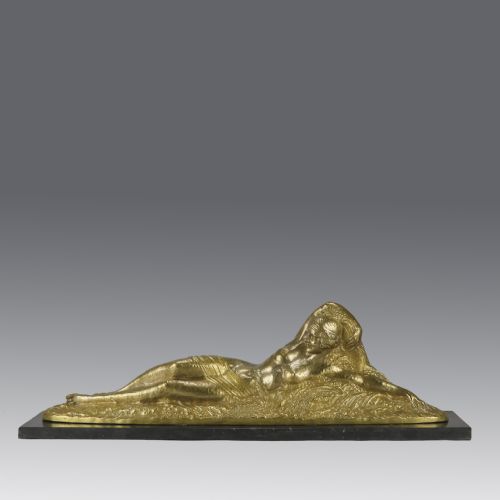
A French art deco bronze statue captures the kinetic energy and streamlined elegance of the interwar decades, making it a striking centrepiece for any room.
French Art Deco Bronze Statue
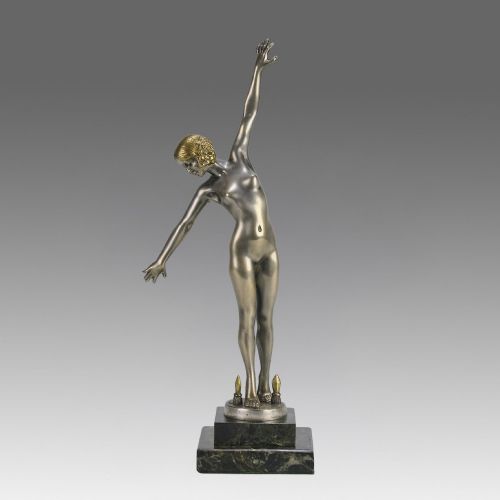
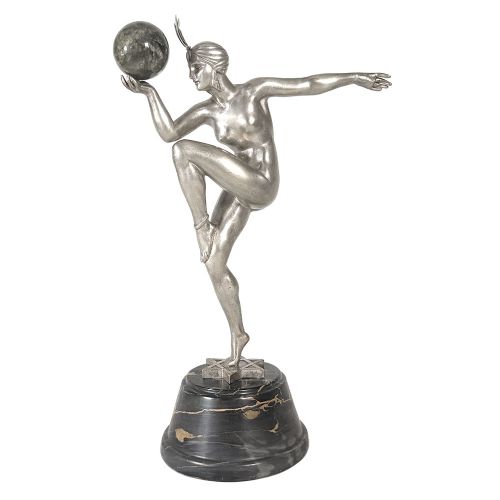
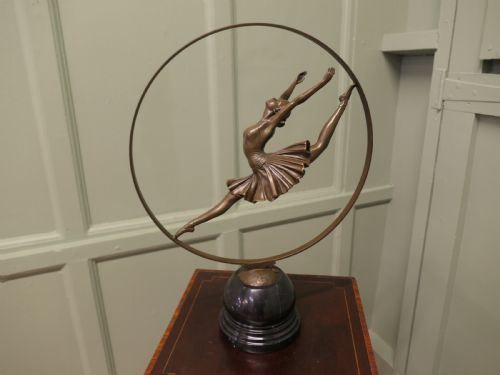
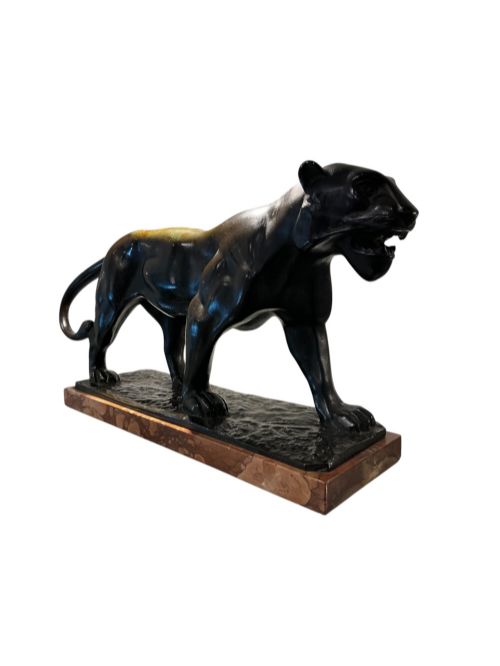
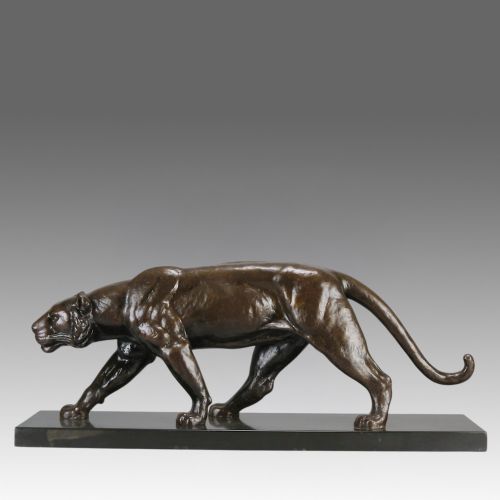
A French art deco bronze statue embodies the visual vocabulary of the 1920s, 1930s, and adjacent early twentieth-century periods, celebrating motion, dance, athleticism, and wildlife.
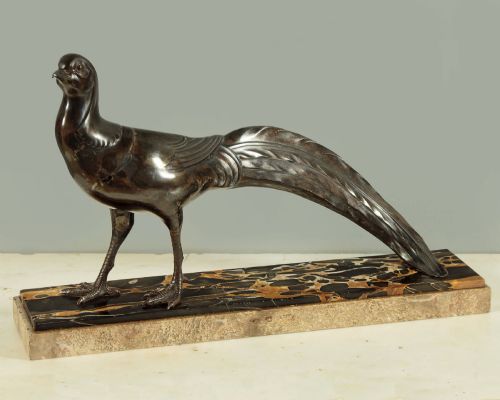
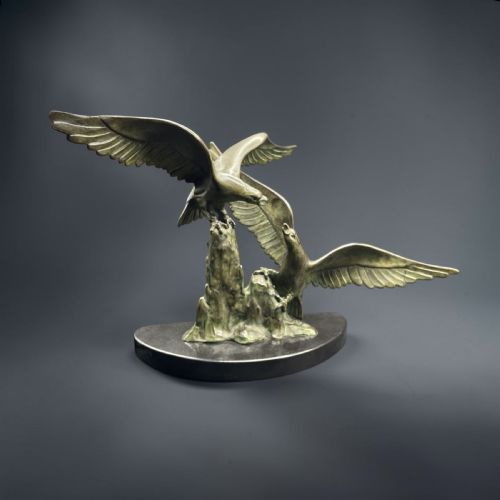
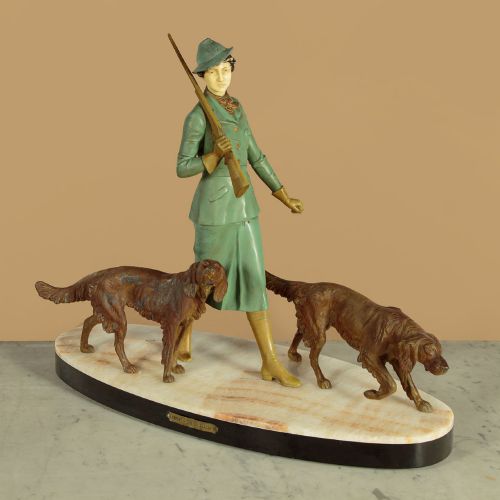
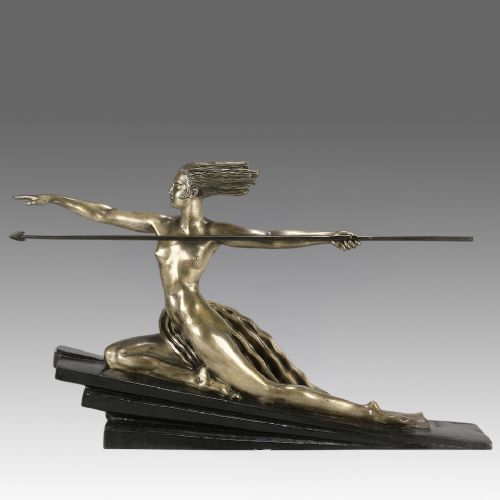
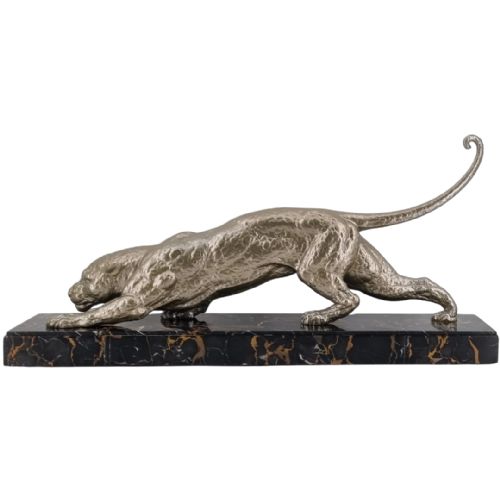
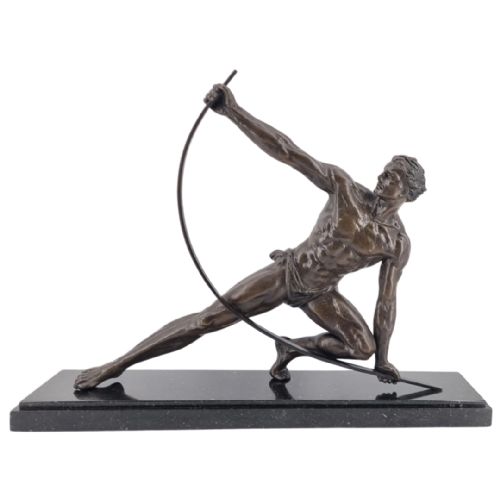
Buyers encounter dynamic figures of dancers, athletes, and panthers alongside utilitarian forms such as bookends and table lamps, with many figures mounted on solid stone plinths.
The most common iterations on this page pair cast metal figures with marble or onyx bases, capturing the distinct modernist spirit of Parisian studios.
How they were made
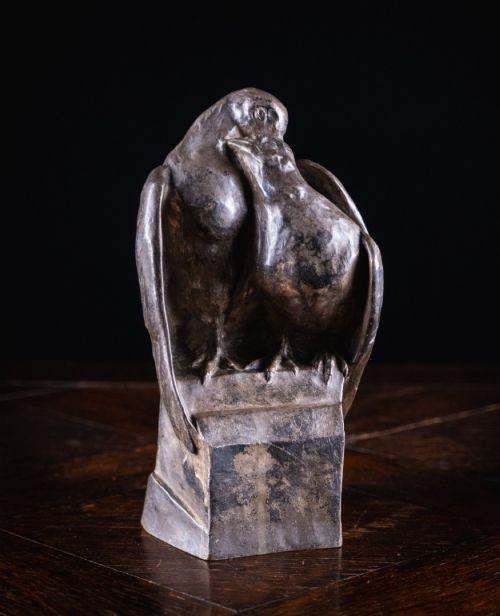
Foundries cast these pieces in bronze, silvered bronze, gilt bronze, and spelter, often applying cold-painted polychrome finishes or patination to heighten surface detail.
Selected works incorporate ivory or crystal glass elements alongside the primary metal casting, reflecting the material diversity of the period workshops.
French Art Deco Bronze Statue Retail Price Guide 2026
Typical asking prices for french art deco bronze statue among the pieces listed under this phrase on Sellingantiques today, from the lower quarter to the upper quarter. They describe what is for sale here now, not the wider market.
Tour de France cyclists and lingerie advertising mannequins share space with classical dancers on marble plinths.
What varies in quality
Quality rests in the crispness of the foundry chase work, where finer casts retain sharp facial expressions, fabric folds, and muscle definition without surface blur.
The choice and density of the mounting stone separate standard commercial editions from superior commissions, with heavy veined marble and onyx commanding greater presence.
Signature authenticity and the subtlety of the applied patination or cold-painted pigments dictate the standing of an individual sculpture within the broader range.
Badini·Frederique Cederlund-Ozanne·Ouillon Carrere·Lalique·D. H. Chiparus·Jean de Roncourt·Maurice Giraud-Rivière·Pierre Collinet·Alexandre Ouline·Aurore Onu·Charmereine·Zoldan Kovats·Georges-Charles Coudray·Sibylle May·P. Sega·Aristide Maillol·Paul Philippe·C Masson·L.Gerfaux
The French Art Deco Bronze Statue Glossary
- Bronze
- An alloy of copper and tin utilised by foundries for durable, finely detailed sculptural casts. It forms the primary medium for high-end period figures.
- Spelter
- A zinc-based alloy used as an accessible alternative to bronze for sculptural figures. It takes patination readily while remaining lighter than true bronze.
- Patinated metal
- Metal treated with chemical solutions to produce a specific surface colour or aged finish. This process highlights the contours of dancers and animals.
- Chryselephantine
- A term describing statues combining metal with carved ivory or bone. It appears frequently in period dancer and performer figures.
- Onyx
- A banded variety of chalcedony employed for decorative statue bases and plinths. Its translucent layers provide a polished contrast to dark metal castings.
French Art Deco Bronze Statue: Frequently Asked Questions
How do I spot a spelter statue?
Spelter is noticeably lighter than bronze and often reveals a greyish or silvery metal underneath worn areas of patination. It also tends to feel softer to the touch.
Foundries used spelter as an economical alternative during the period, so examining the underside or mounting points helps clarify the material.
Where should I display my statue?
These pieces suit sturdy sideboards, mantelpieces, or dedicated display tables where their profiles can be viewed from multiple angles. Their heavy stone bases require stable surfaces.
Keep them away from direct sunlight and moisture to preserve the integrity of the marble bases and surface patination.
Are these statues signed?
Many period pieces bear cast signatures or foundry marks directly on the bronze or on the edge of the marble plinth. Signatures range from clear incised names to subtle monograms.
Absence of a signature does not preclude period origin, as many workshop editions were produced unsigned for retail distribution.
How do I clean my bronze statue?
Dust the surface gently with a soft, dry microfibre cloth to prevent particulate accumulation. Avoid water, abrasive cleaners, or chemical solvents entirely.
Applying a very light coat of microcrystalline wax can help protect historical patinated surfaces from atmospheric wear.