


French Art Deco Animalier
French art deco animalier sculptures capture beasts and birds in motion, built to anchor a room with stark modernist lines.
French Art Deco Animalier
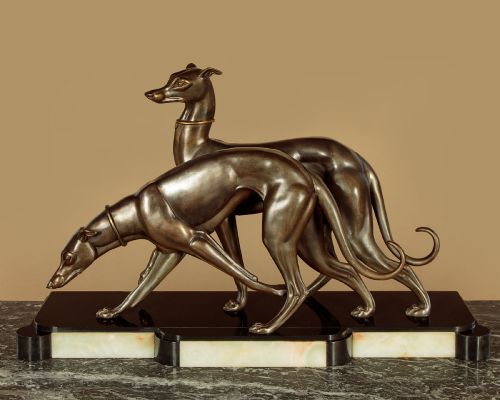
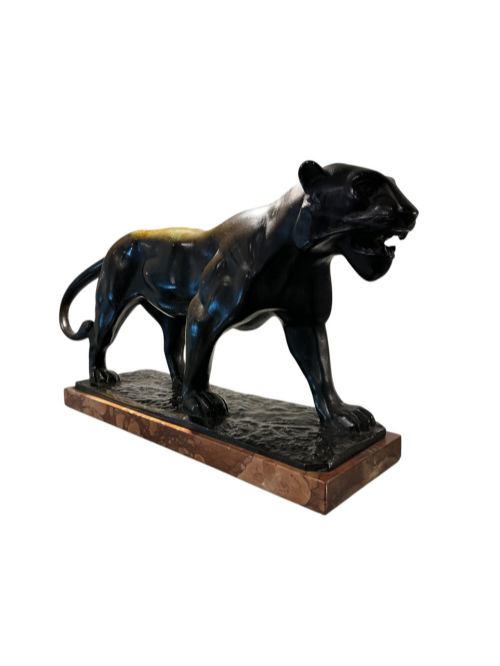
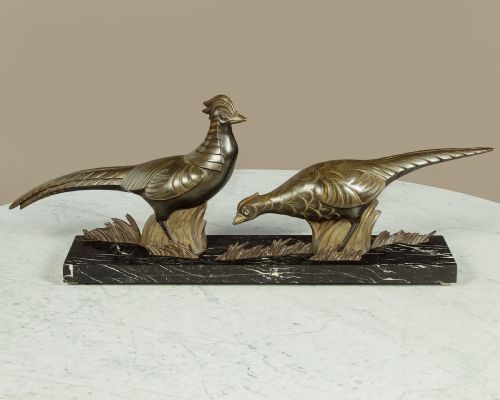
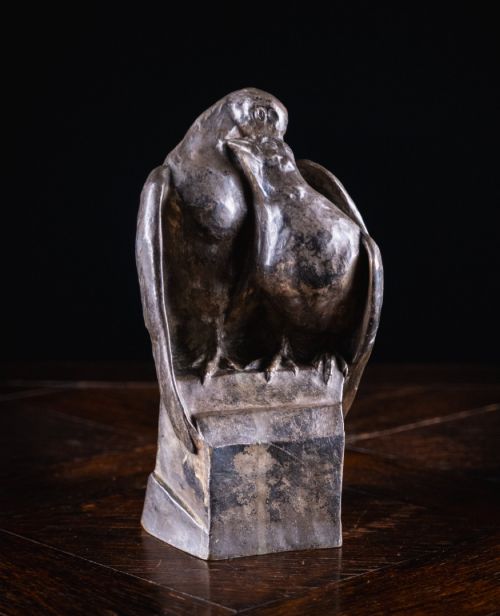
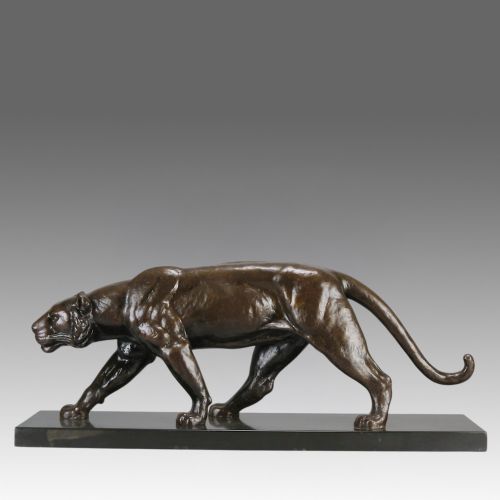
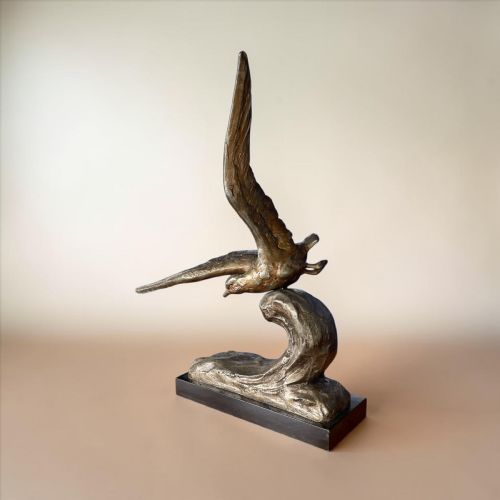
French art deco animalier figures depict panthers, stags, big cats, and birds frozen in mid-stride, leap, or rest during the interwar decades. The category is dominated by heavy predatory cats and gliding avians designed to sit atop desks, sideboards, and mantelpieces.
Most examples pair a metallic or carved animal figure with a contrasting geometric base of marble or onyx. The resulting compositions reflect the industrial dynamism and sleek zoological studies characteristic of the period.
What varies in quality
The precision of the metal chasing and the depth of the foundry patination separate ambitious studio casts from standard commercial production. Crisp articulation in claws, fur, and feathers distinguishes superior animalier casting.
The selection of the base material dictates overall refinement, where dense multi-coloured marble and onyx slabs outclass simpler wooden or plain stone mounts. Heavier gauge metal and signed artist editions command greater presence than unsigned spelter variants.
Listings feature materials spanning bronze, spelter, nickel bronze, wood, marble, and onyx across pieces dated from nineteen-twenty to nineteen-forty.
Frederique Cederlund-Ozanne·Alexandre Ouline·Eugene Emile Borga·C Masson·Michel Decoux·P. Marec·I. Rochard
The French Art Deco Animalier Glossary
- Animalier
- Art depicting non-human animals, particularly sculptures of wild beasts and birds. This genre flourished through the nineteenth and twentieth centuries in bronze and spelter.
- Spelter
- A zinc alloy commonly utilised as a less expensive alternative to bronze during the art deco period. It takes patination well to simulate heavier metals.
- Patinated metal
- Metal treated with chemical solutions to produce a specific surface colour or aged finish. This technique accentuates anatomical contours and shadows on animal sculptures.
- Onyx
- A banded variety of chalcedony used frequently for decorative bases under art deco sculptures. Its translucent layers provide strong contrast to dark metallic figures.
- Nickel bronze
- A copper alloy containing nickel that yields a bright, silvery metallic appearance. It offers durable resistance to corrosion while maintaining sharp cast details.
French Art Deco Animalier: Frequently Asked Questions
What is french art deco animalier?
French art deco animalier encompasses twentieth-century sculptures of animals rendered in the streamlined aesthetic of the interwar decades. These works focus on the natural grace and power of wildlife.
Artists utilised materials like bronze, spelter, and carved wood, frequently anchoring the subjects to heavy marble or onyx plinths. The pieces range from small bookends to large standalone mantel sculptures.
How do I distinguish bronze from spelter?
Bronze is heavier, denser, and generally exhibits a warmer resonance when tapped, whereas spelter is softer and more brittle. Spelter pieces often display wear through the patination layer where the lighter grey alloy beneath shows.
Bronze allows for sharper detail during the casting process and holds a durable finish over decades. Foundry signatures also appear more frequently on bronze editions.
Where should I display these sculptures?
These sculptures require sturdy surfaces such as heavy sideboards, desks, or mantelpieces capable of supporting dense marble and metal weight. Placing them away from direct foot traffic protects projecting tails, ears, and wings.
Their strong horizontal lines complement flat surfaces, while contrasting stone bases stand out against plain wood furniture.
How do I care for marble and bronze?
Dust metal figures gently with a soft, dry cloth to prevent accumulation in recessed crevices of the patination. Avoid chemical polishes that strip original surface treatments.
Wipe marble and onyx bases with a damp cloth followed by immediate drying. Protect stone surfaces from acidic spills and heavy impacts.
Are these pieces signed?
Many sculptures feature cast or inscribed signatures of the artist directly on the metal figure or the marble base. Signatures indicate specific studio production rather than anonymous factory output.
Unsigned examples remain common, particularly among commercial spelter animalier pieces produced for broader retail markets.