
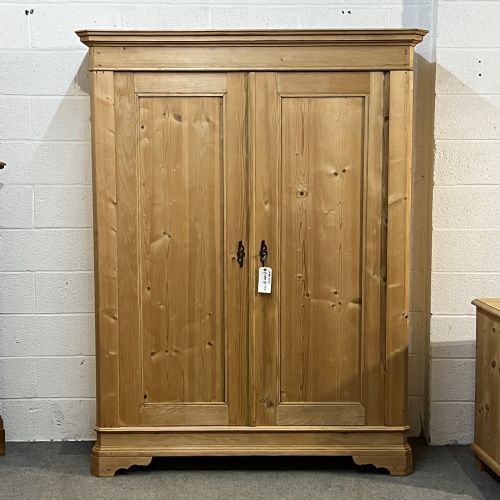
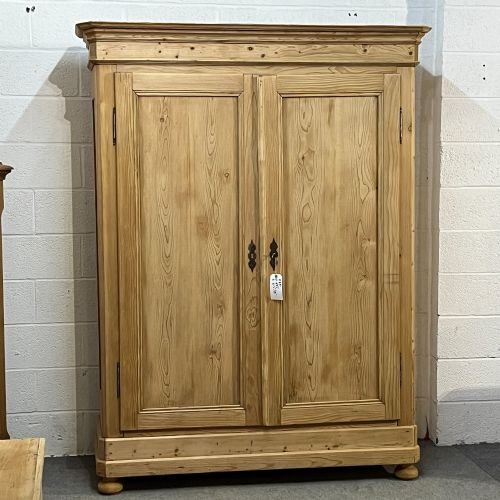
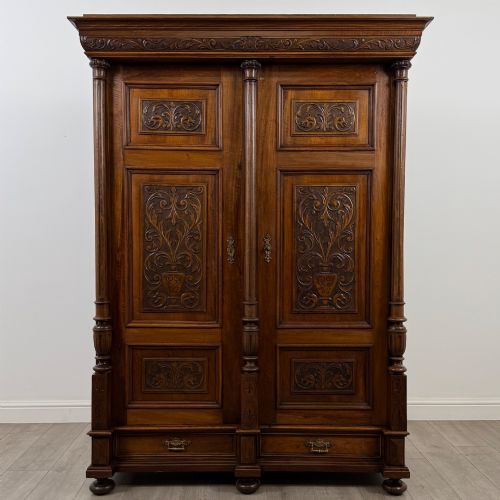
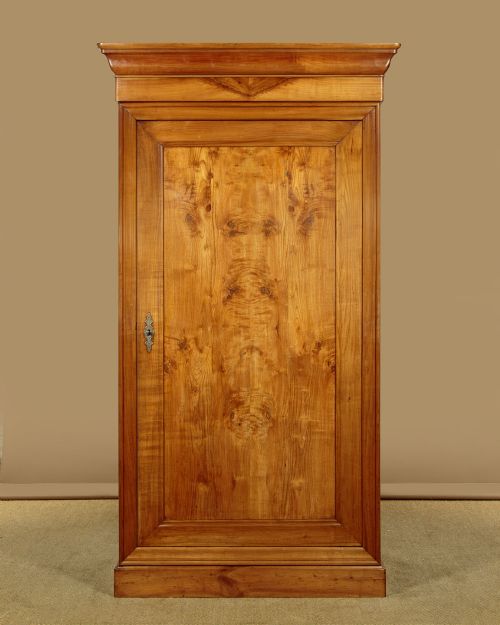
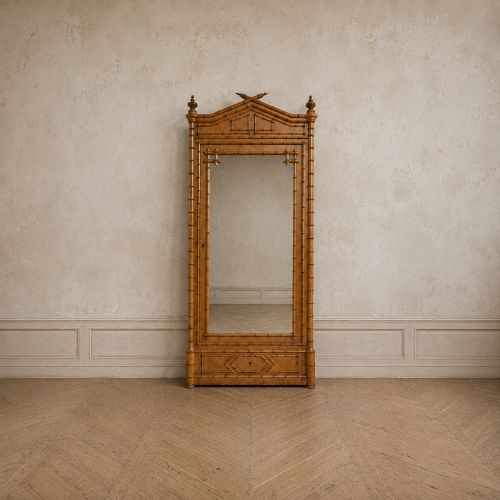
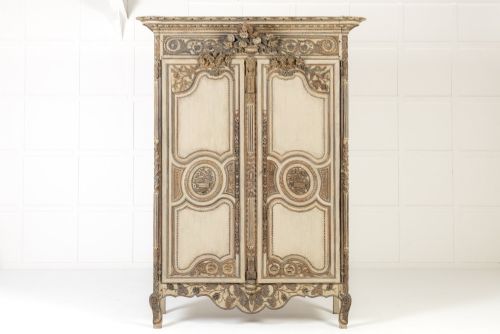
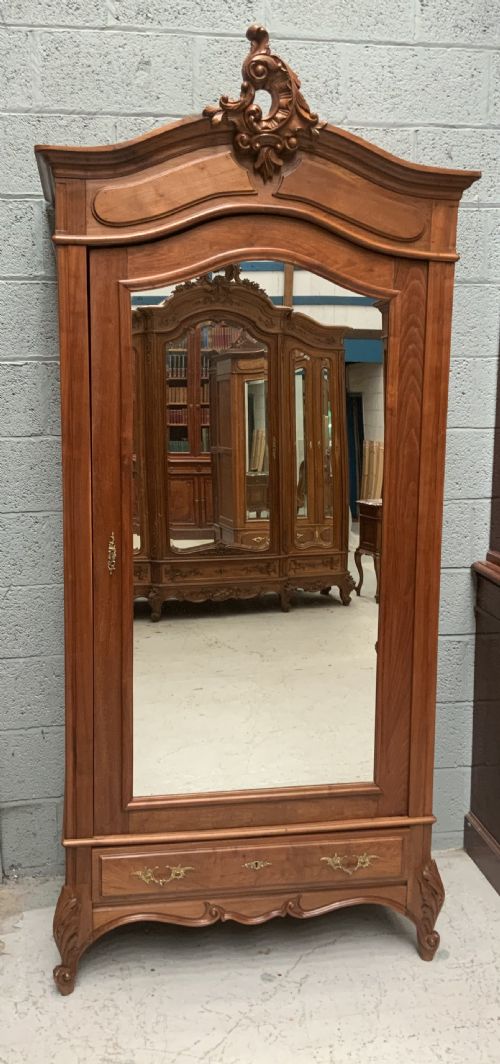
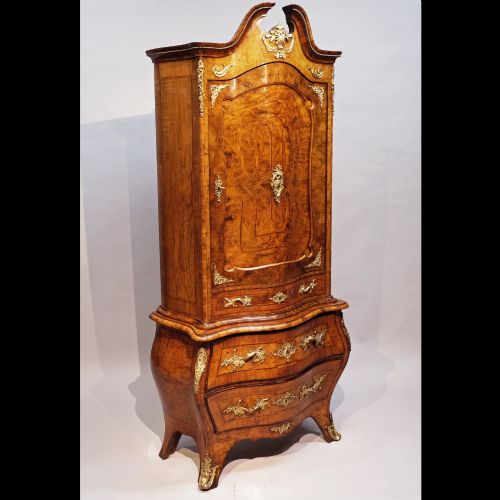

French Armoire Wardrobe
When you search for a french armoire wardrobe, you seek a substantial timber storage piece built to anchor a bedroom or landing.
French Armoire Wardrobe
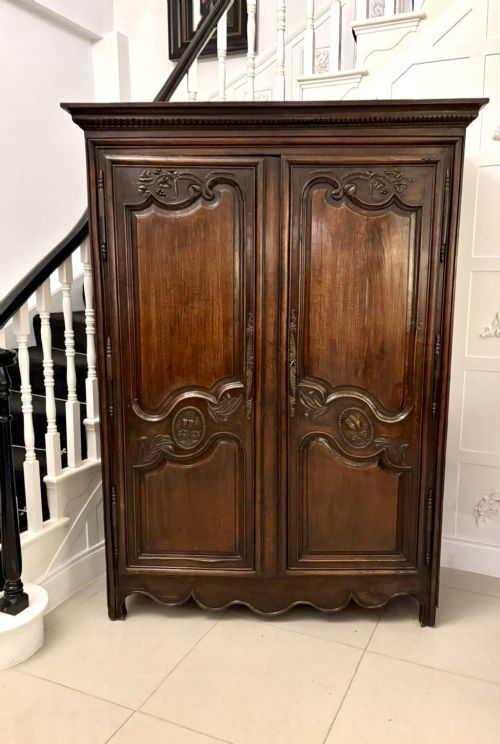
A french armoire wardrobe is a large timber storage cabinet designed for domestic linen and garments, originating from provincial farmhouses and urban residences alike. The pieces span centuries of regional design, moving from rustic eighteenth-century country forms to refined nineteenth-century revival styles and early twentieth-century interpretations.
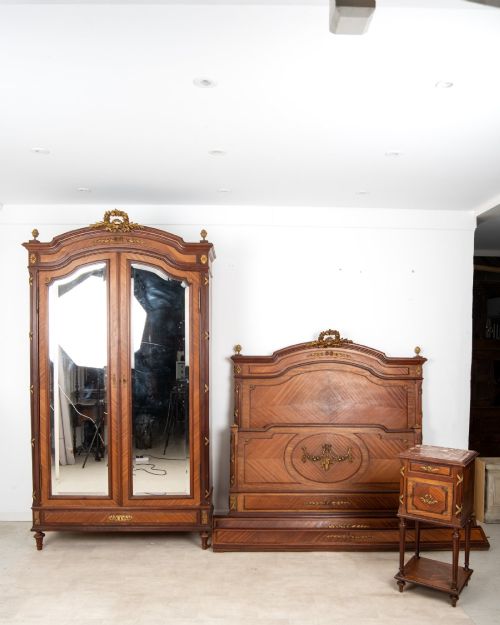
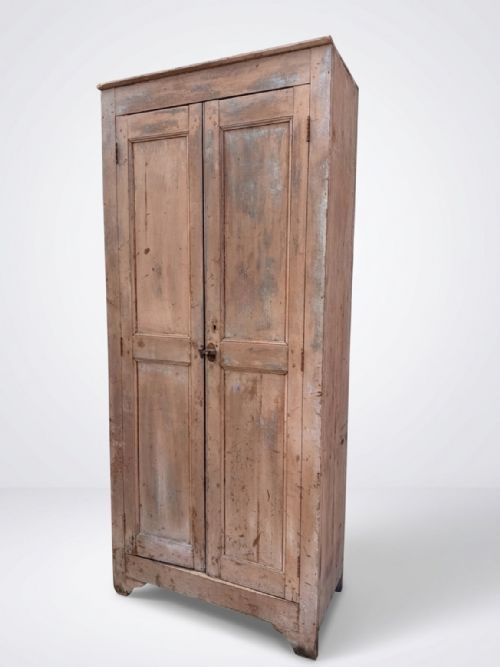
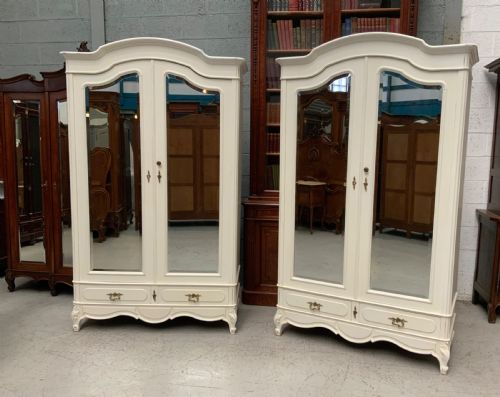
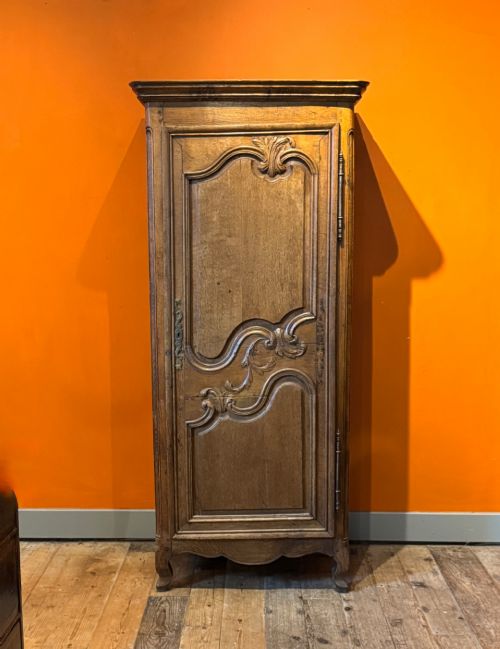
The selections on this page appear in various timber species including oak, walnut, mahogany, and pine, alongside painted and bleached finishes. Forms range from single-door bonnetieres and double-door storage cabinets to grand triple wardrobes and matched bedroom suites.
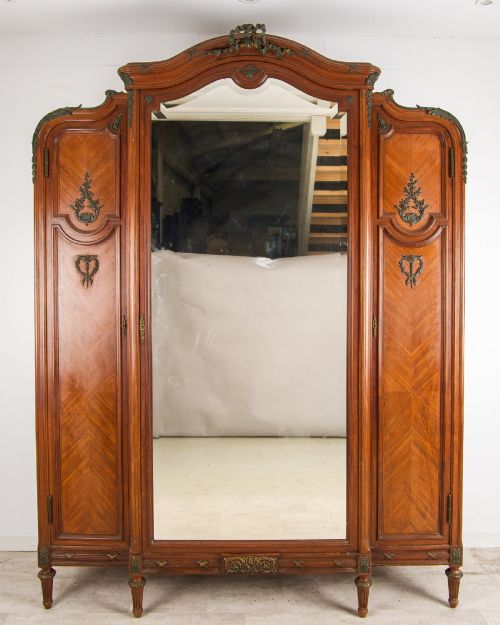
Provincial expressions emphasise carved panels and regional silhouettes, while revival pieces draw upon Louis XV, Louis XVI, and Empire design vocabularies. Buyers encounter everything from utilitarian housekeeper cupboards to highly decorative wedding armoires fitted with internal hanging rails and shelves.
How they were made
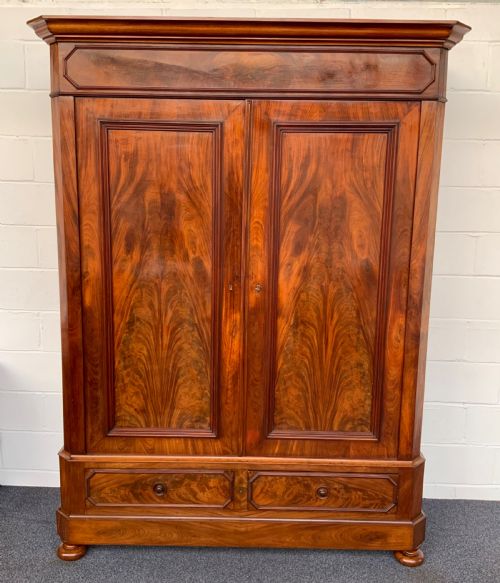
Cabinetmakers constructed these large storage units using traditional joinery, relying on pegged mortise and tenon joints to stabilise heavy framework and panelled doors. Solid timbers such as oak, walnut, cherry, and fruitwood dominate the earlier examples, while later nineteenth-century pieces frequently incorporate mahogany veneers over secondary woods.
Surface decoration involved meticulous hand-carving along cornices and door panels, alongside painted finishes and traditional wax polishing to seal the grain. Higher-specification examples incorporated brass hinges, iron hardware, mirrored glass door panels, and cast ormolu mounts fixed with pins.
Internal configurations reflect domestic requirements of the period, combining fixed or adjustable shelving with hanging spaces, secret drawers, and separate linen compartments. Construction methods prioritized knock-down capabilities in many provincial pieces, allowing large frames to be dismantled for transport.
Several rustic examples retain secret drawers tucked beneath the main framing, ready to conceal your most private heirlooms.
What varies in quality
The standard of a piece rests largely on the depth of its carving, the selection of timber figures, and the integrity of its original proportions. Superior examples display crisp, hand-chiselled ornamentation rather than shallow mechanical moulding, alongside well-figured burr walnut, flame mahogany, or densely grained oak.
Construction details also dictate value, notably the thickness of panel timbers, the retention of original backboards, and the smoothness with which large panelled doors hang on their hinges. Pieces that retain their original brass or ormolu mounts, mirrored glass, and working locks command greater consideration than those with later replacements.
Provenance and untouched surface patination separate everyday utility items from exceptional examples. Original painted finishes or aged waxed surfaces demonstrate a history of careful preservation, whereas inappropriate stripping or heavy modern alterations diminish the integrity of the cabinet.
Jean Faure
The French Armoire Wardrobe Glossary
- Armoire
- A tall wardrobe or cupboard, traditionally used for storing clothes and linens in domestic interiors. These pieces often feature double doors enclosing hanging space or shelves.
- Bonnetiere
- A narrow single-door cupboard originally designed for storing hats and headwear. These tall, slender pieces serve well in compact bedrooms.
- Ormolu
- Gilded bronze mounts applied to furniture for decorative effect. This technique was favoured by cabinetmakers working in grand revival styles.
- Flat-front
- A wardrobe cabinet design lacking protruding central sections, presenting a uniform plane across the closed doors. This style suits rooms requiring a streamlined silhouette.
- Breakfront
- A cabinet design where the central section projects forward from the flanking wings. This architectural arrangement creates shadow lines and visual depth across the facade.
French Armoire Wardrobe: Frequently Asked Questions
How do I fit shelves into an old armoire?
Many antique armoires were originally constructed as linen cupboards with fixed or adjustable timber ledges inside. Modern owners often insert wooden battens to support custom shelves without damaging the ancient carcass.
Working with the existing interior layout preserves the historical integrity of the timber while adapting the storage capacity for modern folded garments.
Can these wardrobes be taken apart for moving?
A significant number of continental wardrobes utilise knock-down construction methods involving pegged joints and wedge assemblies. This design allowed large timber frames to travel through narrow doorways during initial installation.
Checking the construction reveals whether the cornice, sides, and base separate independently from the main backboards and doors.
What is the difference between an armoire and a wardrobe?
Historically, an armoire denoted a large cupboard for storing arms or linen, whereas a wardrobe specifically designated a tall piece fitted for hanging garments. In modern usage, the terms overlap considerably across regional British and continental furniture types.
Many pieces listed here function interchangeably for hanging clothes or housing internal shelving units depending on their historical alterations.
How do I care for antique pine and walnut surfaces?
Maintaining these timber finishes requires occasional applications of traditional beeswax to nourish the grain and protect against excessive dryness. Avoid placing large wooden cabinets near direct heat sources or strong sunlight to prevent warping.
Gentle dusting with a soft, dry cloth preserves the aged patina developed over centuries of domestic use.