


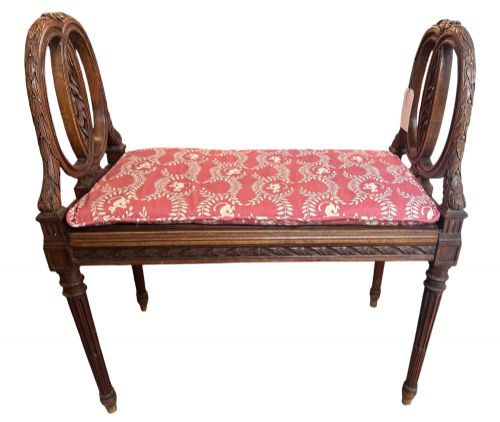

French Window Bench
A french antique window bench brings a touch of classical elegance and tailored seating to a bedroom or corridor.
French Window Bench
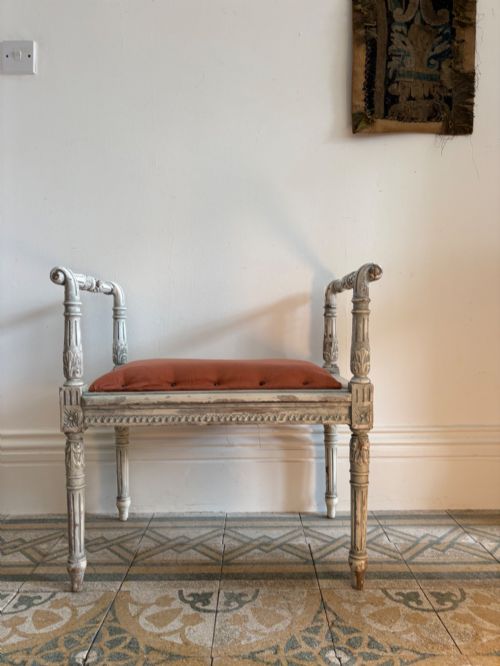
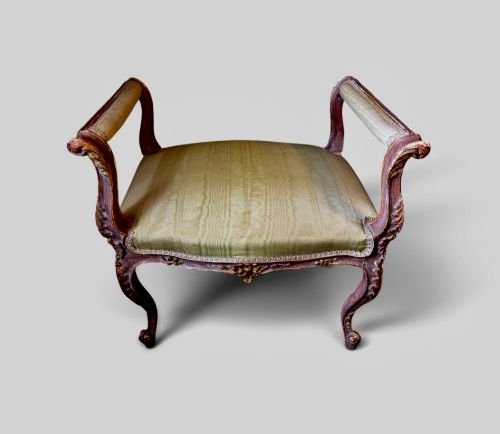
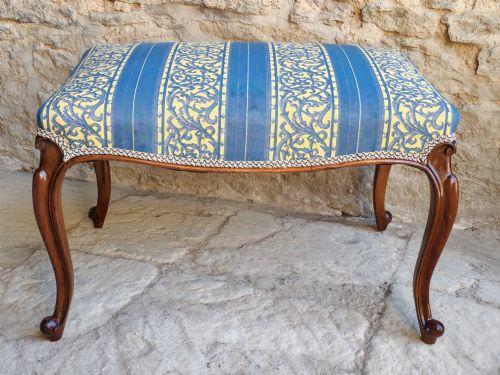
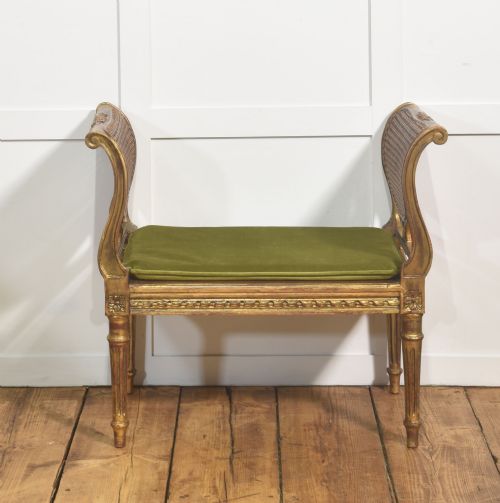
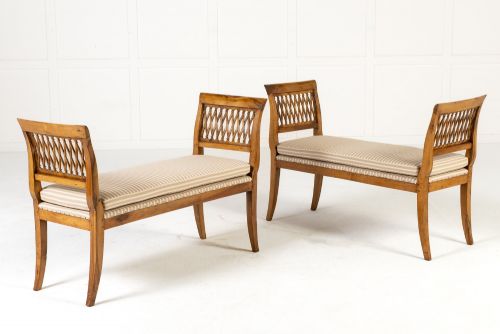
When you search for a french antique window bench, you encounter low seating forms designed to sit beneath glazing without blocking light. These pieces appear most frequently from the nineteenth century, taking shapes such as long stools, window seats, and banquettes.
The selections span stylistic revivals like Louis XVI and Rococo, alongside provincial interpretations in oak, walnut, and painted wood. Makers of the period adapted classical proportions into practical forms suitable for resting by a casement or at the foot of a bed.
Materials and Construction
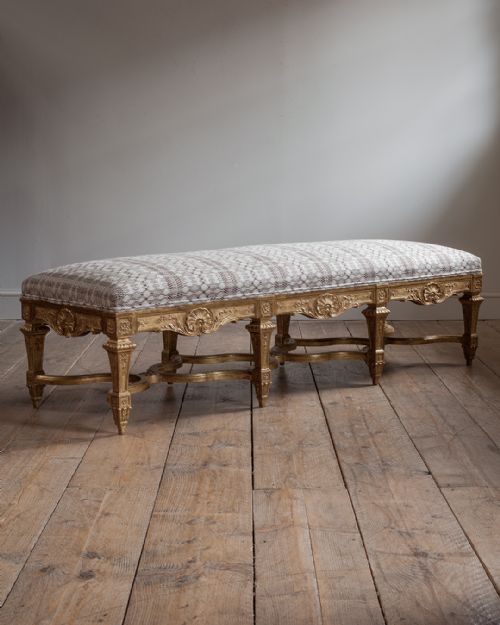
Frames rely on hardwoods including walnut, beech, and mahogany, shaped through traditional joinery and hand carving. Giltwood surfaces feature applied gold leaf over gesso, while painted versions utilise layered pigments on white or muted grounds.
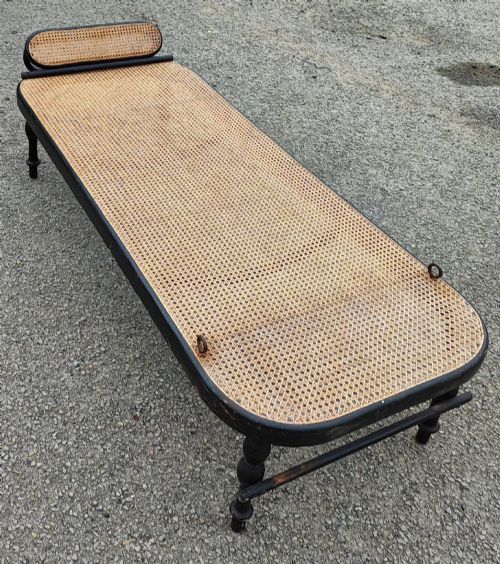
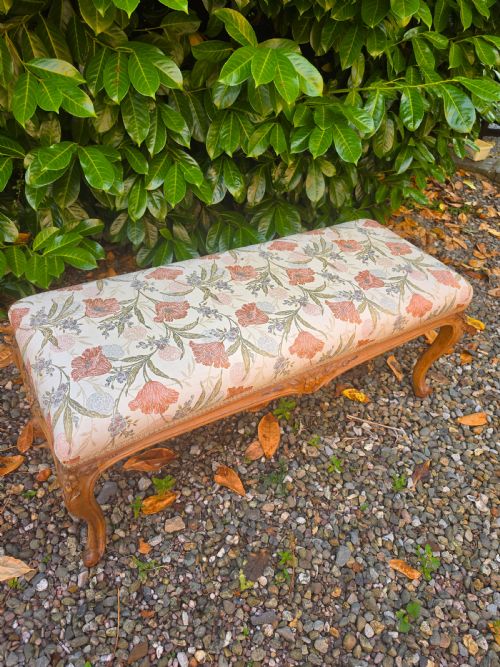
Seating portions incorporate cane panels woven tightly into wooden rails, or upholstered foundations finished in silk, tapestry, and contemporary textiles. Brass details and X-frame supports provide structural bracing while maintaining decorative grace.
Current listings feature walnut, oak, and beech frames alongside giltwood finishes across nineteenth-century styles.
Judging Quality and Craftsmanship
Quality reveals itself in the crispness of the hand carving and the integrity of the wooden frame joints. Finer examples display deeply undercut foliage and balanced proportions that reflect rigorous cabinet-making standards.
The preservation of original gilding or authentic paint finishes elevates a piece, just as tight canework and substantial hardwood framing distinguish superior workshop output from simpler utilitarian items.
The French Window Bench Glossary
- Giltwood
- Wood coated with gold leaf or powder over a prepared gesso ground. This finish appears frequently on formal salon seating.
- Canework
- Woven rattan or cane used to form light, flexible panels for seats and backs. It provides both visual transparency and resilient support.
- Cabriole leg
- A furniture leg that curves outward in a convex arc and tapers inward in a concave arc. It terminates in a simple foot.
- Curule stool
- An ancient Roman magistrate seat design featuring intersecting curved legs forming an X shape. This form was revived during the Empire period.
- Banquette
- A long upholstered bench or stool designed for seating multiple persons. These pieces often feature carved wooden frames.
French Window Bench: Frequently Asked Questions
Where do I place a window bench?
These low seats fit naturally beneath bedroom windows, along hallways, or at the foot of a bed where standard chairs block the light or view.
Their narrow profile also allows them to serve as impromptu seating in dressing rooms or compact reception spaces.
How do I care for antique giltwood?
Dust giltwood frames gently with a dry, soft microfibre cloth to remove particulate matter without disturbing the delicate metallic leaf.
Avoid liquid cleaners, waxes, and direct sunlight, which can cause the underlying gesso to flake and the gold leaf to dull over time.
What is the difference between a window seat and a stool?
Window seats typically feature elongated proportions specifically measured to span the width of a standard window recess.
Stools are often more square or compact in footprint, though nineteenth-century makers frequently used the terms interchangeably for long seating forms.
Can I reupholster an antique bench?
Many antique frames accommodate new upholstery easily without altering the underlying wooden structure or decorative carving.
Choose fabrics that respect the period style of the frame, ensuring the padding thickness matches the original profile.