

French Carved Bench
A french carved bench brings historic seating and ornate woodwork into a room, offering both practical function and decorative presence.
French Carved Bench
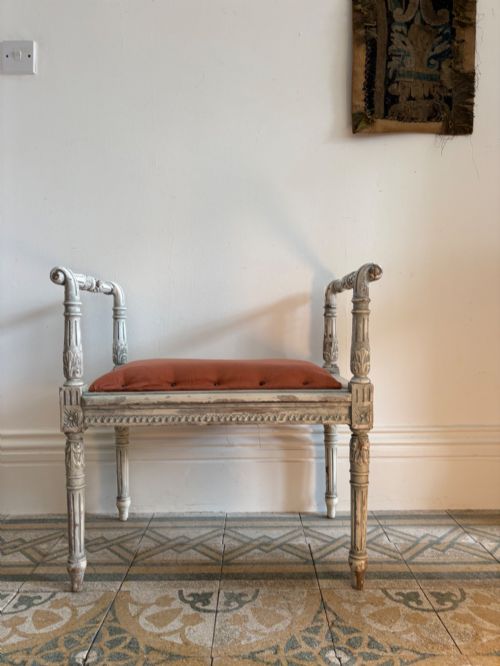
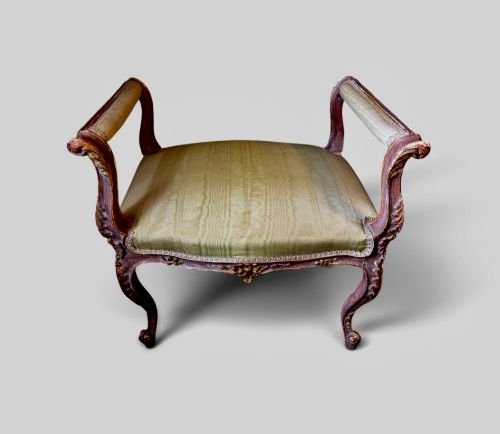
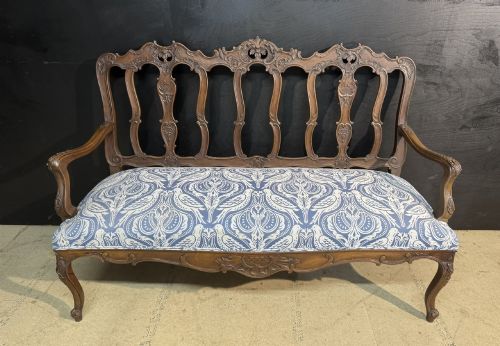
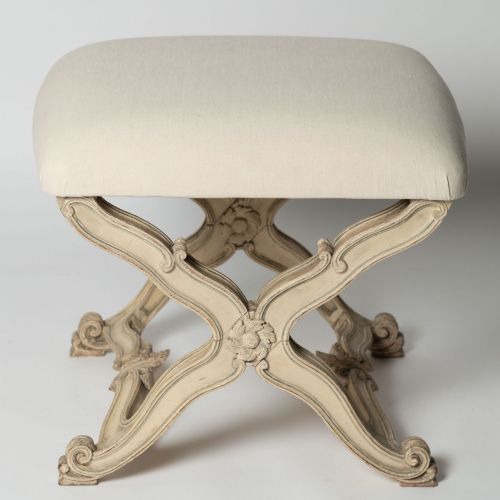
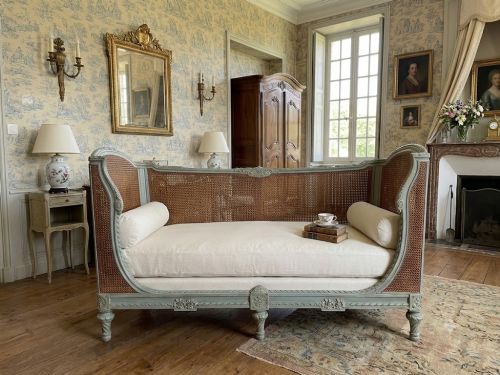
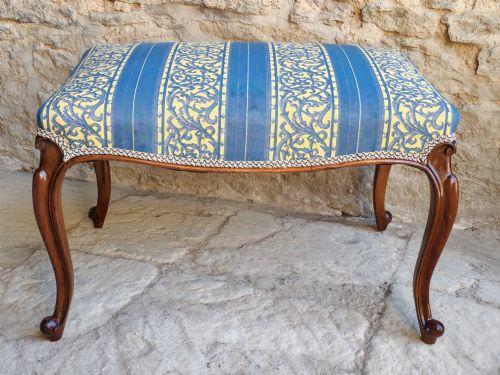
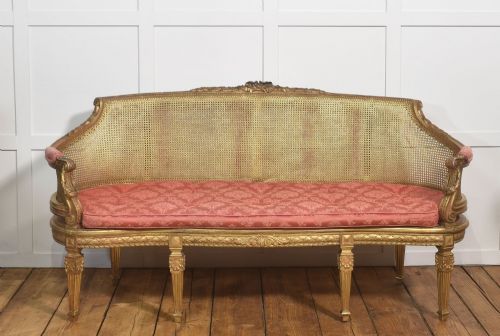
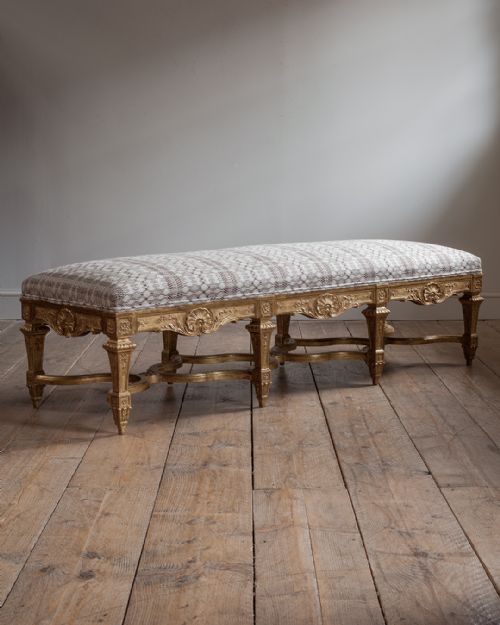
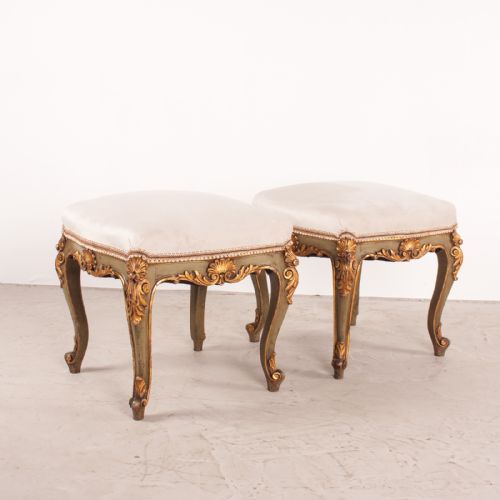
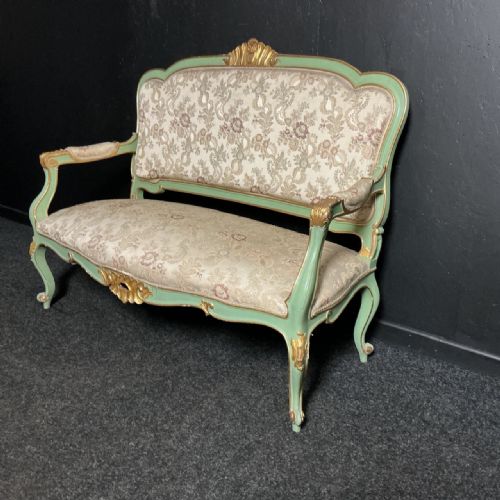
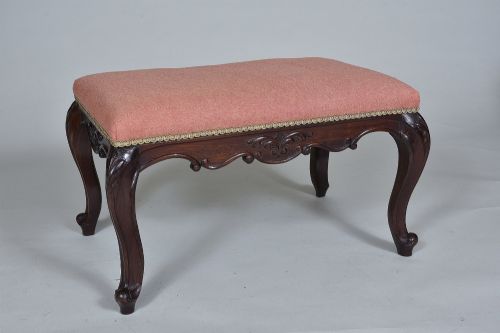
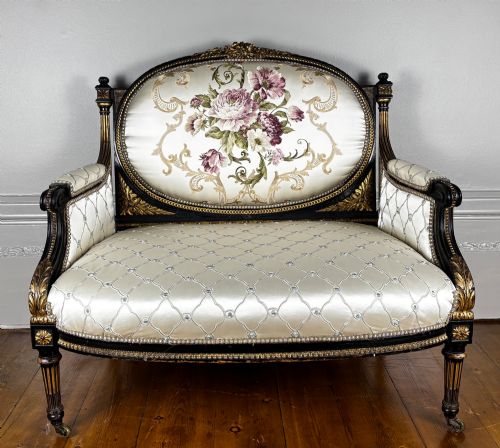
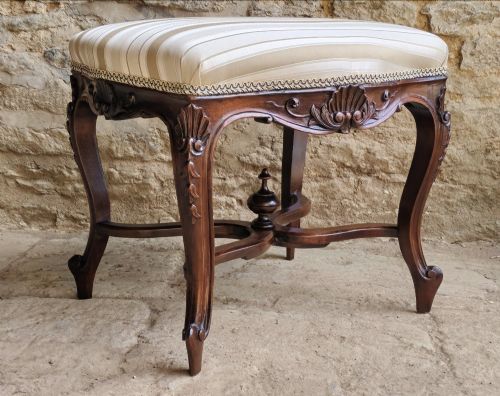
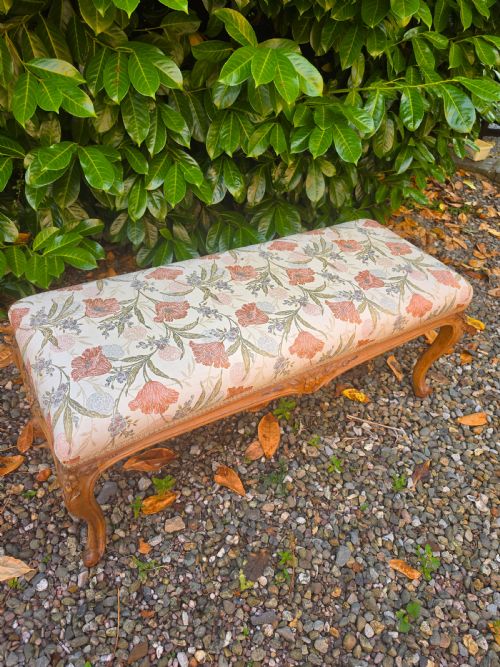
When you search for a french carved bench, you encounter a varied group of seating including stools, window seats, daybeds, settees, and settle forms. The pieces span the eighteenth, nineteenth, and early twentieth centuries, drawing on revival aesthetics such as Louis XV, Louis XVI, and Rococo styles.
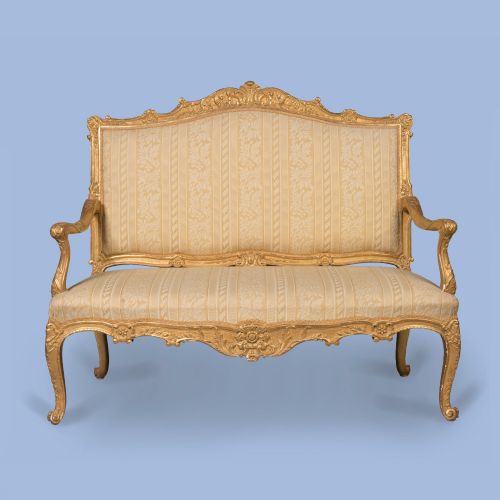
The version most commonly met on this page is the nineteenth century walnut or giltwood stool or settee, often detailed with cabriole legs, cane panels, or carved woodwork. Alongside these standard salon and drawing room forms appear larger hall benches and settle designs in oak or elm.
Makers and workshops produced these forms across diverse European centres, though French design idioms dominate through curved frames, gilt finishes, and floral or scroll carvings. Pieces range from intimate footstools to multi-seater couches and daybeds upholstered in silk, velvet, or original fabric.
How they were made
Cabinetmakers constructed the frames using solid timbers such as walnut, oak, mahogany, and elm, shaping the structural lines through hand carving and joinery. Walnut and oak provided the sturdy skeletons necessary for cabriole legs and deep relief motifs.
Surface decoration frequently involved giltwood, parcel gilt, or painted finishes, applying gold leaf or paint over prepared wooden surfaces to achieve an opulent appearance. Caning was woven directly into open wooden frames for seats and backs, offering a lighter alternative to solid panels.
Upholstery techniques relied on textiles including silk, velvet, and patterned fabrics, secured over padded foundations to create comfortable seats, daybeds, and settees.
Listings feature woods including walnut, mahogany, oak, and elm alongside giltwood and painted finishes across nineteenth-century periods.
What varies in quality
The standard of carving determines much of the distinction between pieces, separating crisp, deep relief work executed by skilled hands from shallow, mechanical shaping. Wood selection also plays a part, with dense, well-figured walnut holding sharp architectural details far better than softer secondary woods.
Frame integrity and proportion dictate how successfully a seat holds its form over generations. Pieces retaining original gilding, uncompromised cane panels, or period upholstery represent a higher tier of preservation compared to those altered or heavily restored over time.
The French Carved Bench Glossary
- Canapé
- An upholstered sofa or settee, typically featuring an exposed carved wooden frame and multiple legs. This form reflects formal French salon seating of the eighteenth and nineteenth centuries.
- Giltwood
- Timber coated with gold leaf or a gold-coloured finish. This material characterises ornate revival furniture designed to catch candlelight and daylight in formal reception rooms.
- Cabriole leg
- A furniture leg that curves outward in a convex arc before tapering inward in a concave sweep, terminating in a foot. The design mimics animal limbs and appears frequently on nineteenth-century walnut stools and settees.
- Settle
- A wooden bench with high back, solid arms, and often a box seat for storage. These pieces originated in domestic halls and monastic interiors for draught protection.
- Bergère
- An enclosed armchair or sofa with upholstered sides and back set within a wooden frame. Cane panels often form the sides, paired with a loose seat cushion.
French Carved Bench: Frequently Asked Questions
What is a french carved bench?
A french carved bench is a historic seating piece featuring ornate woodwork, typically originating from the eighteenth to early twentieth centuries. These items include upholstered settees, window seats, and wooden settles.
They reflect classical French design movements, utilising materials like walnut, giltwood, and cane to combine utility with decorative craftsmanship.
Where should I place a window seat?
A window seat fits naturally beneath low windows, in hallways, or at the foot of a bed. Their modest depth allows them to occupy narrow circulation spaces without blocking pathways.
These pieces provide convenient seating while framing architectural views or filling vacant wall space in bedrooms and reception rooms.
How do I care for antique giltwood?
Giltwood requires gentle dusting with a soft, dry brush to protect the delicate gold leaf application. Avoid liquid cleaners, polishes, and moisture, which can lift or dissolve the metallic surface.
Keep pieces away from direct sunlight and strong heat sources to prevent the underlying gesso and wood from cracking.
How can I tell Louis XV and Louis XVI styles apart?
Louis XV style furniture relies on asymmetrical curves, cabriole legs, and flowing scrollwork without straight lines. The aesthetic feels organic, whimsical, and soft.
Louis XVI style shifts toward neoclassical symmetry, featuring straight fluted legs, geometric shapes, and crisp architectural carvings derived from classical antiquity.