


French Vanity Glass
French antique vanity glass encompasses dressing table mirrors, scent bottles, and trinket boxes crafted across the nineteenth and early twentieth centuries.
French Vanity Glass
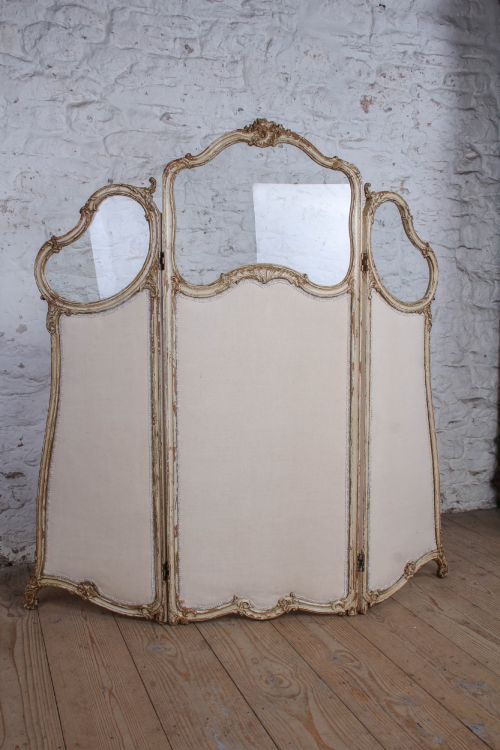
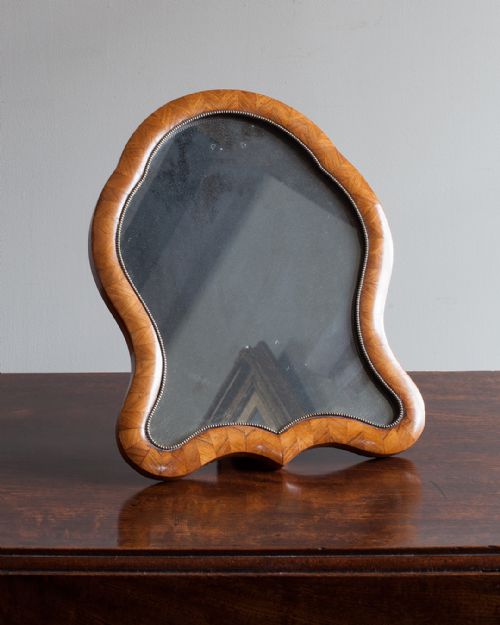
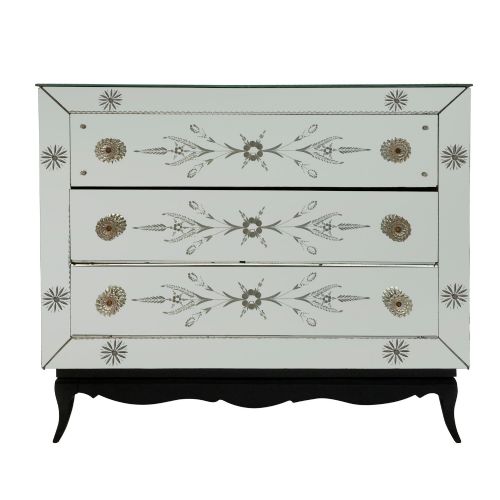
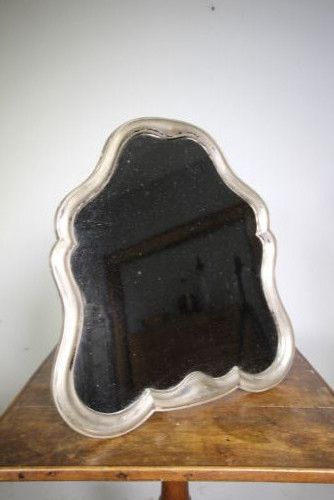
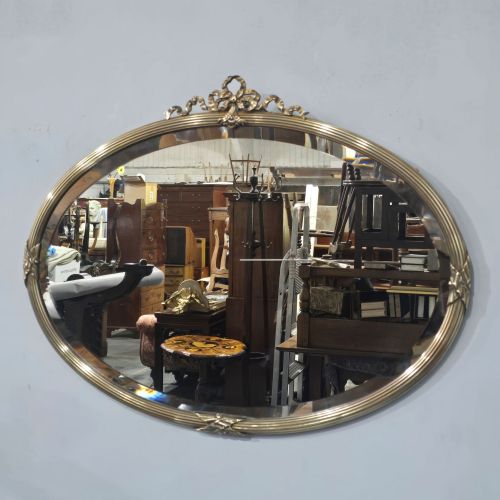
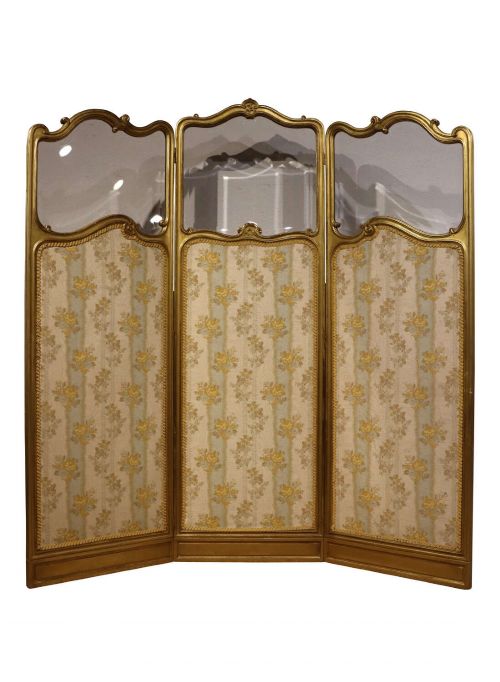
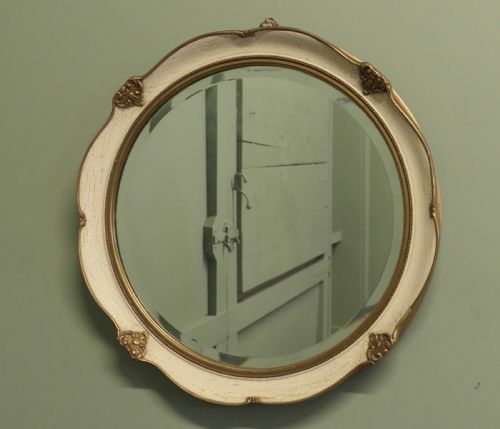
When searching for french antique vanity glass, collectors encounter a diverse array of dressing table accessories and mirrors spanning from the Victorian era through the Art Deco period. The selections primarily feature small table mirrors, wall mirrors, and vanity screens alongside functional desktop items.
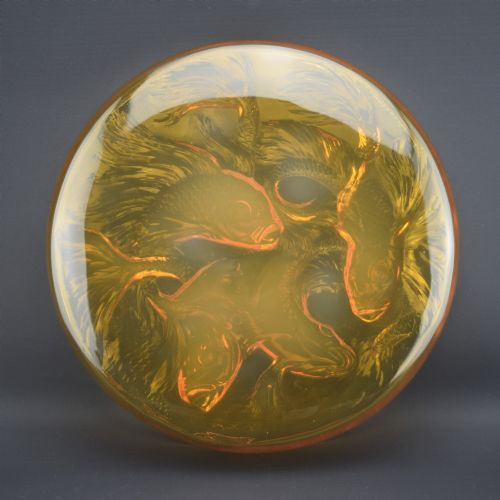
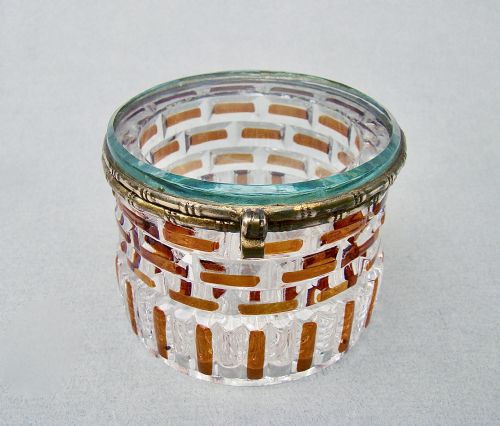
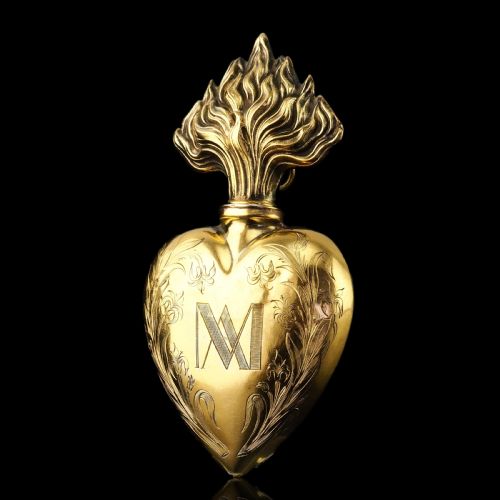
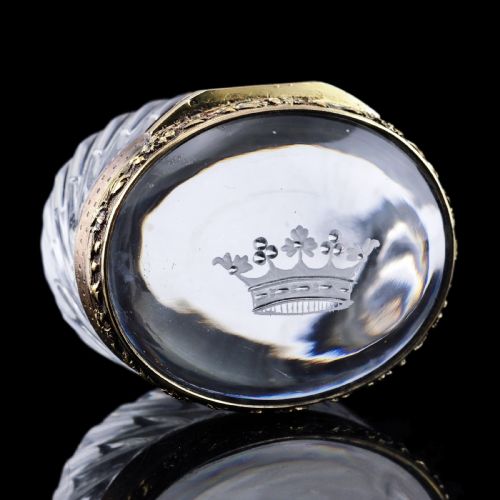
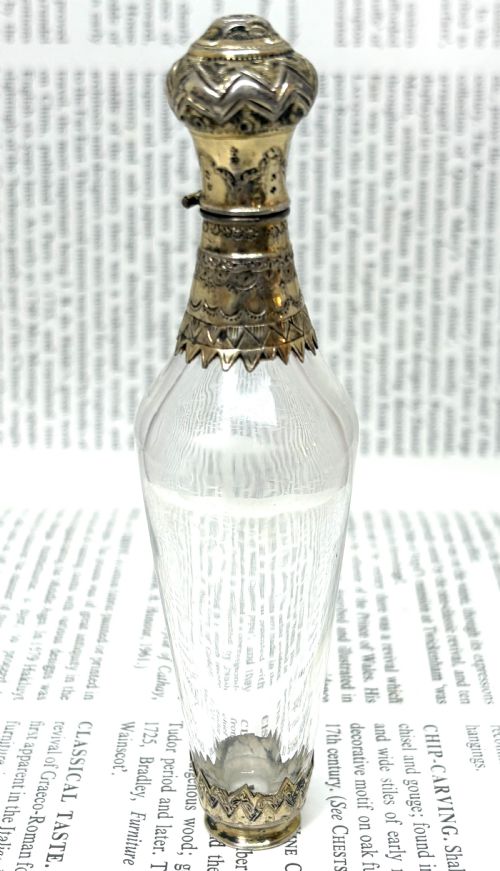
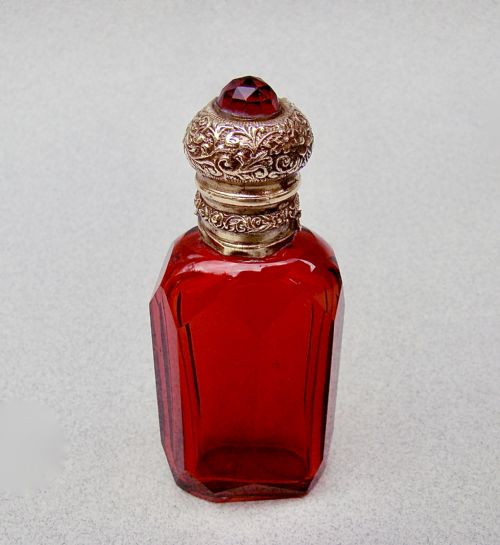
The most common forms on this page include perfume bottles, scent flasks, and powder boxes rendered in coloured or frosted glass. These pieces often incorporate precious metal mounts, enamel decoration, or gilt frames designed to elevate a nineteenth or early twentieth century dressing room.
How they were made
Maker workshops utilised traditional glassblowing, moulding, and pressing techniques to shape crystal, amber, ruby, and cranberry glass into intricate bottles and jars. Frosted and stained surface treatments appeared frequently on twentieth-century modernist works.
Metalwork components relied on cast brass, gilt bronze, or ormolu mounts to secure glass bodies, while mirrors utilised bevelled glass plates set within carved wood, gesso, or giltwood frames.
French Vanity Glass Retail Price Guide 2026
Typical asking prices for french vanity glass among the pieces listed under this phrase on Sellingantiques today, from the lower quarter to the upper quarter. They describe what is for sale here now, not the wider market.
Listings feature items from the 1850s to the 1930s, incorporating brass, gesso, enamel, and gold leaf.
What varies in quality
The standard of execution separates standard production items from masterworks, particularly in the crispness of mould details on moulded scent bottles and the depth of hand-painted enamel or floral decoration.
Materials and mounts dictate overall refinement, where heavy silver gilt, intricate guilloche enamel, and fire-gilt bronze frames demonstrate superior craftsmanship compared to plain brass or simpler wooden surrounds.
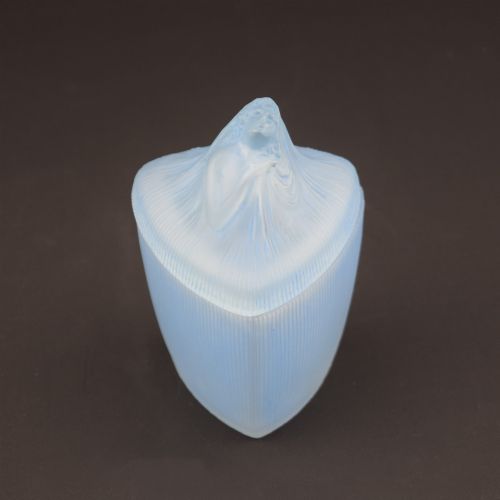
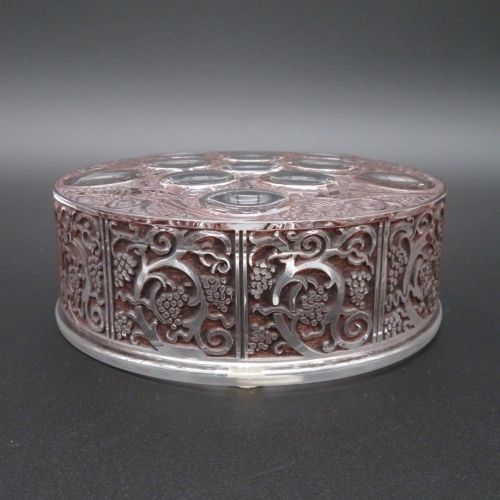
Rene Lalique·Tonnel Paris
The French Vanity Glass Glossary
- Ormolu
- A gold-coloured alloy of copper, zinc, and sometimes tin applied to bronze mounts on decorative objects and glass frames. It provided a rich metallic finish popular in nineteenth-century French pieces.
- Guilloche enamel
- A decorative technique where a precise, repetitive pattern or design is機械 engraved onto a metal surface beneath a translucent enamel layer. This added shimmering depth to vanity boxes and perfume bottles.
- Bavelled glass
- Glass with an edge cut at an angle other than ninety degrees to create a framed, prism-like border. This technique was standard for better quality wall mirrors and table looking glasses.
- Frosted glass
- Glass rendered opaque through acid-etching or sandblasting to create a matte, velvety surface texture. It became a defining characteristic of Art Deco perfume bottles and powder boxes.
French Vanity Glass: Frequently Asked Questions
What periods do these pieces date from?
The inventory spans the nineteenth century through to the Art Deco period of the 1930s. Pieces frequently reflect Victorian tastes alongside French Belle Epoque and 1920s modernist styles.
Dates are determined by stylistic markers, materials, and documented maker periods such as the early twentieth-century outputs of prominent glasshouses.
How were perfume bottles used originally?
Perfume bottles and atomisers held volatile scents on dressing tables and inside travel cases. Many featured fitted stoppers or metal spray mechanisms to control the fragrance.
Wealthy owners displayed these decorated glass vessels alongside matching powder boxes and trinket jars as part of a coordinated dressing table set.
How do I care for antique glass and mirrors?
Maintain glass surfaces using a soft cloth and mild, non-abrasive cleaner applied sparingly. Avoid harsh chemical solutions that might damage surrounding metal mounts or enamel work.
Protect giltwood and silver-gilt frames from excessive moisture and direct sunlight to preserve the patination of the wood and metal over time.
How do I identify Art Deco vanity items?
Art Deco vanity pieces typically feature geometric forms, stylised floral motifs, and frosted or stained glass elements. Makers from the 1920s and 1930s embraced streamlined designs and contrasting colours.
These later works contrast with the ornate curves and floral paintings typical of nineteenth-century French Rococo Revival and Victorian dressing table accessories.