





Cherub Ornate Wall Mirror
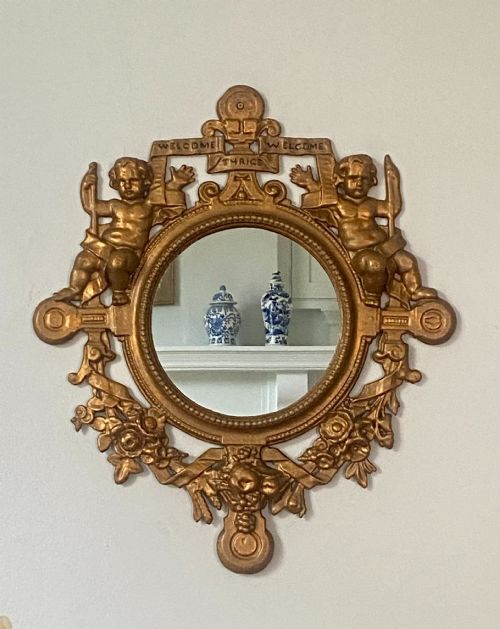
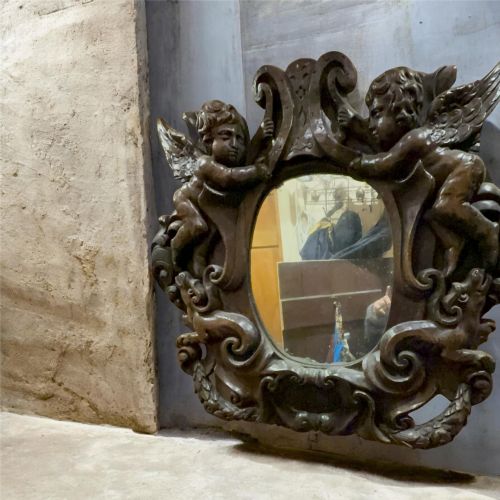
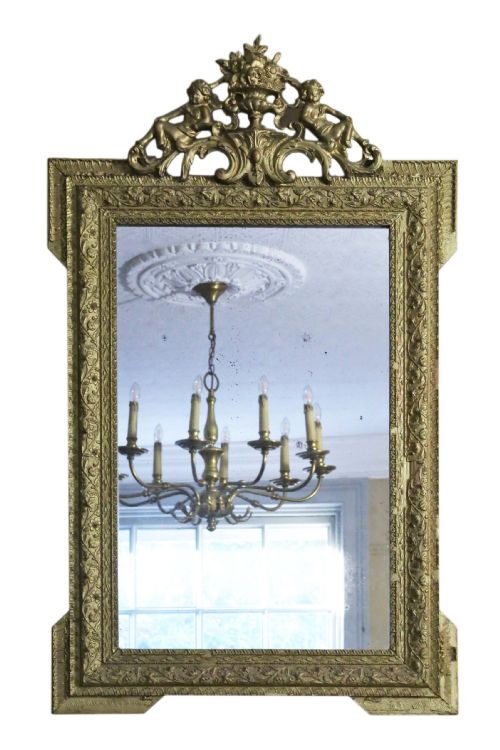
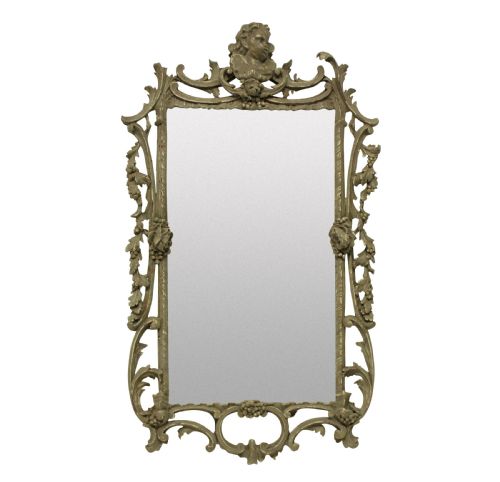
A cherub ornate wall mirror brings sculptural theatre to a room, combining playful putti figures with lavish giltwood, carved oak or cast iron frames.
Cherub Ornate Wall Mirror
A cherub ornate wall mirror merges functional reflection with sculptural ornamentation, frequently taking the form of wall mirrors and grand overmantels. These pieces span periods from the eighteenth century through to the early twentieth century, drawing heavily on revival aesthetics.
The aesthetic leans towards exuberant historical revivals, most notably Rococo Revival, Baroque, and French Rococo Revival styles. Such mirrors serve as dramatic focal points in halls and lounges, utilising carved wooden or cast metal frames to support the central glass plate.
Examples on this page showcase varied regional interpretations, from English oak work to continental gilt gesso and bronze creations. The defining characteristic across the selection is the inclusion of sculpted cherubs integrated into heavily decorated frames.
Materials and construction
Makers shaped frames from native and exotic timbers including carved oak and fruitwood, often applying layers of gesso to build up intricate surface relief. Giltwood and gold leaf finishes provided a brilliant reflective quality that caught candlelight in period interiors.
Alternative materials such as cast iron demonstrate industrial capability applied to domestic ornamentation, while bronze and brass introduced durable metallic modelling. Composition ornament was frequently utilised to mould repetitive scrollwork and cherubic details efficiently.
Cherub Ornate Wall Mirror Retail Price Guide 2026
Typical asking prices for cherub ornate wall mirror among the pieces listed under this phrase on Sellingantiques today, from the lower quarter to the upper quarter. They describe what is for sale here now, not the wider market.
Listings span the eighteenth to the early twentieth centuries, featuring giltwood, carved oak, cast iron and gesso materials.
Judging quality in ornate mirrors
The integrity of the original surface finish, whether parcel gilt, painted, or gold leaf, dictates the visual authority of the piece. Original mirror plates exhibiting genuine oxidation add considerable character compared to modern replacements.
Coalbrookdale·Sir William Trotter
The Cherub Ornate Wall Mirror Glossary
- Giltwood
- Timber coated with fine gold leaf over a prepared gesso ground. This technique creates a warm, lustrous finish characteristic of high-status frames.
- Gesso
- A plaster-like mixture applied to wood frames to create a smooth surface for gilding or deep relief moulding. It allows crisp, intricate scrollwork.
- Overmantel mirror
- A large horizontal mirror designed specifically to hang above a fireplace mantelpiece. These pieces often anchor the decorative scheme of a principal reception room.
- Rococo Revival
- A nineteenth-century design movement mimicking the asymmetrical scrolls, shell motifs and naturalistic curves of the eighteenth century. It provides the primary visual vocabulary for cherub mirrors.
- Composition
- A moulded mixture of whiting, linseed oil, resin and glue pressed into decorative shapes. It offered a cost-effective alternative to deep hand-carving in Victorian production.
Cherub Ornate Wall Mirror: Frequently Asked Questions
How do I hang a heavy gilt mirror?
Heavy frames require substantial fixings screwed directly into masonry or secure wall studs. Professional mirror hangers utilise heavy-duty steel brackets rated to bear the considerable weight of timber and glass.
Position the mirror at a height that reflects eye level or catches natural light from a nearby window. Ensure the hanging wire or rings are inspected for strength before installation.
Are these mirrors original Victorian pieces?
The selection includes genuine nineteenth-century pieces alongside eighteenth-century examples and early twentieth-century revivals. Construction methods, backboards and glass characteristics help determine the exact period.
Examine the joints, fixings and wear patterns on the frame to confirm age. Documentation and stylistic traits align each piece with its respective era.
What is the difference between Rococo and Baroque mirrors?
Baroque frames display heavy, symmetrical grandeur with bold architectural forms, deep carvings and monumental proportions. They project a sense of royal power and solemn theatre.
Rococo mirrors embrace asymmetrical C-scrolls, floral abundance, playful cherubs and lighter, more fluid movement. The mood shifts from formal majesty to theatrical whimsy.