




French Brass Centrepiece
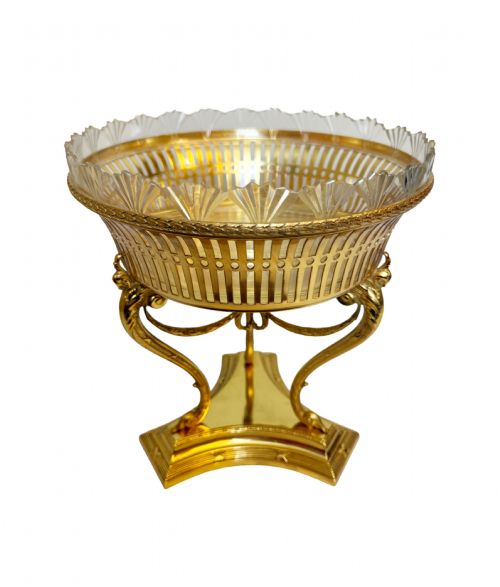
A french antique brass centrepiece anchors a formal table with nineteenth-century metalwork, decorative glass and gilt finishes.
French Brass Centrepiece
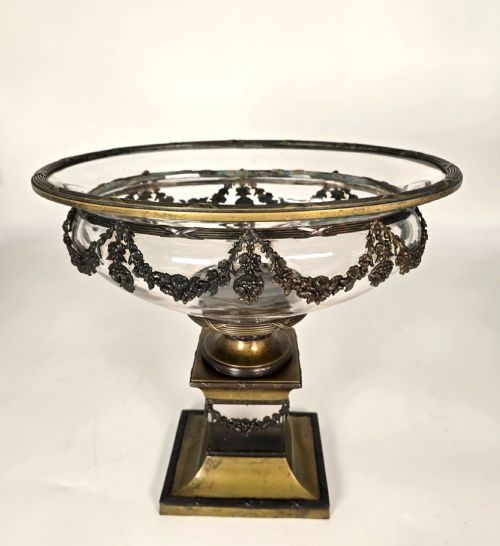
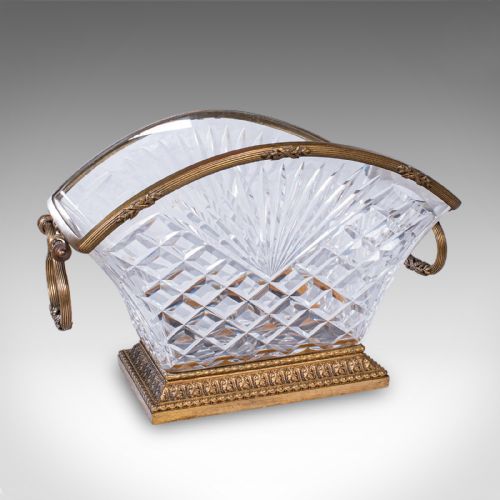
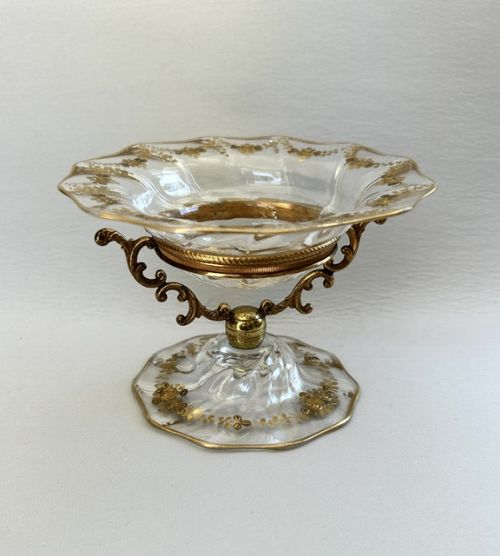
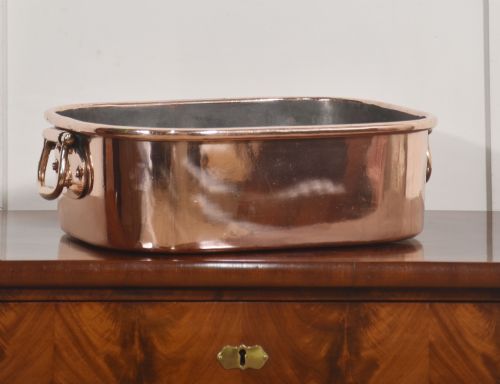
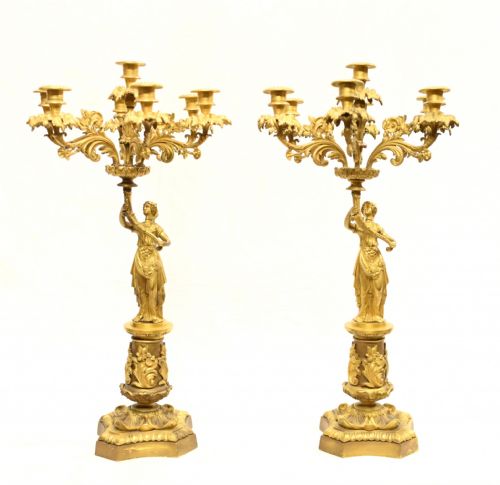
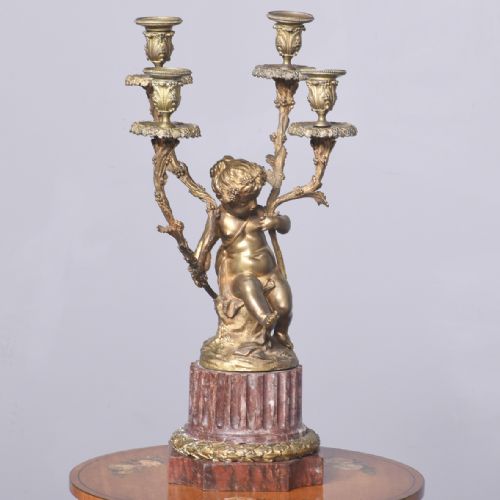
When you search for a french antique brass centrepiece, you encounter nineteenth-century table vessels, tazzas, candelabra and decorative bowls designed for prominent display in dining rooms and salons. These items range from heavy cast brass and copper forms to elaborate gilt bronze and ormolu mounts fitted with cut glass inserts.
The most common versions on this page combine brass or ormolu mounts with glass bowls, crystal drops or porcelain elements, reflecting Victorian tastes and French Empire styles. You will find both single pedestal bowls and matched pairs of candelabra spanning the period from eighteen hundred to the early twentieth century.
Materials and Construction
The construction relies on heavy metal casting, combining brass, bronze and ormolu with hand-cut glass and porcelain. Artisans cast components in sections, using mercury gilt or chemical gilding to achieve the rich ormolu surfaces seen on Empire and Rococo revival pieces.
Glass inserts and crystal drops are heavy and hand-blown or cut, fitted securely into metal collars. Marble bases and Samson porcelain figures frequently integrate into the metalwork, showing the skilled assembly typical of nineteenth-century French workshops.
One substantial brass candelabra weighs five kilograms, proving that nineteenth-century hosts took table stability very seriously indeed.
Judging Quality and Execution
Quality shows in the crispness of the chasing on the brass and ormolu mounts, where sharper, deeper detail distinguishes superior casting from softer, mass-produced alternatives. Heavier gauge metal and precise joints between the metal and glass or porcelain elements indicate better original manufacture.
The integration of materials also dictates standing; pieces that combine heavy gilt bronze with clear cut glass or intact porcelain figures demonstrate greater ambition and skill than simpler brass vessels.
Samson
The French Brass Centrepiece Glossary
- Ormolu
- A gilded bronze technique utilising finely ground gold mercury amalgam applied to a bronze base. This finish produces a warm, deep lustre characteristic of high-status nineteenth-century French metalwork.
- Tazza
- A shallow ornamental bowl or cup raised on a stem and foot. In nineteenth-century tableaus, these were utilised for serving fruit or sweets.
- Candelabra
- Branched candlestick holders designed to hold multiple candles. These often form matching pairs and feature elaborate cast brass, bronze or marble bases.
- Table Lustre
- A candelabra or candle holder hung with cut glass drops or prisms. The glass pendants refract candlelight to enhance the visual effect of the dining table.
- Chasing
- The process of hand-tooling metal surfaces with hammers and punches to refine cast details. Fine chasing separates masterwork bronzes from standard commercial pieces.
French Brass Centrepiece: Frequently Asked Questions
How were these centrepieces used historically?
Historically, they stood in the middle of dining tables during formal meals to hold fruit, sweetmeats or floral arrangements. Paired candelabra were often placed alongside them to provide ambient lighting from burning candles.
In grand salons, identical pieces functioned purely as decorative objects of status, reflecting candlelight off polished mahogany surfaces.
How do I clean an ormolu or brass centrepiece?
Dust gently with a soft, dry brush to prevent dirt accumulation in the recessed chased details of the metal. Avoid harsh commercial metal polishes, which can strip away the original gilding or patination.
Glass inserts can be removed and washed in warm soapy water, provided they are dried thoroughly before being placed back into the metal mounts.
How can I tell Empire style from Rococo Revival?
Empire style pieces, originating from the early nineteenth century, display formal symmetry, classical motifs such as wreaths and paws, and strict geometric proportions. They emphasise military and classical authority.
Rococo Revival pieces, common later in the nineteenth century, feature asymmetric scrolls, naturalistic foliage, C-scrolls and flowing, organic curves reminiscent of eighteenth-century French design.