




French Allegorical Sculpture
French allegorical sculpture embodies classical and romantic personifications through bronze and marble figures, offering collectors distinct narrative depth.
French Allegorical Sculpture
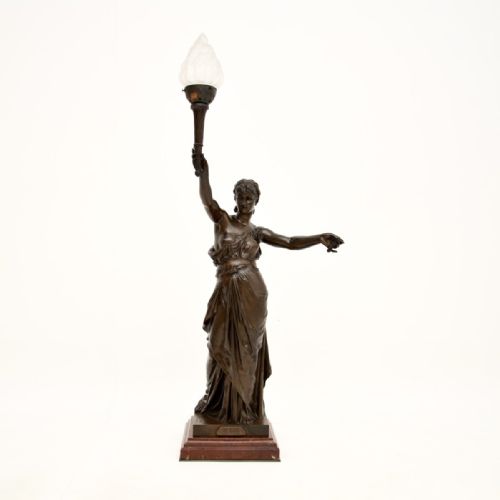
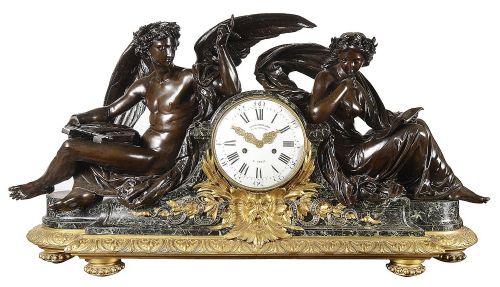
When you search for french allegorical sculpture, you encounter figural works that embody abstract concepts such as peace, labour, science, and the seasons. These pieces typically take the form of freestanding bronze figures, mantel clocks, and table lamps originating from the nineteenth century.
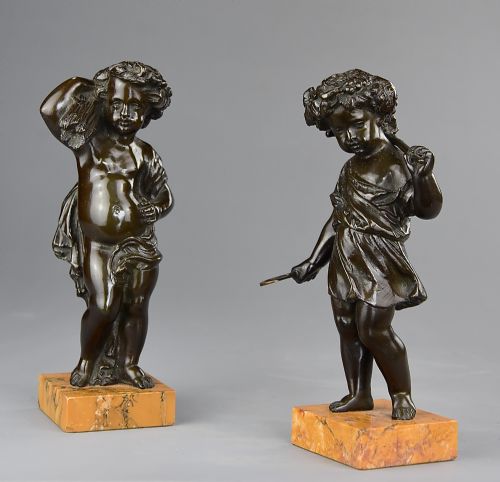
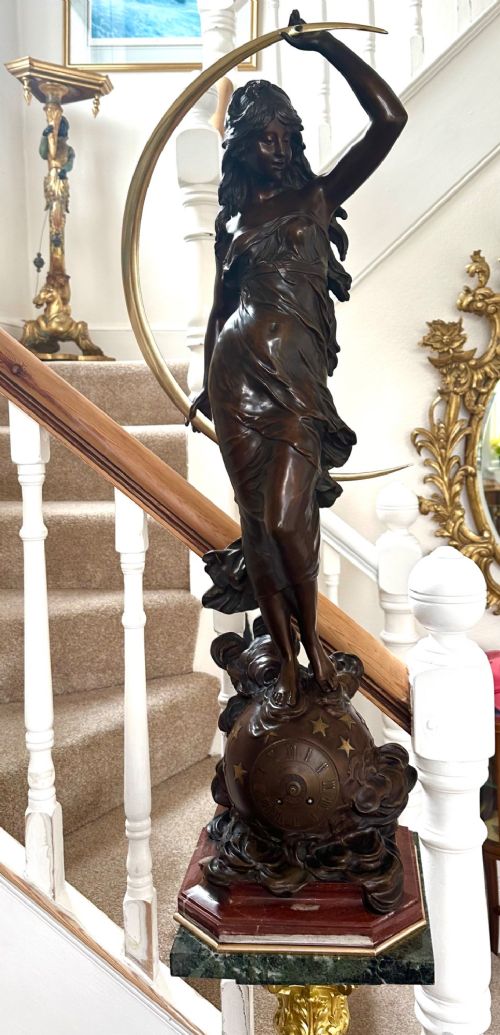
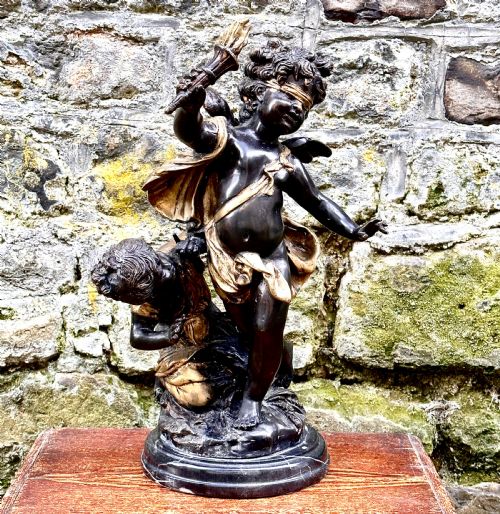
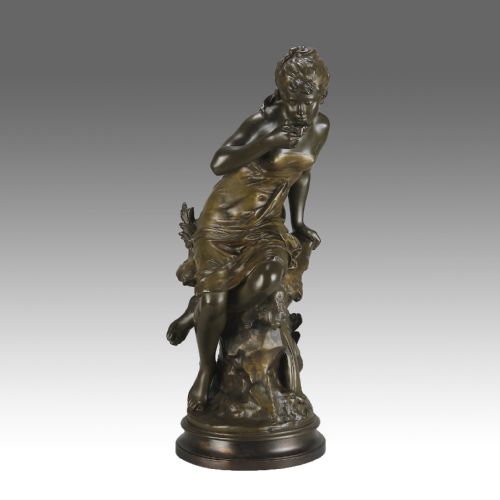
The most common examples on this page are bronze statues and pairs of putti or maidens modelled after classical themes. Makers often rendered figures like Selene, Aurora, and personifications of agriculture and literature within neoclassical and art nouveau styles.
Materials and casting methods
Foundries shaped these works primarily in bronze, alongside alternative metals such as spelter and cast metal, sometimes incorporating marble bases and ormolu mounts. Terracotta also appears in wall reliefs and sculptural forms.
Listings feature works spanning the nineteenth and early twentieth centuries, encompassing neoclassical and art nouveau movements.
Distinctions in quality
The degree of chording, chasing, and surface patination distinguishes standard commercial castings from exceptional foundry output. Fine examples retain crisp definition in hair, drapery, and miniature accessories without softening.
Association with documented sculptors and established founders elevates a piece significantly. Superior proportions, balanced composition, and integrated bases or clock garnitures indicate higher workshop standards.
Claude Michael Clodion·August Moreau·Emile Louis Picault·Mathurin Moreau·Ernst Barrias·Barbedienne·Jean-Jules Cambos·Victor Paillard
The French Allegorical Sculpture Glossary
- Allegory
- The representation of abstract ideas through human figures and symbolic attributes. In these pieces, characters embody virtues, seasons, or scholarly disciplines.
- Spelter
- A zinc alloy commonly utilised as an economical alternative to bronze. It frequently receives a bronze-coloured finish.
- Ormolu
- Gilt bronze applied to decorative hardware and clock mounts. It provides a bright golden lustre through mercury gilding.
- Garniture
- A set of matching ornamental objects designed for display together, such as a mantel clock flanked by matching candelabra or urns.
French Allegorical Sculpture: Frequently Asked Questions
What subjects do these sculptures depict?
These sculptures typically portray classical mythological figures, cherubs, and personifications of virtues, seasons, and academic pursuits.
Common themes include harvest figures, nymphs, and symbolic representations of peace, literature, and science.
How do bronze and spelter differ?
Bronze is a durable copper alloy that takes a rich patina and allows for sharp detail during casting. Spelter is a softer zinc-based metal that is lighter and generally indicates a more accessible commercial piece.
Both materials often received applied surface finishes to mimic aged bronze.
Where were these pieces displayed?
Nineteenth-century interiors featured these works on mantelpieces, pedestals, and tables as decorative art.
Clock garnitures and figural lamps served functional roles while displaying allegorical narratives in public rooms.
How can I identify the period?
Stylistic markers such as art nouveau curves, neoclassical drapery, and nineteenth-century foundry marks help date the work.
Subject matter and the integration of materials like marble and ormolu provide further context for dating.