





Freestanding Wooden Linen Cupboard
A freestanding wooden linen cupboard provides substantial domestic storage with timber construction and panelled doors.
Freestanding Wooden Linen Cupboard
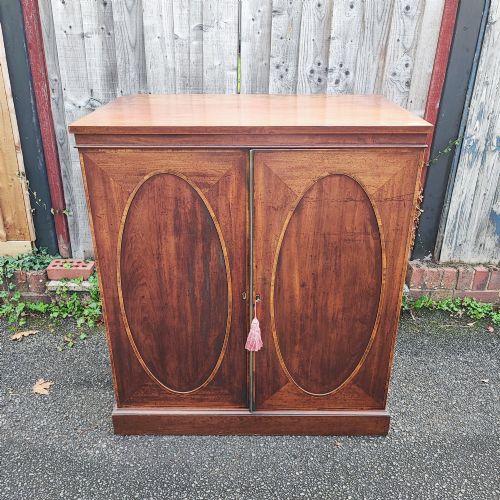
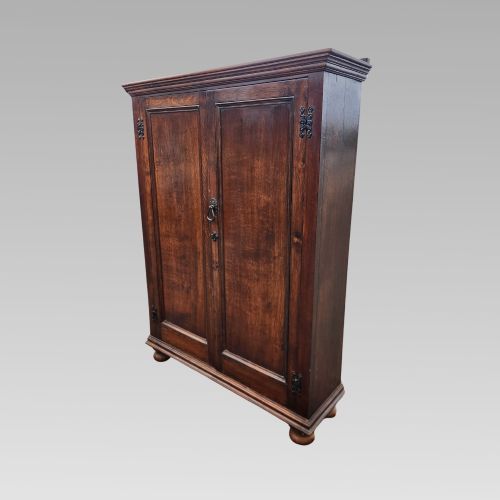
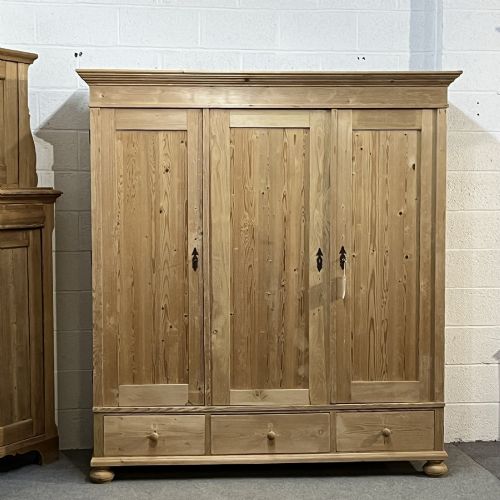
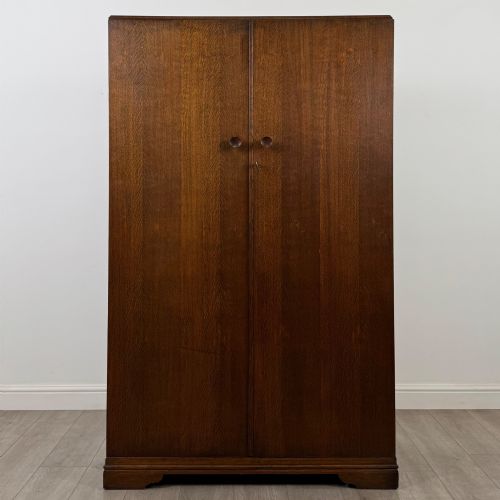
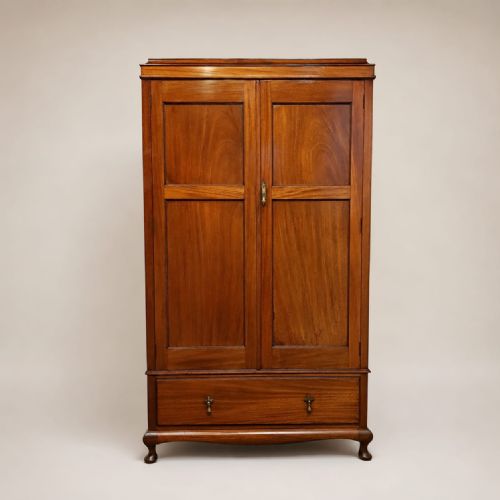
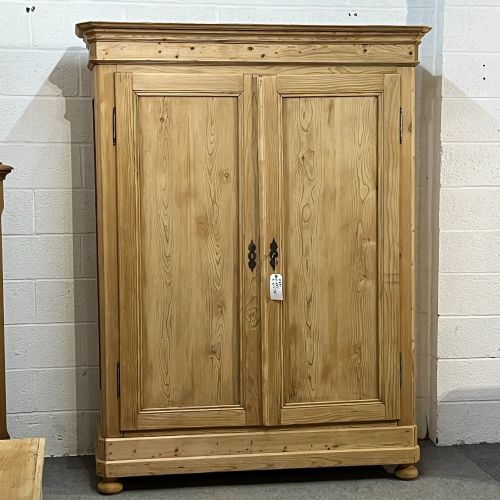
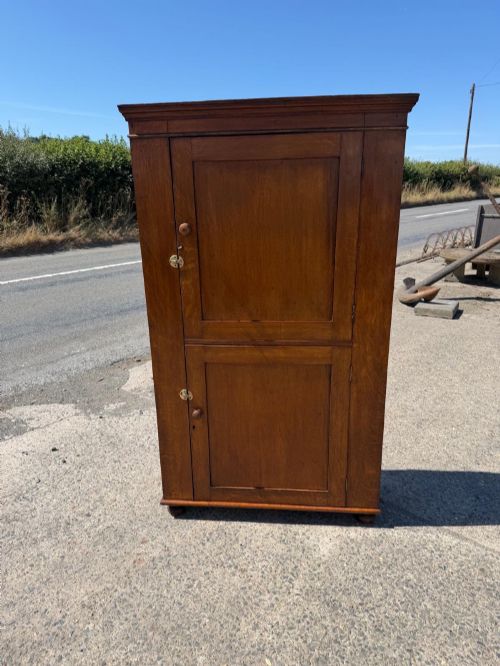
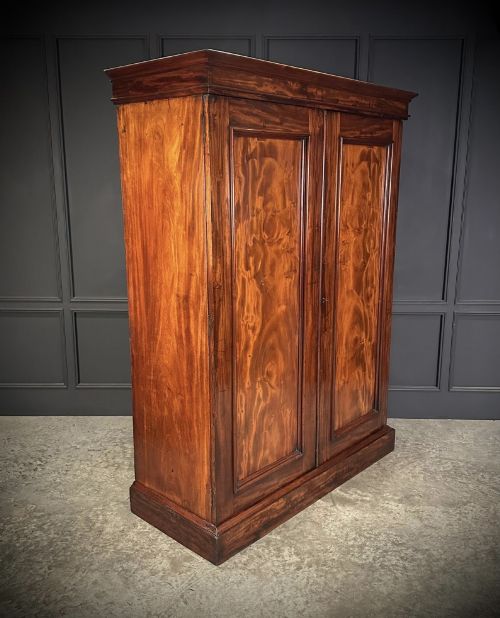
A freestanding wooden linen cupboard provides practical storage for household textiles and garments within domestic interiors. When searching for a freestanding wooden linen cupboard, buyers encounter forms ranging from large wardrobes and housekeepers cupboards to traditional two-door kitchen cupboards. These storage pieces appear across multiple eras, including Georgian, Victorian, Edwardian, and early twentieth-century periods.
The inventory on this page demonstrates broad geographic and stylistic diversity in pine, mahogany, oak, and teak. European examples include English, French, Swedish, and Hungarian designs, alongside rustic pieces originating from India. Buyers regularly select these cabinets to bring character and functional capacity to bedrooms, kitchens, and hallways.
How they were made
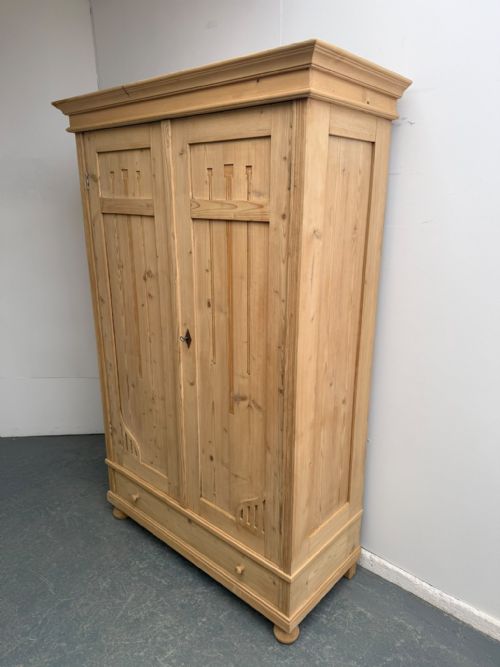
Construction relies heavily on solid timbers such as pine, oak, mahogany, and teak, supplemented by flame mahogany veneers on select examples. Workshops utilised iron and brass for hinges, handles, and structural fittings, while many regional pieces feature historic painted finishes or bare waxed surfaces.
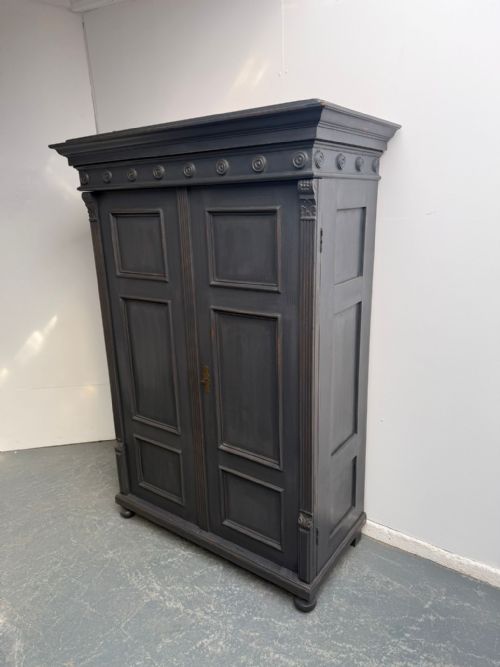
Joinery techniques vary from simple boarded construction on rustic farmhouse pieces to more formal panelled doors and moulded cornices found on Victorian and Edwardian wardrobe variants. Secondary details include bun feet, mirrored door panels, and internal shelving configured for domestic organisation.
Freestanding Wooden Linen Cupboard Retail Price Guide 2026
Typical asking prices for freestanding wooden linen cupboard among the pieces listed under this phrase on Sellingantiques today, from the lower quarter to the upper quarter. They describe what is for sale here now, not the wider market.
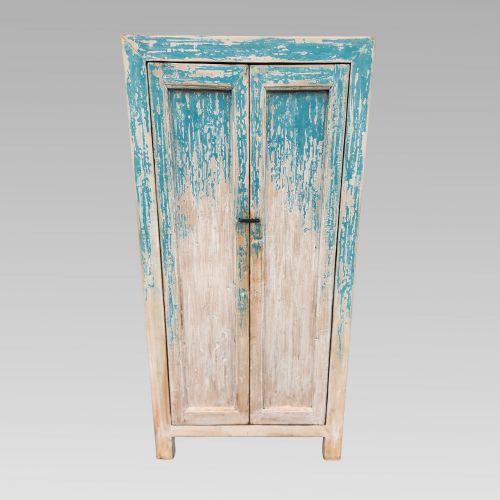
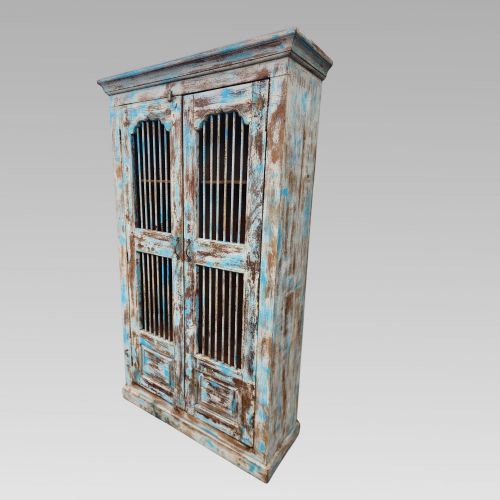
Several cupboards retain their original scullery paint, proving that even a kitchen cabinet deserves a colourful coat.
What varies in quality
Quality in these storage pieces rests upon timber selection and the integrity of the original construction rather than surface ornamentation alone. Superior examples display dense, well-figured woods, stable door alignment, and robust internal carcass framing that withstands decades of daily domestic use.
The distinction between utilitarian country furniture and finer cabinet-making lies in the refinement of the mouldings, the retention of original hardware such as brass or iron locks, and the condition of integrated drawers and shelving units.
The Freestanding Wooden Linen Cupboard Glossary
- Housekeepers cupboard
- A large storage cabinet traditionally used in country houses for linen, provisions, and household stores. These pieces typically feature double doors above or beside internal shelving and drawers.
- Wardrobe
- A tall cupboard designed primarily for hanging garments, often incorporating internal hooks, rails, or sliding shelves. Examples in the current selection range from single-piece pine to mirror-door configurations.
- Flame mahogany veneer
- A thin decorative slice of mahogany timber applied to a core wood to create a distinctive flickering flame pattern. This technique was favoured by cabinet-makers during the nineteenth century.
- Bun foot
- A rounded, flattened ball-shaped foot supporting the base of a cabinet or cupboard. This form is frequently seen on Victorian oak and pine case furniture.
- Pitch pine
- A resinous, durable variety of pine utilised heavily in nineteenth-century joinery for its strength and prominent grain patterns.
Freestanding Wooden Linen Cupboard: Frequently Asked Questions
How do I clean a waxed wooden cupboard?
Maintain waxed pine or mahogany surfaces by applying a traditional beeswax polish with a soft cloth. Buff gently along the direction of the grain to restore the natural sheen.
Avoid using silicone-based commercial sprays or excessive water, as moisture damages traditional wax finishes and softens historic timber.
Can I adjust the shelves inside an old cupboard?
Many older cupboards feature fixed internal shelving built into the original carcass construction during manufacture. Alterations require careful intervention by a skilled carpenter to preserve the structural integrity.
Freestanding versions sometimes utilise removable board shelves resting on wooden fixed battens, allowing for straightforward reconfiguration.
How do I tell Victorian pine from Edwardian pine?
Victorian pine furniture generally exhibits heavier proportions, hand-cut joinery details, and darker waxed patinas accumulated through decades of use. Pitch pine was also widely utilised during this era.
Edwardian pieces often display lighter colouration, simpler linear forms, and machine-finished components reflecting changing domestic tastes at the turn of the twentieth century.
Are these cupboards suitable for small bedrooms?
Freestanding cupboards come in various dimensions, from compact single-door storage cabinets to large multi-piece wardrobes. Measuring both the available floor space and ceiling height ensures the chosen piece fits comfortably.
Consider the door swing clearance and internal depth when planning placement in narrower hallways or restricted bedroom layouts.