
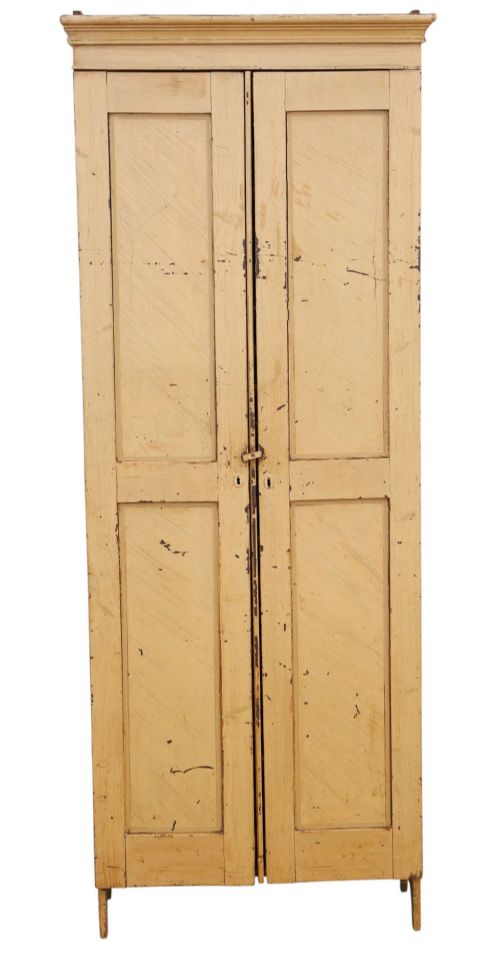
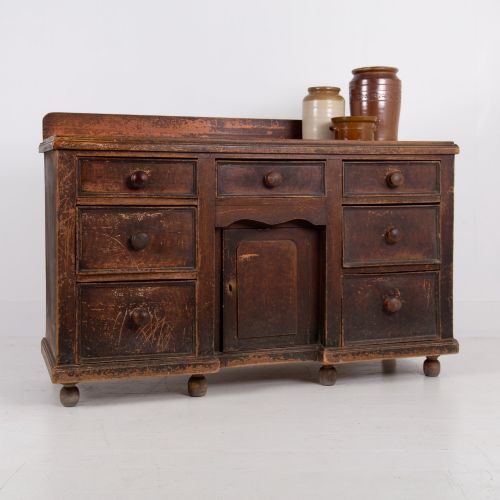
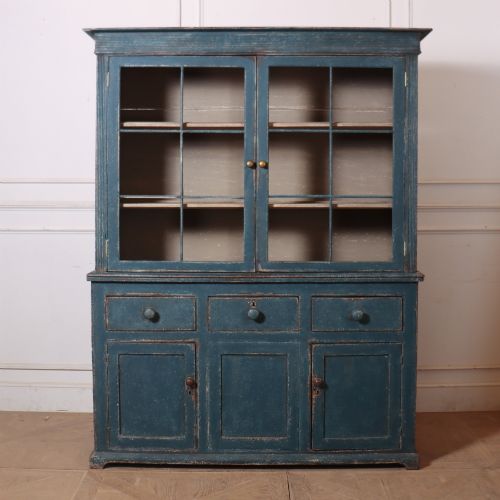
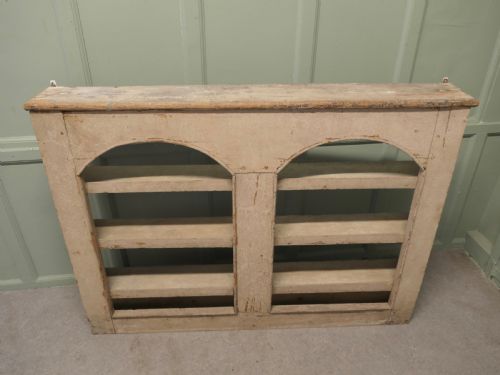
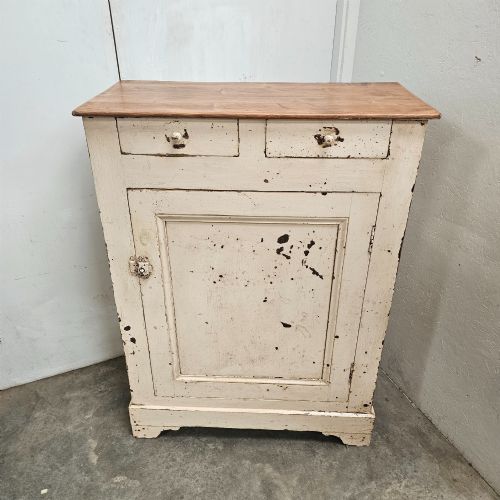
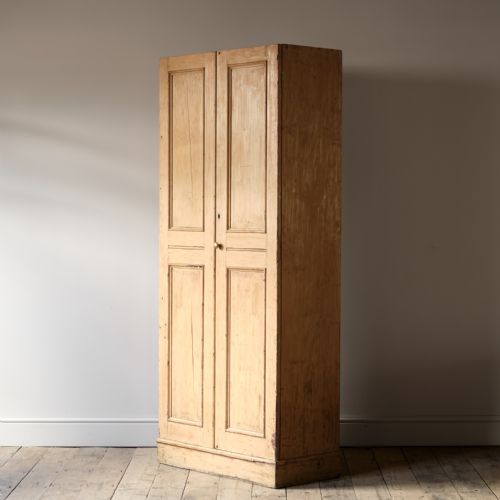
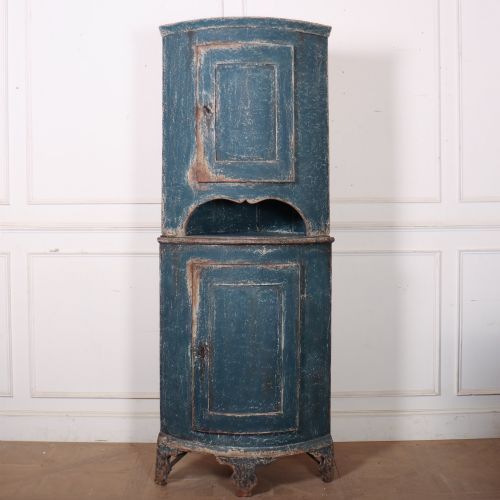
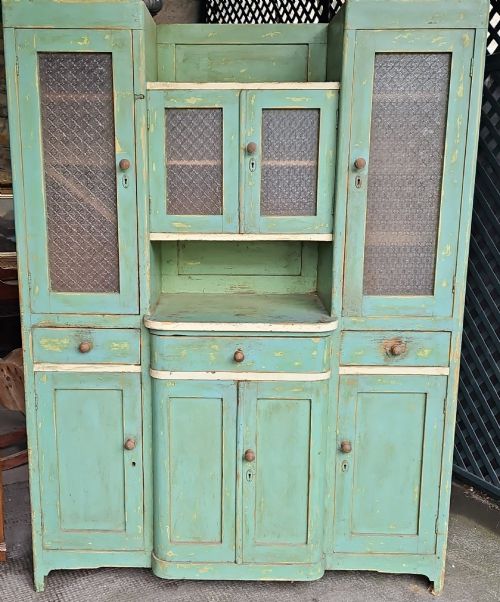
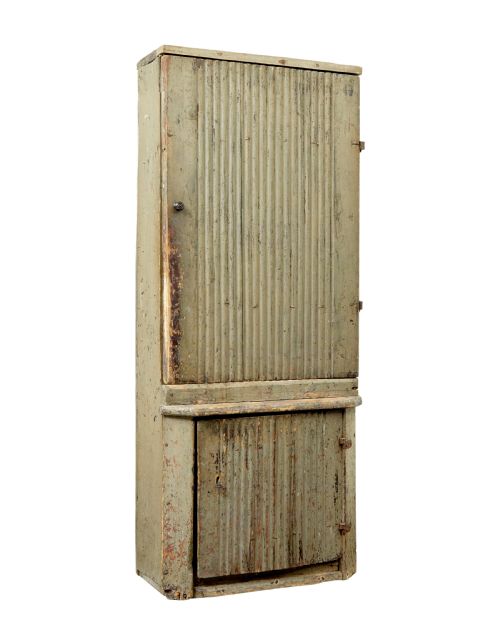


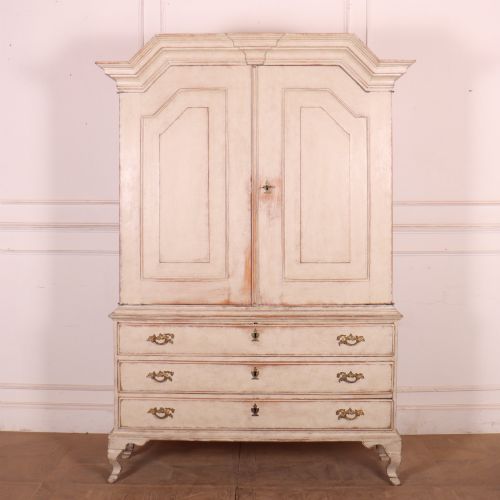


Distressed Painted Pine Cupboard
A distressed painted pine cupboard brings practical country utility and aged surface character directly into a room.
Distressed Painted Pine Cupboard
A distressed painted pine cupboard is a utilitarian storage piece built from soft timber and finished with layers of historic or decorative paint. When searching this phrase, buyers look for functional furniture that carries visible signs of age and wear upon its surface. The selection spans tall housekeepers cupboards, kitchen dressers, narrow alcove units, and bedside cabinets.
Most examples originate from the eighteenth and nineteenth centuries, emerging from regional English, Welsh, French, and Scandinavian traditions. Country workshops produced these sturdy pieces for daily domestic storage, utilising local softwood rather than expensive hardwoods. The styles vary from rustic farmhouse forms to refined Gustavian and French provincial designs.
The finish defines the visual appeal, showing crackled, flaked, or softened paint layers accumulated over decades of use. Buyers encounter everything from grand two-piece dressers and linen cupboards to compact wall-hanging cabinets and bedside pedestals. Each piece reflects the specific regional palette and domestic needs of its original maker.
How they were made
Makers constructed these cupboards primarily from solid pine, utilising panelled doors, pegged joints, and simple shelving to create sturdy frames. Iron and brass hinges, latches, and pulls provided the necessary hardware for daily opening and closing. Some grander regional pieces combined pine structures with oak elements or incorporated glass panes into upper cabinet doors.
The painted finishes relied on traditional oil, milk, or distemper pigments applied over bare timber in domestic or workshop settings. Subsequent layers of paint built up over generations, creating the weathered, distressed textures prized today. Natural wear, scrubbing, and minor shrinkage over centuries completed the physical transformation of the surface.
The listings on this site span the eighteenth, nineteenth, and early twentieth centuries, featuring pine, iron, brass, and glass elements.
What varies in quality
Quality rests in the originality of the paint surface and the structural integrity of the timber frame. Pieces retaining their first or early layered paint hold greater character than those stripped and repainted in modern times. Proportions also matter, separating well-balanced tall cupboards and dressers from clumsy or heavily altered regional builds.
Construction details such as hand-cut dovetails, original backboards, and period ironmongery elevate a piece above standard utility items. The depth of the patina and the natural softening of edges tell a true story of long domestic service. Superior examples combine honest country construction with a harmonious and undisturbed aged aesthetic.
The Distressed Painted Pine Cupboard Glossary
- Housekeeper's cupboard
- A large storage piece traditionally used in grand country houses for linens and dry goods. These tall cupboards feature multiple doors enclosing deep shelving and drawers.
- Confiturier
- A small French cupboard originally designed to store pots of confit meat or fruit. These compact pieces typically sit at a convenient height for bedside or side table use.
- Gustavian
- The Swedish interpretation of French neoclassical design, characterised by pale painted finishes and restrained carved details. This style brings a lighter aesthetic to traditional pine furniture.
- Dresser base
- The lower section of a kitchen dresser, often fitted with drawers and cupboards beneath a sturdy work surface. These low boards served for food preparation and general storage.
- Polychrome
- Decoration utilising multiple colours on a single painted surface. This technique appears on decorative Hungarian and continental storage pieces.
Distressed Painted Pine Cupboard: Frequently Asked Questions
Where were these cupboards made?
These cupboards originated across various European regions, including England, Wales, France, Sweden, Austria, and Hungary. Local cabinetmakers built them for everyday use in farmhouses, country homes, and provincial kitchens.
Regional differences appear in the proportions, door configurations, and the specific tones of the painted finishes. Scandinavian and French examples often display lighter palettes, while English and Hungarian pieces lean towards richer or darker hues.
How do I tell original paint from modern paint?
Original or early paint surfaces exhibit a dry, chalky texture with natural craquelure, fading, and subtle variations from wear over time. Modern reproductions or over-painted surfaces often feel uniform, too smooth, or artificially distressed.
Examining the edges, corners, and areas around handles reveals how the paint layers accumulated and wore down naturally. Genuine age shows gradual softening rather than uniform sanding or heavy scraping.
How do I clean and maintain a painted pine surface?
Maintenance requires gentle dusting with a soft, dry cloth to protect the delicate and aged paint layers from moisture and abrasion. Avoid modern chemical cleaners, harsh detergents, or abrasive pads that can strip historic pigments.
Applying a microcrystalline wax can help stabilise vulnerable painted surfaces if recommended by a professional restorer. Keeping the cupboard away from direct sunlight and extreme humidity prevents further timber movement.
How were these cupboards used historically?
Households utilised these cupboards for storing household linens, blankets, dry foods, tableware, and kitchen provisions. Taller units kept linens clean and dry in large country houses, while smaller cabinets served bedrooms and living spaces.
Kitchen dressers held everyday crockery on open shelves while concealing pots and dry goods behind lower doors. Their robust construction ensured they could withstand heavy daily domestic service.