
Freestanding Wooden Hat Rack
A freestanding wooden hat rack organises hallway clutter with purposeful upright design, bringing period craftsmanship directly into daily entranceways.
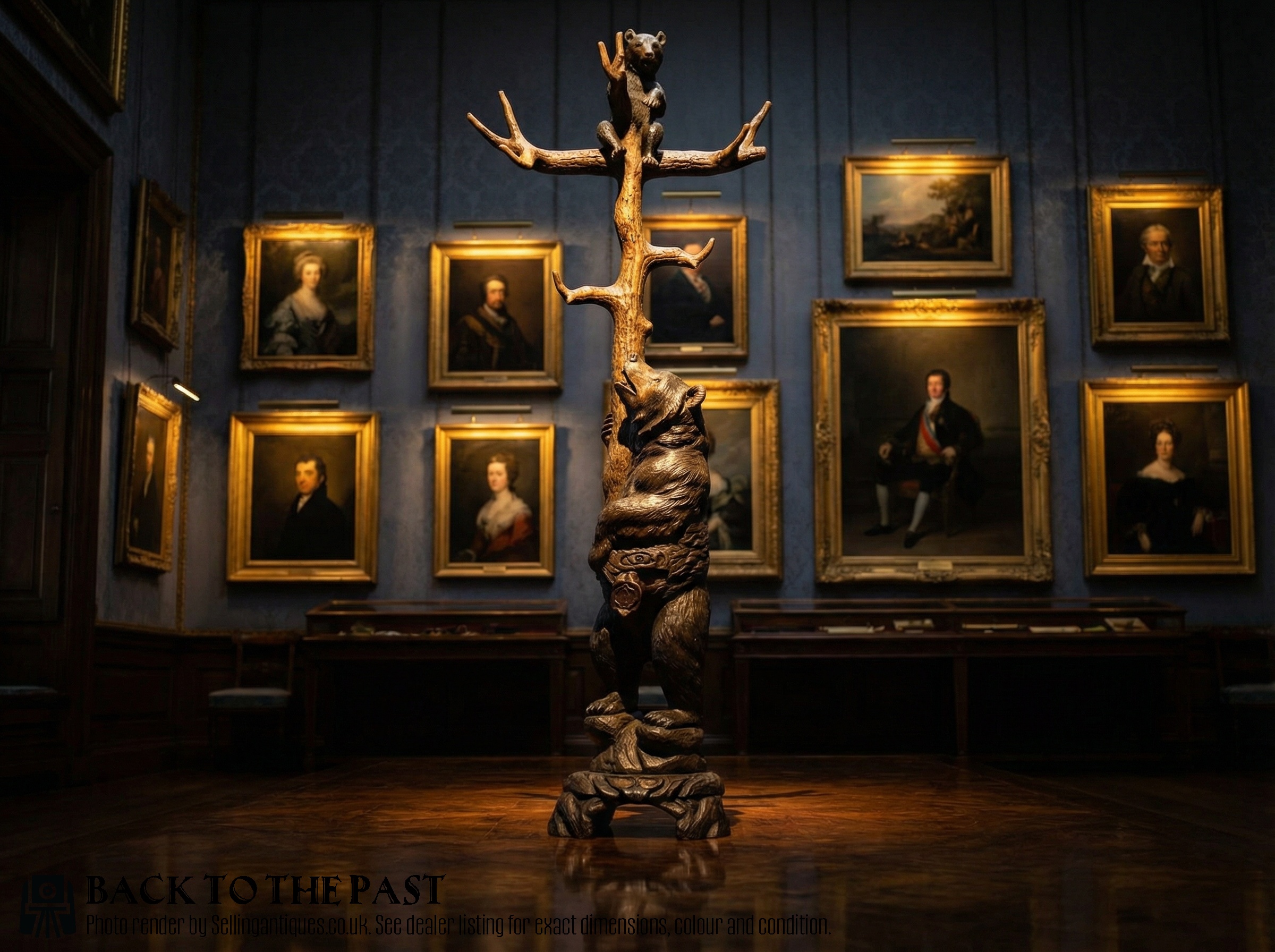
Freestanding Wooden Hat Rack
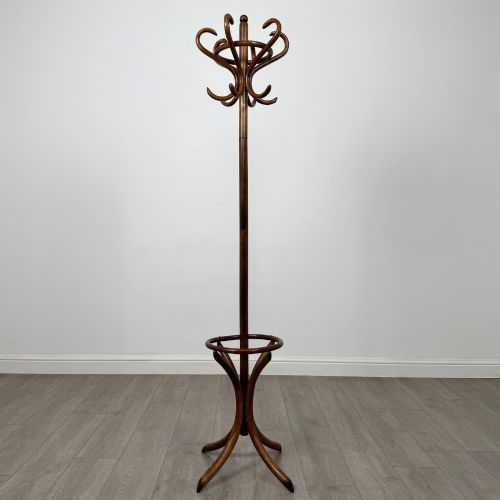
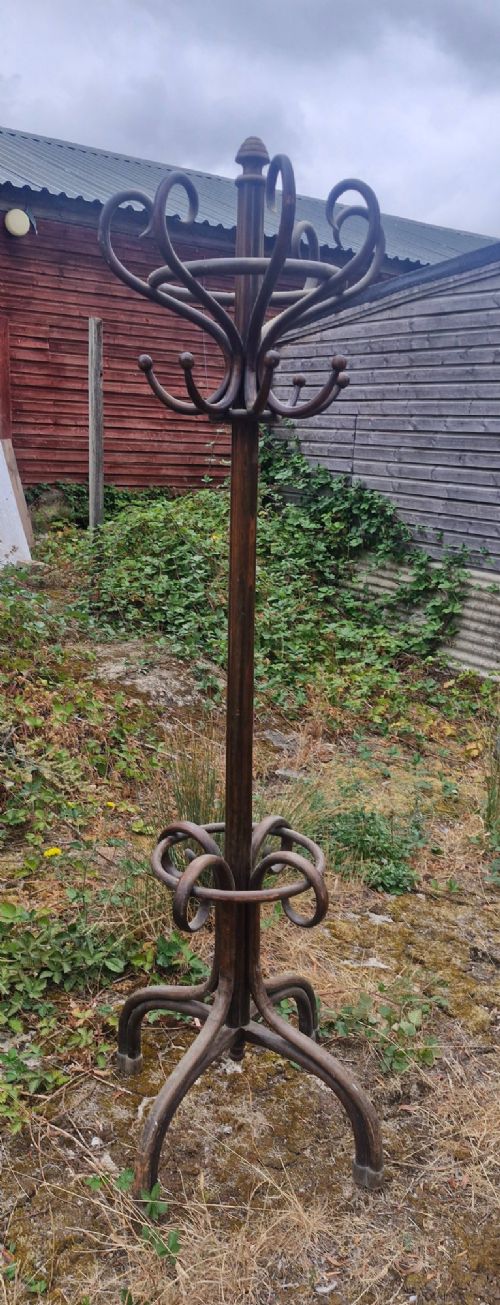
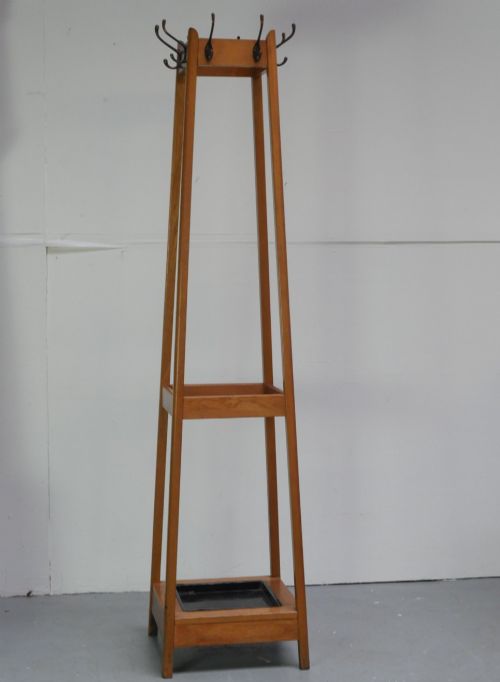
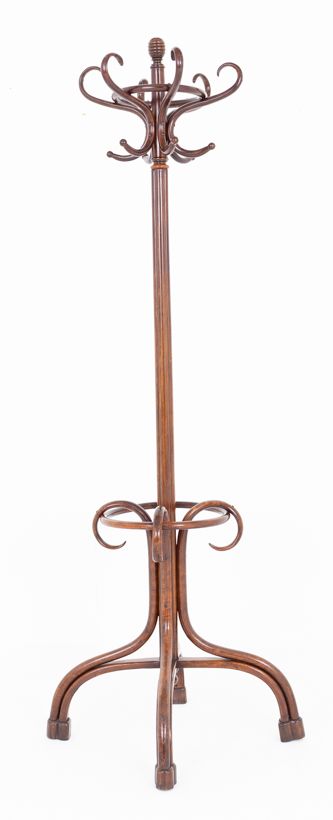
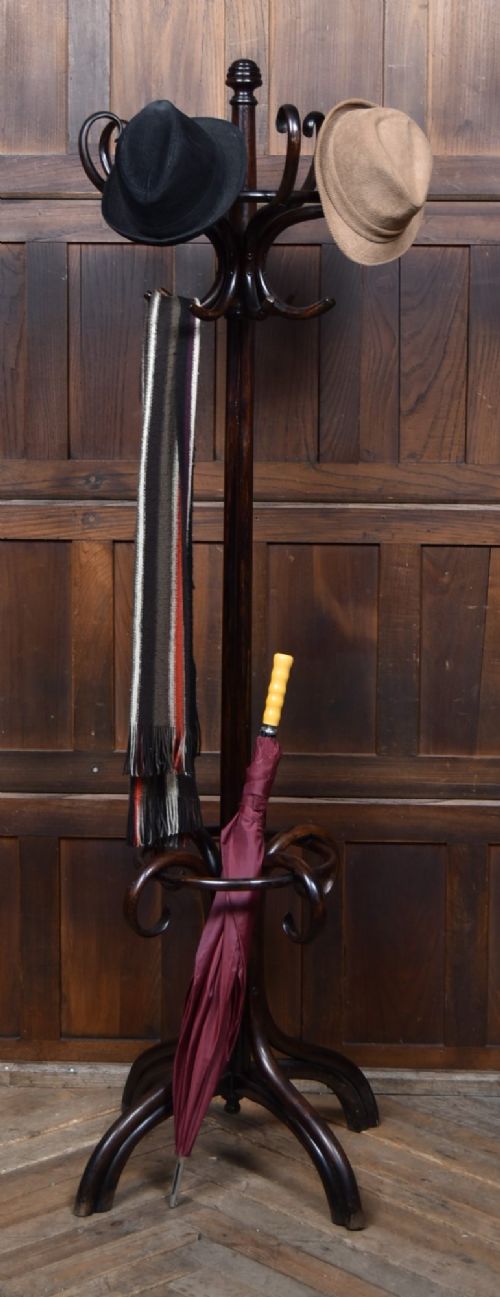
A freestanding wooden hat rack serves as a practical hallway fixture designed to suspend hats, coats, and umbrellas within easy reach. The pieces appearing most frequently on this page belong to the bentwood tradition, alongside solid oak examples from the Victorian, Edwardian, and early twentieth-century periods.
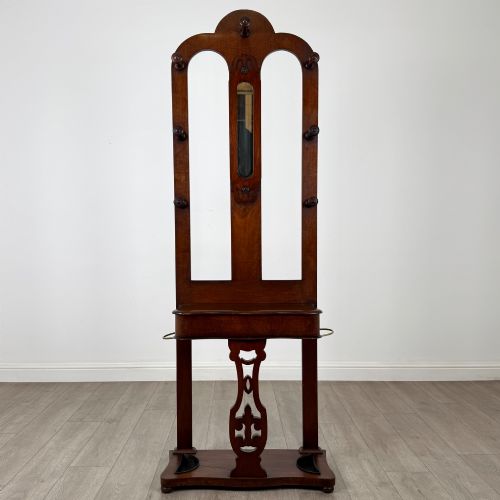
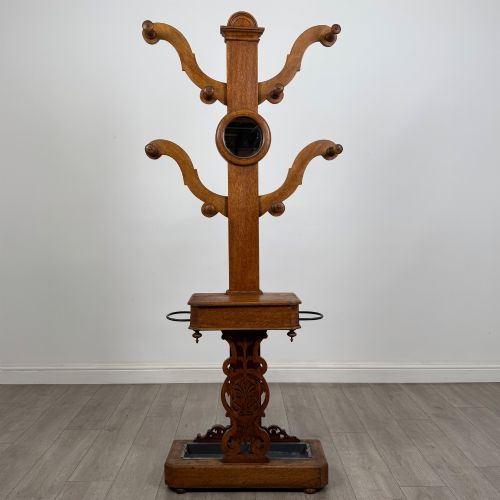
Makers utilised various configurations, ranging from revolving top sections to designs incorporating umbrella holders and drip trays. Forms span from simple turned wooden poles to elaborate hall trees featuring integrated mirrors and storage compartments.
Origins include English workshops, French ateliers, and Austrian manufacturers, reflecting diverse regional tastes in domestic furniture. Buyers encounter everything from light beech creations to heavy mahogany and walnut constructions intended for substantial daily service.
How they were made
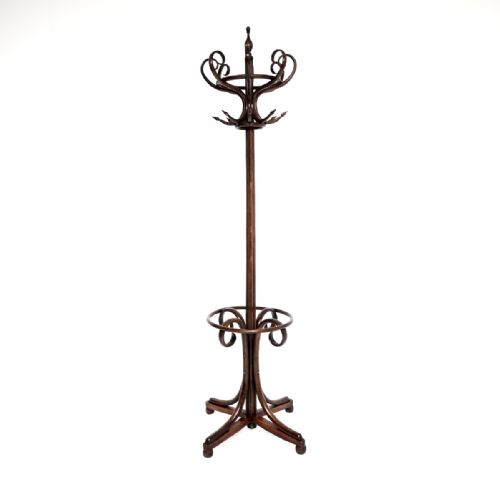
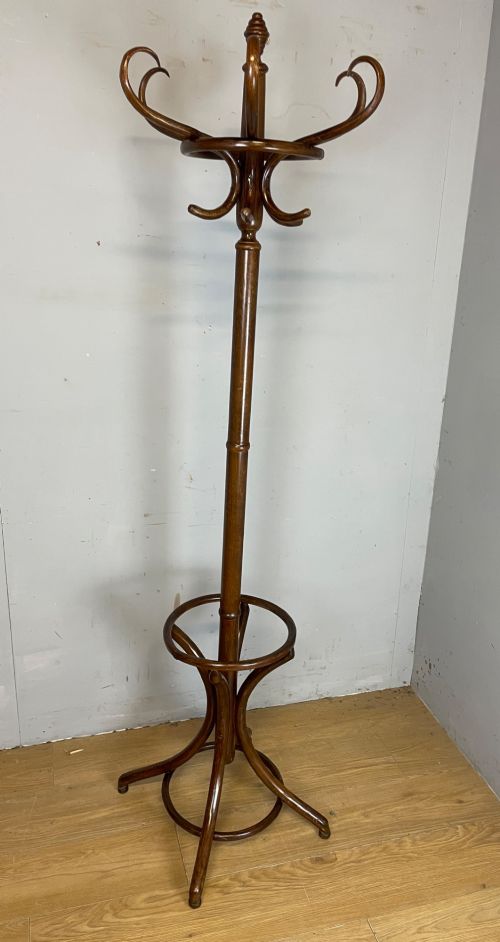
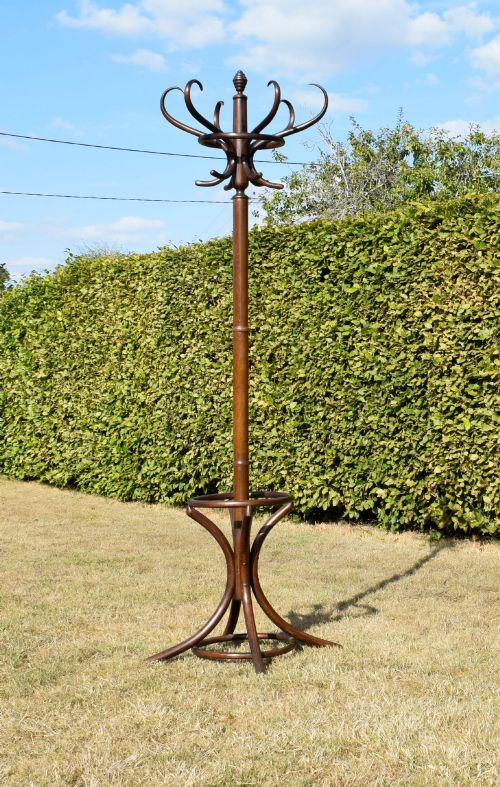
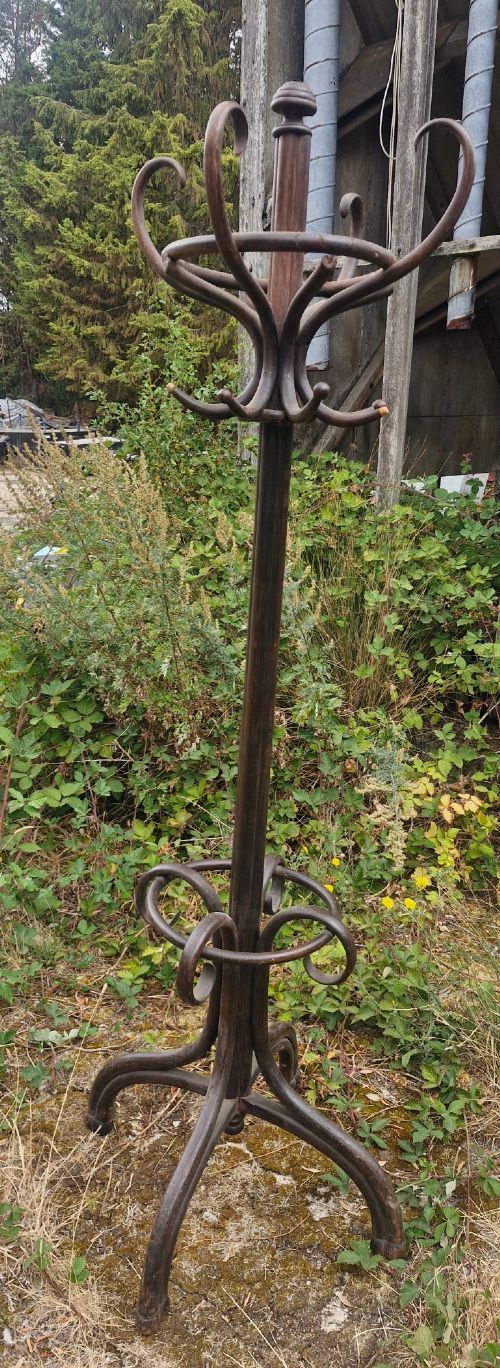
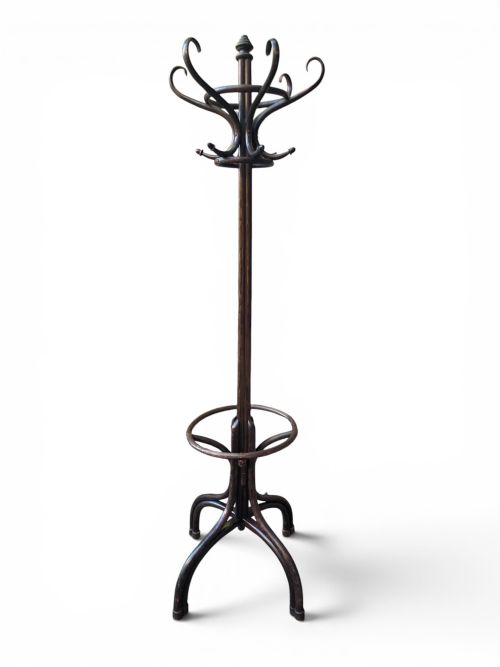
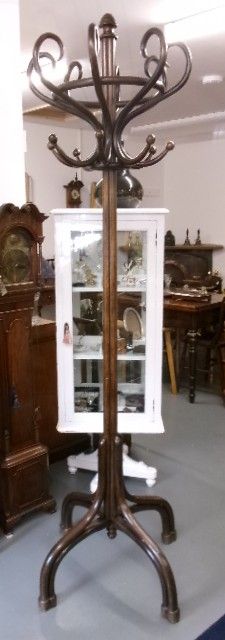
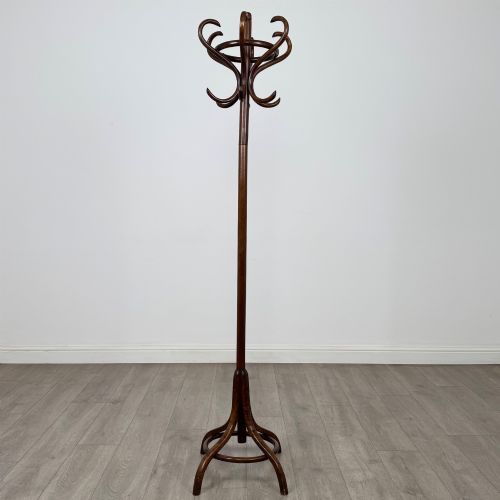
Makers shaped beech and beechwood through steam-bending techniques to create the characteristic curved components seen in bentwood designs. This method allowed craftsmen to form robust loops and hooks without relying on complex joinery.
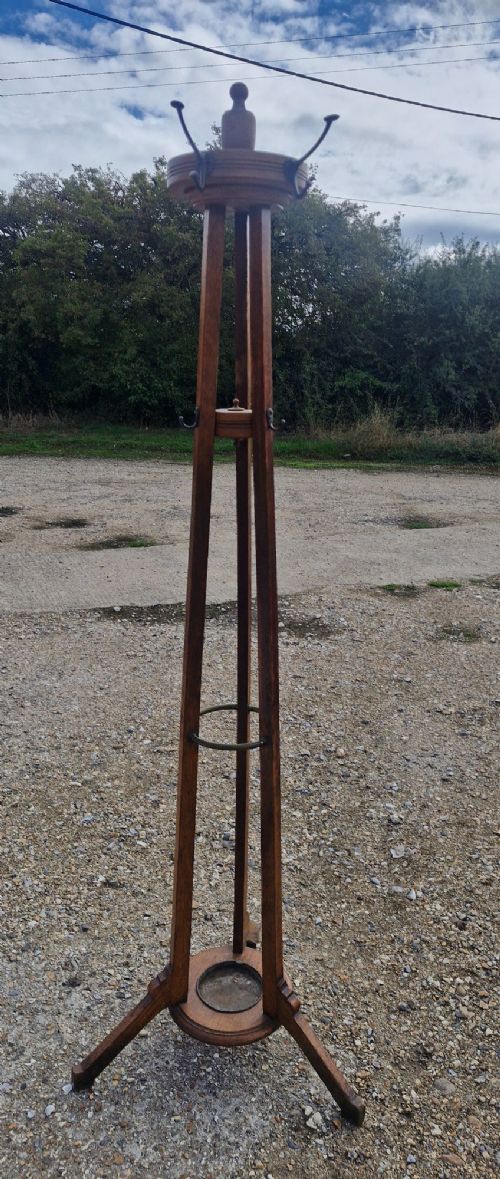
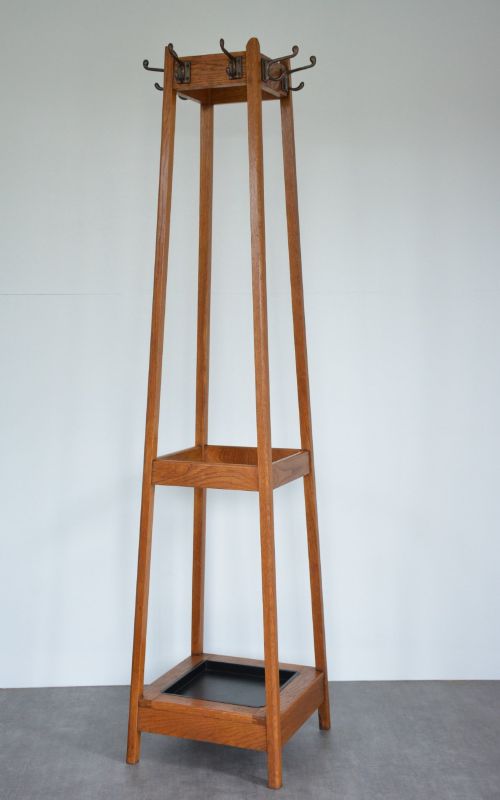
Solid hardwoods such as oak, mahogany, and walnut formed the basis of Arts and Crafts and Victorian hall stands. Workshops joined these structural timbers using traditional mortise and tenon joints, often incorporating brass hooks and cast iron drip trays for added utility.
Object descriptions encompass freestanding coat stands, revolving hall trees, umbrella holders with drip trays, and wall-standing designs.
What varies in quality
The distinction between standard utility items and superior examples lies in the weight of the timber and the rigidity of the upright structure. Heavier gauges of bentwood resist the twisting forces exerted by wet winter coats and heavy headwear.
Finishing details separate simpler pieces from distinguished productions, particularly the quality of the turning, the integration of solid brass hardware, and the stability of the weighted base. Superior joinery ensures the frame remains plumb under uneven loads.
Thonet·Astrola·Jas Shoolbred·GW Evans
The Freestanding Wooden Hat Rack Glossary
- Bentwood
- Wood softened by steam and bent into curved shapes. This technique defines lightweight yet strong frames produced in large numbers during the nineteenth and twentieth centuries.
- Hall tree
- A multipurpose hallway furniture piece combining a hat rack, coat hooks, and often an umbrella stand or mirror. These items served as central entranceway storage before built-in closets became standard.
- Demi lune
- A half-moon shape used for console tables or wall-abutting hall stands. This profile allowed furniture to sit flush against hallway walls while occupying minimal floor space.
- Revolving top
- A rotating upper section on a hat rack that provides access to multiple hooks from a single position. Such mechanisms required precise pivot engineering to function smoothly under weight.
Freestanding Wooden Hat Rack: Frequently Asked Questions
How do I keep a bentwood hat rack stable?
Place heavier coats and items on the lower or opposing hooks to maintain an even centre of gravity. Ensuring the central fixing bolt remains tight prevents the upright pole from leaning.
Position the stand on flat flooring rather than thick carpets where possible. Distributing weight symmetrically stops the frame from developing a permanent tilt over time.
Are these suitable for narrow hallways?
Many upright designs possess a small footprint that fits comfortably into compact entrance spaces. Circular bentwood models and demi lune hall stands sit close to walls without blocking walkways.
Consider the reach of the upper hooks and any attached umbrella holders before placement. Slender poles require minimal clearance compared to wide cabinet-style hall trees.
How do I identify a Thonet bentwood stand?
Look for stamped manufacturer marks, paper labels, or characteristic curved joints associated with the Austrian firm. Thonet pieces often display refined steam-bent loops and balanced proportions.
Imitation pieces in the Thonet style appeared widely across Europe during the Edwardian period. Examining the assembly method and timber quality helps distinguish original workshop output from later copies.
Can these hold heavy winter coats?
Sturdy oak and heavy bentwood examples handle dense winter outerwear easily when balanced correctly. The structural integrity depends on the strength of the original wooden hooks and the central column.
Lighter antique pieces benefit from distributing heavy garments across multiple hooks. Avoid overloading a single side to protect the wooden joints from strain.