




Rustic Carved Coat Stand
A rustic carved coat stand brings character and woodland wildlife into an entrance hall through masterly timber and horn work.
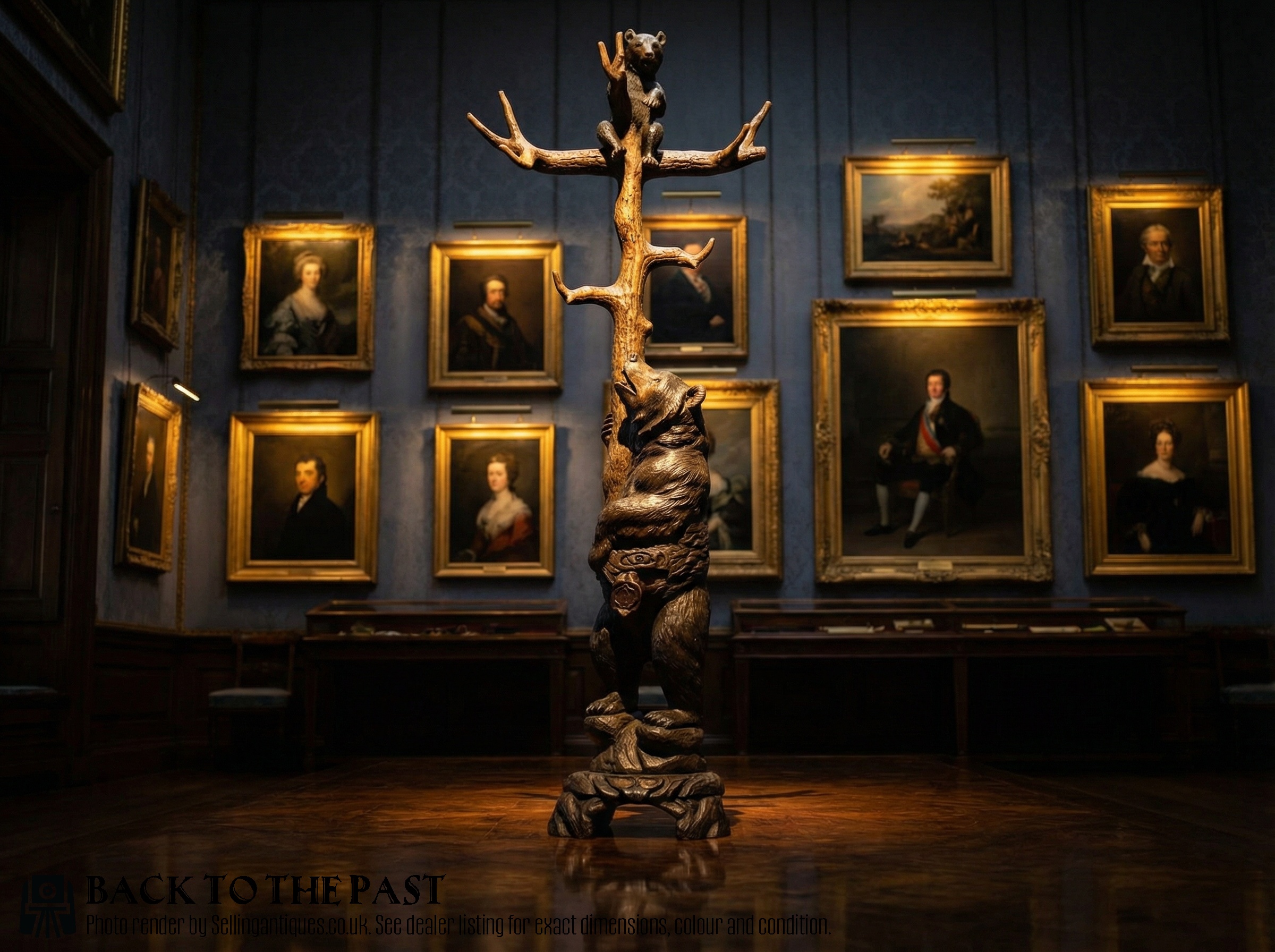
Rustic Carved Coat Stand
A rustic carved coat stand serves as a striking hallway furnishing designed to hold hats, coats, and walking sticks. When searching for a rustic carved coat stand, buyers encounter substantial hall furniture primarily rooted in the nineteenth century.
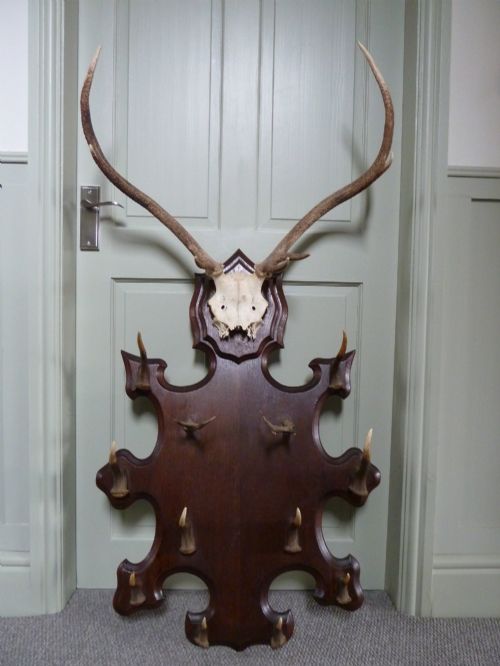
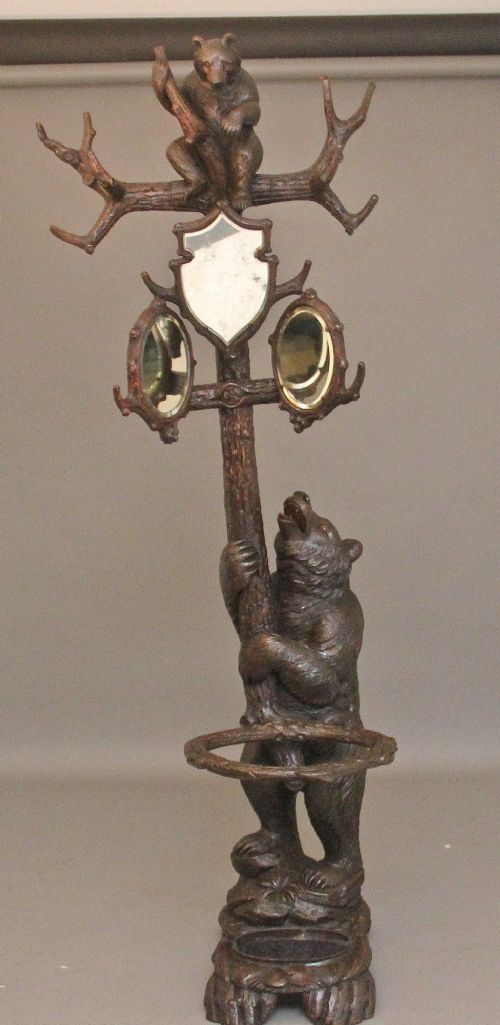
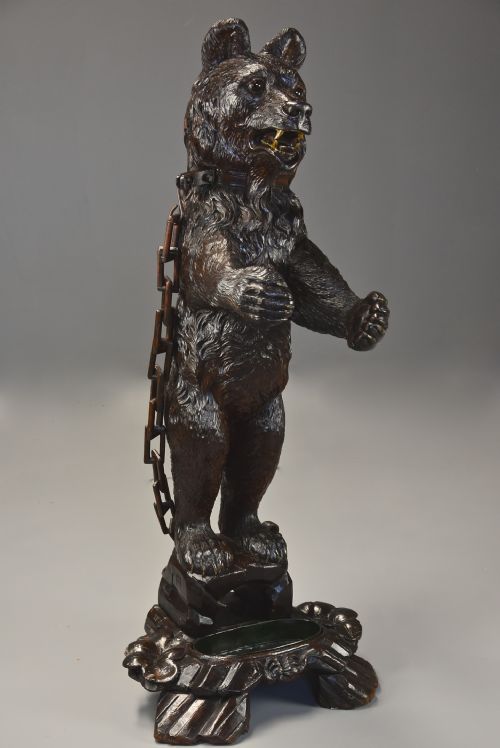
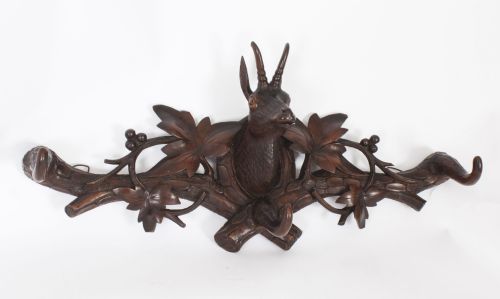
The selections on this page showcase distinct Victorian country house pieces alongside Swiss or South German Black Forest animal carvings. These functional sculptures feature bears, foxes, chamois goats, and deer antlers combined with sturdy woods.
Makers designed these items to dominate a hallway, offering practical hanging space combined with sculptural animal forms. Most examples date from the late nineteenth century, reflecting a strong Victorian taste for naturalism and alpine craftsmanship.
How they were made
Craftsmen utilised seasoned timber such as linden wood, oak, and walnut to carve realistic animal figures and structural backboards. Linden wood provided a soft, responsive medium for intricate fur detailing and facial expressions on bear and fox sculptures.
Makers integrated natural elements, mounting genuine stag horn, deer antlers, bone, and horn directly into the wooden frames to serve as coat hooks. Glass inserts frequently formed the lifelike eyes of the carved animals, adding intensity to the expressions.
A carved bear gazes across the hallway with glass eyes while holding your heaviest winter coat on real antlers.
What varies in quality
Anatomical proportion and depth of carving separate exceptional sculptural pieces from simpler regional items. The finest works display meticulous attention to muscle structure, fur texture, and realistic glass eyes that bring the animals to life.
The integration of natural materials dictates the visual balance of the piece, where well-matched antlers and horns complement the central carving rather than overwhelming it. Superior examples maintain structural integrity across complex projections while preserving the crispness of the original chisel work.
The Rustic Carved Coat Stand Glossary
- Black Forest
- A style of wood carving originating from the alpine regions of Switzerland and Germany, renowned for depicting bears and woodland fauna. Pieces in this tradition often serve utilitarian functions in domestic interiors.
- Hall stand
- A piece of entrance furniture incorporating hooks, a mirror or backboard, and occasionally a tray for umbrella and stick storage. These items organise outerwear in traditional hallways.
- Linden wood
- A pale, fine-grained timber favoured by carvers for its even texture and lack of pronounced grain, allowing for minute detail. It is the primary wood found in many alpine animal sculptures.
- Stag horn
- Antler material utilised to form naturalistic hooks and structural branches on rustic hall stands. This organic medium provides both strength and authentic woodland aesthetics.
Rustic Carved Coat Stand: Frequently Asked Questions
Where should a hall stand go?
These pieces belong in an entrance hall or boot room where their practical hooks and umbrella trays serve daily comings and goings.
Position them against a sturdy wall with sufficient clearance to showcase the sculptural animal carvings and natural horn elements.
How do I care for carved wood?
Dust the intricate carvings gently with a soft brush to prevent dirt accumulation in the recessed fur and grain details.
Keep the timber away from direct heat sources and dramatic humidity shifts to preserve the integrity of the wood and glass eyes.
What periods do these pieces span?
The available selection concentrates heavily on the nineteenth century, particularly the decades surrounding eighteen ninety.
Victorian country house tastes and alpine workshops drove the creation of these animal-themed hall furnishings during this era.
What animals appear on the stands?
Carvers frequently depicted bears, foxes, chamois goats, and eagles as the central figures of these entrance furnishings.
These creatures were paired with genuine deer antlers and horn to complete the immersive woodland aesthetic.