

Carved Wooden Coat Rack
A carved wooden coat rack brings practical utility and tactile depth to an entrance, turning an everyday domestic item into an architectural feature.
Carved Wooden Coat Rack
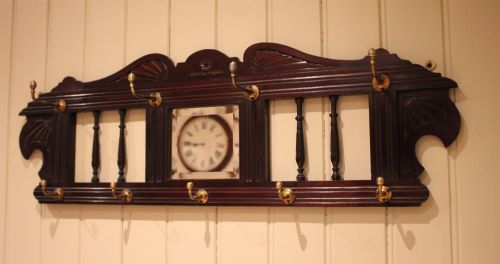
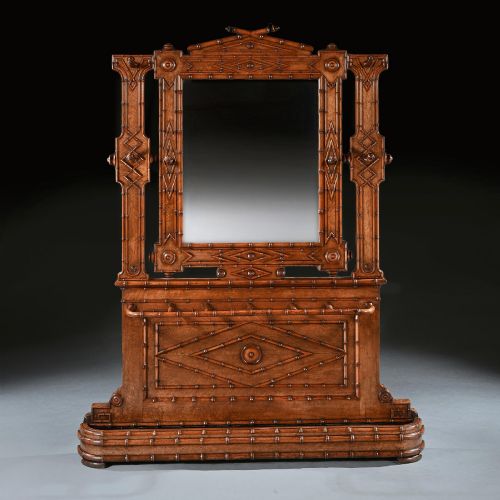
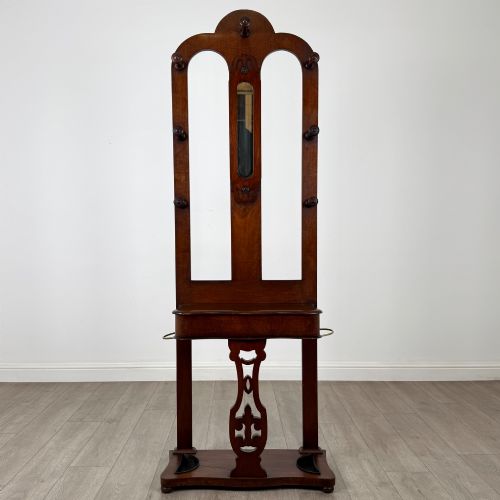
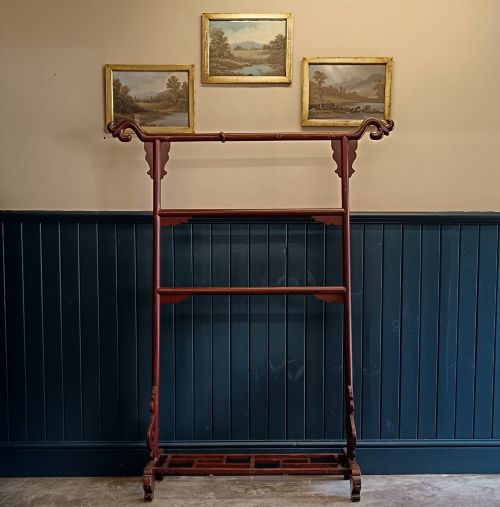
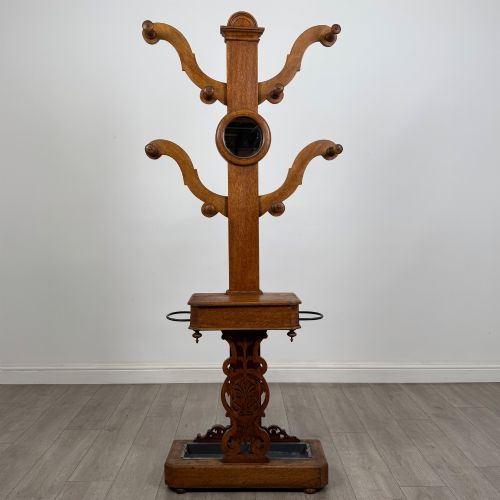
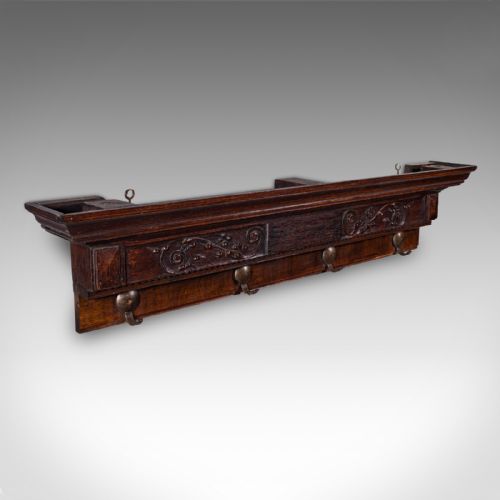
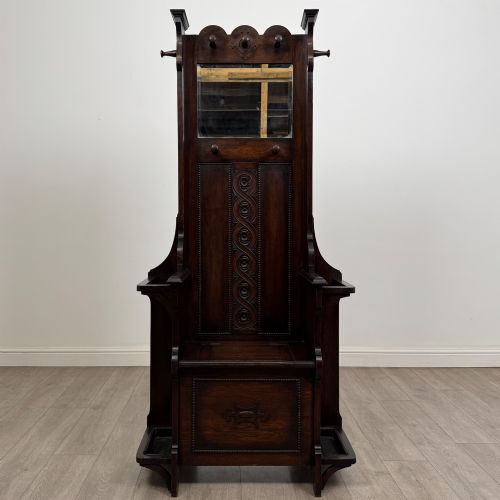
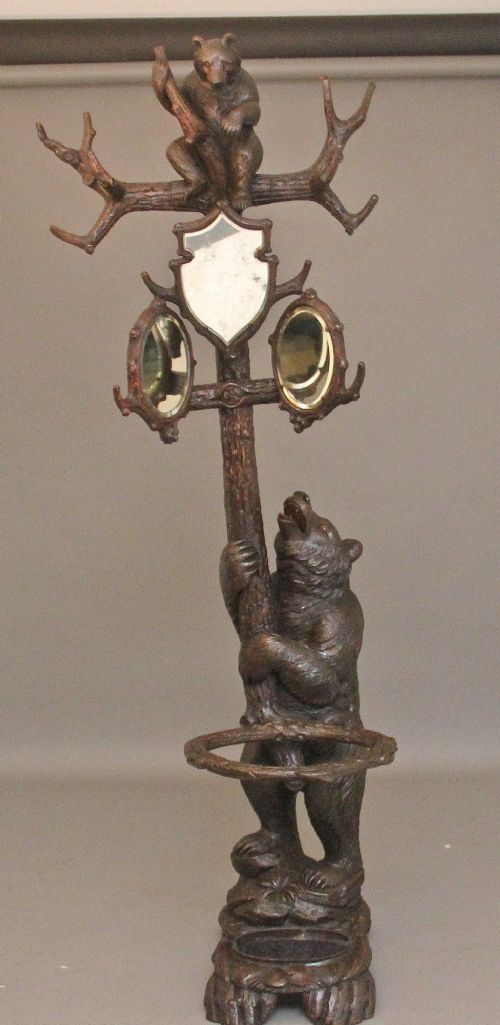
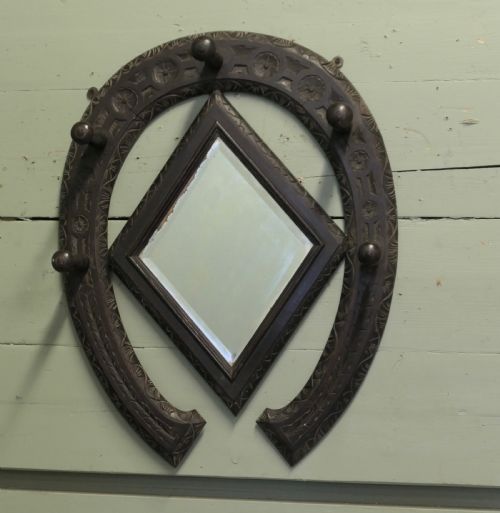
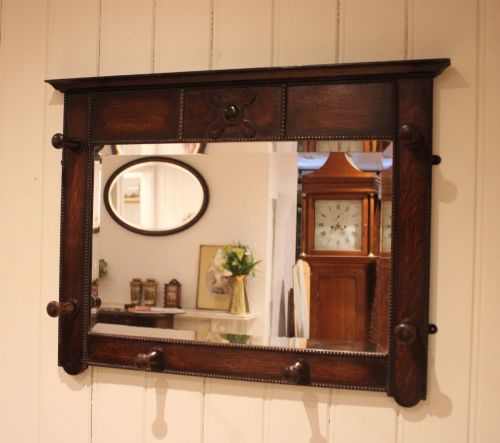
A carved wooden coat rack encompasses wall-mounted hook boards, substantial hall stands with integrated mirrors, and floor-standing robe racks. The pieces span the nineteenth century through the Edwardian period, drawing on Victorian, Arts and Crafts, and Black Forest traditions.
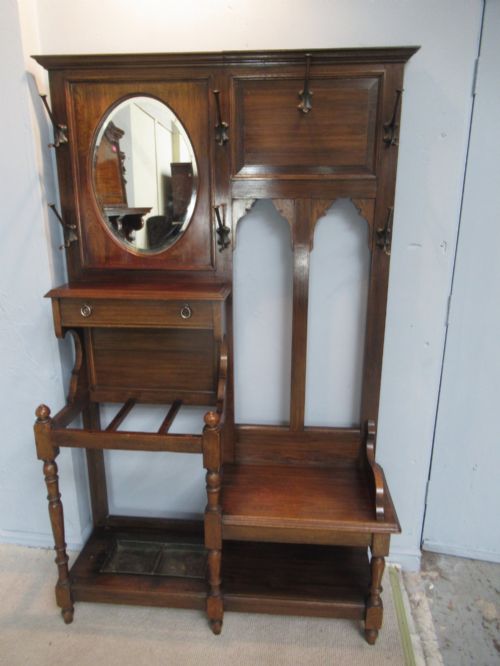
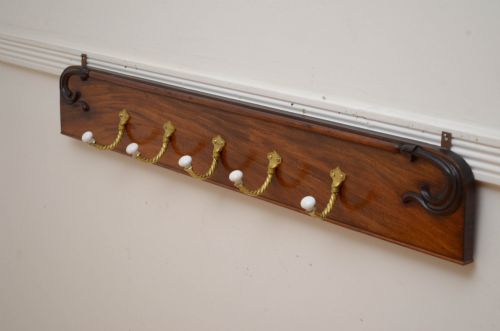
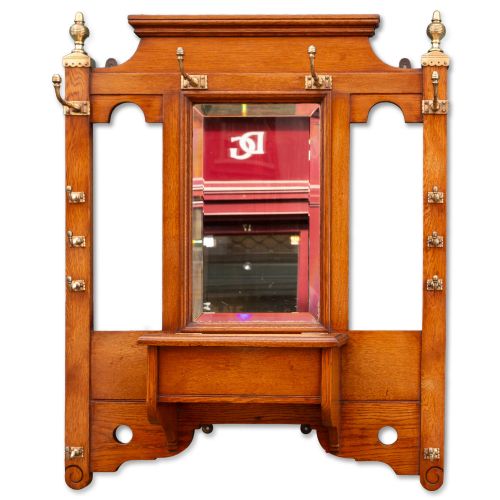
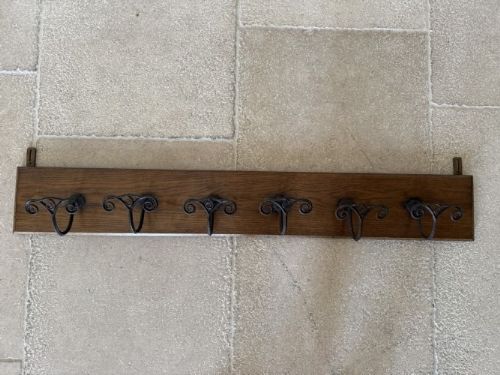
Wall-mounted examples typically feature rows of brass, ceramic or iron hooks set into mahogany, oak, or walnut boards, frequently incorporating carved panels or shelves for hats. Freestanding hall stands combine these elements with umbrella wells, mirrored backs, and deeply carved woodwork.
Materials and Construction
Cabinetmakers utilised hardwoods such as oak, mahogany, walnut, and linden wood to construct these pieces, selecting them for structural strength and grain quality. Linden wood appears particularly in intricate figural work, while oak and mahogany form the durable foundations of larger hall stands.
Carving techniques range from deep relief foliage and geometric motifs to figurative animal carvings. Metal elements, including brass hooks and wrought iron brackets, join ceramic or glass details to complete the functional hardware of each piece.
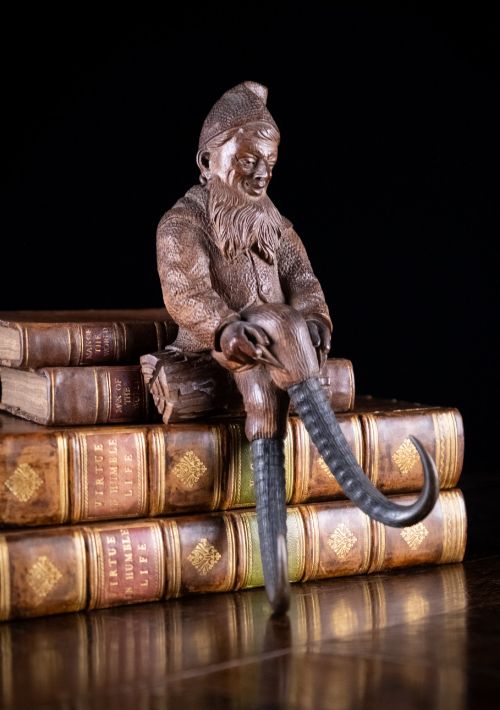
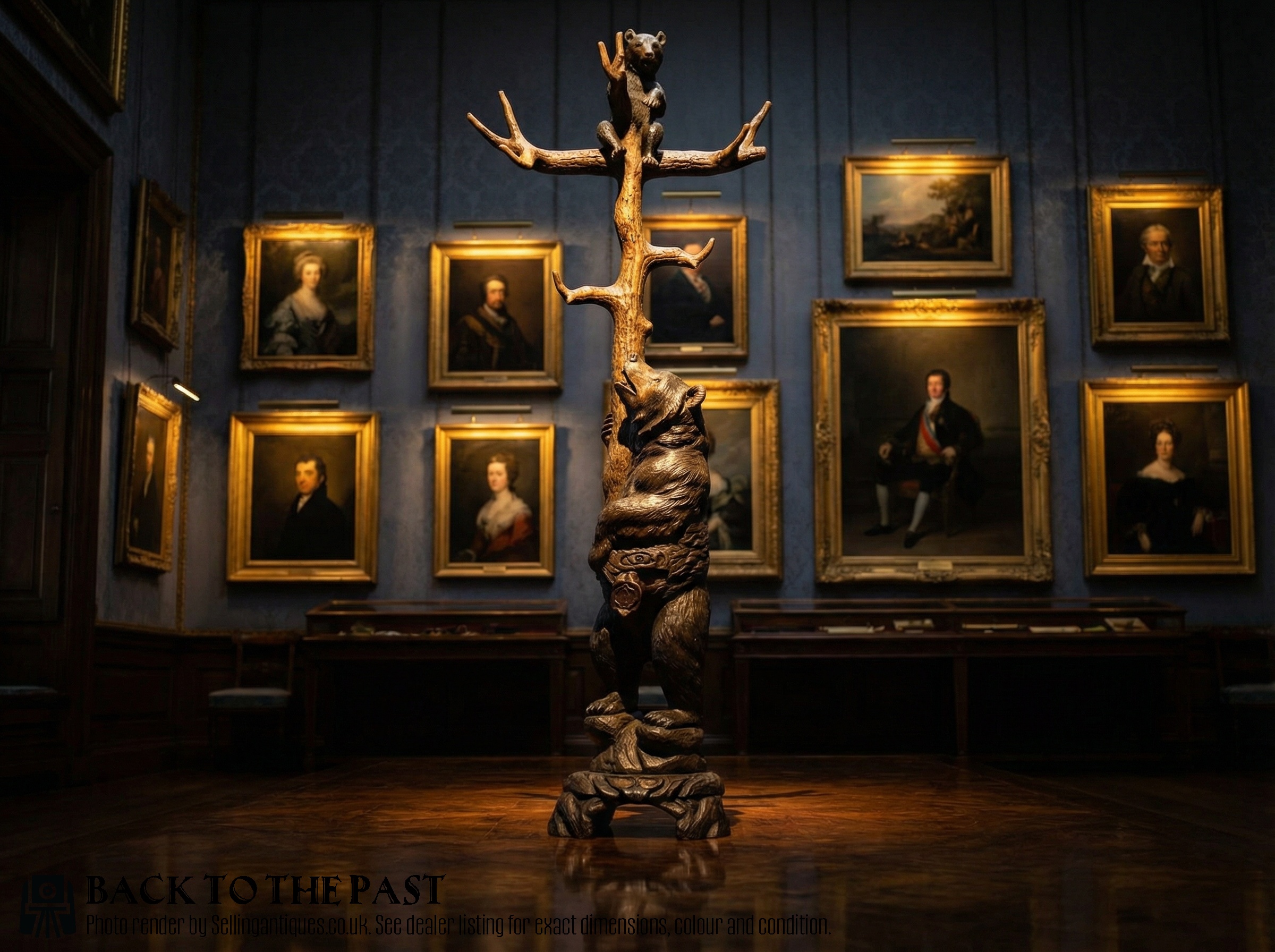
A surprising number of these antique racks feature carved bears holding card trays or grasping umbrella sticks with alarming realism.
Judging Quality
Quality rests upon the depth and definition of the timber carving, the integrity of the joinery, and the originality of the hooks and mirror plates. Pieces retaining their matching hardware and deep, uncompromised surface patination command greater interest.
The refinement of the proportions separates standard utility items from ambitious workshop commissions. Well-executed detailing in secondary woods and thoughtful integration of mirrors and trays elevate the overall success of the design.
The Carved Wooden Coat Rack Glossary
- Hall Stand
- A large piece of hall furniture combining a coat rack, hat shelf, mirror, and umbrella stand. They anchor an entrance hall and provide varied storage for outdoor garments.
- Black Forest
- A style of wood carving originating in Switzerland and Germany, renowned for naturalistic animal figures such as bears and birds. These carvings display high levels of sculptural detail.
- Japonisme
- The influence of Japanese art on Western design, evident in clean lines and thematic motifs. This aesthetic gained popularity in late nineteenth-century European furnishings.
- Bevelled Plate
- A mirror glass with angled edges that catch the light. It adds depth and visual polish to wall mirrors incorporated into coat and hat racks.
Carved Wooden Coat Rack: Frequently Asked Questions
Where should I place a wall-mounted coat rack?
Wall-mounted racks suit narrow hallways, boot rooms, and kitchens where floor space is limited. Ensure the wall structure can support the weight of heavy timber and damp garments.
Position the board at a height that allows comfortable access for everyday use while leaving clearance beneath for hats and umbrellas.
How do I care for antique carved timber?
Dust the carvings regularly with a soft, dry brush to prevent dirt settling in the recesses. Apply a quality beeswax periodically to nourish the wood and maintain its natural lustre.
Keep wooden items away from direct heat sources and strong sunlight to prevent the timber from drying out or splitting.
What is the difference between a hall stand and a coat rack?
A coat rack is typically a wall-mounted board with hooks, whereas a hall stand is a substantial freestanding piece of furniture. Hall stands combine coat hooks with umbrella wells, mirrors, and glove boxes.
Both items served the same domestic purpose of receiving outerwear, but hall stands offered a complete reception furniture solution.
How can I date an antique coat rack?
Examine the timber species, screw types, and construction methods used in the backboards and framing. Victorian and Edwardian pieces often feature distinctive brass hooks, deep bevelling on mirrors, and characteristic decorative motifs.
Stylistic cues such as Arts and Crafts simplicity or Black Forest animal carvings help narrow down the decade of manufacture.