


Freestanding Library Shelves
Freestanding library shelves give you accessible book storage that sits anywhere in a room without needing wall support.
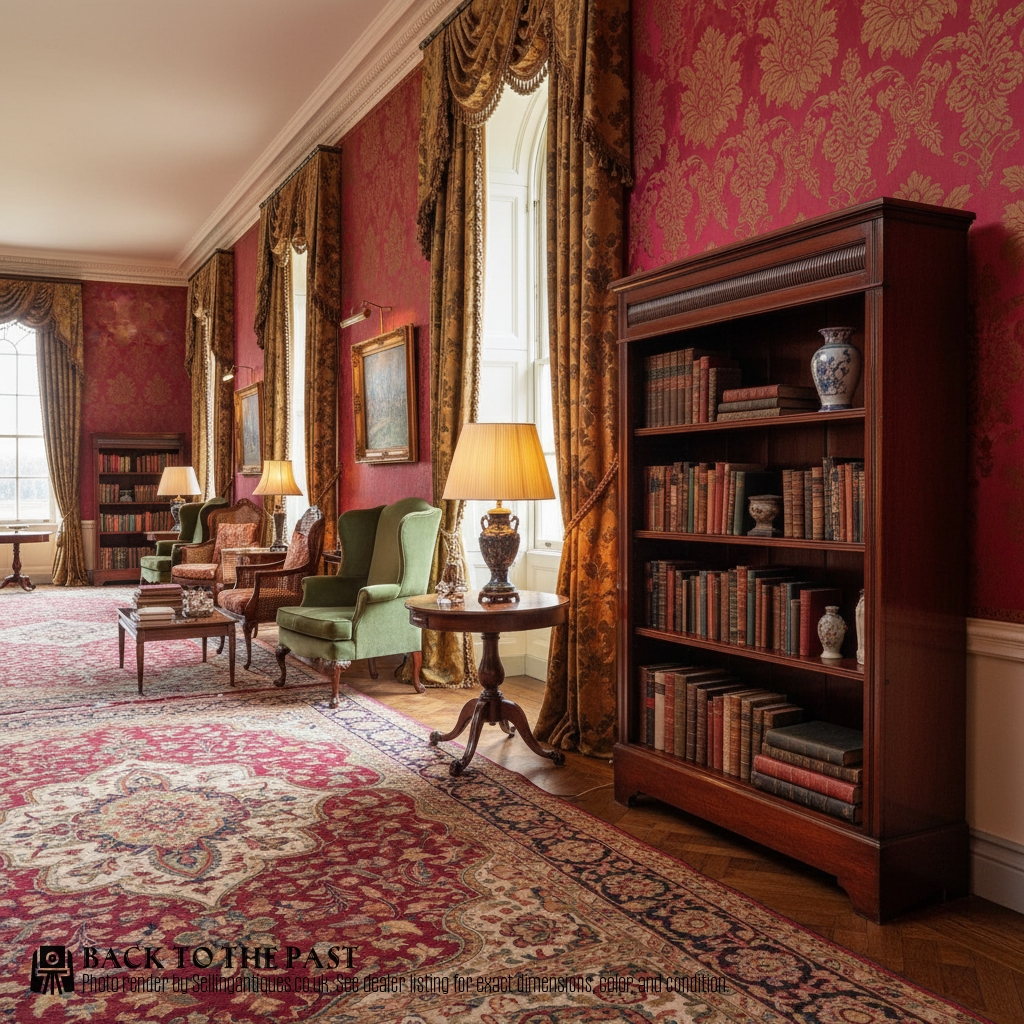
Freestanding Library Shelves
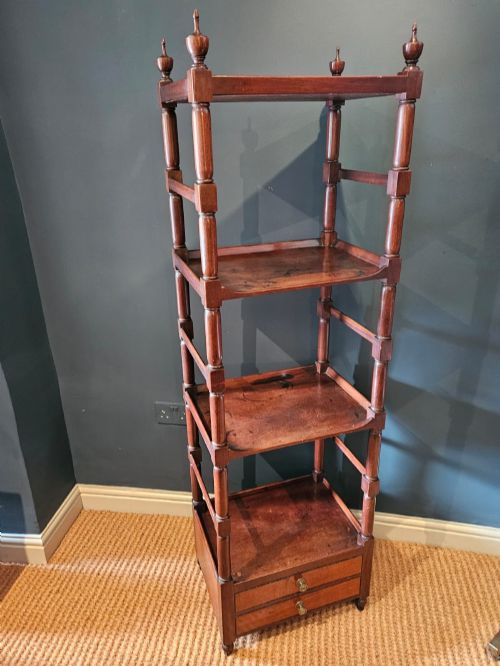
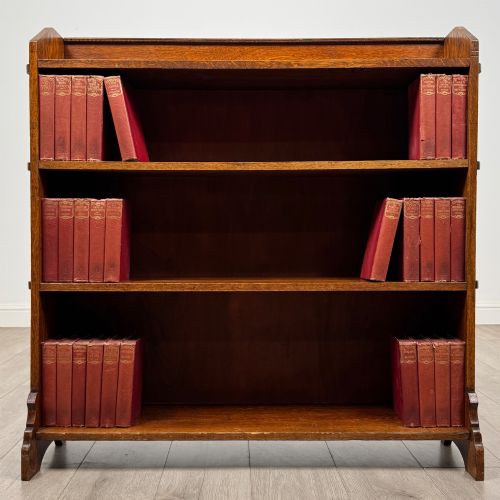
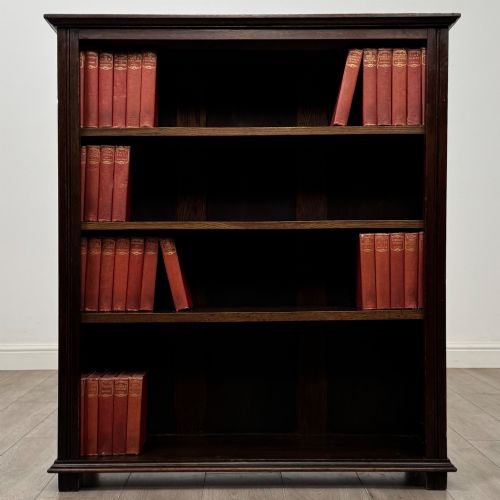
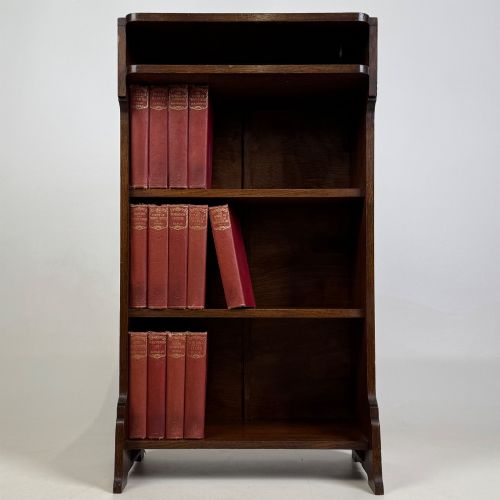
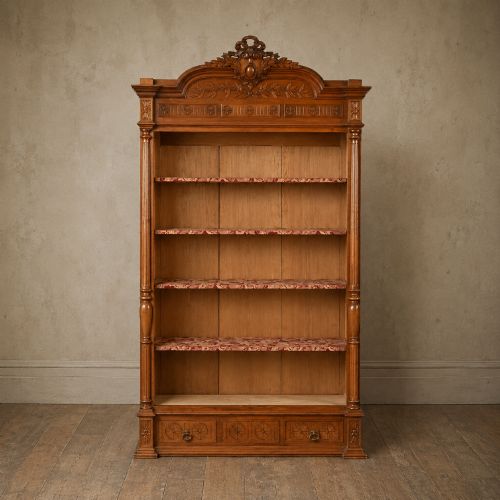
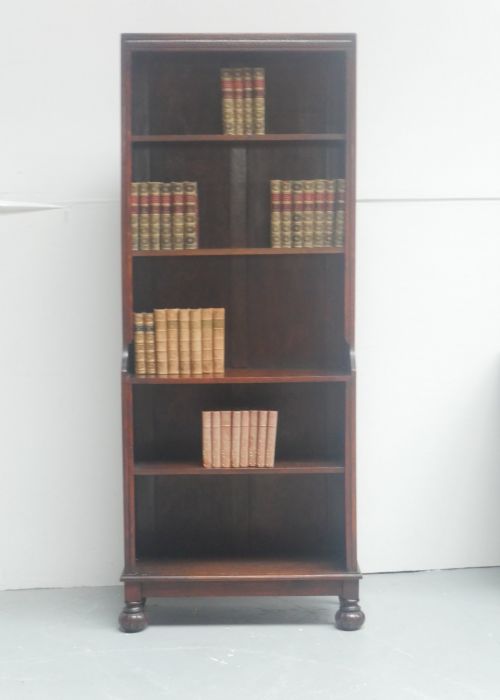
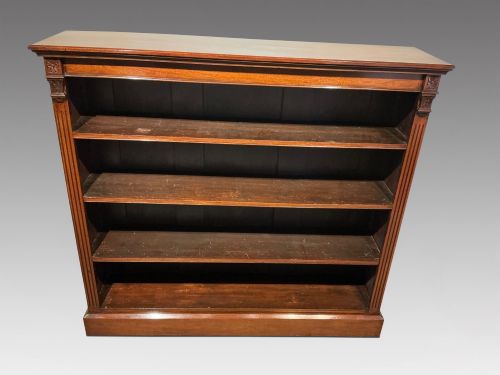
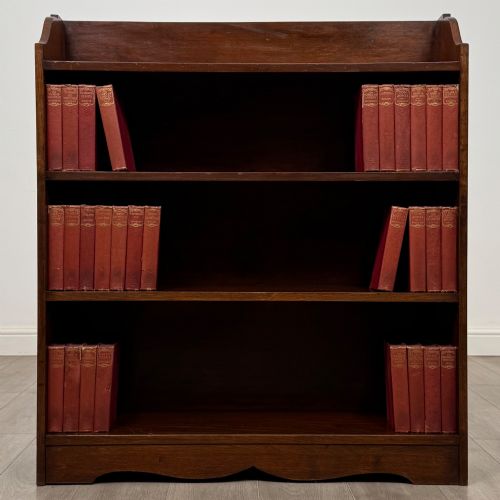
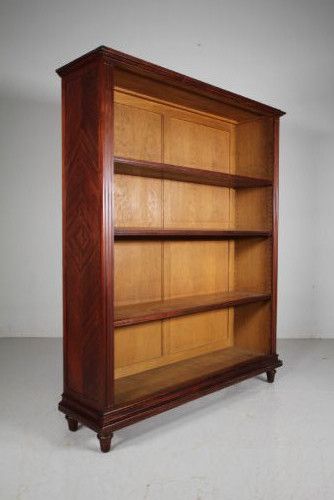
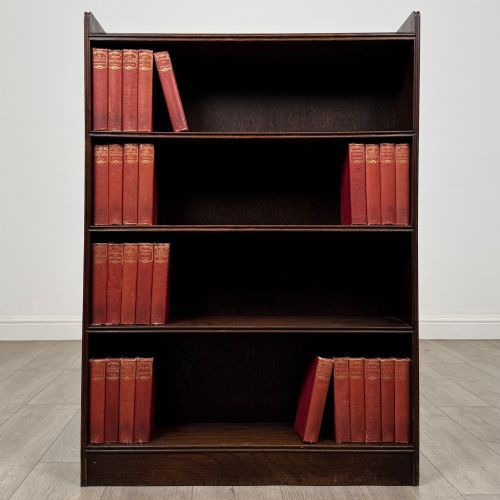
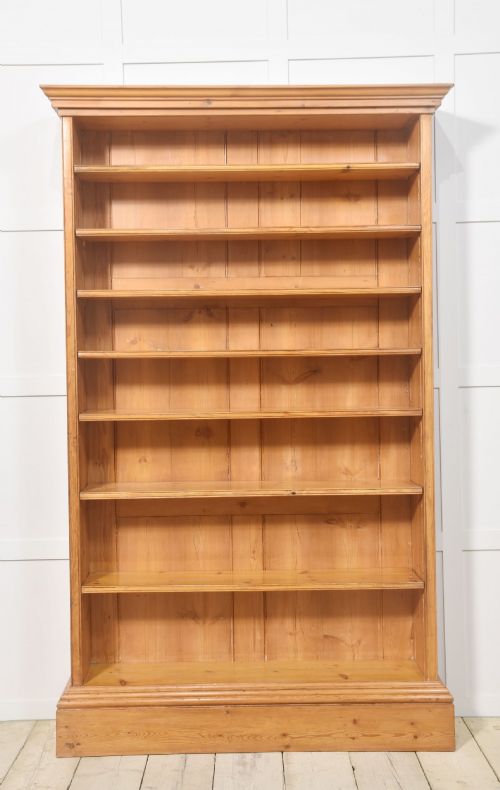
When you search for freestanding library shelves, you encounter versatile bookcases, what-nots, and book troughs designed to stand independently within a room rather than attach to architectural walls. These pieces emerge across several periods, most commonly taking the form of Edwardian or nineteenth-century open bookcases and multi-tiered what-nots.
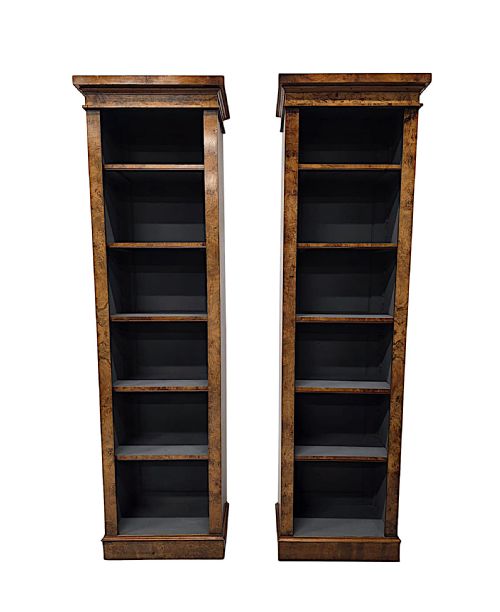
The selections span compact oak designs alongside substantial mahogany and burr walnut library bookcases, accommodating both small collections and extensive libraries. Many examples offer open access to volumes, while variations such as revolving bookcases or cupboard base what-nots provide additional mechanical movement or enclosed storage.
Origins range from English workshops to continental makers, utilising forms like the narrow two-tier library book trough, the lawyer book trough, and the breakfront bookcase. You find pieces scaled from neat residential sitting rooms to large institutional libraries.
How they were made
Makers constructed these bookcases primarily from solid woods and veneers, selecting mahogany, oak, walnut, burr walnut, pine, rosewood, and partridge wood according to the desired finish and period style. Timber preparation involved careful matching of grains, particularly visible on flame mahogany and burr walnut surfaces where decorative patterning defines the exterior.
Joinery techniques supported adjustable shelving systems, heavy tiered superstructures, and revolving mechanisms driven by internal brass fittings and cast iron components. Carved solid wood details, beaded edges, and structural sectioning reinforced the load-bearing capacity required for housing large quantities of heavy books.
Some Edwardian revolving bookcases let you spin your entire library with a gentle push while sitting in your reading chair.
What varies in quality
Quality rests upon the selection of timber and the precision of the cabinetwork, distinguishing standard utility shelving from high-grade architectural library furniture. Superior pieces exhibit finely figured veneers, balanced proportions, and integrated mechanical elements such as smoothly operating revolving actions or cleanly fitted adjustable shelf brackets.
The refinement of carved ornamentation and the stability of multi-tiered structures further separate standard commercial items from exceptional examples produced by prominent makers. Solid secondary woods and robust internal framing ensure longevity under the heavy weight of substantial book collections.
Waring and Gillows
The Freestanding Library Shelves Glossary
- Book trough
- A V-shaped or open-topped container designed to hold a small selection of books upright for easy tabletop or desk access. These often appear in portable or multi-tiered library formats.
- Revolving bookcase
- A compact bookcase mounted on a rotating pivot mechanism that allows users to spin the entire unit to access books from all sides. These typically sit on low cruciform bases.
- Breakfront
- A large cabinet or bookcase where the central section projects forward from the flanking outer sections. This architectural arrangement creates depth and visual interest in large library rooms.
- Burr walnut
- A highly decorative wood veneer taken from the growth excrescences on walnut trees. It yields complex, swirling grain patterns prized for fine cabinet fronts.
Freestanding Library Shelves: Frequently Asked Questions
How do I choose the right size?
Consider both your available floor space and the volume of books you need to store. Taller pieces maximise vertical wall space without consuming extra floor area.
Smaller revolving bookcases or low troughs suit tighter spaces and allow placement near armchairs or desks for immediate access.
Are these shelves suitable for heavy books?
Most period library shelves are constructed from solid hardwoods like oak and mahogany, making them robust enough for standard volumes. Many Edwardian and nineteenth-century examples also include adjustable wooden shelving to accommodate varying book heights safely.
Heavier folio editions benefit from fixed-shelf models or heavier breakfront and double-sided library bookcases designed to bear substantial weight.
Can these bookcases sit away from walls?
Freestanding library shelves are specifically engineered to stand independently without wall fixings. Double-sided bookcases and revolving models are built to be viewed from all angles, making them ideal as room dividers.
Even single-sided open bookcases and what-nots feature finished backs or neat construction suitable for placement in open rooms.