



Franz Bergman Bronze Sculpture
When you seek a franz bergman bronze sculpture, you encounter miniature foundry work defined by vibrant polychrome surfaces and meticulous detail.
Franz Bergman Bronze Sculpture
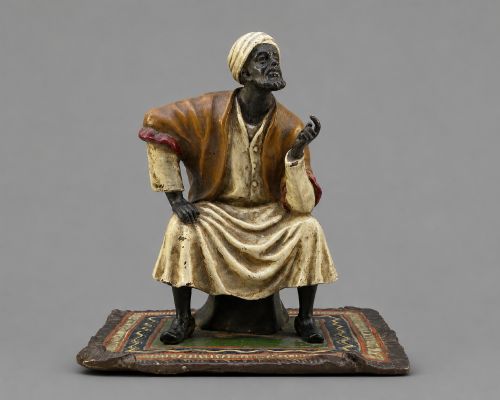
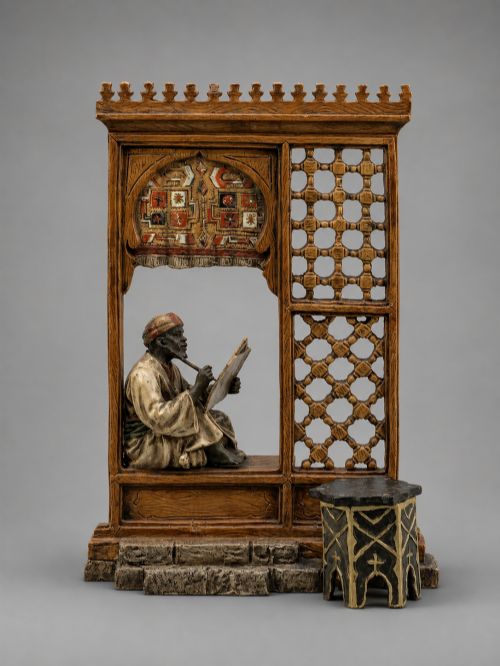
A franz bergman bronze sculpture comprises small-scale figures produced in Vienna, spanning human subjects and natural history. These pieces emerge from the late nineteenth century and progress through the early twentieth century, encompassing Victorian and Edwardian periods.
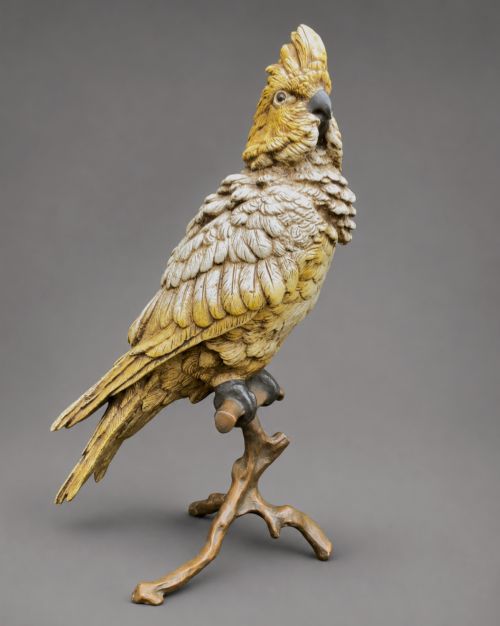
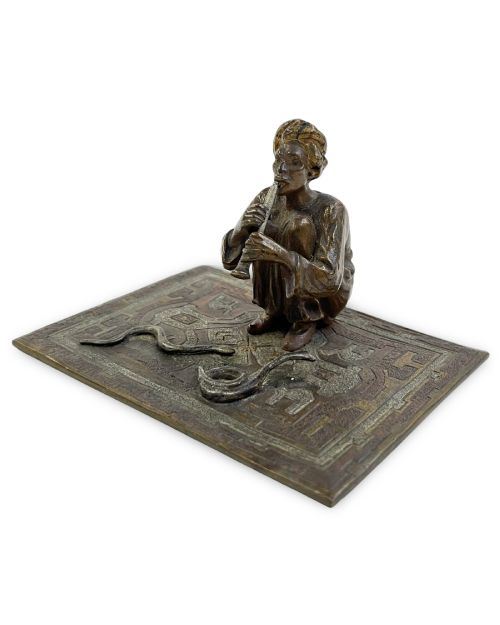
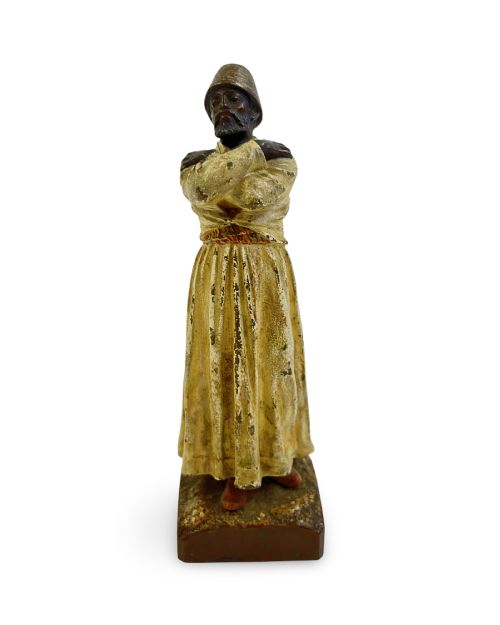
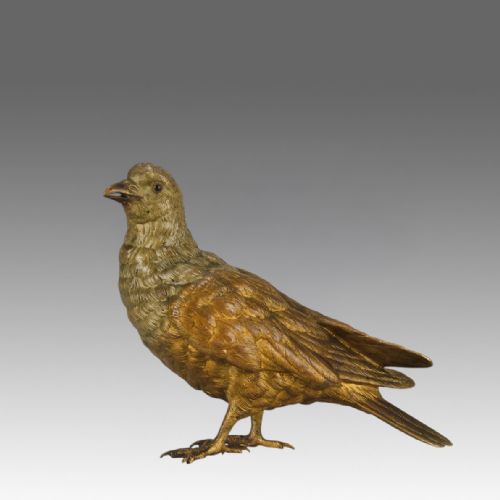
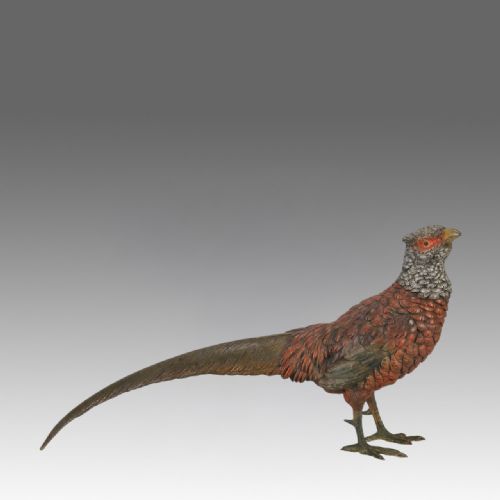
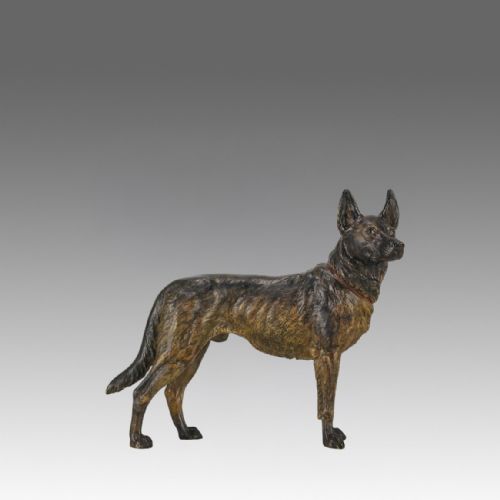
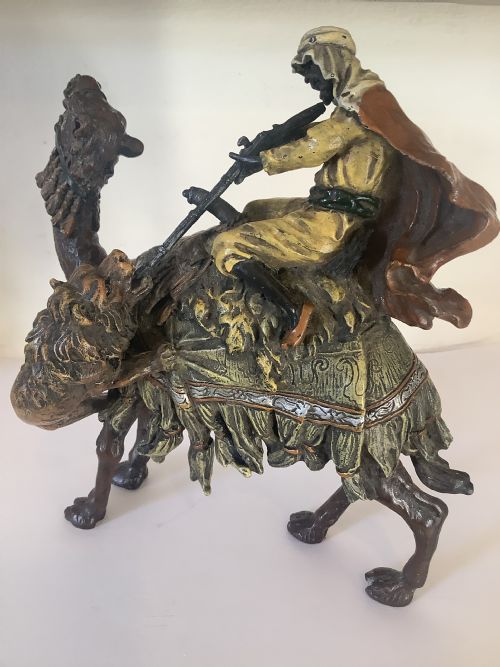
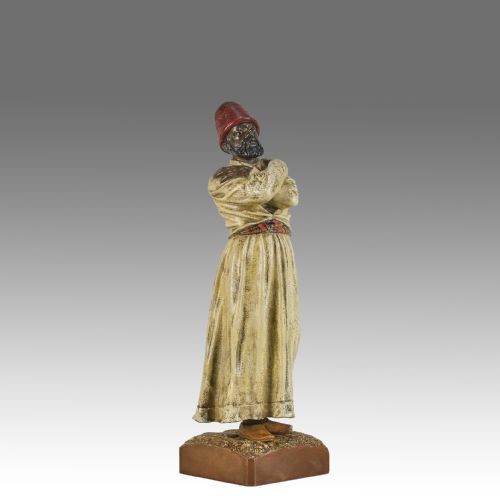
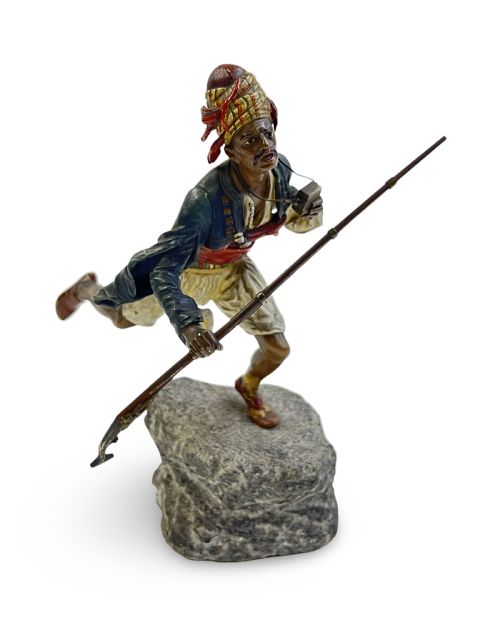
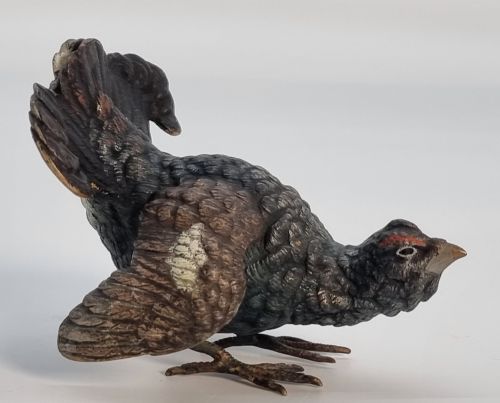
The human subjects span Orientalist figures, including Arab riders, snake charmers, whirling dervishes, warriors, and narrative scenes involving attendants or figures in sarcophagi. Animal subjects encompass birds such as parrots, pigeons, pheasants, kingfishers, and magpies, alongside domestic and wild fauna like horses, dogs, pigs, and snakes.
Originating predominantly from Austrian workshops, these works reflect both Viennese animalier traditions and Orientalist sculpture. The objects function primarily as cabinet bronzes, designed for close inspection rather than monumental display.
Materials and Techniques
Foundries cast these pieces in bronze, utilising the lost-wax method to capture intricate anatomical and textural detail in the metal. The cast forms then receive hand-applied surface treatments.
The signature technique involves cold-painting, where multiple layers of oil paint, paint, or enamel paint sit directly on the unheated metal surface. Certain works incorporate bases or mounts constructed from marble or alabaster to anchor the bronze figures.
Franz Bergman Bronze Sculpture Retail Price Guide 2026
Typical asking prices for franz bergman bronze sculpture among the pieces listed under this phrase on Sellingantiques today, from the lower quarter to the upper quarter. They describe what is for sale here now, not the wider market.
Even the most stoic desk finds unexpected character when sharing space with a cold-painted bronze capercaillie.
Distinctions in Quality
Quality rests in the crispness of the initial casting and the finesse of the hand-chased surface details beneath the pigment. Finer examples retain their original cold-painted colouration with minimal flaking or later overpainting.
The nuance of expression in human faces and the anatomical precision in birds and animals separate standard production from superior pieces. Signed pieces or distinct foundry marks also distinguish notable examples from unsigned workshop output.
Franz Bergman·Franz Xaver Bergman
The Franz Bergman Bronze Sculpture Glossary
- Cold-Painted Bronze
- A sculpture finished with layers of unfired paint applied directly to the metal surface. This technique allows for high polychromatic detail.
- Vienna Bronze
- Small bronze figurines produced in Austrian foundries during the late nineteenth and early twentieth centuries. They are widely recognised for naturalistic animalier subjects and Orientalist themes.
- Orientalism
- An artistic style depicting themes, figures, and architecture from the Middle East and North Africa. In these sculptures, it manifests in figures of traders, warriors, and dancers.
- Animalier
- A style focusing on the realistic portrayal of animals in sculpture. The genre emphasises accurate anatomy and observed behaviour.
Franz Bergman Bronze Sculpture: Frequently Asked Questions
What is cold-painted bronze?
Cold-painting involves applying layers of paint to a finished bronze casting without subsequent heat firing. This method preserves intricate surface details.
Over decades, this paint layer remains susceptible to rubbing and minor losses, making preserved pigment a notable characteristic.
How do I identify a Bergman bronze?
Pieces often bear foundry marks, Bergman Bergman urn stamps, or signatures associated with the founder. Stylistic consistency in the subject matter and casting quality also aid attribution.
Subjects heavily lean towards natural history studies and Orientalist human figures executed in specific Viennese palettes.
Were these figures meant for display?
These small sculptures functioned as decorative cabinet pieces and desk ornaments for domestic interiors. Their scale invited handling and close inspection.
Collectors placed them on tables, desks, and specialised display cabinets alongside other small works of art.
What periods do these sculptures cover?
The available pieces predominantly date from the late nineteenth century, the Victorian era, and the early twentieth century up through the 1920s. This timeframe encompasses the height of Viennese cold-painted production.
Art Nouveau and Art Deco stylistic elements frequently influence the bases and secondary details of these dates.