



Brown Painted Bronze Statue
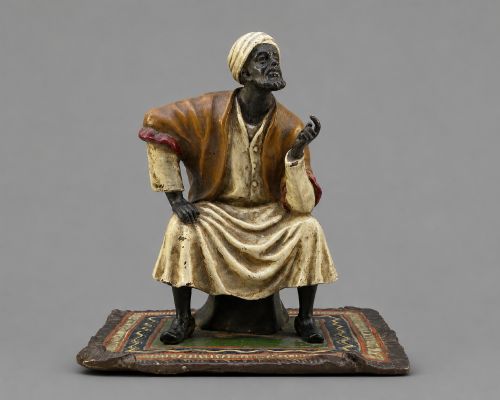
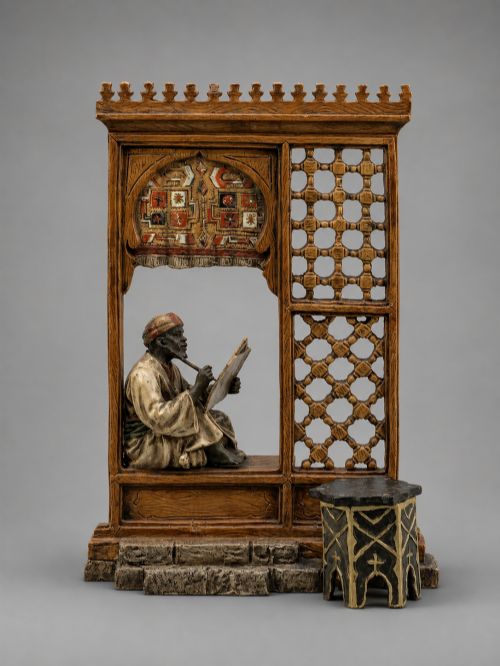
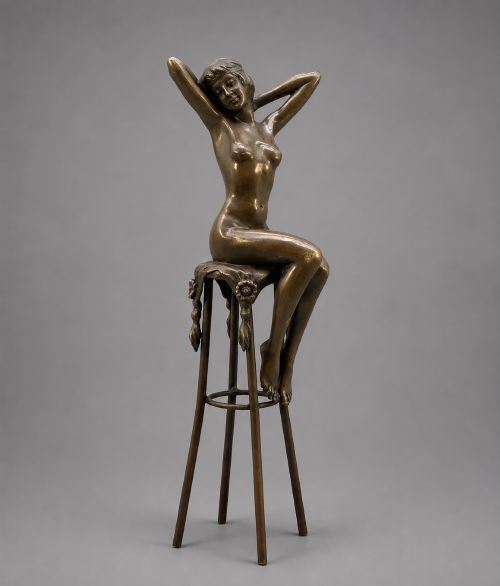
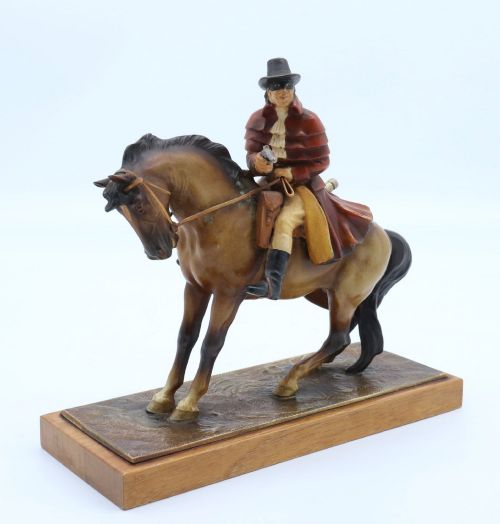
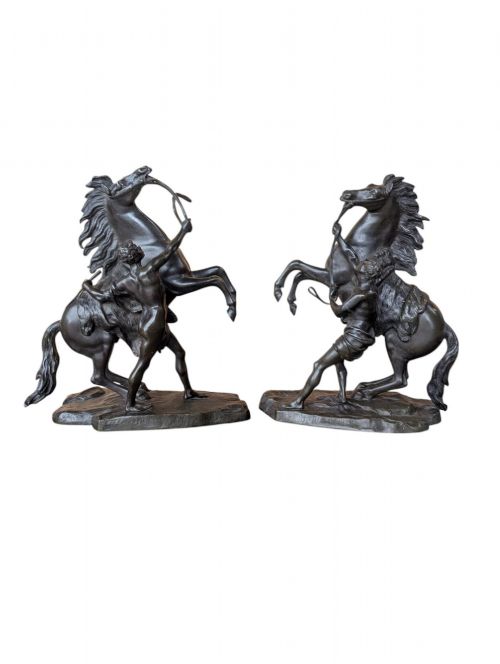
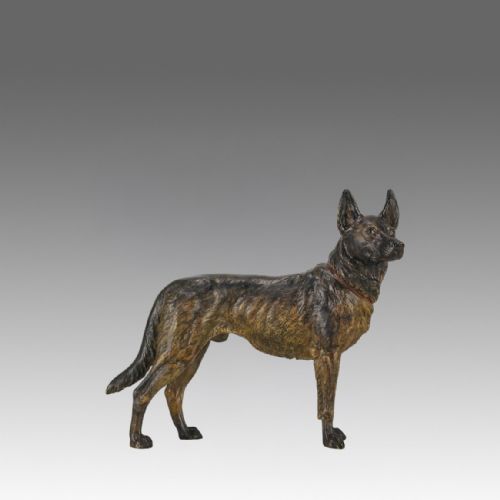
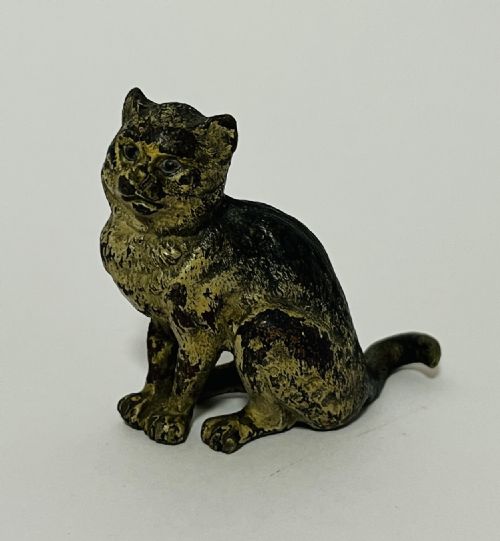
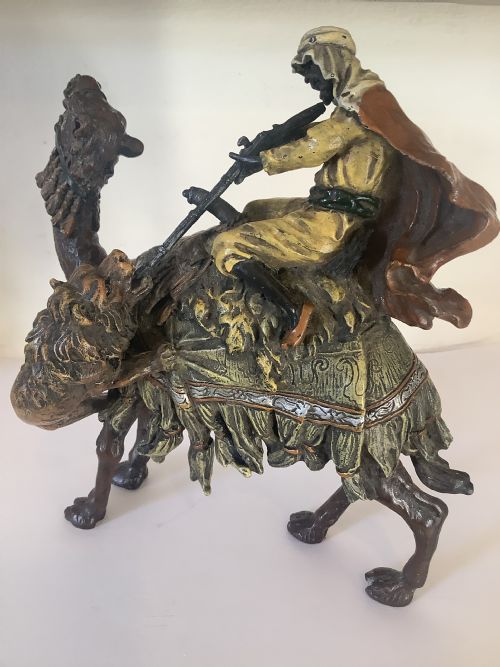
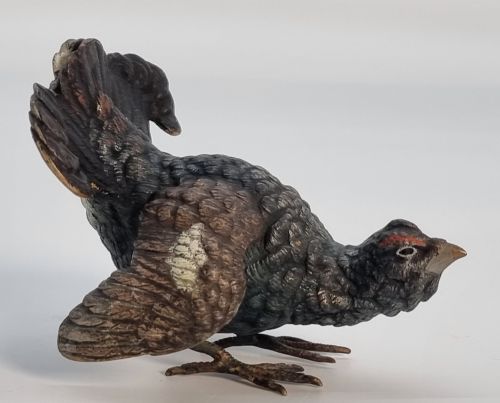
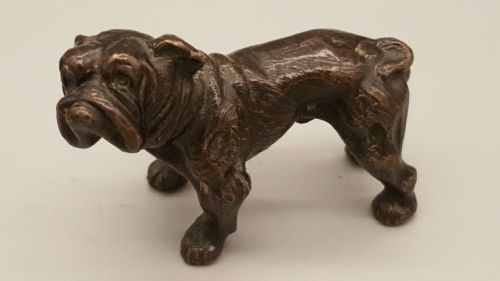
These brown painted bronze statue pieces capture remarkable animal and human subjects through meticulous cold-painting techniques.
Brown Painted Bronze Statue
A brown painted bronze statue brings together cast metalwork and applied polychrome decoration from the nineteenth and early twentieth centuries. When searching for a brown painted bronze statue, buyers encounter Vienna bronzes, animalier subjects, and Orientalist figures originating primarily from Austrian and French workshops.
The objects on this page span the Victorian era, the Art Nouveau period, and Art Deco designs, taking the form of small sculptures, table lighters, and decorative figurines. Animals such as dogs, hawks, horses, and cats appear frequently alongside human figures in diverse cultural dress.
Materials and methods
These pieces begin as cast bronze or cold-painted metal, often mounted on bases of marble, wood, or quartz rock. Molten metal flows into moulds to capture fine anatomical details and intricate costumes before cooling into solid form.
Artisans apply paint directly to the cold metal surface rather than firing the pigments at high temperatures. Enamel paint and cold paint give these sculptures their characteristic multicoloured finishes, with brown tones dominating coats, garments, and natural settings.
Brown Painted Bronze Statue Retail Price Guide 2026
Typical asking prices for brown painted bronze statue among the pieces listed under this phrase on Sellingantiques today, from the lower quarter to the upper quarter. They describe what is for sale here now, not the wider market.
Even a stern bronze hawk must occasionally contemplate a humble quartz rock.
Quality factors
The precision of the metal casting dictates the crispness of fur, feathers, and facial expressions. Superior works preserve minute textures and clean lines that lesser castings lose during the production process.
The preservation of the applied paint surface significantly influences the standing of a piece. Original polychrome finishes that remain intact without extensive touch-ups distinguish the finest examples from heavily restored counterparts.
Franz Bergman·Franz Xaver Bergmann·Guillot
The Brown Painted Bronze Statue Glossary
- Cold-Painted Bronze
- Bronze sculpture decorated with paint applied after the metal casting has cooled, rather than fired in a kiln. This technique allows for vivid polychrome finishes on small decorative objects.
- Vienna Bronze
- Small bronze sculptures produced by Austrian foundries during the late nineteenth and early twentieth centuries. These pieces are particularly noted for their humorous, animalier, or Orientalist subjects.
- Animalier
- Art that depicts realistic animals, particularly sculptures created during the nineteenth century. Artists focused closely on the natural anatomy and behaviour of wildlife and domestic creatures.
- Orientalism
- Artistic style depicting scenes and people from the Middle East and North Africa. European sculptors frequently portrayed these subjects in detailed bronze casts.
- Table Lighter
- A functional decorative object designed to sit on a surface and provide a flame. Many examples take sculptural figurative forms disguised as animals or characters.
Brown Painted Bronze Statue: Frequently Asked Questions
What is a cold-painted bronze?
A cold-painted bronze is a metal sculpture decorated with paint applied after the casting process is complete. The pigments dry on the unheated metal surface rather than being fired.
This method allows for intricate polychrome details on small decorative items like animal figures and human statuettes.
How do I clean these sculptures?
Cleaning requires a soft, dry cloth to gently remove dust from the surface without disturbing the paint. Moisture and chemical cleaners should be avoided entirely.
Protecting the fragile cold-painted finish preserves the historical integrity and appearance of the piece over time.
Where were these pieces made?
Most of these sculptures originated in Austrian workshops, particularly in Vienna, during the late nineteenth and early twentieth centuries. French foundries also produced similar painted bronze figures during the same era.
Vienna bronzes became internationally famous for their distinctive subjects and vibrant painted finishes.
What subjects do they show?
The sculptures depict a wide variety of subjects, including domestic pets, wild animals, birds, and equestrian figures. Human subjects often include Orientalist figures and characters from literature or daily life.
Some pieces also double as functional objects such as table cigarette lighters.