





Frameless Art Deco Mirror
Frameless art deco mirror examples bring geometric discipline and tinted glass into any room with genuine period style.
What these pieces are
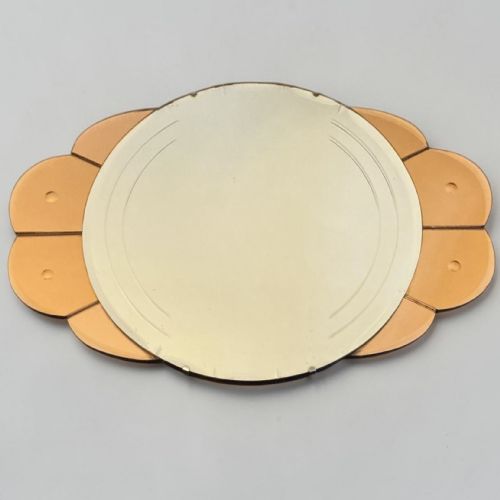
When you search for frameless art deco mirror pieces, you encounter wall mirrors, overmantel mirrors and mirror glass trays dating primarily from the nineteen twenties and nineteen thirties. These items originate from English and French makers who designed for contemporary domestic interiors.
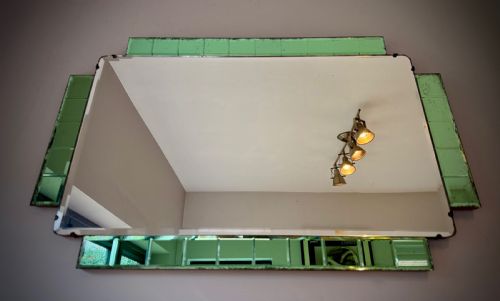
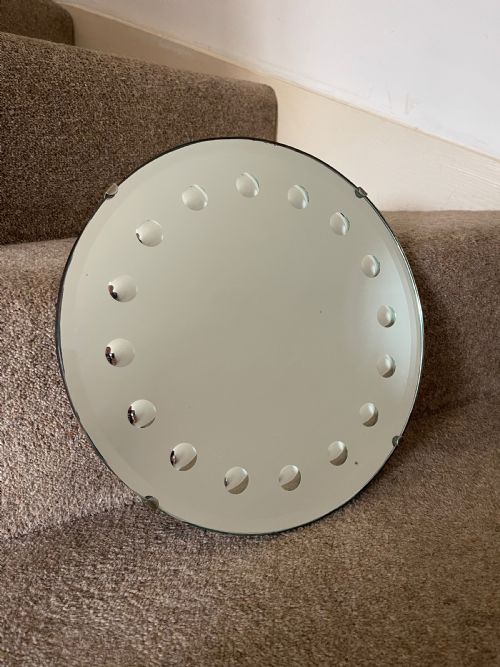
The inventory on this page shows wall mirrors in both standard formats and large scales, alongside overmantel mirrors designed for chimney breasts. Common configurations include circular shapes, diamond silhouettes, scalloped edges and two tone combinations.
You will also find pairs of mirrors and pieces featuring embossed glass or bevelled plates. These variants define the standard selection available to collectors seeking authentic interwar design.
How they were made
Makers constructed these pieces using glass, mirror glass, peach glass and tinted glass mounted on wood, metal or chrome backing structures. The absence of traditional frames placed the emphasis entirely on the cut and treatment of the glass plate.
Workshops utilised bevelling techniques and embossing to create depth across the frameless surfaces. Peach coloured glass and white mirror combinations introduced distinct tonal contrasts characteristic of the period.
Retail Price Guide 2026
Typical UK retail prices for frameless art deco mirror, calculated from the Sellingantiques database of over a million retail prices indexed since 2003. This retail price guide relies exclusively on Sellingantiques data; no external sources or auction records are used, so the figures do not describe the wider market.
Current listings and past archives feature items dated exclusively to nineteen twenty and nineteen thirty, utilising wood, chrome, peach glass and standard mirror glass.
What varies in quality
The distinction between standard examples and superior pieces rests on the complexity of the glass cutting and the integration of multiple tints. Two tone designs and large scale diamond or scalloped formats demand greater skill in execution than simple circular plates.
The condition of the reflective plate and the stability of the underlying wood or metal supports determine the overall integrity of the piece. Subtle ageing such as gentle foxing on the glass plate differentiates untouched period items from later replacements.
The Frameless Art Deco Mirror Glossary
- Peach glass
- A tinted mirror glass variant with a warm pinkish hue popular during the interwar period. It appears frequently in two tone wall mirrors.
- Overmantel mirror
- A large horizontal mirror designed to sit directly above a fireplace mantelpiece. These pieces often feature extended proportions suited to period reception rooms.
- Foxing
- Small dark spots or patches that develop on older mirror plates as the silver backing ages. This natural oxidation process occurs over decades.
- Bevelling
- The practice of cutting an angled edge around the perimeter of a glass plate. This technique catches the light and adds a refined finish without a physical frame.
Frequently Asked Questions
How do I hang a heavy wall mirror safely?
These large wall mirrors require secure fixings anchored directly into structural wall studs or masonry rather than standard plasterboard hooks.
Weight distribution across the wooden or metal backing needs careful assessment before mounting.
Can I place these mirrors in a bathroom?
Interwar glass and its original backing materials respond poorly to sustained high humidity and moisture.
Dry living spaces or hallways preserve the silvering and metal supports much better.
What distinguishes nineteen twenties pieces from nineteen thirties examples?
Items from the nineteen twenties often incorporate French origins and distinct geometric shapes like diamonds.
Nineteen thirties production leans towards English overmantel formats and peach coloured glass combinations.
How should I clean tinted glass surfaces?
Soft cloths and mild cleaning solutions prevent damage to both the glass and the aged backing.
Harsh chemical agents strip the silvering and accelerate foxing around the edges.