


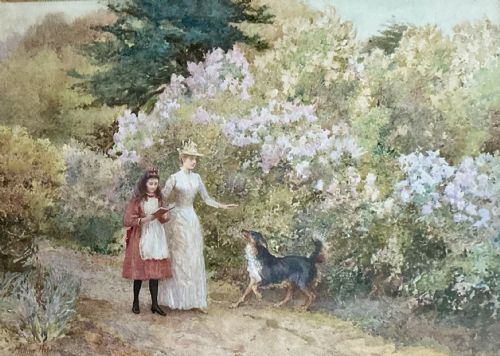
Framed Watercolour Floral Art
Framed watercolour floral art brings domestic spaces alive with the delicate brushwork and natural hues of past centuries.
Framed Watercolour Floral Art
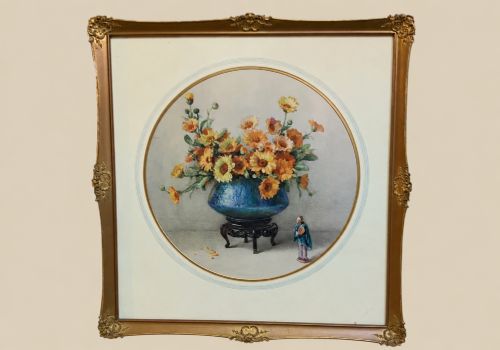
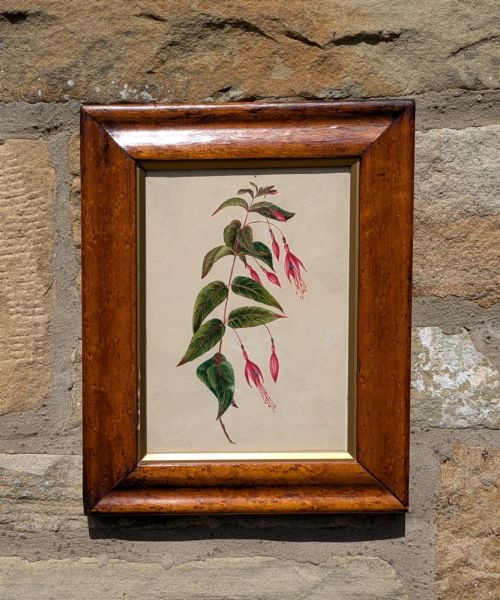
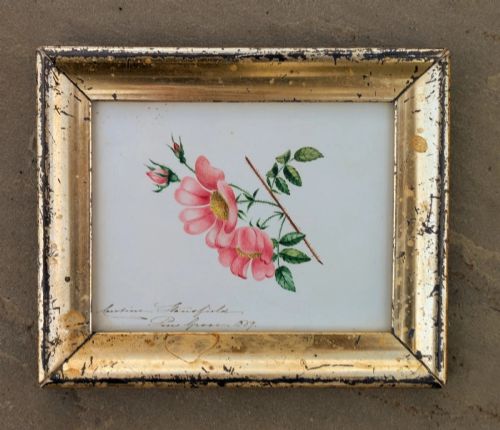
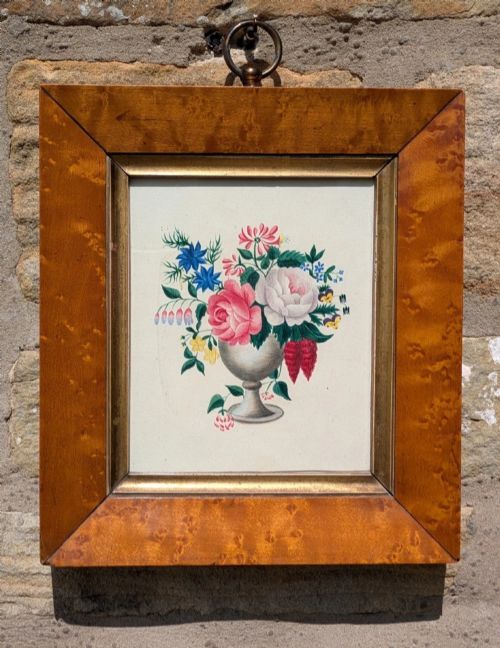
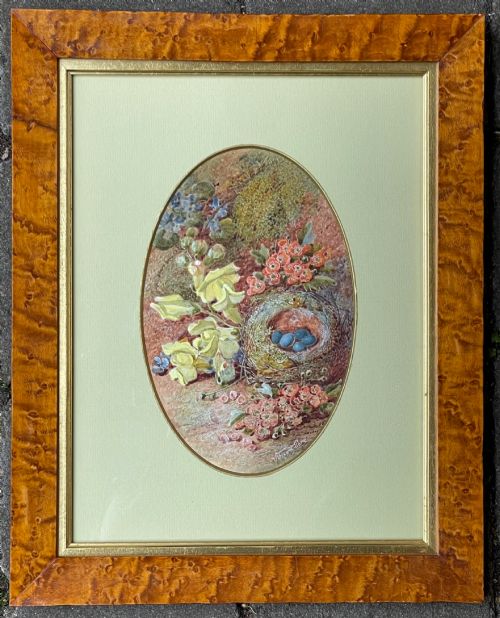
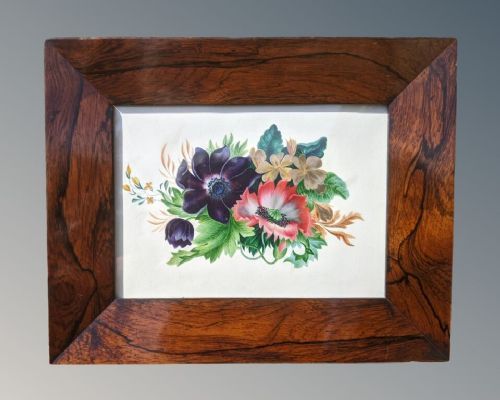
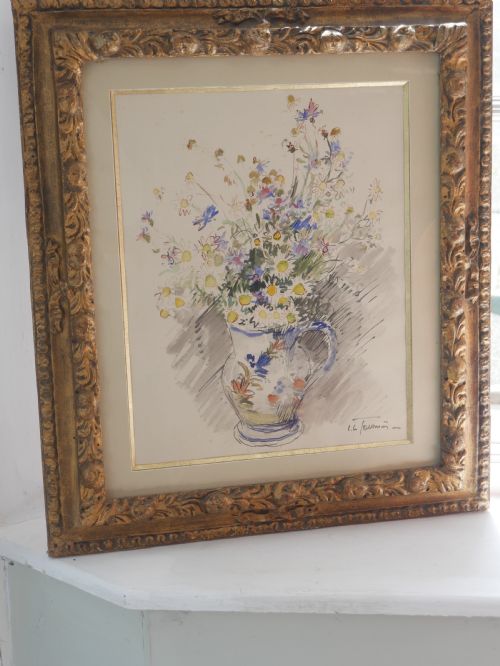
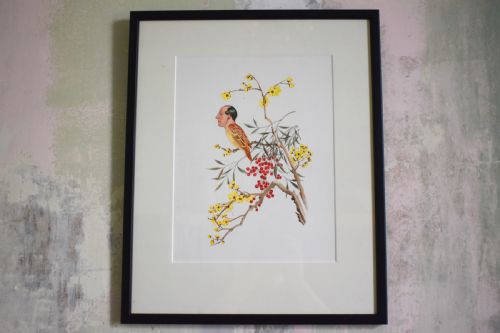
Framed watercolour floral art captures botanical studies, garden scenes and floral still lifes executed on paper using water-based pigments. These works appear in forms ranging from intimate nineteenth-century studies of single blooms to mid-twentieth-century still lifes of flowers in jugs.
The selection on this page centres heavily on nineteenth-century pieces alongside Edwardian and mid-century examples. Buyers encounter works framed in wood, gilt wood, or period pewter, presenting subjects such as roses, pansies, and cottage gardens.
Makers and named artists across these listings include Vincent Clare, James Tower, and members of the Stannard family. These pieces reflect broader artistic movements including Victorian Naturalism, the Aesthetic Movement, and British Impressionism.
Materials and execution
These works rely on watercolour pigment and gouache applied to paper supports, occasionally supplemented with pencil underdrawing. Artists layered transparent washes to build luminous petals, while gouache added opaque highlights to leaves and stems.
Framing typically involves wood or gilt wood enclosures paired with glass to protect the fragile paper surface from moisture and light. Some nineteenth-century examples utilise decorative metal frames, such as French pewter, to complement the botanical subject.
Listings span the nineteenth and twentieth centuries, featuring paper, watercolour pigment, gouache, glass, and wood.
Distinctions in quality
Quality rests upon the precision of the botanical observation and the fluidity of the pigment handling. Superior works display confident brushwork that defines the translucency of petals without heavy reworking.
The integration of the composition within its period frame and the stability of the paper support influence the overall standing of an individual painting. Works by recorded artists or established family traditions generally command stronger interest.
Vincent Clare·James Tower·Alice Anne Renshaw·Harry Wanless·Henrietta Creswell·William Edward Fox·Theresa Stannard·Lilian Stannard·William Hough·Eloise Harriet Stannard·Rowland Henry Hill·Grace Hastie·Margaret Laing·Phyllis I Hibbert·Marian Chase·Jabez Bligh·Owen Bowen·Charlotte Isa James·David Woodlock·Alice Macallan Swan·Marion Broom·Annie Mary Youngman·Edith Alice Andrews·Jane Utley·John Sherrin
The Framed Watercolour Floral Art Glossary
- Watercolour
- A painting method where natural pigments suspended in a water-soluble binder are applied to paper. This medium allows for luminous washes and delicate colour blending.
- Gouache
- An opaque water-based paint composed of pigment, water, and a binding agent such as gum, often mixed with watercolour to add solid highlights.
- Botanical study
- A detailed artistic representation of plant life, historically valued for both scientific accuracy and aesthetic appeal.
- Still life
- A work depicting inanimate subject matter, frequently featuring cut flowers in jugs, bowls of fruit, or garden baskets.
Framed Watercolour Floral Art: Frequently Asked Questions
How should I hang watercolour art?
Watercolours are sensitive to direct sunlight, so select a wall away from harsh window light to prevent the pigments from fading. Proper placement preserves the delicate tones of the floral subjects.
Ensure the room humidity remains stable to protect both the paper support and the period wooden or gilt frame. Professional framing with conservation glass offers additional safeguarding.
What periods do these pieces span?
The works on this page stretch from the nineteenth century through the Edwardian era into the mid-twentieth century. Victorian botanical studies sit alongside 1920s cottage garden scenes and 1950s still lifes.
This timeline captures a shifting British artistic focus, moving from strict naturalism towards looser Impressionist and modernist interpretations of floral forms.
How are these watercolours framed?
Most pieces retain their period framing, which typically consists of wood, gilt wood, or specialised enclosures like Aesthetic Movement pewter. These surrounds are chosen to complement the visual weight of the painting.
Glass fronts protect the paper and pigment from atmospheric dust and direct contact. Maintaining the original frame preserves the historical integrity of the piece.
Who painted these floral artworks?
The selection includes works by listed professional artists, regional British painters, and notable family dynasties such as the Stannards. Signatures and attribution records link many pieces to specific makers active between the 1850s and the 1950s.
Other works originate from nineteenth-century English schools, representing anonymous talent trained in botanical illustration and watercolour technique.