



1930s Watercolour Artwork
These 1930s watercolour artwork pieces capture the atmosphere of the interwar period through delicate washes and brisk brushwork.
1930s Watercolour Artwork
When you search for 1930s watercolour artwork, you encounter original paintings on paper that document landscapes, maritime scenes, and portraits from the early twentieth century.
The pieces on this page span British pastoral views, coastal townscapes, and European avant-garde compositions created during the 1930s and neighbouring decades.
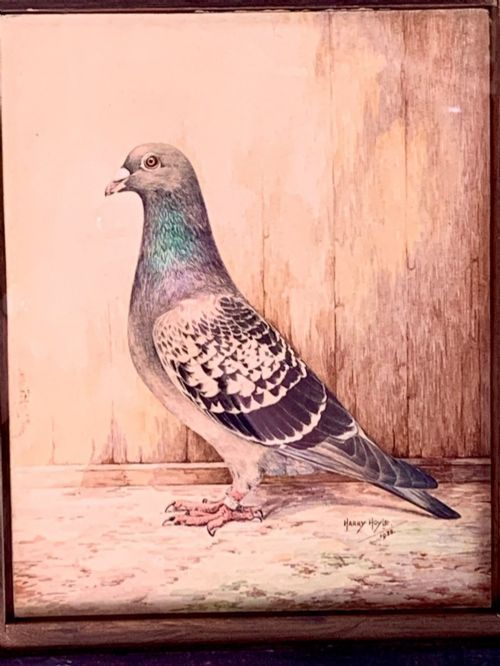
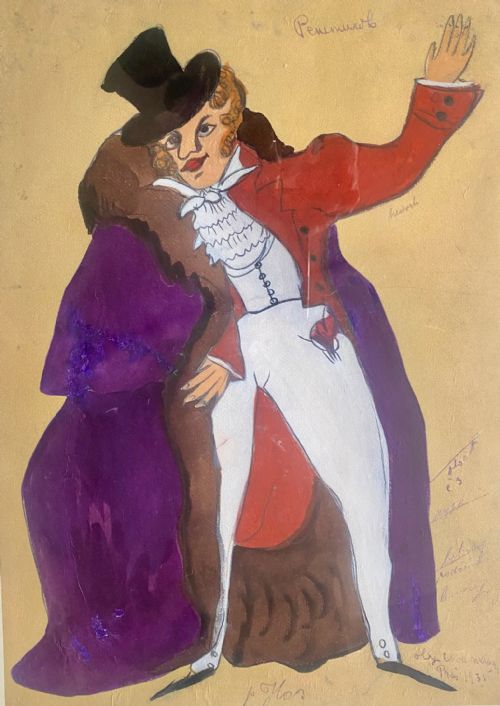
You find framed wall art ranging from traditional English countryside watercolours to surrealist gouache works and theatrical character studies.
Materials and methods
Artists applied water-soluble pigments and ink onto paper surfaces, frequently supporting the compositions with wooden frames and protective glass panels.
Makers combined watercolour washes with opaque gouache and precise ink lines to build texture, tone, and depth within each painted scene.
Listings feature paper, pigment, ink, gouache, and wood across periods spanning from 1920 to 1950.
Assessing quality
Quality rests upon the confidence of the brushwork and the artist's ability to capture light and movement across the paper surface.
Superior examples demonstrate secure provenance, such as signed sheets and identified locations, coupled with preservation that keeps the pigment fresh beneath glass.
Russell Sidney Reeves·Gen Paul·Olga Choumansky·Paul Delvaux·Samuel Timmins·Fred Lawson·Ernest Uden·Rowland Henry Hill·Usabal y Hernandez
The 1930s Watercolour Artwork Glossary
- Gourche
- An opaque watercolour medium containing pigment, water, and a binding agent such as gum, producing a matte finish.
- Gesso
- A plaster-like mixture applied to wood frames to create a smooth surface for gilding or painting.
- Wash
- A thin, fluid layer of diluted watercolour pigment spread evenly across paper to create skies or backgrounds.
- Provance
- The documented history and ownership of a painting, which helps verify its authenticity and creator.
- Avant-garde
- Experimental and innovative art that pushes past traditional boundaries, seen in surrealist works from the period.
1930s Watercolour Artwork: Frequently Asked Questions
How do I care for a watercolour painting?
Keep the artwork away from direct sunlight to prevent the pigments from fading over time.
Ensure the frame remains sealed behind glass to protect the paper from moisture and atmospheric dust.
Are these watercolours always signed by the artist?
Many pieces bear signatures or studio stamps, while others remain attributed to specific makers through stylistic evidence and documentation.
Unsigned works can still possess strong artistic merit if the technique and period characteristics align with known hands.
What framing is typical for these works?
Original pieces from this era frequently appear in period wooden frames, sometimes supplemented by gesso mouldings.
Glazing is essential to protect the delicate paper surface from handling and environmental damage.
How do I distinguish 1930s styles?
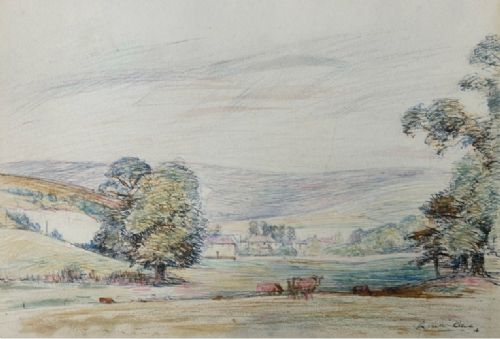
British pastoral and maritime watercolours focus on traditional landscapes and coastal towns with realistic detail and naturalistic palettes.
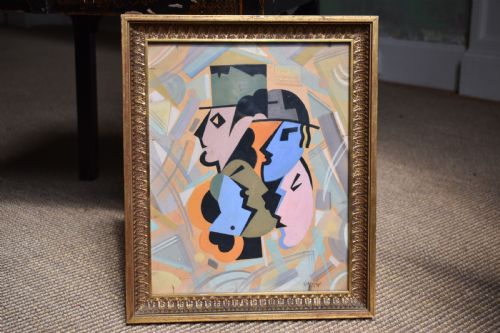
Avant-garde and surrealist pieces utilise bolder colours and experimental forms that reflect European modernism of the same decade.