


Botanical Floral Artwork Paper
Botanical floral artwork paper brings together delicate blooms and stem studies rendered across centuries on paper, offering collectors lasting studies of nature.
Botanical Floral Artwork Paper
When you search for botanical floral artwork paper, you encounter delicate studies of plants, stems, and blossoms captured on paper surfaces. These works range from Regency cut paper compositions to detailed watercolour paintings and lithographs produced across the nineteenth and twentieth centuries.
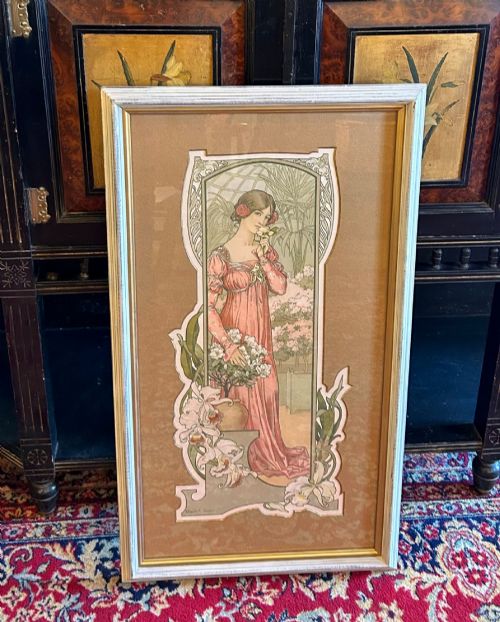
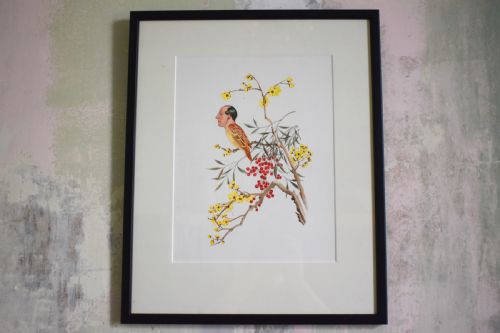
The pieces appearing on this page span diverse stylistic movements including British Impressionism, Victorian botanical illustration, and Mid-Century Modern. You find original paintings, framed prints, and gouache studies depicting garden scenes, still life arrangements, and individual flower portraits.
Materials and Working Methods
Artists working within these botanical floral artwork paper pieces predominantly utilised watercolour pigment, gouache, and ink applied directly onto paper supports. Some nineteenth-century examples incorporate gouache on silk, while others utilise lithography or delicate cut paper techniques.
Framed works frequently combine the paper artwork with protective glass and wooden framing. The application of watercolour paint allows for translucent layering of petal colours, whereas gouache provides opaque density for bolder floral studies.
Listings feature works created across multiple decades, utilising paper, watercolour, gouache, and ink across Victorian, Edwardian, and Mid-Century Modern styles.
Distinctions in Quality
The distinction between ordinary and exceptional botanical floral artwork paper rests upon the precision of the botanical observation and the surety of the brushwork. Master painters capture the exact botanical structure of petals and leaves with fluid confidence.
Preservation of the paper support and the vibrancy of the pigments also separate examples. Works retaining their original colour intensity without excessive fading or paper discolouration demonstrate superior longevity and material stability.
Elisabeth Sonrel·James Tower·Henrietta Creswell·William Edward Fox·Lester Sutcliffe·Kershaw Schofield·Lilian Stannard·William Hough·Edith Barrow·Rowland Henry Hill·Grace Hastie·Phyllis I Hibbert·Lena M Alexander·Marian Chase·Alfred W Parsons·Jabez Bligh·Owen Bowen·Charlotte Isa James·Alice Macallan Swan·John Curtis·Marion Broom·Edith Alice Andrews·Beatrice Parsons·Minnie Smythe
The Botanical Floral Artwork Paper Glossary
- Gouache
- An opaque water-based paint consisting of pigment, water, and a binding agent such as gum, often featuring a chalk added to create opacity. It permits artists to layer light tones over dark washes.
- Lithography
- A planographic printing process based on the repulsion of oil and water, enabling the reproduction of original artwork onto paper sheets. It became widely utilised for botanical plates and serial prints.
- Regency
- The stylistic period in British art and architecture spanning the early nineteenth century, characterised by refined classical elegance and delicate craft forms such as cut paper pictures.
- Still Life
- A painting or drawing featuring inanimate subject matter, such as cut flowers in a jug or bowls of fruit. In botanical works, this format showcases arranged floral specimens indoors.
- Watercolour
- A paint medium where colour pigments are suspended in a water-soluble vehicle, traditionally applied to absorbent paper surfaces. The technique relies on the white of the paper shining through translucent washes.
Botanical Floral Artwork Paper: Frequently Asked Questions
What periods do these paper works span?
The pieces available range from the Regency era through the nineteenth century and into the mid-twentieth century. You encounter Victorian and Edwardian examples alongside works from the 1920s, 1930s, and 1950s.
Each period reflects shifting approaches to floral illustration, moving from strict botanical recording towards more impressionistic and modern interpretations of garden subjects.
How should I frame and display paper artworks?
Paper artworks require careful framing behind glass to protect the delicate pigments and paper fibres from dust, moisture, and handling. Acid-free mounts prevent chemical discoloration over time.
Position these pieces away from direct sunlight to preserve the fugitive watercolour and gouache pigments, ensuring the vibrant floral colours remain stable.
What is the difference between gouache and watercolour?
Watercolour is transparent, relying on the white paper underneath to illuminate the translucent washes of colour. This creates a luminous, delicate effect in botanical studies.
Gouache includes an added white pigment that makes the paint opaque, allowing artists to build solid blocks of colour and fine highlights over darker background washes.
Are these pieces original paintings or prints?
This selection contains both unique hand-painted original works and historic printed material. You will find original watercolours and gouaches alongside period lithographs and engraved botanical plates.
Each listing specifies the exact medium used, distinguishing one-of-a-kind painted studies from printed book illustrations and portfolio plates.