


Framed Wall Artwork
Framed wall artwork brings historical depth and character to a room through centuries of painted oils and watercolours.
What framed wall artwork is
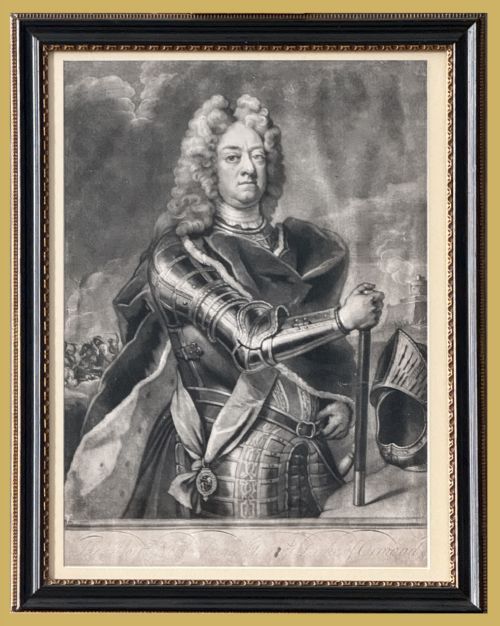
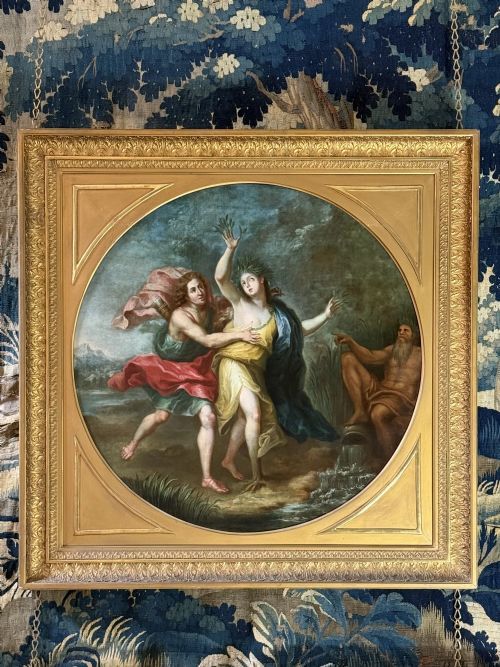
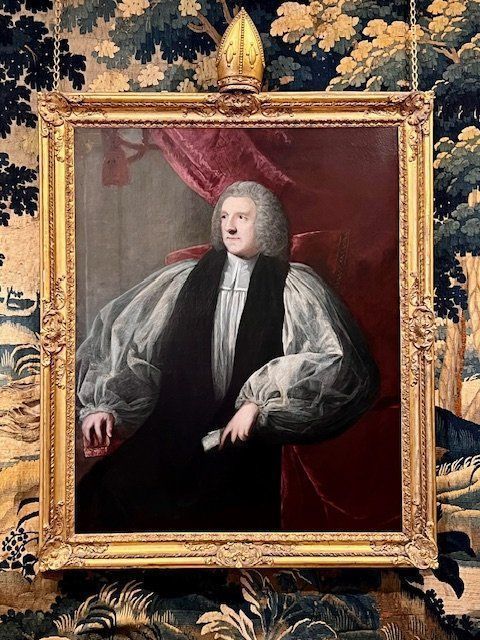
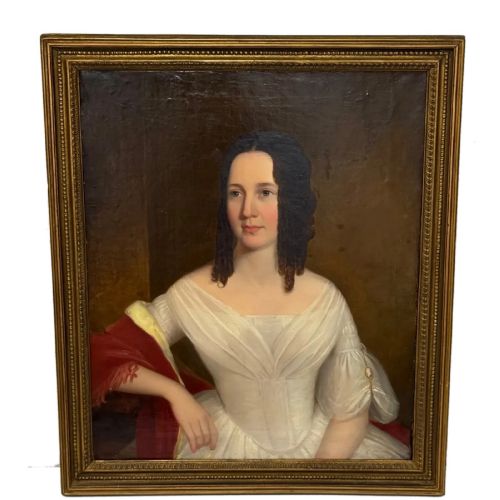
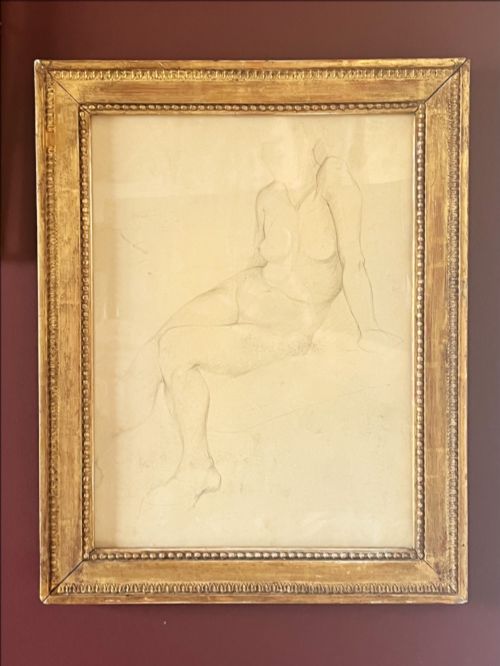
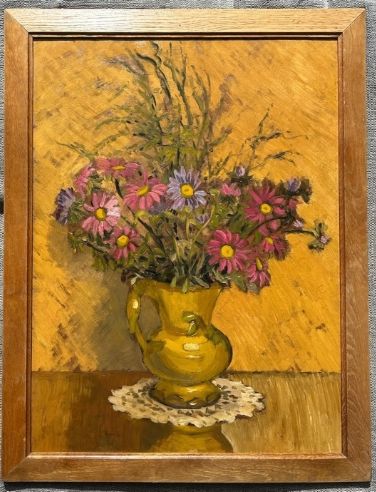
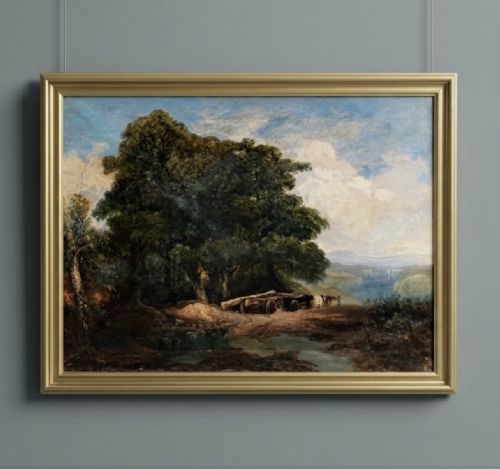
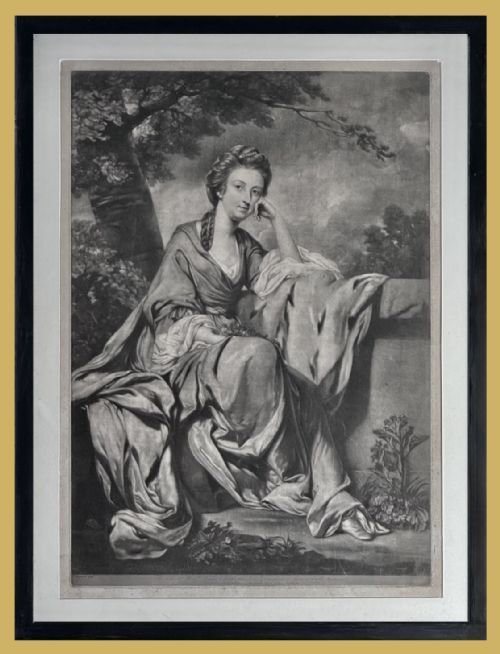
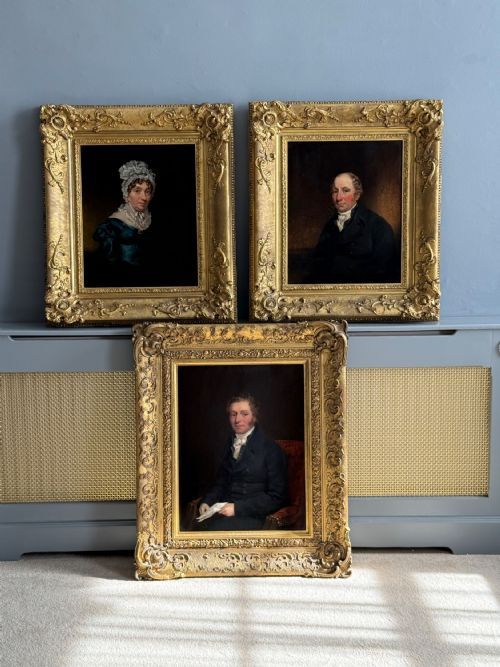
Framed wall artwork comprises paintings on canvas, panel and paper enclosed within protective wood and gilt frames. When you search for framed wall artwork, you encounter varied expressions ranging from nineteenth-century classical portraits to modern British compositions.
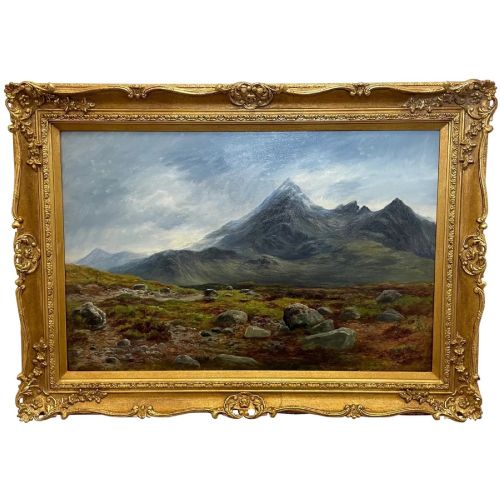
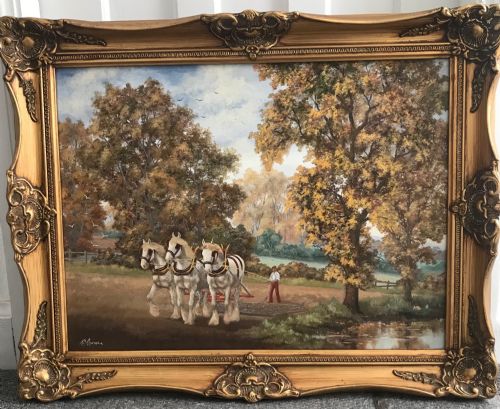
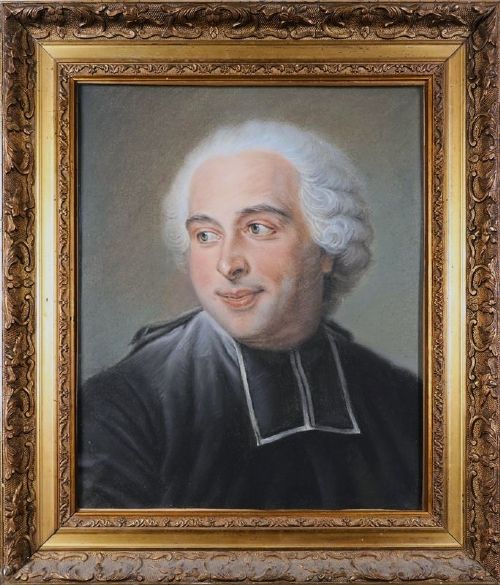
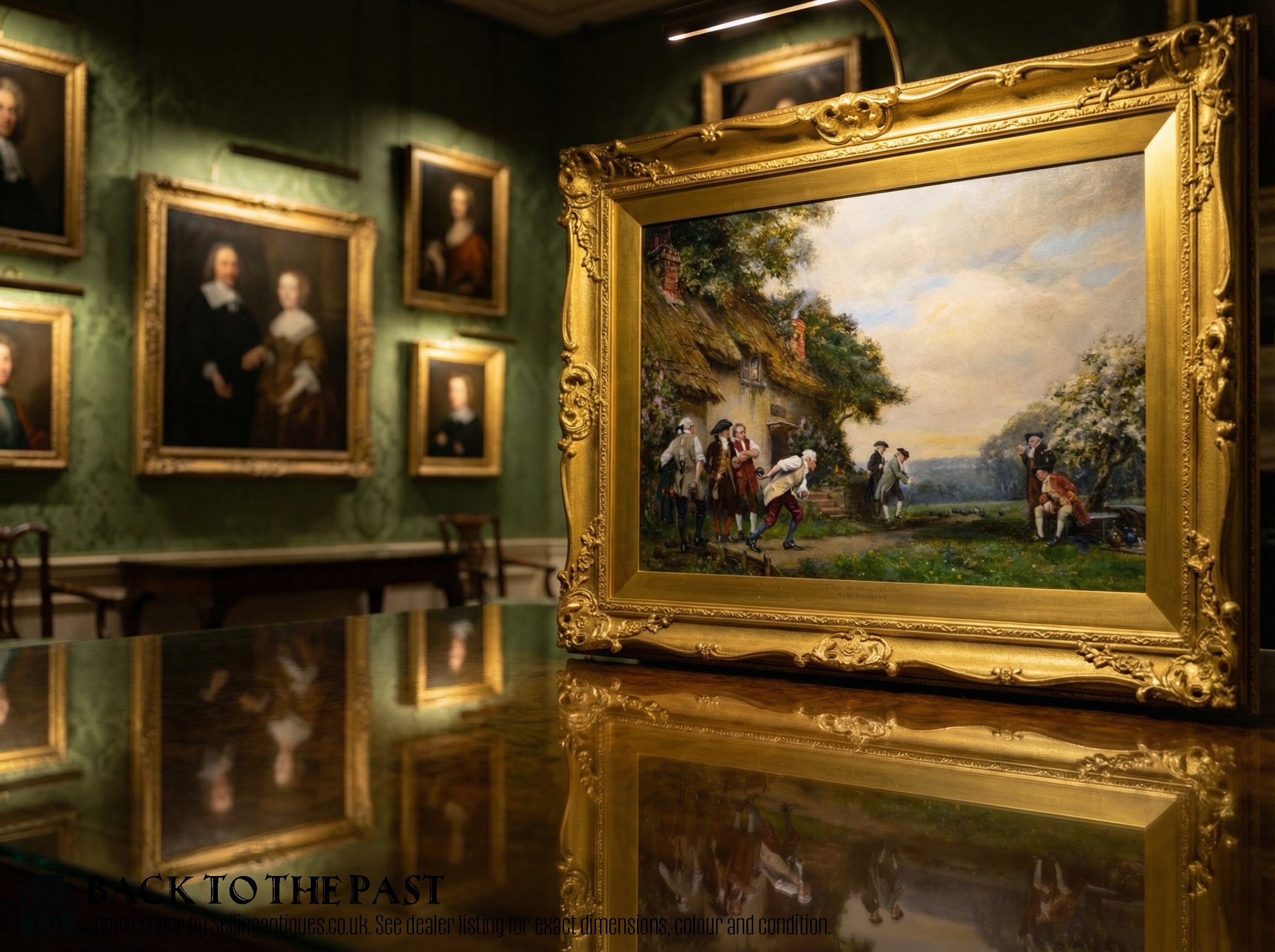
The pieces on this page span the nineteenth century, nineteen-twenties, thirties, forties and fifties. You find historical genre scenes, expansive landscapes, intimate portraits and self-portraits created by named artists.
Works originate from different European traditions, including English and French makers. Each piece combines pictorial representation with a period frame that completes the visual object for display.
How framed wall artwork was made
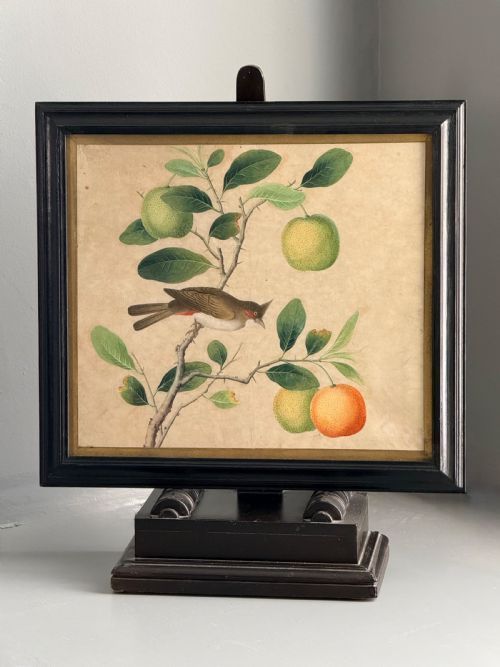
Makers applied oil paint or watercolour onto stretched canvas, wooden panel or paper surfaces. Canvases are supported by wooden stretchers while panels offer a rigid ground for detailed brushwork.
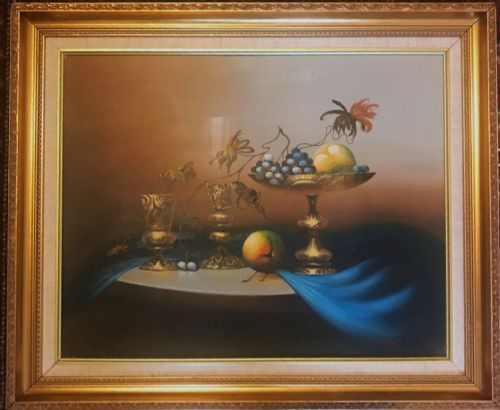
Frames utilise wood, gesso and gold leaf to create decorative borders. Giltwood and gilt wood frames complement the tonal qualities of the paintings they enclose.
Retail Price Guide 2026
Typical UK retail prices for framed wall artwork, calculated from the Sellingantiques database of over a million retail prices indexed since 2003. This retail price guide relies exclusively on Sellingantiques data; no external sources or auction records are used, so the figures do not describe the wider market.
One portrait captures the curator of the Toulouse-Lautrec Museum painting himself.
What varies in quality
Quality rests in the precision of the draughtsmanship and the expressive capability of the brushwork. Works by accomplished painters demonstrate sophisticated handling of light, shadow and subject matter.
The integrity and ornamentation of the surrounding frame contribute to the overall standard of the object. Period frames employing skilled carving, gesso work and gold leaf elevate the visual presence of the artwork.
Sir Joshua Reynolds·Philip Naviasky·Frank Moss Bennett·William Oliver·Edouard Julien·William Crouch
The Framed Wall Artwork Glossary
- Oil on Canvas
- Pigment mixed with drying oil applied to a woven fabric stretched across a wooden frame. This medium allows for rich colour blending and textured application.
- Giltwood
- Wood that has been coated with a thin layer of gold leaf or gold paint. It provides a luminous border that catches ambient light in a room.
- Gesso
- A paint mixture consisting of a neutral binder mixed with chalk, gypsum or pigment. It forms a smooth base on wooden frames before gilding.
- Panel
- A flat piece of wood used as a rigid support for painting. Artists frequently utilised panels for smaller or highly detailed works.
Frequently Asked Questions
How do I hang heavy framed paintings safely?
Heavy framed works require sturdy picture hooks or brackets secured directly into wall studs or masonry anchors. Using two separate hanging points distributes the weight evenly and keeps the piece level.
Ensure the hanging wire or cord on the reverse is strong enough to support the total weight of the canvas and heavy wooden frame.
What lighting suits oil paintings best?
Position paintings away from direct, harsh sunlight to prevent the oil pigments and canvas from fading over time. Controlled, low-heat picture lights or ambient room illumination highlight the brushwork without causing damage.
LED picture lights offer a cool light source that illuminates the colours accurately while protecting the delicate surface.
Can I mix different art periods together?
Combining nineteenth-century classical portraits with modern British landscapes creates a dynamic and layered interior display. Balancing scale, frame styles and subject matter unifies diverse pieces within the same room.
Allow enough neutral wall space between contrasting works to let each individual painting retain its distinct visual impact.