


Framed Victorian Portrait
When you search for a framed victorian portrait, you enter a world of painted likenesses, silhouettes, and miniatures preserved behind glass.
Framed Victorian Portrait
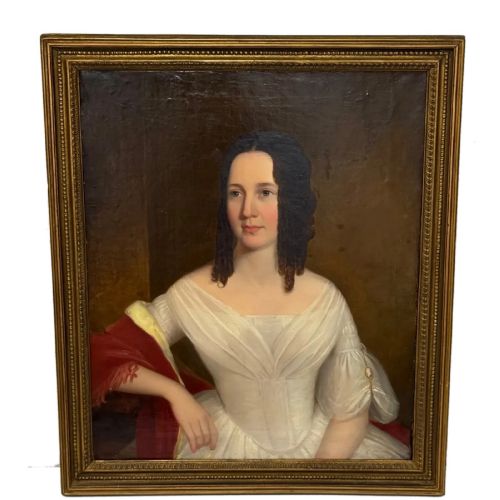
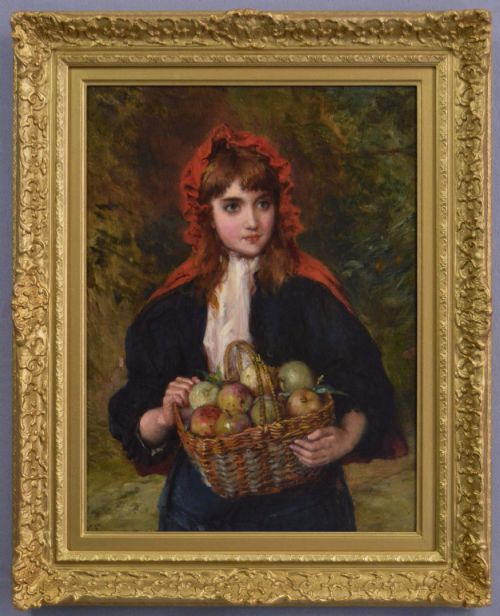
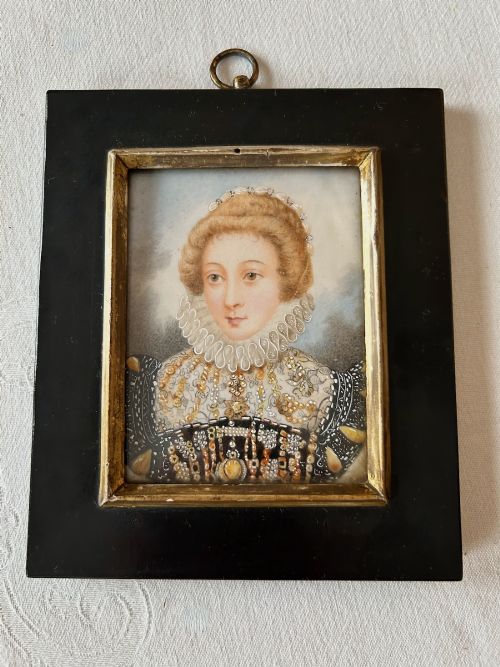
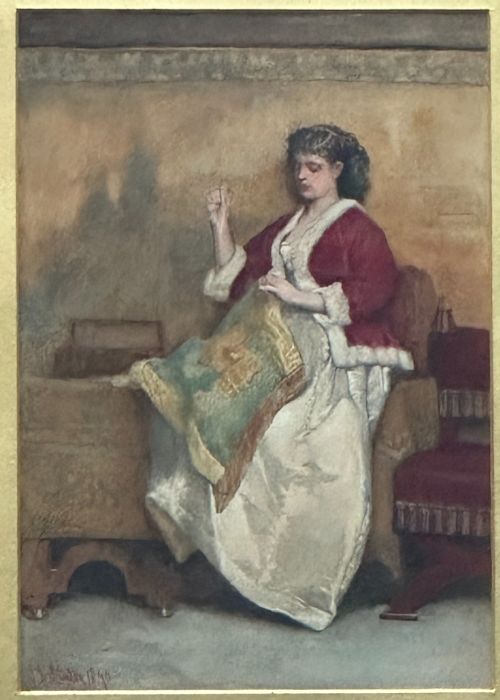
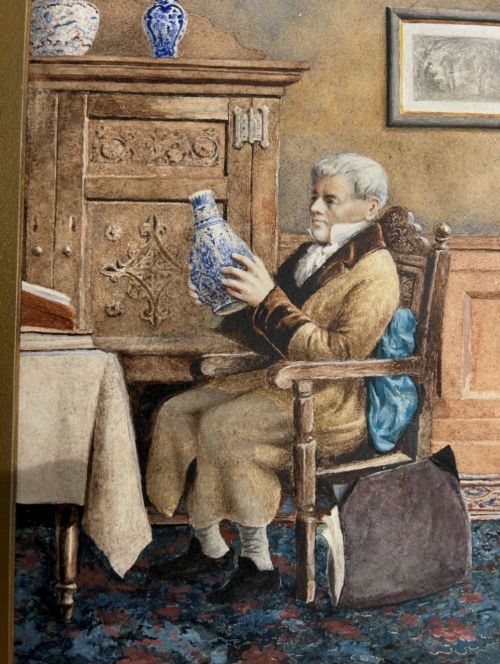
A framed victorian portrait captures the likeness of individuals from the nineteenth century through oil on canvas, watercolour, pastel, and silhouette. These pieces document both prominent figures and anonymous sitters in varied formats ranging from monumental oils to intimate miniatures.
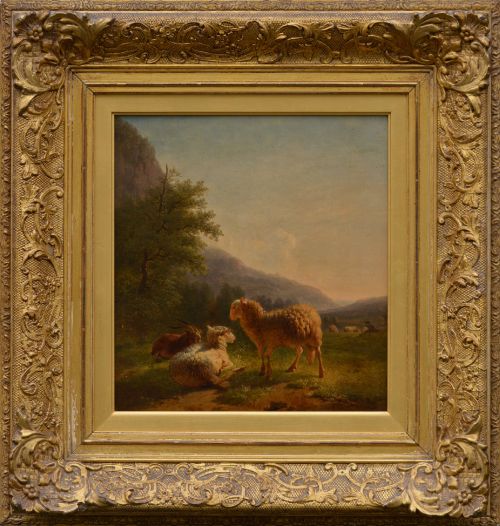
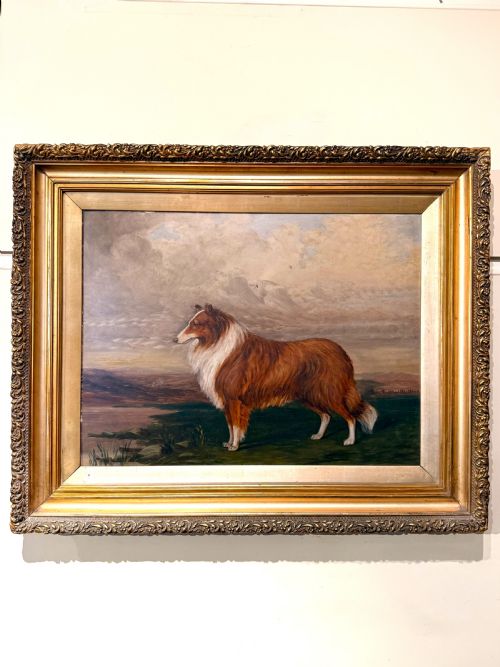
The selections available here lean heavily into oil paintings and detailed paper works produced during the Victorian era and adjacent periods like the Regency and Edwardian years. Buyers encounter everything from grand military depictions to delicate domestic studies of children and animals housed in period surrounds.
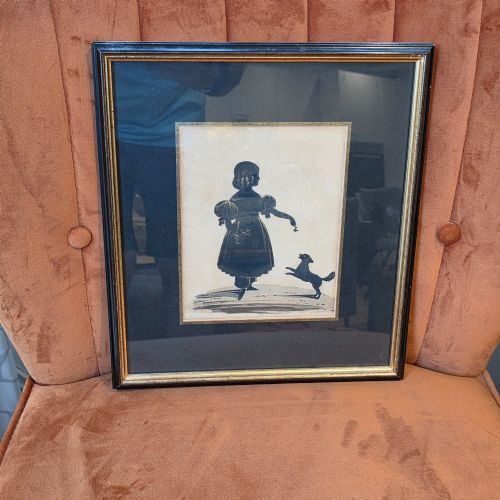
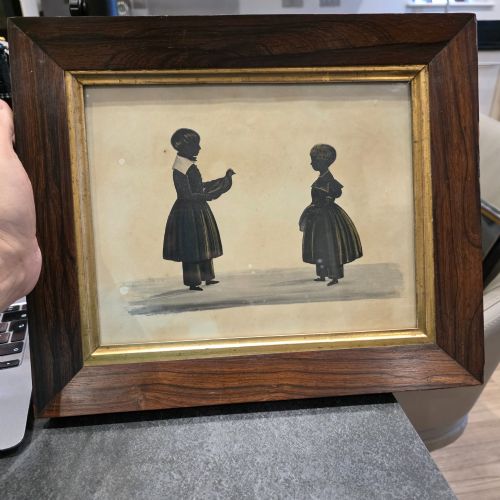
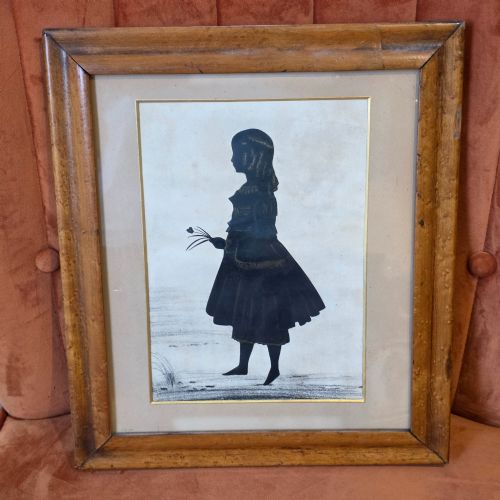
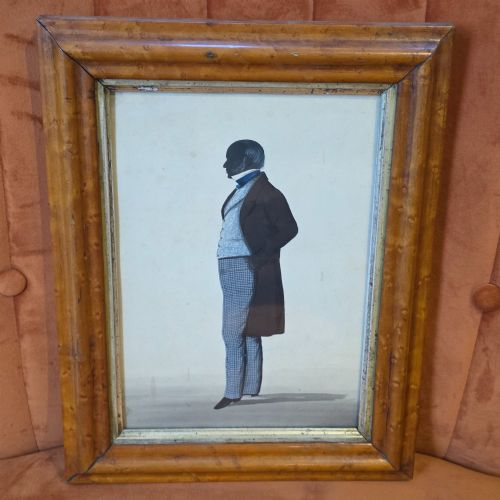
Beyond formal paintings, the selection includes cut-paper silhouettes, needlework depictions, and advertising prints that reflect the broader nineteenth-century appetite for portraiture. Each piece preserves a fragment of historical identity through the distinct lens of its creator.
Materials and construction
Makers built these works using oil paint applied to canvas or wood boards, alongside watercolours, gouache, and cut paper. Canvases stretch over wooden frames while miniatures often utilise delicate supports housed in protective cases.
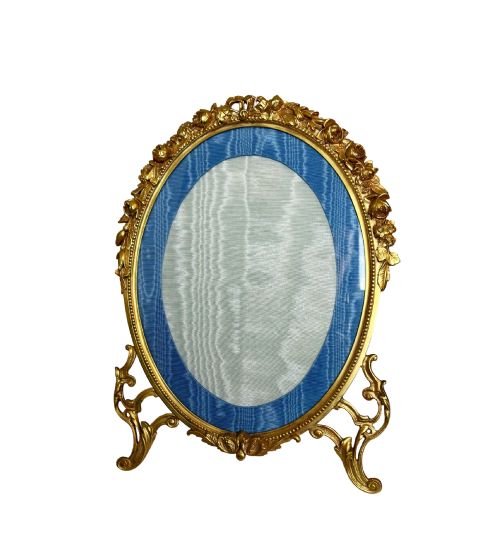
Enclosing these images required specialised framing techniques, employing carved wood, gesso, and gold leaf alongside gilt bronze and burr maple. Glass protects fragile surfaces like paper silhouettes and watercolours from atmospheric damage.
Materials recorded across the selection include gold leaf, gesso, burr maple, and gilt bronze framing delicate canvas and paper supports.
Measures of execution
The housing contributes significantly to the integrity of the piece, with original giltwood, gesso, or burr maple frames holding greater historical weight. Preservation of the underlying canvas or paper without excessive restoration dictates the standing of individual works.
William James Hubard·William Oliver·Eugène Verboeckhoven·Henri Fradelle·Sir James Dromgole Linton·John Maler Collier·Valentine T. Garland·Vittorio Reggianini·Leon Sprinck·Albert Clark
The Framed Victorian Portrait Glossary
- Oil on Canvas
- Pigments bound in a drying oil applied to a woven fabric stretched across a wooden support. This combination provides durability and allows for rich colour layering.
- Silhouette
- A two-dimensional likeness cut from black paper or painted in profile. These works gained immense popularity during the eighteenth and nineteenth centuries before photography.
- Giltwood
- Wood that has been coated with a thin layer of gold leaf or gold paint. It frequently appears on ornate period frames.
- Gesso
- A paint mixture consisting of a neutral binder mixed with chalk, gypsum, or pigment. It prepares wooden frames for gilding.
- Miniature
- A small-scale portrait painted with meticulous detail, often designed to be held or worn. These delicate items frequently feature watercolours on ivory or vellum behind protective glass.
Framed Victorian Portrait: Frequently Asked Questions
How do I identify a Victorian portrait?
Look for clues in the sitter's costume, hairstyle, and the framing materials typical of the nineteenth century. Details such as heavy giltwood surrounds and specific painting techniques often point to this period.
Examination of the backing boards, nails, and canvas weave can also confirm the age of the piece. Signatures or inscriptions on the reverse frequently provide dates and the names of sitters or artists.
Were these portraits painted from life?
Many portraits were commissioned from life by artists working in studios or visiting homes. Sitters sat for hours while painters captured their likenesses in oil or watercolour.
Some later works or miniatures relied on earlier sketches, photographs, or existing paintings. The method often depended on the status of the sitter and the function of the artwork.
How should I hang these framed works?
Support the weight of heavy oil paintings securely using appropriate wall fixings rather than simple picture wire alone. Ensure the wall space remains free from direct sunlight to protect fragile watercolours and pigments from fading.
Mantelpieces and drawing room walls provide traditional settings that complement the scale of these historical frames. Keep them away from extreme temperature fluctuations to prevent wood and canvas from warping.
What is the difference between an oil and a silhouette?
An oil painting utilises pigmented paste on canvas to create detailed, full-colour representations with depth and texture. A silhouette relies on stark contrast, using cut paper or dark pigment to render a profile.
Silhouettes offer a graphic, minimalist approach to portraiture that contrasts with the realism of Victorian oil paintings. Both formats served to record personal likenesses before the widespread adoption of photography.