

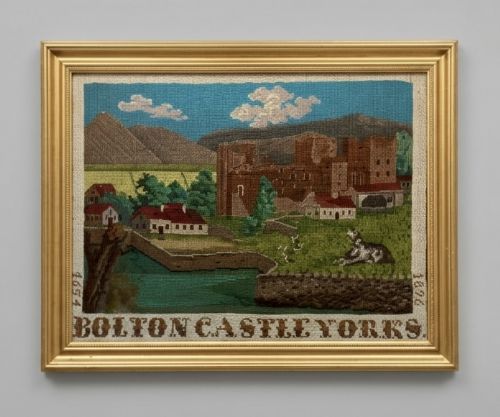
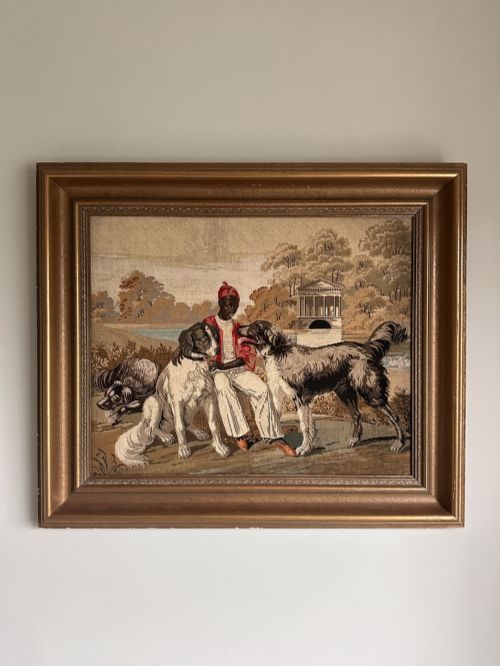
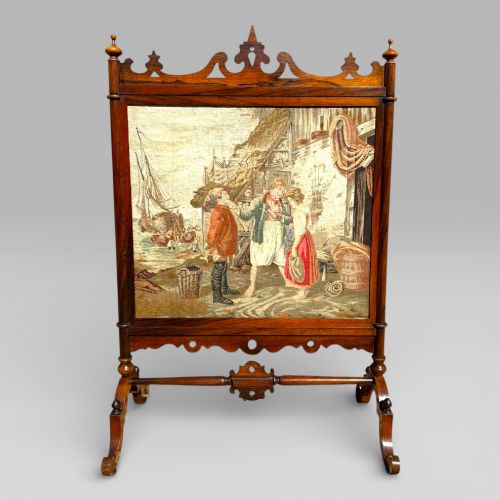
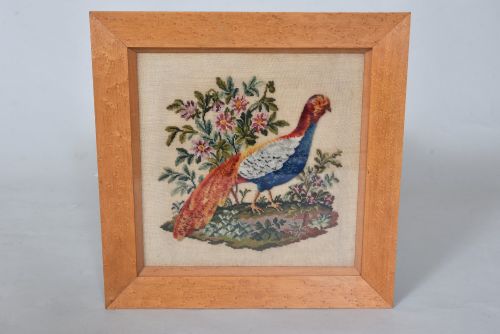


Framed Victorian Embroidery
Framed victorian embroidery pieces bring nineteenth-century handiwork into modern rooms through wool, silk, and canvas wall art.
Framed Victorian Embroidery
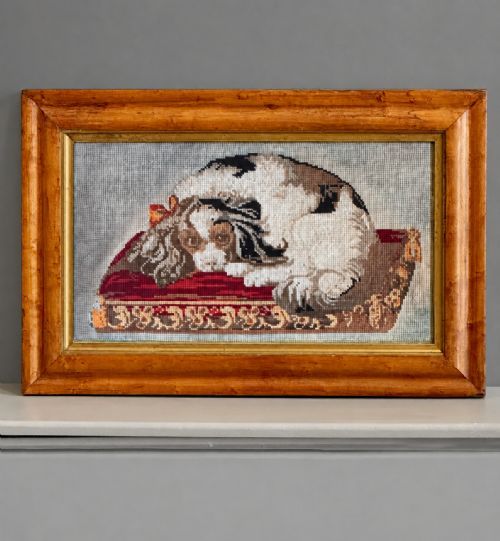
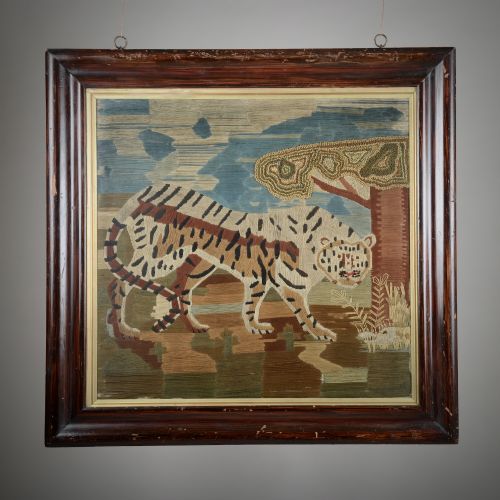
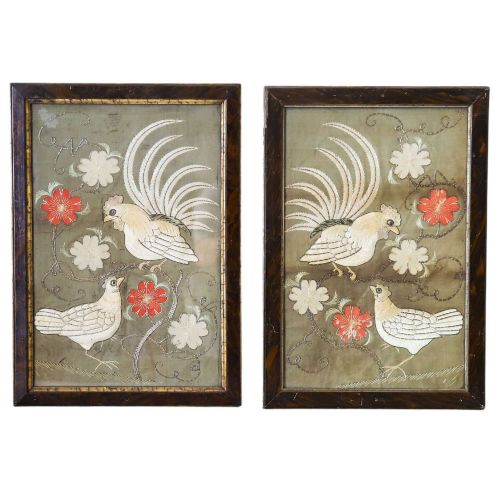
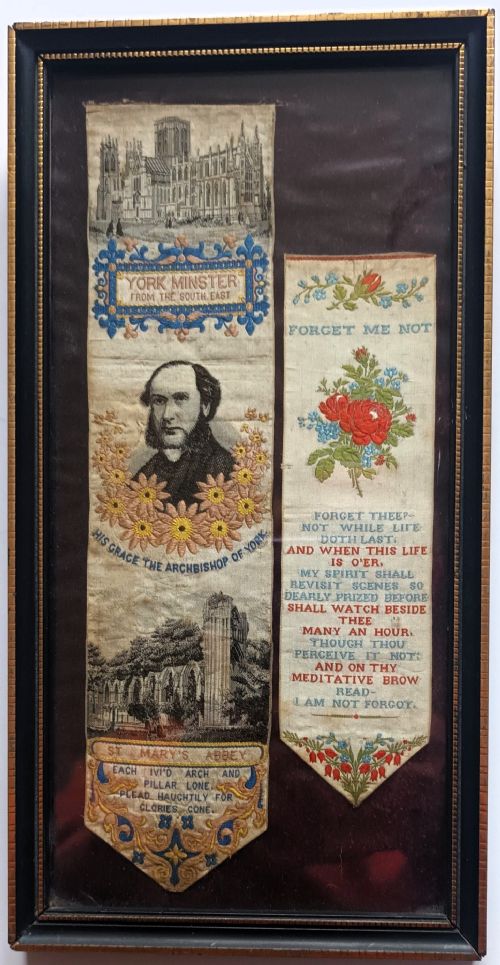
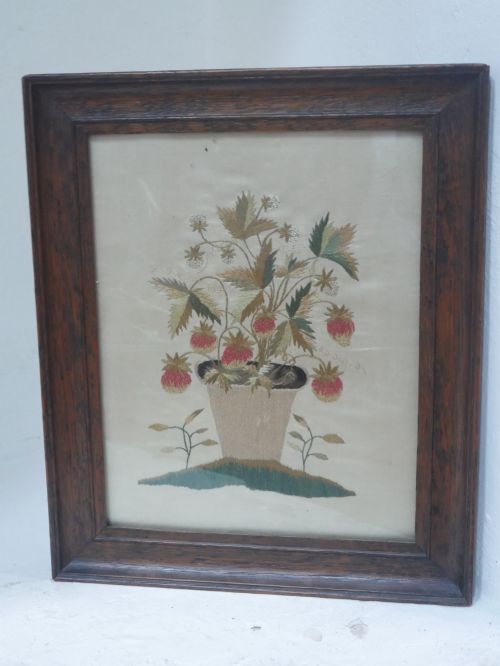
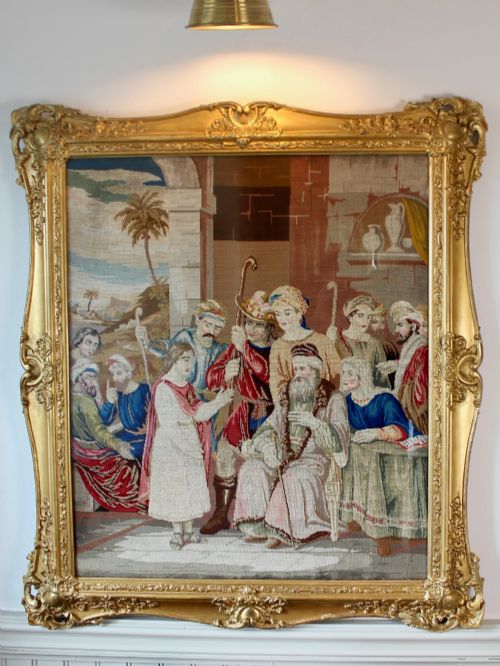
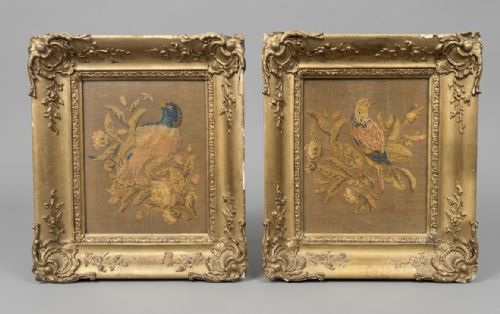
When you search for framed victorian embroidery, you encounter textile art spanning the nineteenth century, including woolwork, crewelwork, and Berlin woolwork. Samplers, animal portraits, and historical scenes form the core of what survives on the wall today.
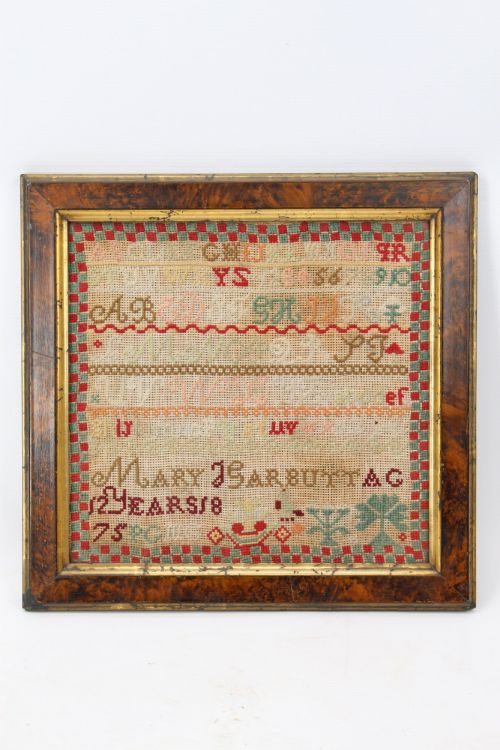
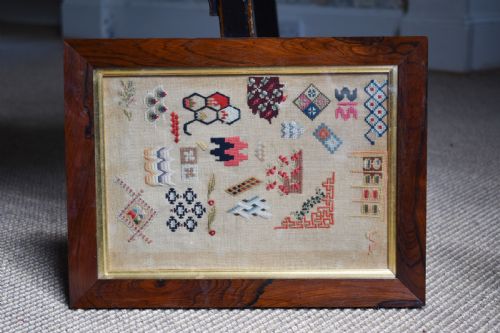
You are most likely to meet needlework samplers and wool pictures housed behind glass in original timber surrounds. These pieces range from simple schoolgirl exercises to detailed silkwork panels executed in the Victorian style.
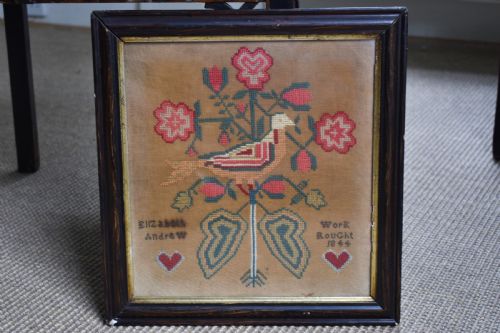
The materials reflect the domestic interiors of the period, pairing stitched canvas and linen with wooden framing. Many works carry the dates and ages of their makers, grounding the textiles in specific decades of the nineteenth century.
How they were made
Maker's hands worked wool, silk, and cotton threads onto open-weave canvas, linen, and wool backing grounds. Stitches varied from gros-point and cross-stitch to fine silk embroidery techniques.
Finished textiles were stretched and mounted into protective frames made from mahogany, burr maple, giltwood, and simple moulded timber. Glass protected the delicate fibres from dust and atmospheric grime over generations.
Framed Victorian Embroidery Retail Price Guide 2026
Typical asking prices for framed victorian embroidery among the pieces listed under this phrase on Sellingantiques today, from the lower quarter to the upper quarter. They describe what is for sale here now, not the wider market.
The inventory records Berlin work, crewelwork, samplers, and woolies mounted in giltwood and burr maple frames.
What varies in quality
The standard of execution separates accomplished pictorial needlework from basic schoolroom practice. Superior examples show careful shading, balanced composition, and secure stitch tension across complex human, animal, or architectural subjects.
Survival of the original frame and glass heavily influences the integrity of a piece. Housing that matches the age of the textile preserves the work without modern alterations.
Stevens of Coventry
The Framed Victorian Embroidery Glossary
- Berlin work
- A type of counted-thread embroidery popular in the nineteenth century, worked in wool on canvas from printed and hand-coloured grid patterns. It allowed makers to create elaborate pictorial scenes with rich colour gradations.
- Sampler
- A piece of needlework produced to demonstrate skill in various stitches and alphabets, often including the maker's name, age, and date. They served as both practical technique records and decorative household items.
- Woolie
- A colloquial term for wool embroidery pictures made by sailors during the nineteenth century. These works frequently depicted naval ships, flags, and maritime scenes.
- Gros-point
- A coarse needlepoint stitch worked on canvas, providing a durable texture suitable for figurative panels and upholstery. It creates a bold, raised surface compared to fine silk thread work.
Framed Victorian Embroidery: Frequently Asked Questions
How should I hang framed victorian embroidery?
Keep textile art away from direct sunlight to prevent the wool and silk threads from fading. Indirect natural light protects the delicate fibres and original framing materials.
Ensure the wall space remains stable in humidity and temperature. This prevents moisture from damaging the backing boards and glass interiors.
How do I date a needlework sampler?
Makers frequently stitched their names, ages, and exact years directly into the canvas. Examining these dates alongside the surrounding lettering style helps establish the period.
Frame construction and backing materials provide secondary clues for dating. Older pine boards and handmade nails support the inscribed year.
Are these embroideries glazed?
Most surviving examples sit behind protective glass to shield the threads from dirt and smoke. Original panes often display slight ripples and bubbles typical of nineteenth-century manufacture.
Glazing prevents casual handling of the fragile silk and wool surfaces. It remains a key component of authentic period framing.