

Framed Sporting Painting
A framed sporting painting captures the dynamic energy of hounds, horses, and field sports preserved across centuries on canvas and paper.
Framed Sporting Painting
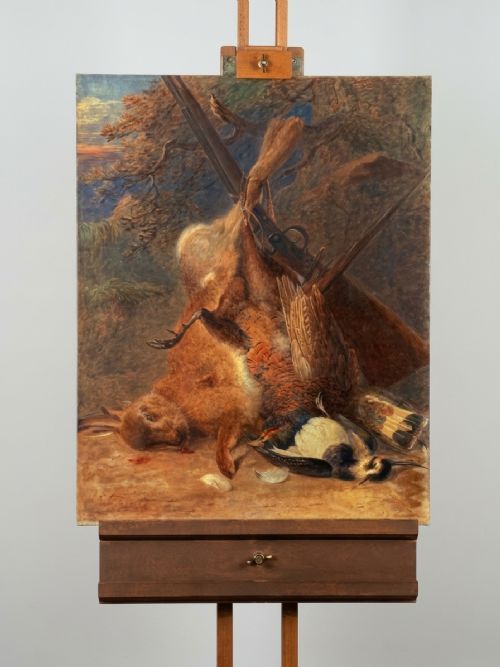
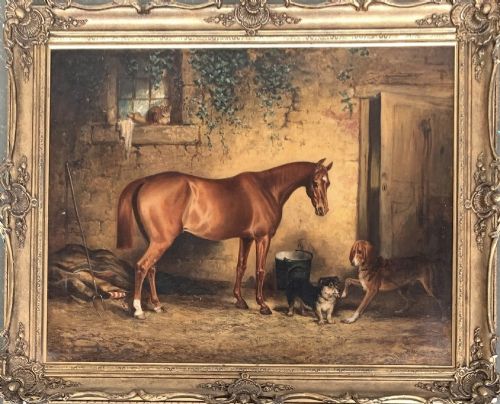
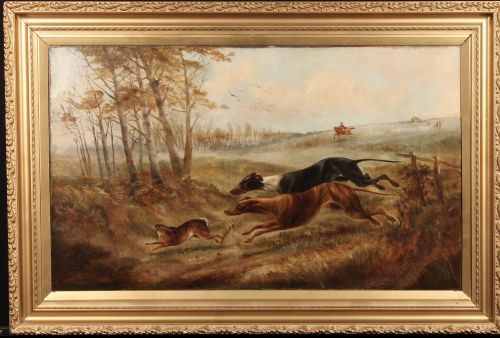
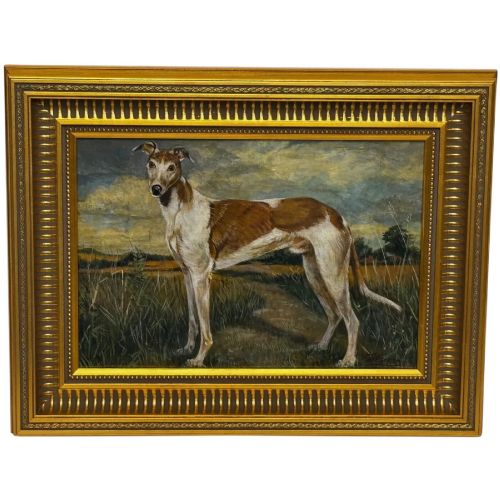
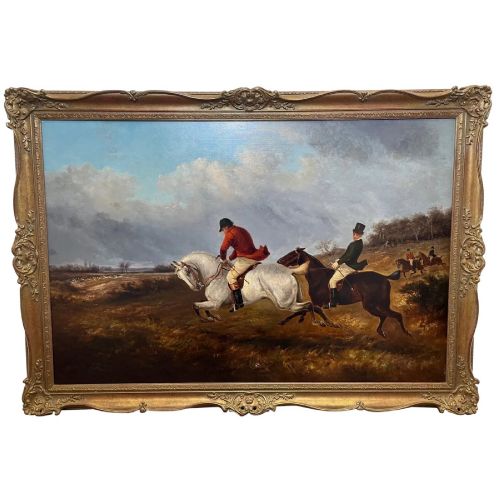
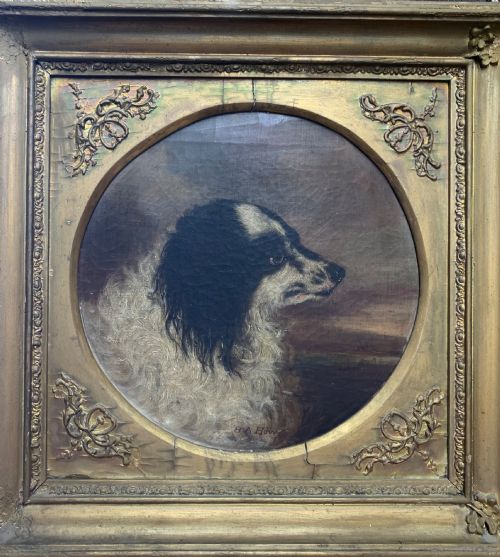
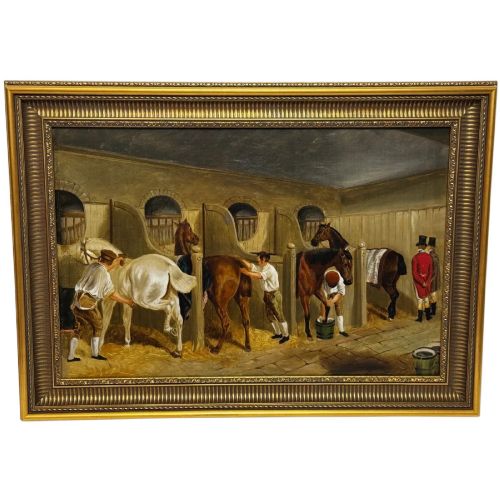
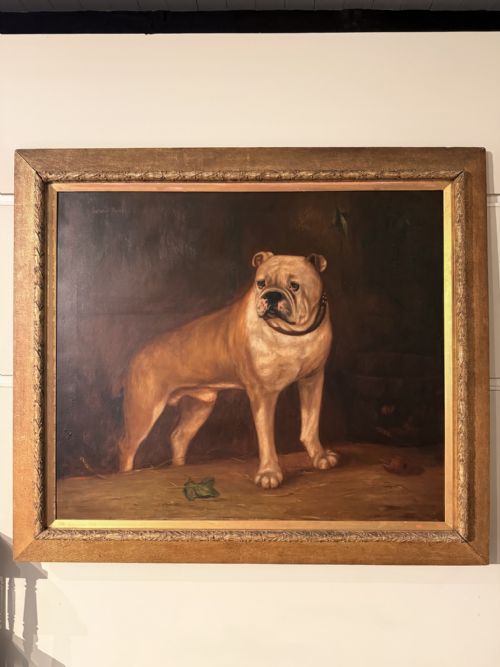
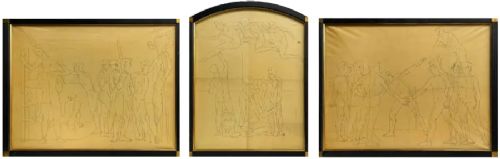
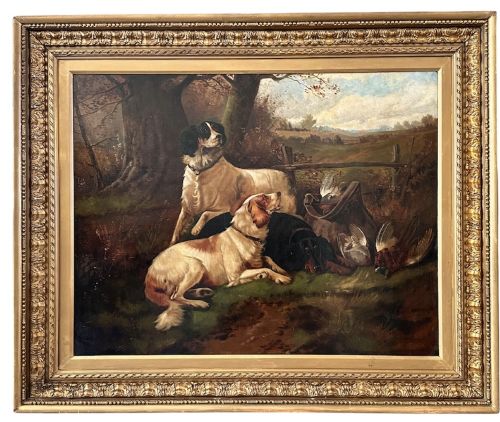
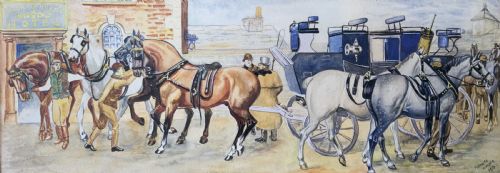
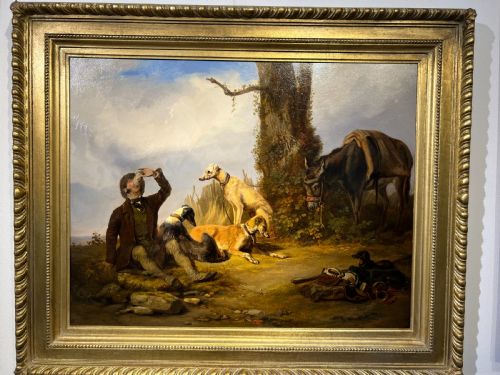
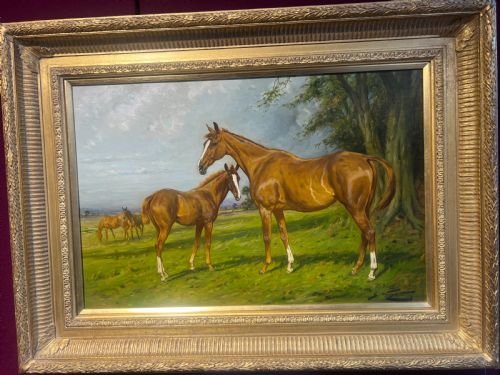
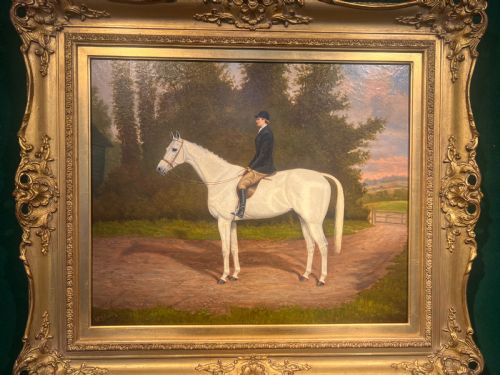
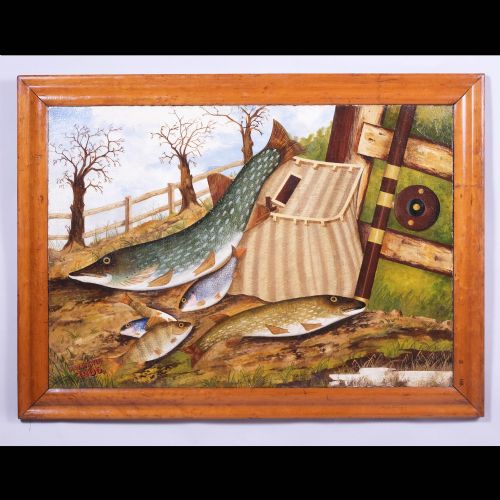
A framed sporting painting encompasses equine portraits, hunting scenes, racing subjects, and depictions of working dogs in various landscapes. Buyers searching for a framed sporting painting encounter works stretching from the Victorian era through the Edwardian period and into the mid-twentieth century. The selection ranges from grand oil portraits of prize racehorses to intimate watercolours of game birds and canine studies.
The subjects reflect traditional British pastimes, recording specific animals, race winners, and rural pursuits by named artists and anonymous hands alike. Canvases and paper works often arrive enclosed in period wood or gilt frames that complement the traditional equestrian or canine subject matter.
Materials and Construction
Artists relied primarily on oil paint applied to canvas or wood panels, alongside watercolours and gouache on paper protected beneath glass. Canvases provide the durable support necessary for large-scale horse and hound compositions, while paper accommodates finer illustrative detail in bird and dog studies.
Framing forms an integral part of the physical object, utilising carved and gilded wood or simpler oak mouldings to contain and present the artwork. These surrounds frequently date from the same period as the painting itself, completing the structural ensemble.
Framing materials recorded across the inventory include traditional giltwood, plain wood, and oak surrounds protecting paper under glass.
Assessing Artistic Merit
Quality rests upon the artist's anatomical accuracy in rendering animals, the handling of light within the landscape, and the expressiveness captured in a horse's eye or a dog's posture. Superior works demonstrate a confident command of proportion and movement, particularly in complex multi-figure hunting or racing scenes.
The depth of provenance and attribution to documented painters elevate individual pieces above standard decorative works. Furthermore, the preservation of the original paint surface and the integrity of the period frame influence the overall standing of the piece.
Thomas Smythe·Sir Edwin Henry Landseer·George Wright·William Albert Clarke·Henry Barraud·Ernest Payne·Edward Priestley·George Rankin·Philip Rideout·Thomas Walker Bretland·John Frederick Herring Snr·John Emms·John Ferneley Senior·Alfred Munnings·John Rattenbury Skeaping·Arthur Wardle·Albert Clark
The Framed Sporting Painting Glossary
- Canvas
- A heavy woven fabric stretched across a wooden frame to serve as a support for oil painting. It allows for textured brushwork and large-scale compositions.
- Giltwood
- Wood carved and coated with a thin layer of gold leaf or metallic gilt. This material is standard for traditional antique picture frames.
- Provenance
- The documented history of ownership of an artwork. It establishes authenticity and traces the path of the piece from its creation.
- Gouache
- An opaque water-based paint medium utilised for works on paper. It offers denser colour saturation than traditional watercolour.
Framed Sporting Painting: Frequently Asked Questions
What periods do these paintings cover?
The works span from the nineteenth century through the Edwardian era up to the mid-twentieth century. Victorian examples frequently depict grand equine portraits and hunt scenes.
Later pieces move into twentieth-century racing studies and more modern interpretations of sporting subjects.
Are watercolours as durable as oils?
Watercolours on paper are more sensitive to light and moisture than oil paintings on canvas. They require glass protection and acid-free mounting to prevent fading and paper degradation.
Keeping them out of direct sunlight ensures the pigments retain their original tone over decades.
How do I identify the artist?
Signatures, monograms, or inscriptions on the front or reverse of the canvas often reveal the creator. Exhibition labels and old gallery stamps on the frame or stretcher bars provide additional clues.
Matching the painting style and subject matter to recorded works helps confirm an attribution.