



Framed Scottish Loch Artwork
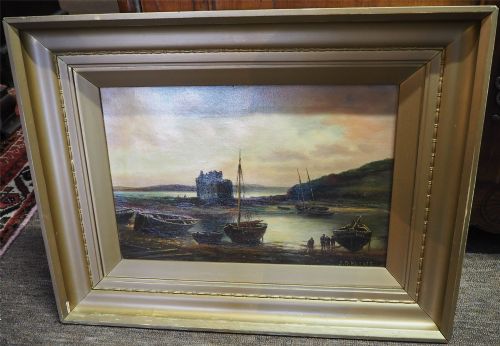
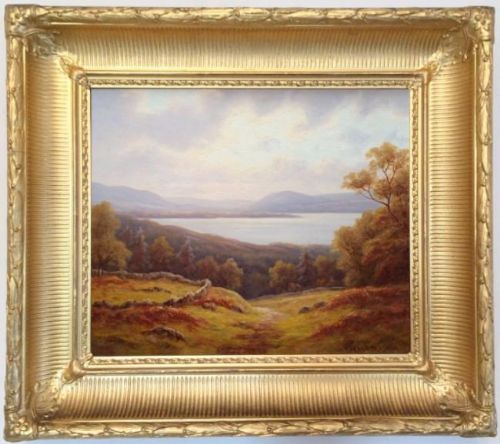
Framed scottish loch artwork brings the atmospheric light and dramatic waters of the Highlands directly onto the wall.
Framed Scottish Loch Artwork
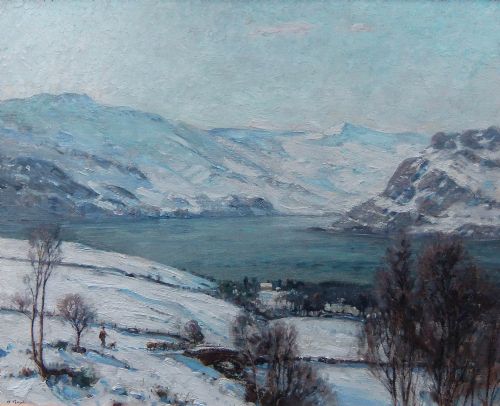
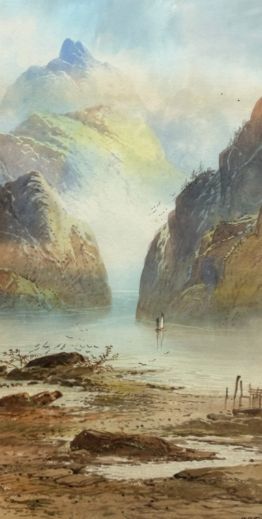
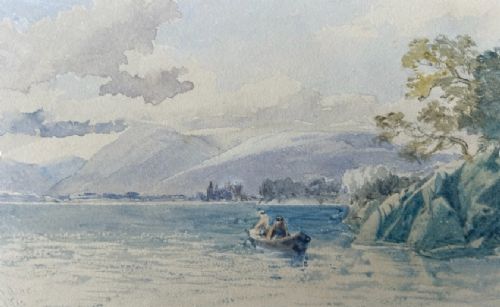
When searching for framed scottish loch artwork, collectors encounter landscape scenes rendered during the nineteenth and twentieth centuries. These pieces record specific waters such as Loch Lomond, Loch Tay, and Loch Ness under varying atmospheric conditions.
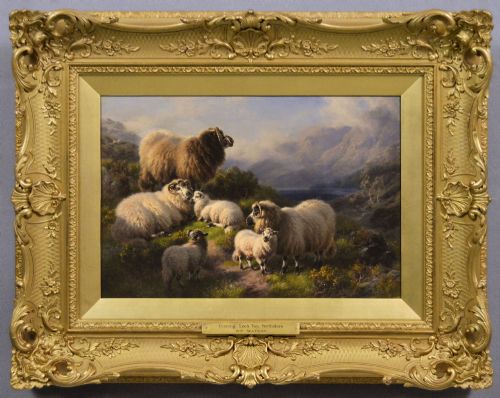
The most common formats on this page are oil paintings on canvas and watercolour paintings on paper. These works frequently incorporate framing using wood, gilt, and gesso to present the highland scenery.
Materials and Technique
Artists painted these highland scenes using oil paint on canvas or watercolour on paper, sometimes employing gouache to build opaque highlights. Canvases are stretched over wooden frames and secured within decorative surrounds.
The frames themselves typically combine carved wood finished with gesso and gilt layers to complement the visual depth of the painted landscape.
Highland cattle make frequent appearances by the water, seemingly unfazed by nineteenth-century mist.
Judging Quality
Quality rests upon the handling of light, atmospheric moisture, and topographical accuracy within the painting. Master painters capture the characteristic mist and reflection on the water with assured brushwork rather than rigid detail.
The integrity and period appropriateness of the frame also influence the overall standard, as original gilt and gesso mouldings preserve the historic context of the artwork.
Thomas Miles Richardson Jnr·William Henry Earp·William Watson Jnr·Henry Robinson Hall·Henry Hillier Parker·Frank Hider·James Bell Anderson·Stanley Orchart·William Miller Frazer·Daniel Sherrin·Alfred de Breanski Snr·AJ Thornton·George Cole·Gustave De Breanski·George Melvin Rennie
The Framed Scottish Loch Artwork Glossary
- Gesso
- A plaster-like mixture applied to wooden frames before gilding or painting. It provides a smooth surface for intricate mouldings.
- Gilt
- A thin layer of gold leaf applied to the surface of a frame. This finish adds reflective warmth to the border of the artwork.
- Watercolour painting
- Pigments suspended in a water-based solution applied to paper. This medium creates translucent washes suited to damp highland skies.
- Oil on canvas
- Pigments bound in oil applied to a woven fabric support. This technique allows for rich texture and deep tonal layering.
- Gouache
- An opaque water-based paint containing pigment and a binding agent. It provides solid areas of colour and sharp highlights in works on paper.
Framed Scottish Loch Artwork: Frequently Asked Questions
How do I identify a Victorian loch painting?
Victorian loch paintings often display dramatic weather, mountainous backdrops, and highland cattle rendered in rich oil paint or detailed watercolour.
Examination of the canvas support, stretcher bars, and framing materials helps confirm the nineteenth-century origins of the piece.
What subjects appear in these framed artworks?
These artworks depict Scottish inland waters, surrounding glens, ruined castles, and mountain peaks such as Ben Lawers. Many compositions include sheep or cattle grazing near the shoreline.
Artists frequently captured specific locations including Loch Tay, Loch Earn, and Loch Etive under morning mist or sunset light.
Are these artworks supplied ready to hang?
The pieces on this page are framed, usually in period wood, gilt, or gesso settings. This housing protects the canvas or paper edges.
Buyers can mount these framed works directly onto interior walls upon receipt.
How do watercolours differ from oils in these scenes?
Watercolour paintings utilise translucent washes on paper to capture the soft, shifting mists over northern lochs. They are typically presented under glass within a protective mount and frame.
Oil paintings utilise heavier pigment layers on canvas, offering deeper textures and stronger resistance to light exposure over time.