

Framed Rural Scene Painting
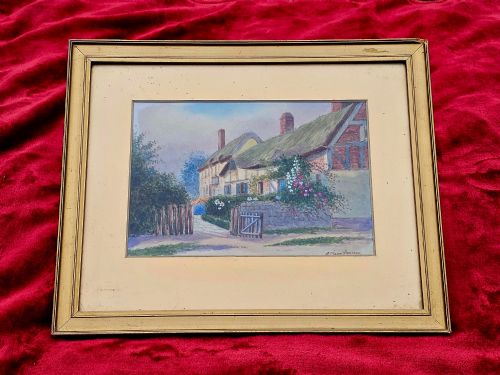
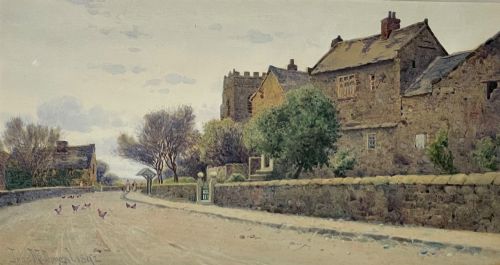
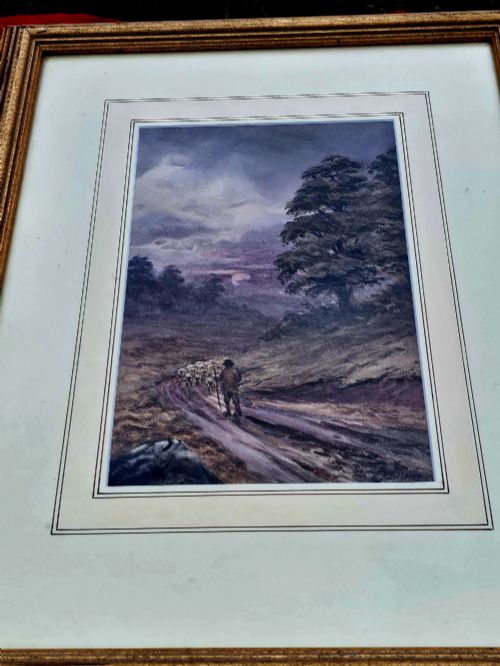
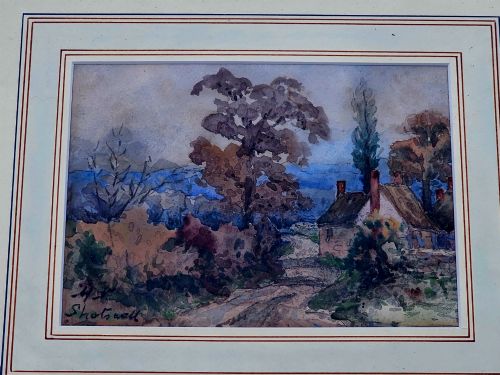
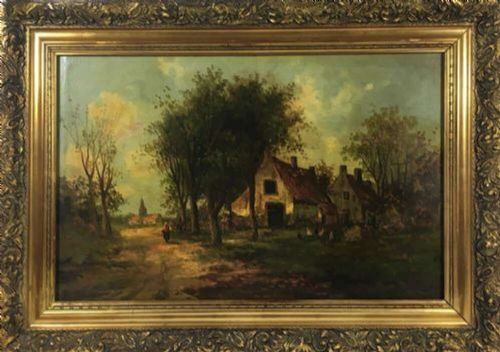
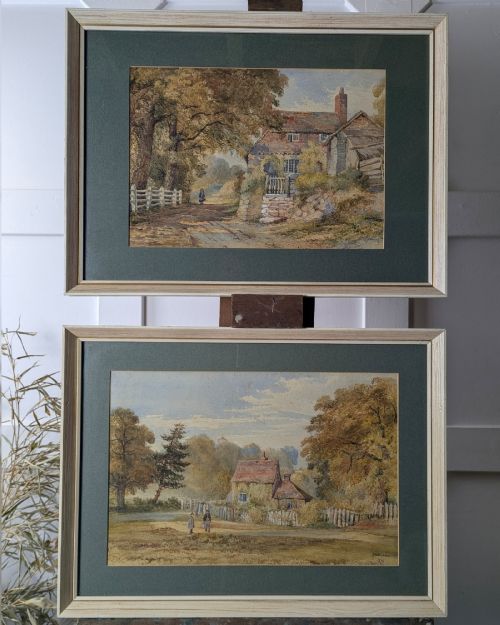
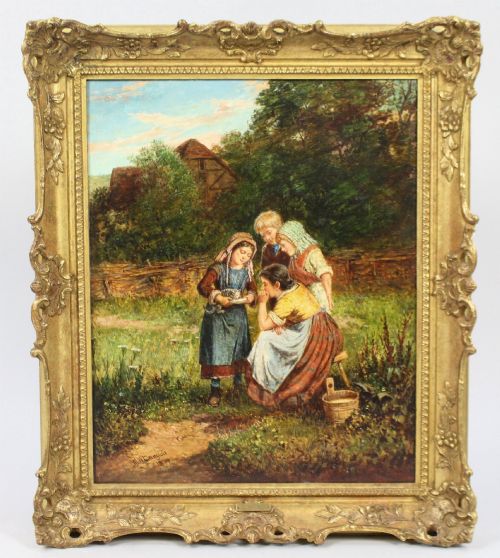
A framed rural scene painting brings the quiet of the countryside indoors, capturing fields, cottages, and farm life through oil or watercolour.
Framed Rural Scene Painting
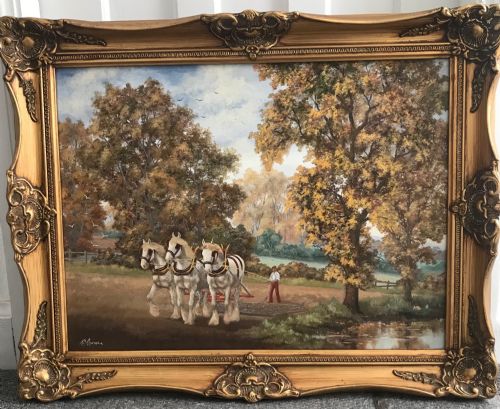
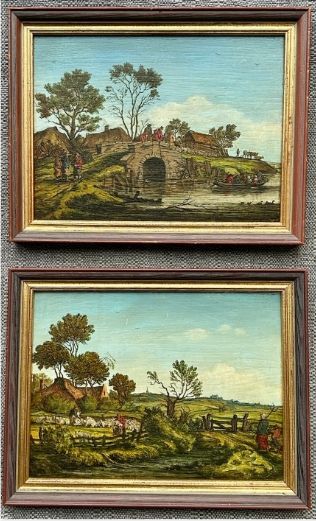
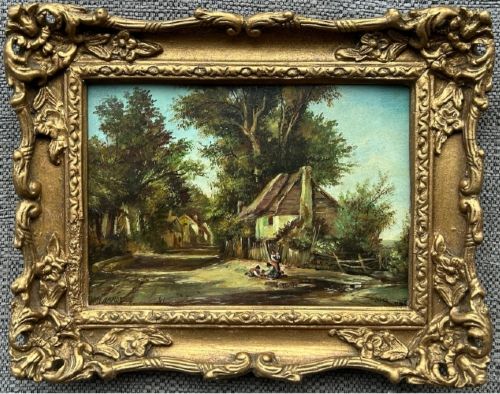
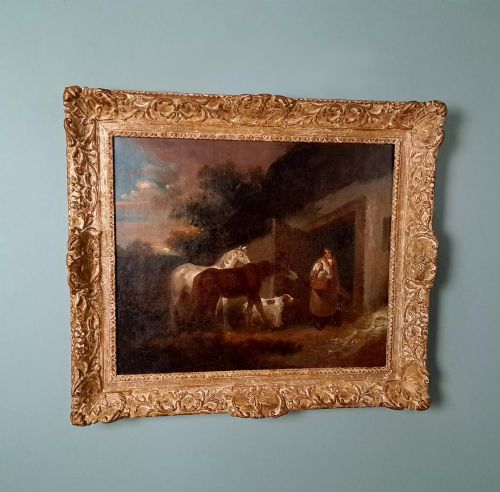
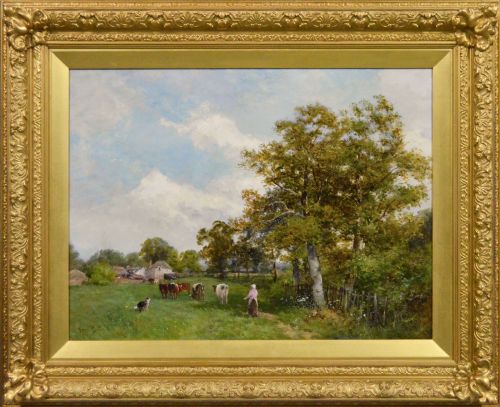
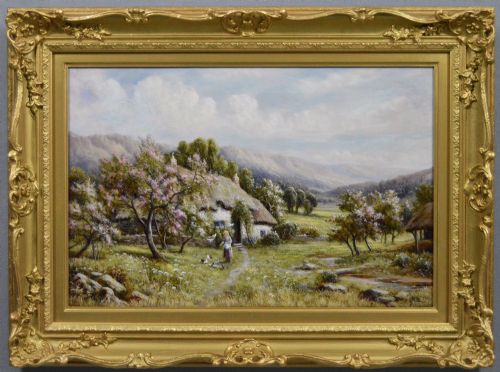
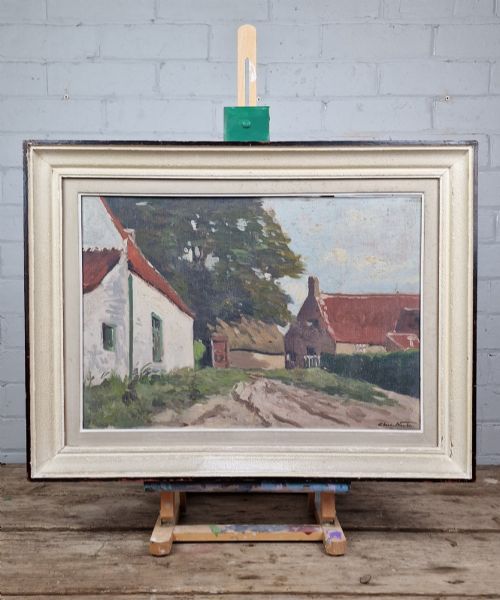
When you search for a framed rural scene painting, you encounter works depicting agricultural life, village cottages, livestock, and country landscapes. These pieces span the Victorian and Edwardian eras up to the mid-twentieth century, created by British and European artists who observed pastoral environments directly.
How they were made
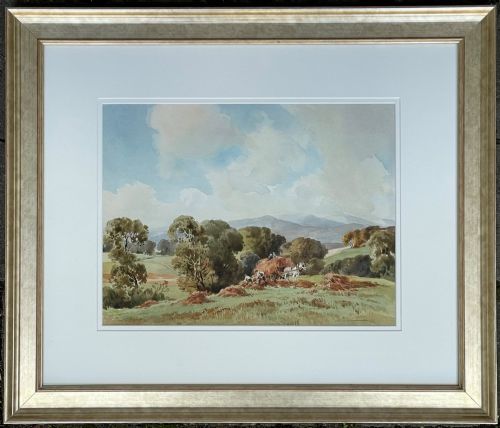
Artists painted these rural subjects using oil paint or watercolour applied to canvas, wood panels, card, or heavy paper. Oil paint allowed for rich textures and deep colour layering, while watercolour facilitated transparent, luminous washes for skies and pastoral light.
Finished works were mounted behind glass for watercolours or left open for oils, then housed in timber frames, frequently finished with gilt wood moulding to complement the composition.
Framed Rural Scene Painting Retail Price Guide 2026
Typical asking prices for framed rural scene painting among the pieces listed under this phrase on Sellingantiques today, from the lower quarter to the upper quarter. They describe what is for sale here now, not the wider market.
Represented styles encompass British Impressionism, Victorian Realism, and the Flemish School.
What varies in quality
Quality rests in the artist's ability to handle light, perspective, and anatomical proportion, particularly in complex subjects like working horses, cattle, and human figures. Superior works display confident brushwork and a convincing sense of atmosphere rather than stiff, formulaic rendering.
The integrity of the physical materials also differentiates the range, from robust oil on panel works with intact original gilt frames to works affected by heavy past restoration or unstable supports.
George Graham·Percy Lancaster·William Howard Hardy·William Joseph Shayer Senior·John McDougal·EJ Letheren·Robert A Nottingham·Mark William Langlois·David Bates·Robert John Hammond·Charles Houben·John Horace Hooper·George Augustus Holmes·Raymond Booth·Frederick Walker·Eric Brown·George Oyston·Frederick James Kerr·Edgar Hunt·Umberto Volpato·William Greaves·Miles Birkett Foster·Herman S Melville·Charles Edward Wilson·Frederick Hines
The Framed Rural Scene Painting Glossary
- Oil on Canvas
- Pigment mixed with drying oil applied to stretched woven fabric. This medium allowed artists to build rich textures and deep tones.
- Watercolour
- Pigment suspended in a water-based solution applied to paper. It provides transparent washes well suited to capturing changing weather and light.
- Gilt Wood
- Timber framing finished with a thin layer of gold leaf or metallic gilt paint. It provides a decorative border that enhances the tones of the painting.
- Panel
- A flat piece of wood or card used as a rigid support for painting. These grounds offer a stable surface for detailed brushwork.
- Pastoral
- A style or subject matter concerning the rural countryside, agriculture, and farm life. These scenes emphasise a peaceful connection to nature.
Framed Rural Scene Painting: Frequently Asked Questions
What periods do these paintings come from?
The works listed here primarily date from the nineteenth century through the early and mid-twentieth century. This includes Victorian and Edwardian productions alongside later provincial pieces.
Such dates reflect the height of British and European landscape and genre painting traditions, when artists frequently turned to rural life for inspiration.
Are the frames original to the paintings?
Many pieces retain their period wooden or gilt frames, which often show appropriate signs of age and wear. These surrounds were chosen to complement the artistic style of the era.
In some instances, a work may have been reframed later in its lifespan to better suit contemporary interior tastes while protecting the canvas or paper.
How should I care for an antique painting?
Keep painted artworks away from direct sunlight and damp environments to prevent the canvas from sagging or the pigments from fading. Stable indoor temperatures protect both the support and the surrounding frame.
Dust wooden frames gently with a dry cloth and avoid using liquid cleaners on the painted surface or exposed paper.
What is the difference between oil and watercolour?
Oil paintings utilise thick pigments suspended in oil on canvas or wood, creating durable surfaces with visible texture. They do not require glass protection.
Watercolours use water-soluble pigments on paper and must be displayed behind glass to prevent moisture and dust from damaging the delicate surface.