






Framed Porcelain Wall Art
These framed porcelain wall art pieces combine delicate painted ceramic surfaces with period wooden surrounds, offering rich colour and historic detail for any interior.
Framed Porcelain Wall Art
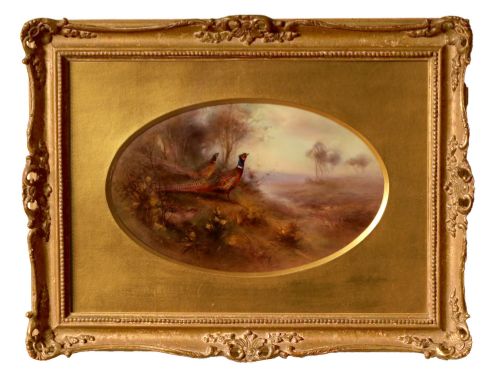
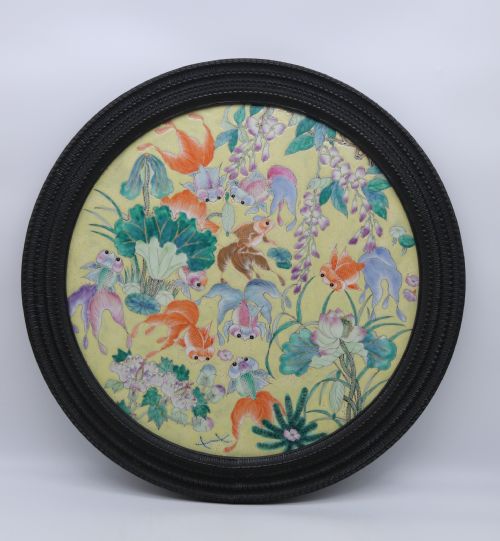
When you search for framed porcelain wall art, you encounter decorative plaques and painted panels created across the nineteenth and twentieth centuries. These works range from Continental portrait studies and classical Renaissance copies to Chinese Republican period panels and English manufactory pieces.
The objects combine a ceramic or porcelain support, often hand-painted with enamel pigments, with a protective or complementary housing. You frequently meet pieces mounted in wooden frames, sometimes carved, gilded, or incorporating glass and velvet elements.
Makers and artists utilised various styles spanning Victorian, Edwardian, Art Nouveau, and Rococo Revival aesthetics. The subjects vary from botanical studies and aquatic scenes to imperial portraits and mythological figures.
How they were made
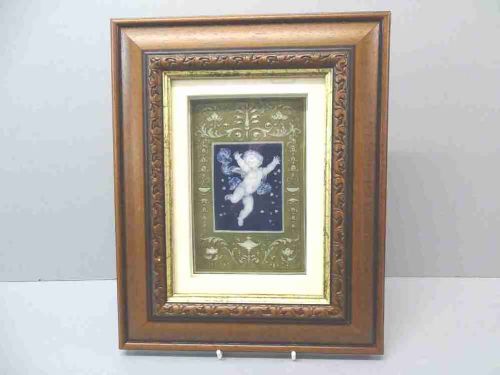
The creation of these works relied upon firing ceramic plaques at high temperatures before applying enamel colours by hand. Artisans built up the imagery through meticulous brushwork, sometimes employing specialised techniques like pate sur pate to create raised translucent designs against coloured slip backgrounds.
Once painted, the porcelain surfaces were secured within bespoke surrounds made of wood, giltwood, or gilded wood. Glazing and velvet mounts were frequently added to protect the fragile ceramic and enhance its visual depth when hung on a wall.
The documented object types include decorative plaques, ceramic tiles, oil paintings, and fine art panels executed in various revival styles.
What varies in quality
The standard of execution in the hand-painted detail separates the finest plaques from simpler commercial items. Master artists achieved remarkable subtlety in facial expressions, flesh tones, and botanical rendering that lesser hands missed.
The quality and originality of the surrounding frame also influence the overall standing of the piece. Period frames carved from wood or finished in genuine giltwood complement the porcelain far better than later or generic replacements.
Royal Worcester·KPM·Richard Ginori·Limoges·Sevres
The Framed Porcelain Wall Art Glossary
- Pate sur pate
- A ceramic technique where successive layers of white slip are built up on a coloured background to produce a cameo-like relief effect. This method allows light to pass through the thinner areas, creating a translucent quality.
- Enamel
- Vitreous pigments applied to the surface of fired porcelain before undergoing a secondary firing to fuse the colours permanently. It provides the vibrant palette seen on portrait and landscape plaques.
- Giltwood
- Timber that has been coated with a thin layer of gold leaf or gesso preparation. It provides the ornate metallic framing often found surrounding nineteenth-century porcelain panels.
- Plaque
- A flat ornamental plate of porcelain designed specifically for display on a wall rather than for functional use. These pieces serve as a canvas for detailed artistic painting.
- Republican period
- A Chinese era spanning the early twentieth century noted for distinctive porcelain production and painted panels. Pieces from this time often depict traditional narratives or natural scenes.
Framed Porcelain Wall Art: Frequently Asked Questions
How do I hang heavy porcelain wall art safely?
Ensure your wall fixings match the weight of the wooden frame and ceramic panel combined. Using picture wire rated above the object's weight provides a secure hold.
Position the piece away from direct sunlight and moisture to protect both the painted enamel surface and the wooden mount over time.
How can I tell the period of a porcelain plaque?
Examine the back of the ceramic panel for factory marks, artist signatures, or impressed numbers. These stamps often indicate specific European manufactories or Asian dynastic eras.
The style of the wooden frame and the painting technique also offer strong clues to whether a piece originates from the Victorian era or the twentieth century.
What is pate sur pate?
Pate sur pate translates as paste on paste, denoting a method where liquid clay is applied layer by layer onto a contrasting ceramic base. This builds a raised design that catches the light.
Artists used this technique to achieve delicate, translucent details on decorative wall plaques.