

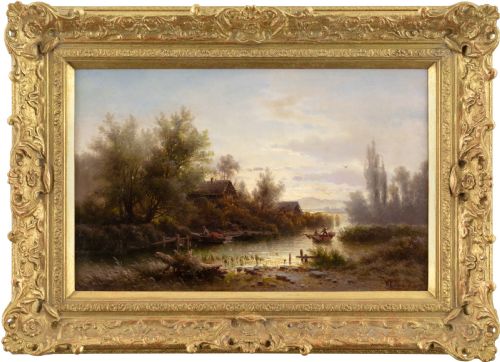
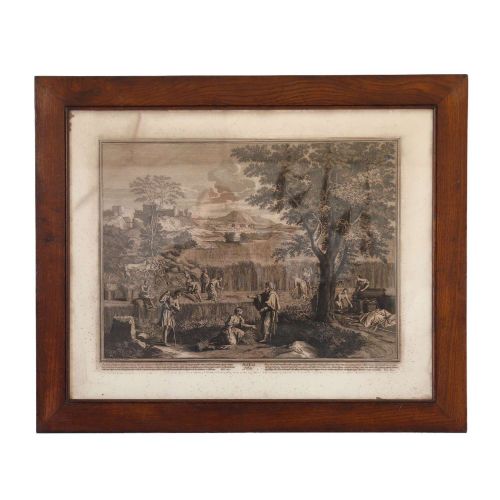
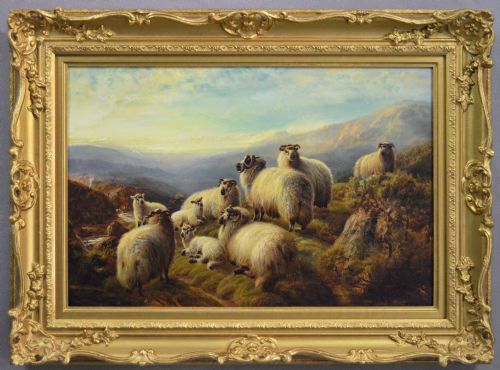
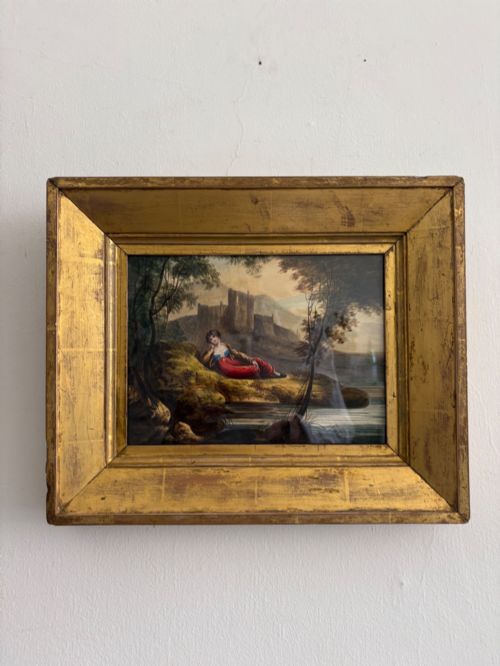
Framed Pastoral Landscape Picture
A framed pastoral landscape picture brings the quiet rhythm of the countryside and traditional rural life straight onto an interior wall.
Framed Pastoral Landscape Picture
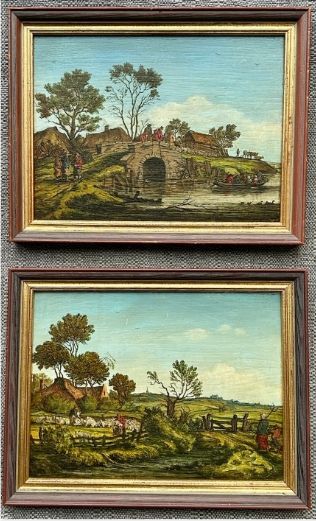
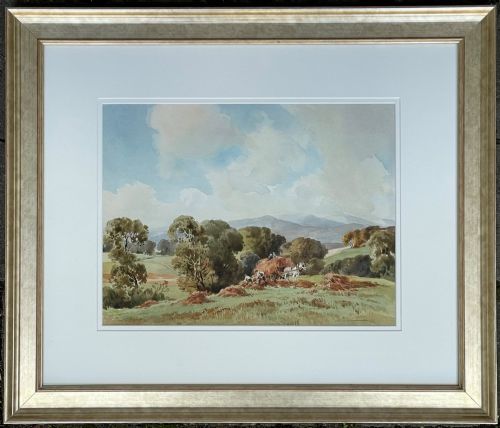
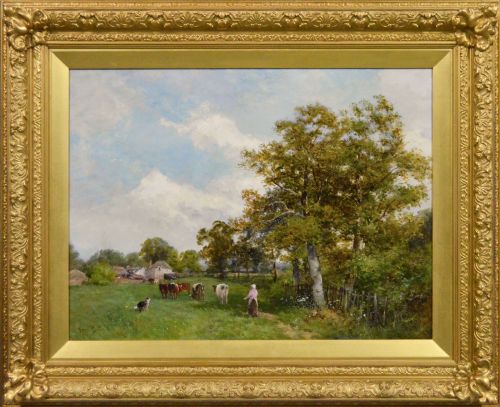
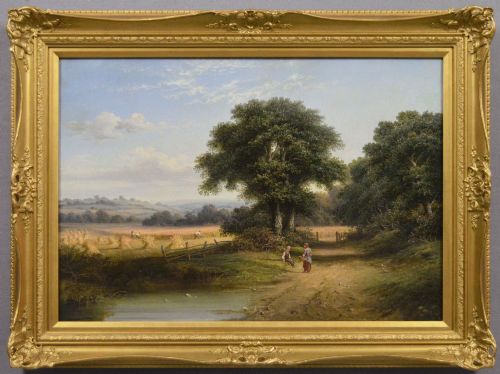
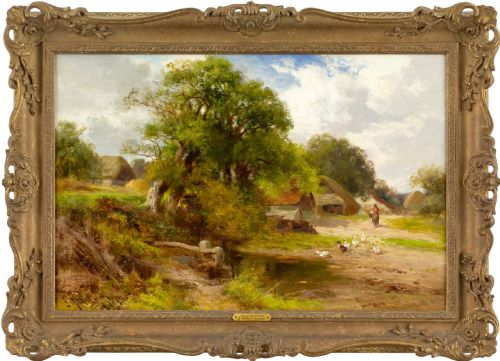
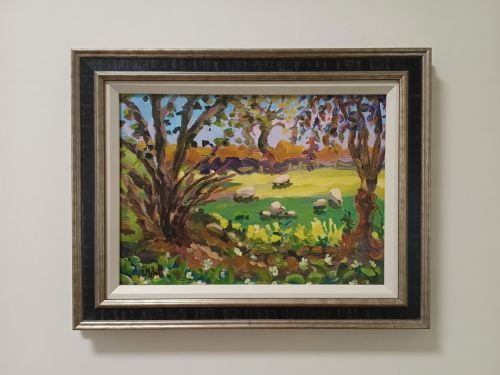
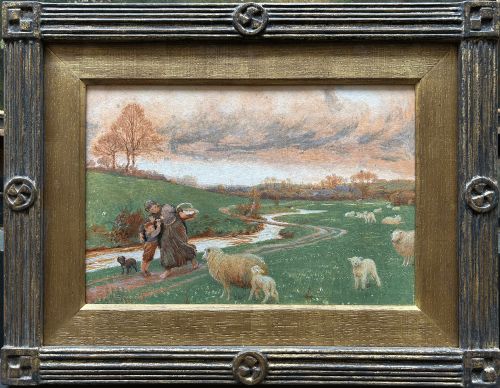
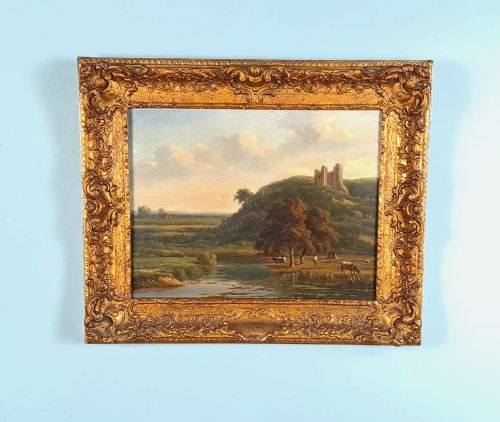
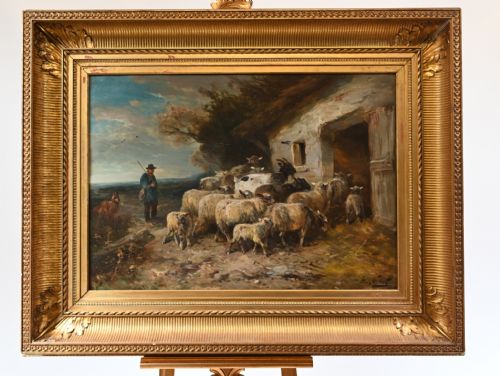
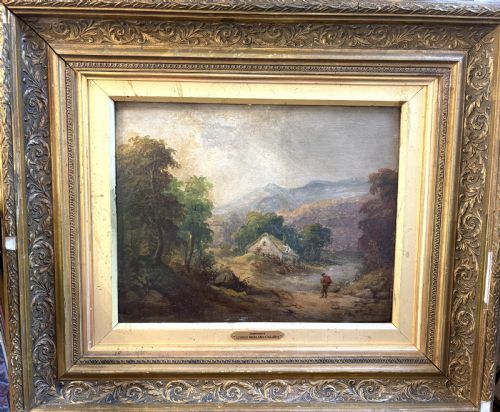
A framed pastoral landscape picture captures scenes of rural life, agricultural work, and domesticated animals resting in open country. These works focus on quiet fields, grazing flocks, and rustic cottages rather than dramatic wilderness or urban expansion.
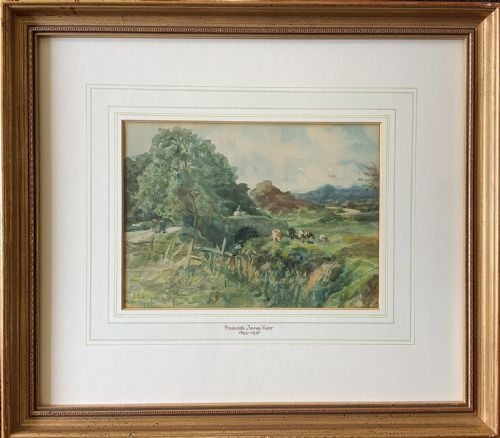
The selections available here lean heavily into nineteenth-century British and European traditions, incorporating oil on canvas, wood panels, and detailed watercolours. Many pieces feature cattle, sheep, and farm labourers framed within period giltwood or gesso surrounds.
Buyers will find works spanning from Victorian pastoral compositions to early twentieth-century interpretations. These vary from intimate watercolour sketches to substantial oil paintings carrying the distinct influence of regional schools.
How they were made
Painters relied primarily on oil on canvas, wood boards, or paper for watercolours, building their scenes with layered pigments that captured natural light across fields and skies. Canvas supports offered flexibility for larger works, while smaller panels provided a smooth, stable ground for intricate brushwork.
Framing played an integral role in presentation, utilising carved wood, gesso, and gold leaf to complement the pastoral subjects. These frames were frequently designed to enhance the depth of the composition and protect the delicate painted surfaces over generations.
Several sheep clearly refuse to look at the painter, stubbornly grazing in the opposite direction.
What varies in quality
Quality rests in the handling of light, atmospheric depth, and the anatomical accuracy of the figures and animals populating the scene. Skilled artists managed to suggest distance and weather through subtle tonal shifts rather than hard outlines.
The preservation of the original support and the integrity of the period frame significantly influence the standing of any given piece. Intricate gesso mouldings and untouched painted surfaces elevate the overall character of the artwork.
William H Myers·Percy Lancaster·David Bates·Walter Heath Williams·John Horace Hooper·Lucy Pratt·Frederick James Kerr·Albert Rieger·Robert Watson·Henry Schouten·Charles Edward Wilson·John Emms·A M Gauci·Charles Clair·Margaret Maitland Howard·Cornelius Pearson·Henry Charles Fox·Thomas Sidney Cooper·Frederick Septimus Lewis·George Vicat Cole·Henry John Boddington·Andre de Moller·James Hardy Junior·Robert John Hammond·Willem Anton Alexander Knip
The Framed Pastoral Landscape Picture Glossary
- Oil on Canvas
- A painting medium where pigments are suspended in drying oils and applied to a stretched woven fabric support. This combination allows for rich colour blending and textured brushwork.
- Gesso
- A plaster-like mixture applied to wood or canvas to create a smooth, absorbent surface for painting or gilding. It provides a durable foundation for ornate picture frames.
- Giltwood
- Timber that has been coated with a thin layer of gold leaf or gold paint. This finish was widely utilised on traditional frames to add warmth and elegance.
- Watercolour
- A painting method where fine pigment powders are mixed with water-soluble binders and applied to paper. It creates transparent washes that capture delicate light effects.
- Italianate Classical
- An artistic style inspired by the idealised rural scenery of Italy, featuring balanced compositions and classical architectural ruins. It heavily influenced European landscape painting for centuries.
Framed Pastoral Landscape Picture: Frequently Asked Questions
What defines a pastoral landscape?
A pastoral landscape depicts scenes of rural tranquillity, focusing on agricultural life, grazing livestock, and open countryside. These works intentionally celebrate the simplicity of country living.
Unlike dramatic mountain or marine views, pastoral subjects create a calm, grounded atmosphere within a domestic interior.
Where were these pictures displayed?
These artworks traditionally hung in the reception rooms, parlours, and studies of country houses and urban homes alike. They served as a pleasant reminder of the natural world.
Today, they suit living rooms, hallways, and dining spaces where their muted earthy tones can complement traditional or eclectic decor.
How do I identify the period?
Period identification relies on a combination of framing styles, canvas preparation, and the specific attire or agricultural methods depicted in the scene. Victorian and Edwardian works often carry distinct stylistic markers.
Examining the back of the frame, stretcher bars, or any visible signatures and inscriptions usually provides further historical context.
Are watercolours as durable as oils?
Watercolour paintings require protection behind glass to shield the paper and pigments from moisture and direct sunlight. When kept away from harsh light, they remain remarkably stable.
Oil paintings on canvas or wood boards are generally more robust against environmental shifts, though both benefit from stable indoor conditions.