
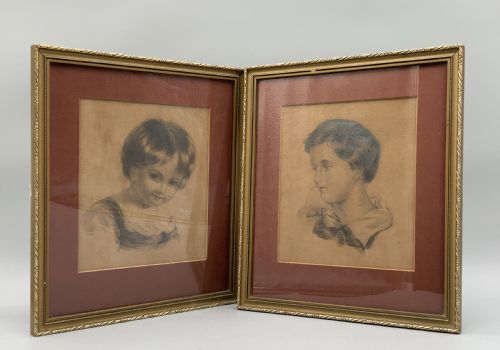


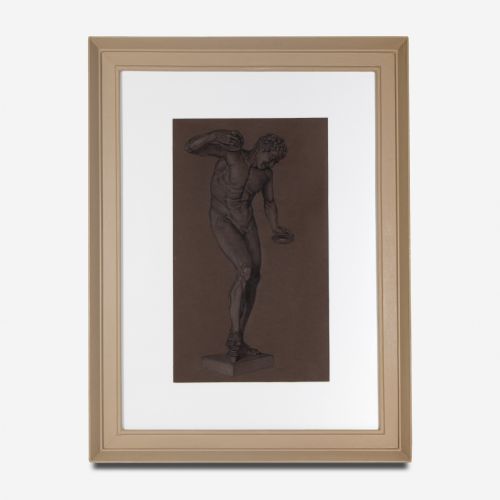


Framed Paper Pencil Sketch
These framed paper pencil sketch examples capture immediate artistic intention through graphite lines preserved behind glass in wood frames.
Framed Paper Pencil Sketch
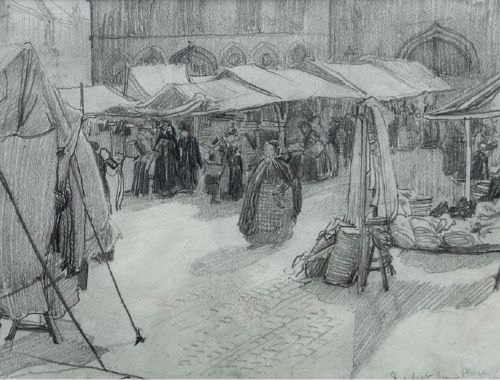
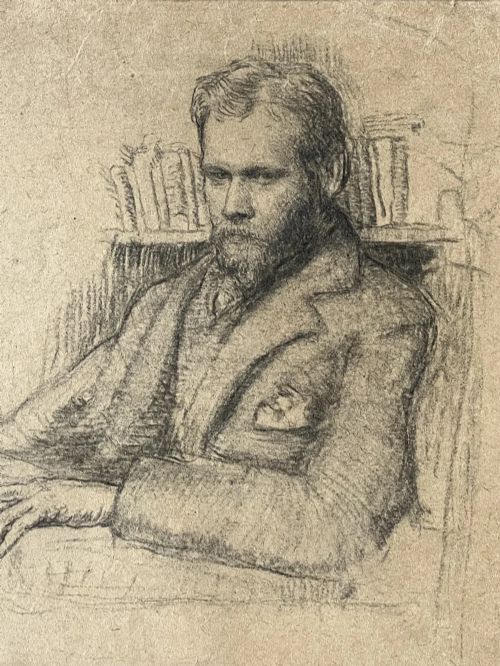
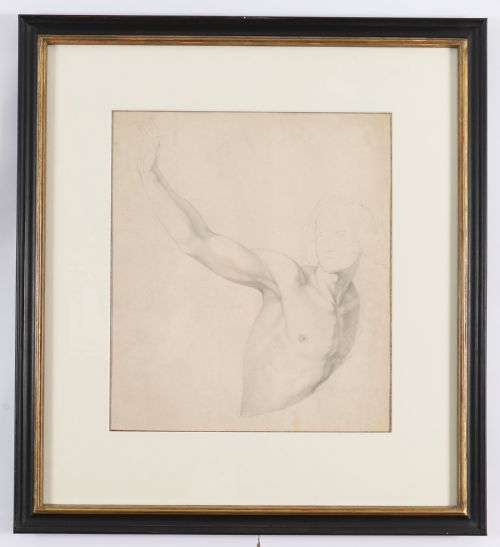
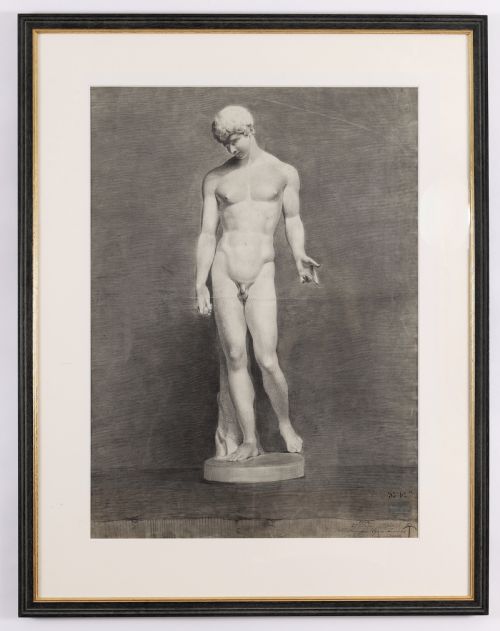
A framed paper pencil sketch brings intimate portraits, figure studies and architectural renderings directly from the artist's hand into domestic spaces. These pieces span from the eighteenth century through to the mid-twentieth century, recording everything from rapid studio notations to finished academic drawings.
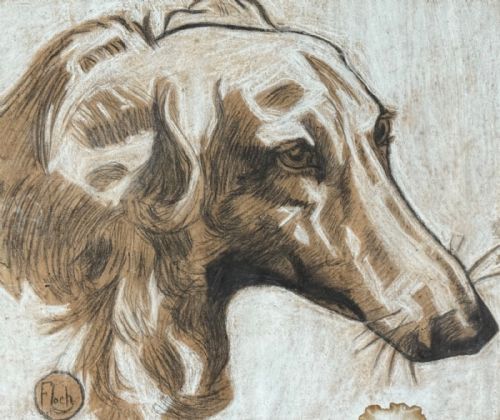
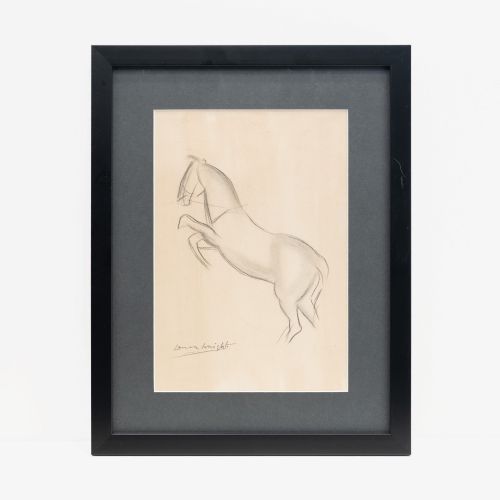
The selection on this page relies heavily on nineteenth-century portraiture and early twentieth-century townscapes or animal studies. Buyers encounter works framed securely in wood with protective glass, preserving delicate graphite and charcoal surfaces from atmospheric wear.
Materials and construction
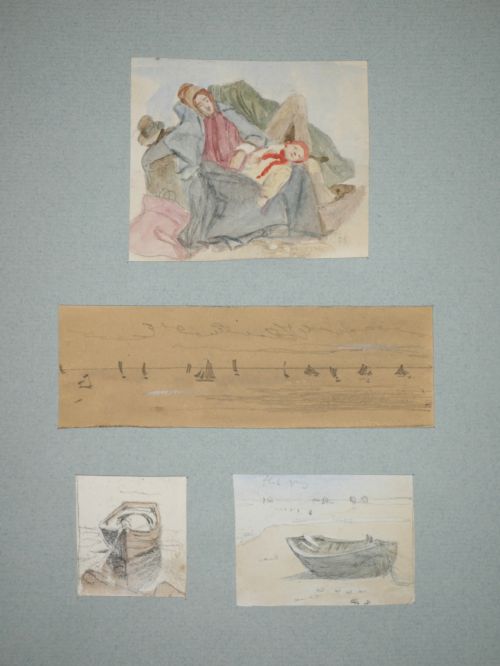
Draftsmen relied primarily on graphite, pencil and charcoal applied directly to various paper stocks, occasionally augmented with chalk, gouache or watercolour washes. Buff paper and heavy wove sheets provide the sturdy ground necessary to hold fine metallic grey lines and deeper black shaded areas.
Each original drawing is secured within a traditional wood frame behind glass, which shields the porous paper and friable pigment from moisture and handling. Simple mounts often separate the artwork from the glazing to prevent the paper from adhering to the glass over decades.
Listings feature works executed on paper using graphite, pencil, charcoal, chalk, watercolour and gouache across periods from the eighteenth century to the mid-twentieth century.
Assessing the work
The distinction between standard studio exercises and master drawings rests on the surety of the line and the precision of anatomical or architectural observation. Confident hatching and expressive economy distinguish the finest portrait and landscape sketches from more mechanical copies.
Condition plays a central role in valuation, as paper remains vulnerable to foxing, toning and fading from light exposure. Strong provenance, legible signatures and untouched original framing elevate specific works above anonymous archival sheets.
Henry Percy Huggill·James Smetham·Augustus John·Dame Laura Knight·François-André Vincent·Demetrios Galanis·Michael Lyne·Sir Francis Leggatt Chantrey·Fred Lawson·Charles Prosper Sainton·Reginald G. Eves·Faeq Hassan·Theobald Chartran·Alexandre Decamps·L.S. Lowry
The Framed Paper Pencil Sketch Glossary
- Graphite
- A form of crystalline carbon used to create grey or black marks on paper. It replaced lead pencils and forms the primary medium for these linear studies.
- Foxing
- Brown spots caused by chemical reactions in the paper over time. It appears frequently on older sheets exposed to humidity.
- Gouache
- An opaque watercolour paint used to add highlights or colour to drawings on tinted paper. It provides solid areas of flat tone.
- Wove paper
- A paper made on a fine wire mesh, producing a smooth surface without ribbed chain lines. This uniform texture suits detailed pencil work.
Framed Paper Pencil Sketch: Frequently Asked Questions
How should I hang antique drawings?
Keep framed works away from direct sunlight and damp walls to protect the paper ground and fragile graphite markings from irreversible degradation.
Utilising stable interior wall spaces maintains consistent environmental conditions that preserve both the paper support and the wooden frame.
Are these drawings signed by artists?
Many examples feature artist signatures, monograms or period studio stamps, while others remain anonymous educational pieces from distinct historical schools.
Attributions often rely on stylistic comparison, old gallery labels or provenance documentation recorded on the reverse of the frame.
What is a deux crayon drawing?
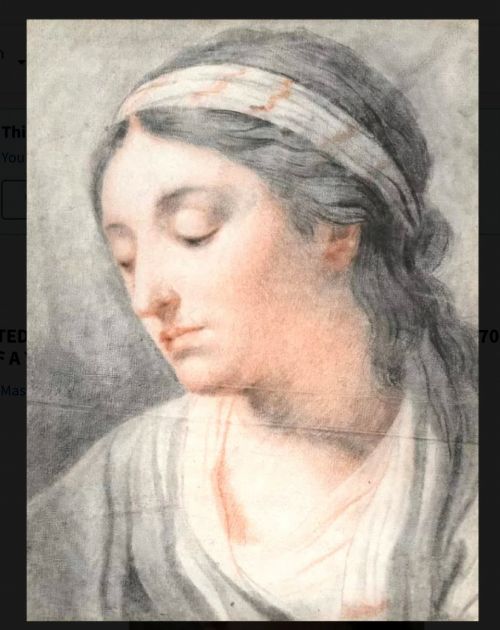
This technique involves using two different coloured pencils or chalks, usually black and red, on tinted paper to create tonal depth and highlights.
Artists employed this method during academic figure studies to model three-dimensional form quickly and effectively.
Can I remove the drawing from its frame?
Opening historic frames risks damaging the fragile paper and letting trapped dust or acidic mounting materials accelerate the ageing process.
Leaving the original framing intact preserves the historical context and protects the delicate graphite surface from accidental smudging.