



Antique Male Portrait Study
An antique male portrait study captures character and form through the hands of painters and sculptors across centuries.
Antique Male Portrait Study
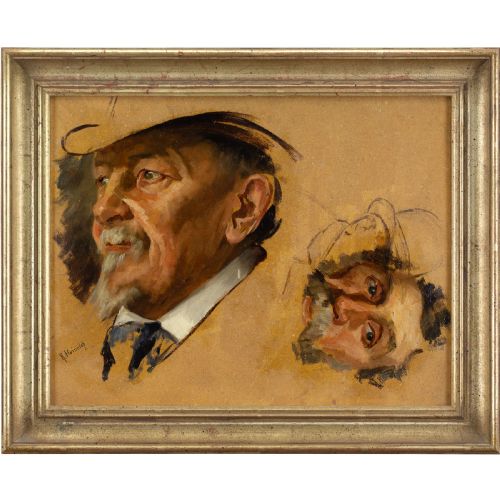
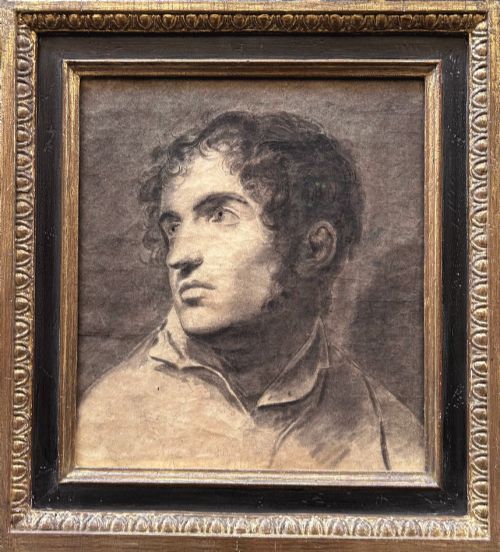
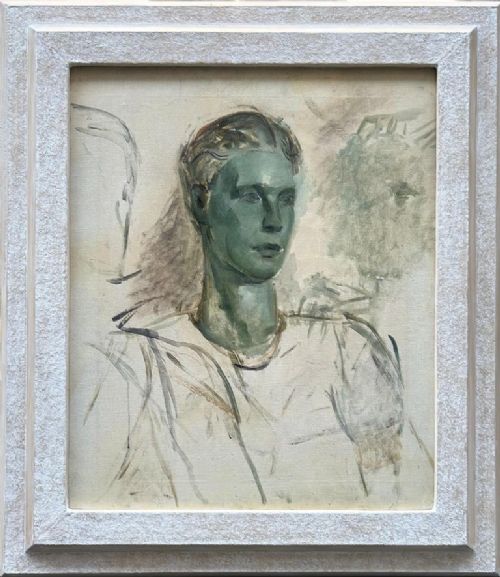
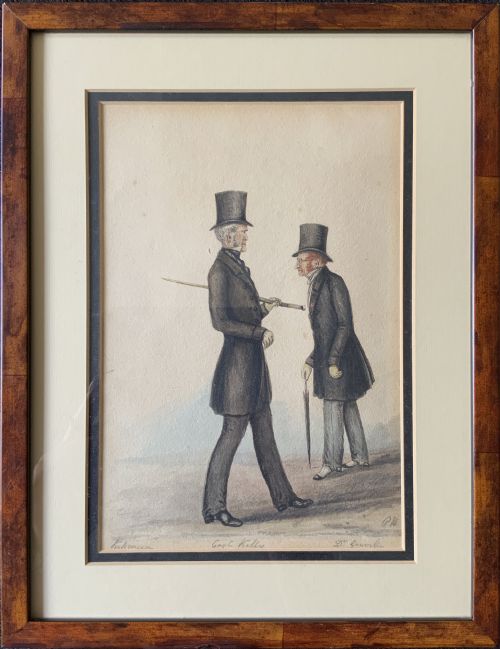
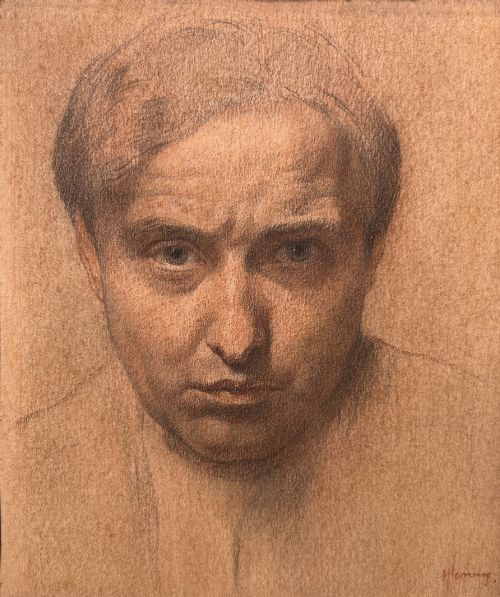
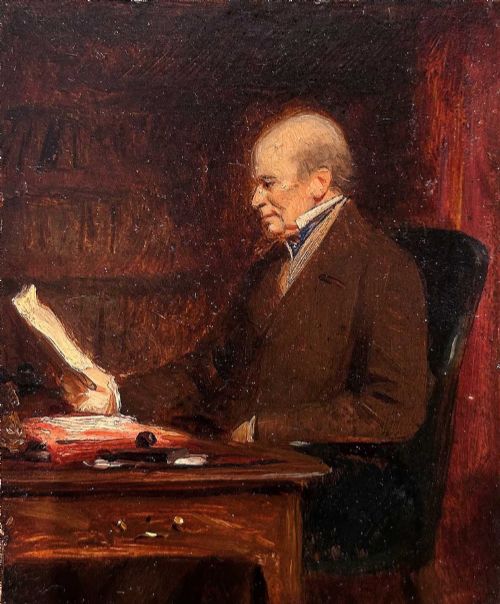
An antique male portrait study captures the likeness, expression, or physical form of a man through various artistic mediums. Buyers seeking an antique male portrait study encounter works ranging from rapid life drawings to finished oil paintings and bronze sculptures.
The pieces on this page span the seventeenth century through the early twentieth century, reflecting diverse academic and regional traditions. Academic realism, Victorian output, and French school examples appear frequently among the available works.
Forms include framed drawings on paper, oil paintings on canvas, and sculptural busts cast in bronze. These objects serve as historical documents of sitter and artist alike, preserving individual identities from past eras.
Materials and construction methods
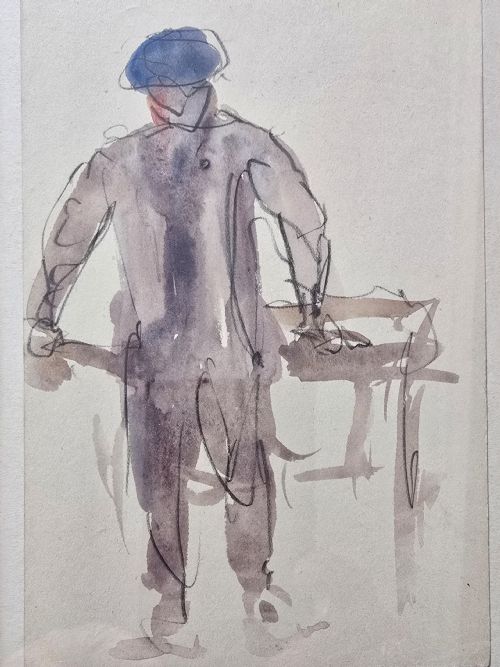
Artists relied on traditional supports such as canvas, wood, and paper to create these likenesses. Pigments in oil and watercolour, alongside charcoal, graphite, and red chalk, provided the primary means for capturing tone and shadow in two-dimensional works.
Sculptural studies utilise cast bronze to render the human form in three dimensions. Framed works commonly incorporate glass for protection, preserving delicate paper and chalk surfaces against environmental wear.
The listings on this site encompass works executed in charcoal, graphite, chalk, oil paint, and watercolour upon paper, canvas, and wood supports.
Distinctions in quality and execution
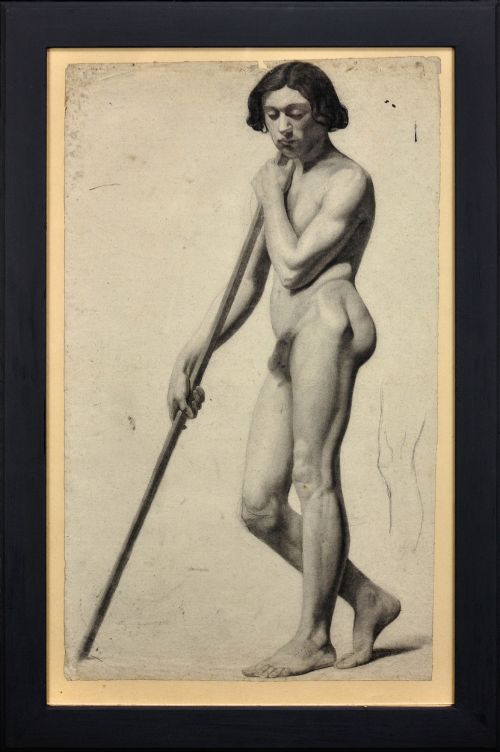
The strength of the draughtsmanship or brushwork dictates the visual impact of each piece. Skilled handling of anatomy, particularly in life studies of the male nude, separates accomplished academic output from routine studio exercises.
Condition and medium preservation significantly influence the standing of an artwork. Intact surfaces on early drawings and stable paint layers on nineteenth-century canvases retain the intended contrast and depth specified by the artist.
Herbert Johnson Harvey·Stephen Pearce·Michael Healy·Henry Arthur Roberts·Alexandre-Louis Martin·Sir Thomas Brock·William Woodhouse·Charlotte Blakeney Ward·Feridah Francis Forbes Taylor·John Seymour Lucas·Ernest Borough Johnson·Francis Dodd·Adrian Bury·Harry Epworth Allen·Curt Rüger·Dame Ethel Walker
The Antique Male Portrait Study Glossary
- Academic Realism
- A style of painting and sculpture produced under the influence of European academies of art. It emphasises precise anatomical accuracy and classical composition.
- En Grisaille
- A painting executed entirely in shades of grey or neutral monochromatic tones. This technique often mimics the appearance of a relief sculpture.
- Life Study
- An artwork created directly from a live human model. These pieces focus on capturing accurate proportions and muscular form.
- Grand Tour Manner
- A descriptive term for works associated with the eighteenth and nineteenth-century tradition of travel through Europe. Such pieces often replicate classical sculpture.
- Watercolour
- A painting method in which the paints are made of pigments suspended in a water-based solution. Paper serves as the standard support for this medium.
Antique Male Portrait Study: Frequently Asked Questions
How were these artworks used?
Makers created these studies within academic settings, private studios, or during travels abroad. They served as working references for larger compositions or as demonstrations of technical skill.
Collectors and patrons later framed and displayed them as finished works of art, appreciating their direct connection to the artist's creative process.
How do I live with paper drawings?
Paper drawings require careful placement away from direct sunlight to prevent fading of graphite, ink, or chalk. Maintaining stable indoor humidity protects both the paper support and any associated framing.
Using museum-grade glass during framing helps shield delicate media from ultraviolet light while allowing clear viewing of the fine lines.
How can I tell periods apart?
Stylistic markers, framing materials, and artist signatures help distinguish between seventeenth-century academic works and twentieth-century school pieces. Seventeenth-century examples often feature dark, dramatic tonal contrasts typical of baroque traditions.
Later nineteenth and twentieth-century studies reflect shifting academic standards, embracing looser brushwork or modernist influences alongside traditional portraiture.