



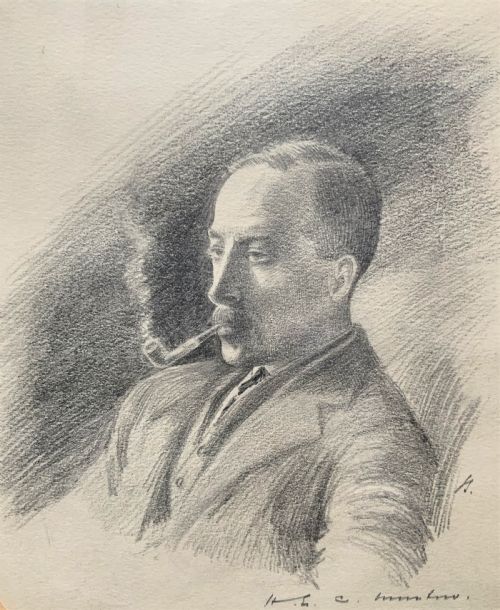


Grey Pencil Portrait Drawing
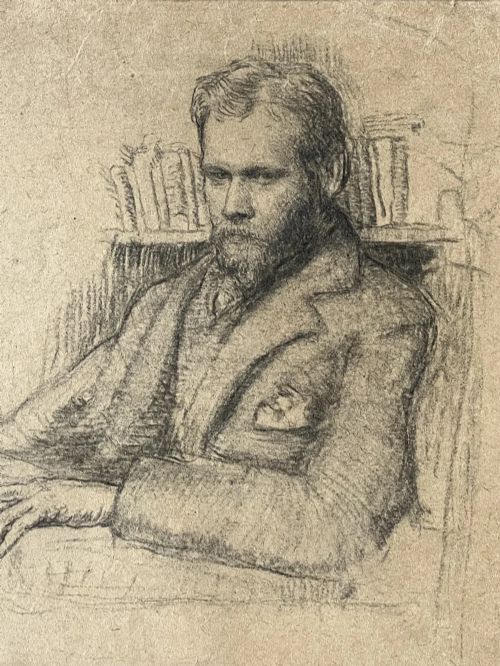
Grey pencil portrait drawing captures likenesses through monochrome line and tone, offering a direct encounter with subjects from past centuries.
Grey Pencil Portrait Drawing
A grey pencil portrait drawing brings historical faces into view through works created on paper using graphite, chalk and pencil. These pieces span multiple eras, encompassing works from the eighteenth century through to the mid-twentieth century.
Framed artwork and original drawings dominate the offerings, often combining pencil with watercolour or charcoal to build depth. Buyers encounter works from distinct periods such as the Edwardian era, Art Deco period and the nineteenth century.
Materials and techniques
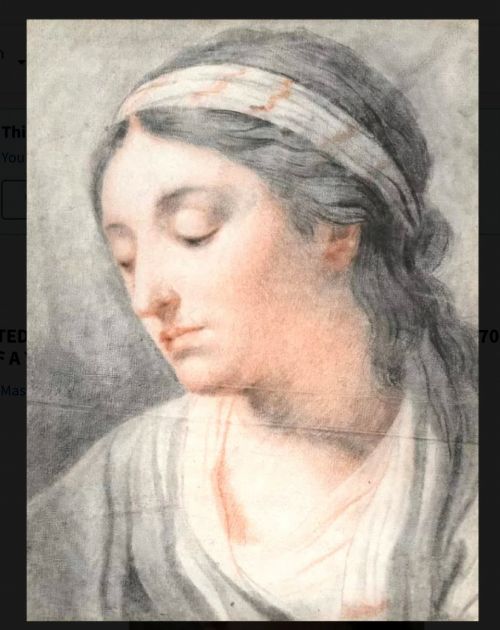
Artists executed these works primarily on paper substrates using graphite and pencil as the core mediums for defining form and shadow. Many examples incorporate charcoal or chalk to enrich tonal gradations and deepen dark areas.
Several pieces integrate watercolour washes alongside pencil work to introduce subtle colour variation or background atmosphere. Framed presentations behind glass protect these delicate works on paper from environmental degradation.
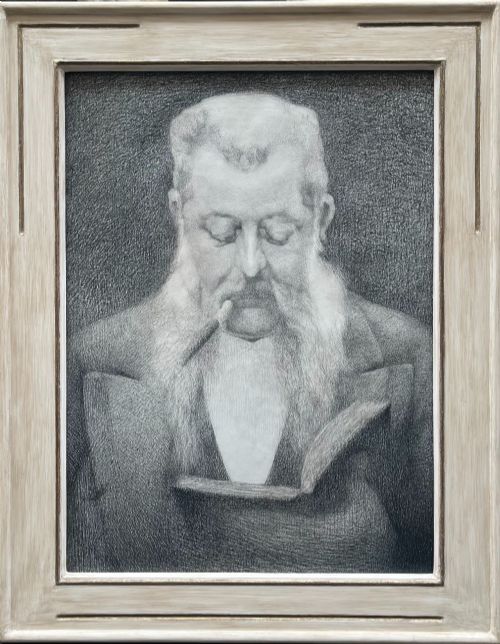
One subject sits quietly with a cigar, proving that nineteenth-century portraiture knew how to capture an afternoon smoke.
Assessing quality
The strength of draughtsmanship dictates the character of each piece, distinguishing confident, expressive linework from hesitant execution. Mastery of proportion and the ability to convey psychological depth through monochrome tones separate ordinary illustrations from compelling studies.
The preservation of the paper surface and the integrity of the medium influence the visual impact. Works that retain sharp contrast without excessive fading or paper discolouration present the artist's original intent more clearly.
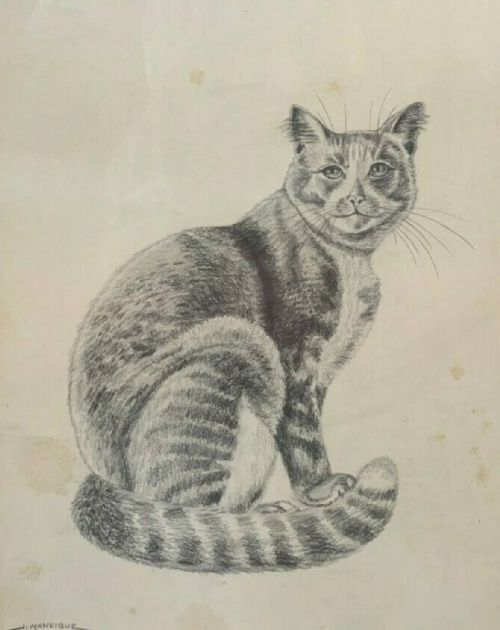
Augustus John·Leo Klin·Francis Dodd·Cecil CP Lawson·J Manrique
The Grey Pencil Portrait Drawing Glossary
- Graphite
- A form of carbon used in pencils that creates silvery-grey marks on paper. It allows artists to achieve fine lines and broad tonal areas.
- Charcoal
- A porous material made from burnt wood utilised for dark, velvety marks in drawings. It blends easily to create soft shadows.
- Chalk
- A soft mineral material applied to paper for highlights or tonal shading. It provides a dense, opaque line compared to graphite.
- Symbolist School
- An artistic movement focusing on ideas, imagination and inner emotional states rather than strict realism. Works from this school often carry evocative or mysterious atmospheres.
Grey Pencil Portrait Drawing: Frequently Asked Questions
How should I display a pencil drawing?
Keep works on paper away from direct sunlight to prevent the graphite, chalk and paper from fading over time. Proper framing behind glass with acid-free mounts protects the delicate surface from moisture and physical damage.
Ensure hanging locations experience stable humidity and temperature conditions. This protects both the paper substrate and any accompanying wooden or gilt frames from warping.
What is the difference between graphite and charcoal?
Graphite produces a reflective, silvery-grey line that can be sharpened to a fine point for detailed work. It adheres firmly to the paper and resists smudging when handled carefully.
Charcoal creates a deeper, matte black mark with a softer texture that blends easily for dramatic shadows. It requires fixative or careful glazing behind glass to prevent the loose particles from shifting.
How do I date an antique portrait drawing?
Examine the clothing, hairstyle and accessories of the subject for clues to the prevailing fashion of the era. Period clothing styles often align closely with the decade the artwork was produced.
Consider the framing materials, backing boards and paper type used in the piece. Older papers often exhibit watermarks, chain lines or distinct ageing characteristics typical of specific centuries.
Are these drawings original works of art?
The selection consists of original artwork created by hand rather than mass-produced prints or mechanical reproductions. Each piece contains unique hand-drawn lines, shading variations and artist signatures where present.
Artists utilised mediums such as pencil, graphite, chalk and watercolour directly onto paper to produce these singular likenesses. This individuality distinguishes each drawing as a distinct historical artefact.