


19th Century Graphite Portrait
These 19th century graphite portrait works capture intimate likenesses through delicate lead and pencil lines, offering buyers a genuine window into historical personality and draftsmanship.
19th Century Graphite Portrait
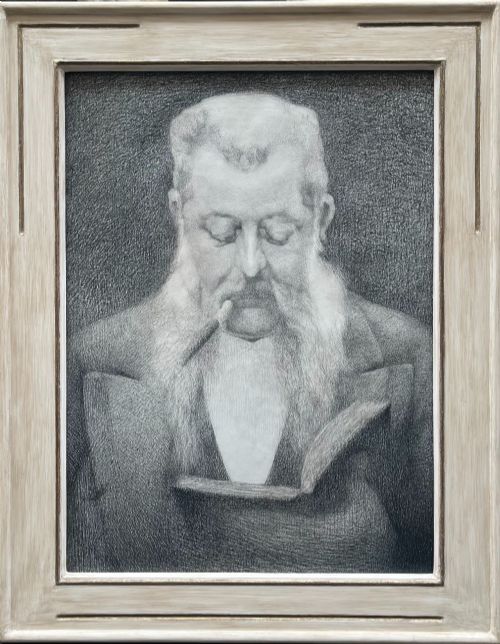
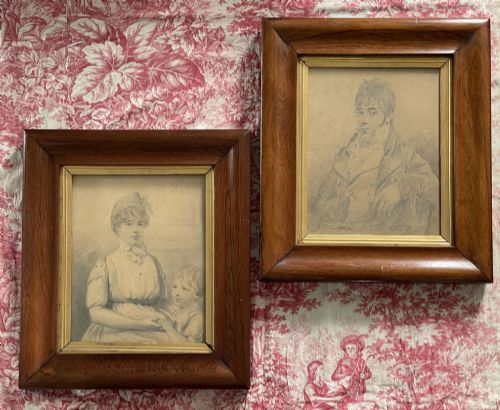
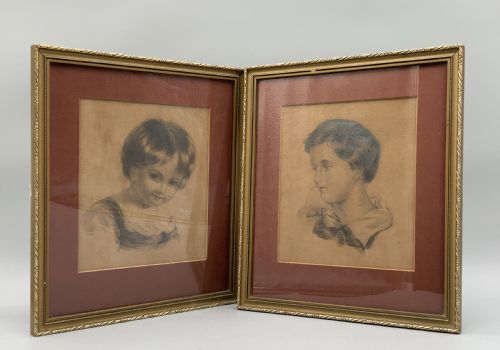
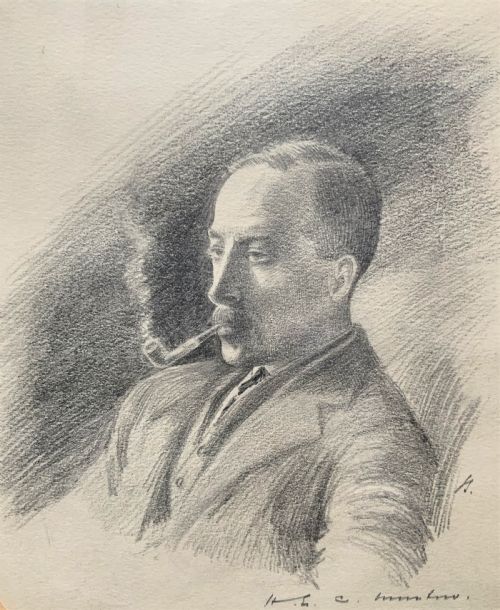
When you search for a 19th century graphite portrait, you encounter original drawings and sketches executed on paper and toned paper. These works range from intimate depictions of children and couples to detailed studies of gentlemen and ladies.
The selections span distinct periods including the Regency era, Bourbon Restoration, and mid-Victorian times. You will frequently find subjects rendered in graphite alone or combined with chalk, watercolour, and ink.
Many examples arrive ready to display in period frames constructed from wood, mahogany, or gilded wood with glass protection. The forms vary from single framed artworks to matched pairs.
Materials and execution
The framing materials typically involve wood, mahogany, or gilded wood, often preserved beneath glass to protect the delicate paper surfaces. These traditional mountings reflect the period aesthetics of French academic, Regency, and Victorian schools.
Listings feature works spanning the Regency era, Bourbon Restoration, and Victorian periods, executed in graphite, chalk, and watercolour on paper.
Factors of distinction
The refinement of line work and the psychological depth of the sitter separate standard academic exercises from superior portraiture. Masterful handling of light and shadow on toned paper elevates the visual impact.
The preservation of the paper surface and the originality of the matching wood or gilded frame contribute significantly to the standing of a piece. Signed works or those attributed to specific stylistic schools carry distinct historical interest.
The 19th Century Graphite Portrait Glossary
- Graphite
- A form of carbon used as a drawing medium in pencils, producing greyish strokes that can be smudged or finely shaded.
- Toned paper
- Paper manufactured with a pre-existing tint, allowing artists to deploy white chalk highlights alongside dark graphite.
- Regency
- A British historical period spanning the early nineteenth century, known for distinct neoclassical aesthetics and refined portraiture.
- Bourbon Restoration
- A period in French history following the fall of the First Empire, influencing the style and dress of continental portraits.
- Symbolist
- An artistic movement focusing on internal psychological states and metaphorical imagery rather than strict realism.
19th Century Graphite Portrait: Frequently Asked Questions
How do I date a 19th century graphite portrait?
Dating relies on the sitter's clothing, hairstyle, and any accompanying signatures or period inscriptions on the paper. Stylistic cues such as Regency neoclassical dress or Victorian framing styles also help narrow the timeframe.
The materials, including watermarked paper types and original wood or gilded frames, offer further physical evidence for establishing the decade of creation.
Where should I hang these drawings?
These delicate works require placement away from direct sunlight to prevent the graphite, chalk, and paper from fading over time. A stable indoor climate with minimal humidity protects both the drawing and the antique wooden frame.
Because of their intimate scale, they suit studies, hallways, or grouped arrangements where viewers can appreciate the fine pencil details up close.
How do I care for antique paper art?
Maintenance involves keeping the framed drawing in a room with stable temperature and humidity to protect the paper substrate from warping or foxing. Professional framing with UV-protective glass shields the graphite and any added chalk from light damage.
Dust the wood or gilded frames gently with a dry cloth, avoiding any liquid cleaners near the exposed paper edges.
What is the difference between pencil and graphite?
In historical and artistic contexts, pencil and graphite refer to the same core drawing medium utilised by nineteenth-century artists. Descriptions often use the terms interchangeably to denote lead-based marks on paper.
Variations in hardness allowed draughtsmen to produce both sharp, fine lines and soft, shaded areas within the same portrait.