





Vintage Life Drawing Sketch
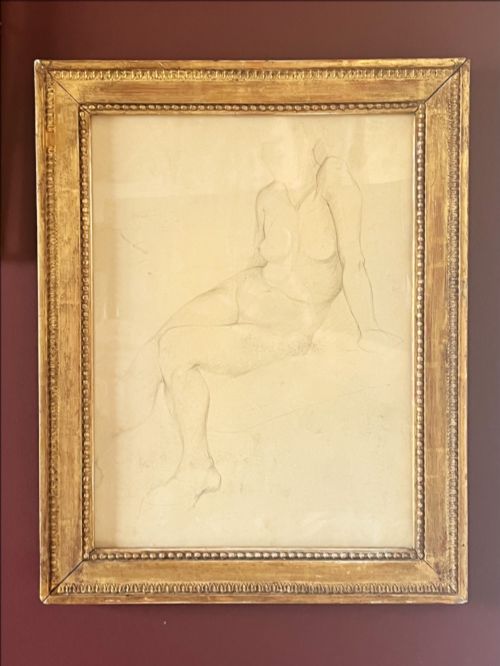
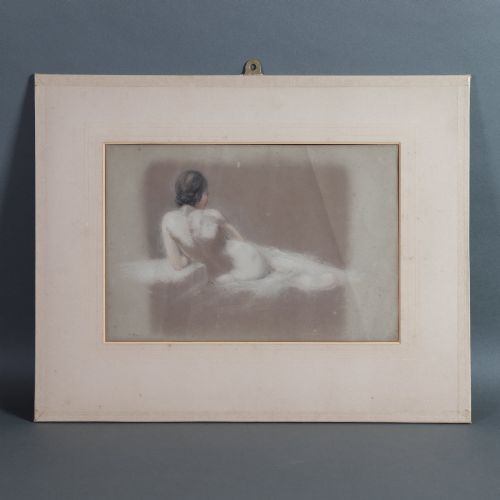
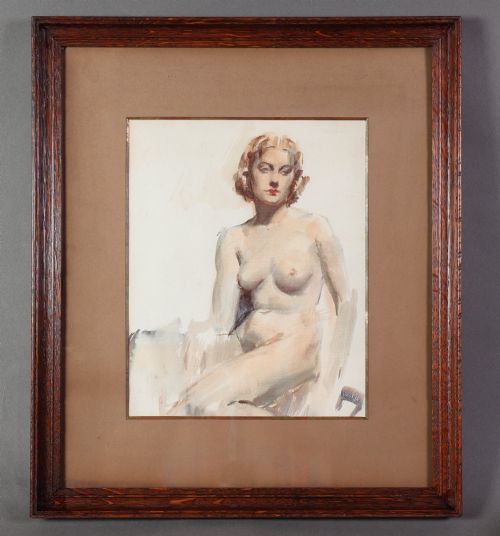
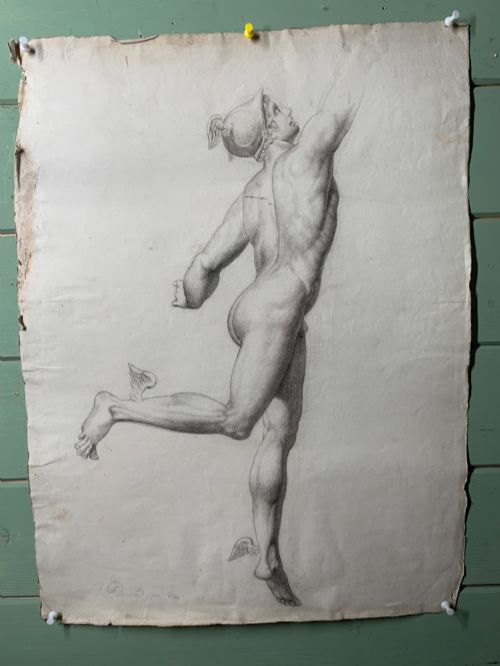
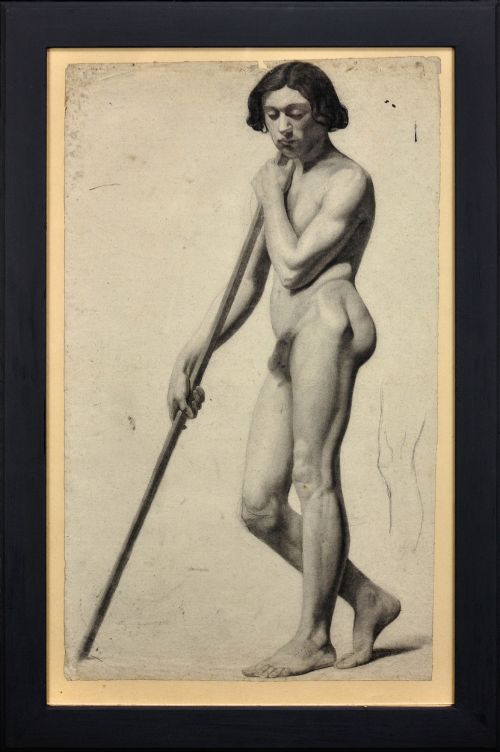
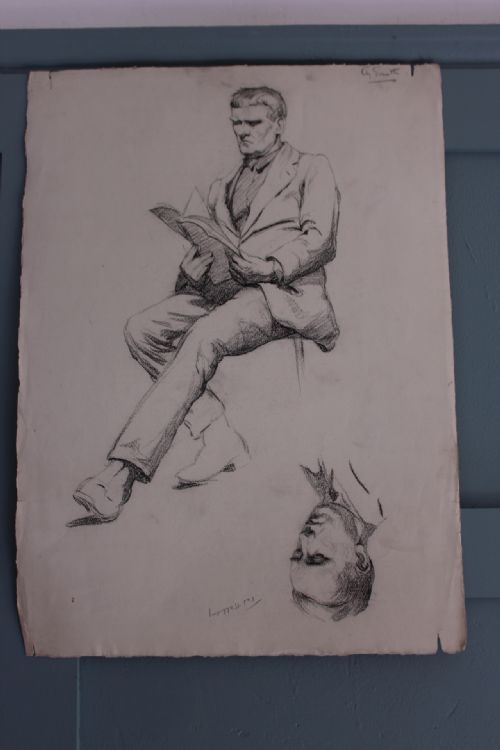
A vintage life drawing sketch captures the raw human form on paper through the direct touch of charcoal, graphite, chalk or ink.
Vintage Life Drawing Sketch
A vintage life drawing sketch represents a foundational study of the human form, often created in an art school or studio setting to master anatomy and proportion. When exploring vintage life drawing sketch options, buyers encounter framed artwork and drawings that focus primarily on female and male nudes in various recumbent, seated or standing poses.
The selections span distinct periods from the Georgian era through to the 1960s, reflecting changing aesthetic approaches from strict academic realism to modernist interpretations. Forms range from single sheet charcoal and chalk studies to mixed media compositions and curated collections of academic sketch studies.
Origins vary across British, Italian and French schools, offering a glimpse into traditional atelier practices and mid-century modern artistic training. These works serve as intimate windows into the studio methods of both named artists and anonymous practitioners.
How they were made
These works rely on traditional dry media applied to paper supports, utilising graphite, charcoal, chalk and pastel to build form and shadow through tone and line. Ink and wash techniques also appear, providing sharper contrasts and fluid gestural marks across the page.
Many examples are preserved behind glass within wood or antique gilt frames, protecting the delicate surface of the drawing from environmental damage and handling. The interplay of different media on paper reveals the immediate decision-making process of the artist during the studio session.
Listings span periods from the Georgian era through to the 1960s, utilising paper supports with graphite, charcoal, chalk, pastel and ink.
What varies in quality
Quality rests upon the sureness of the draughtsmanship and the artist's ability to convey weight, tension and volume within the human body. A confident, economic line distinguishes a master study from a hesitant student exercise.
The choice of medium and the preservation of the paper support further differentiate the pieces, as well as the harmony between the drawing and its period frame. Depth of tonal range and anatomical understanding elevate certain studies above standard academic output.
William Etty·Augustus John·Henry Arthur Roberts·Winifred Eugene Ballard·Frank Dobson
The Vintage Life Drawing Sketch Glossary
- Academic Realism
- A style of painting and drawing produced under the influence of European academies of art, emphasising precise anatomical accuracy and classical proportions.
- Charcoal
- A form of dry art medium made of finely ground organic material held together by a gum or wax binder, used here for broad strokes and deep blacks.
- Recumbent
- Lying down or reclining in posture, a common pose for life models in studio drawings and paintings.
- Wash
- A technique involving a fluid layer of thinned ink or watercolour applied across paper to create smooth background tones or atmospheric depth.
Vintage Life Drawing Sketch: Frequently Asked Questions
What is a life drawing sketch?
A life drawing sketch is an artwork created from a live model, capturing the human figure directly to study anatomy, light and shadow.
These works were traditionally produced in studios or art schools as foundational training exercises rather than finished exhibition pieces.
How do I display these drawings?
These works require framing behind glass to protect the vulnerable paper, charcoal and graphite surfaces from moisture and dust.
Keep them away from direct sunlight to prevent the paper from yellowing and the medium from fading over time.
How do I date a vintage sketch?
Dating relies on stylistic markers, framing materials, paper types and any signatures or inscriptions recorded on the sheet.
Academic realism often points to the nineteenth century, while modernist and abstract approaches align with the mid-twentieth century.
Are these works original art?
The pieces listed are original hand-drawn or painted studies executed directly by the artist onto paper.
Unlike printed reproductions, each drawing contains unique corrections, smudges and directional lines left behind during the creation process.