





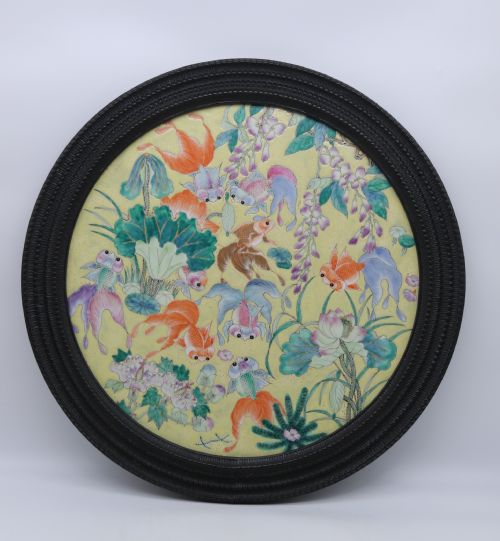


Framed Painted Plaque
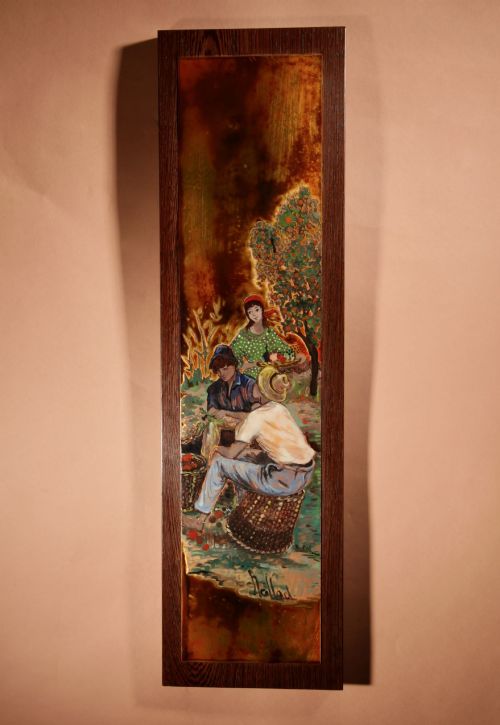
A framed painted plaque brings the rich detail of miniature portraiture, porcelain, and enamel directly to the wall.
Framed Painted Plaque
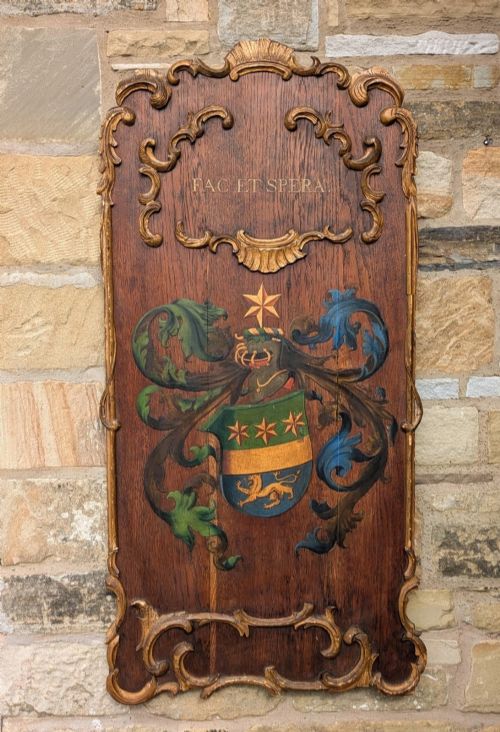
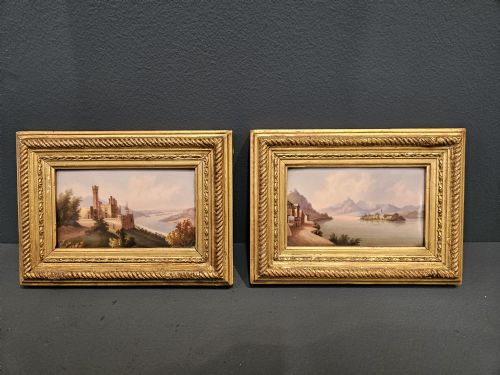
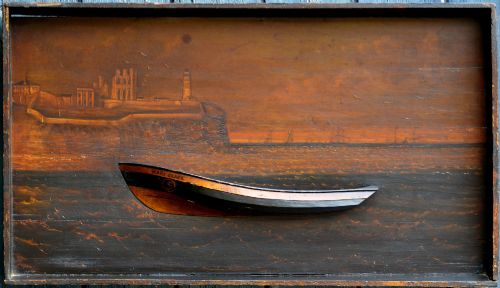
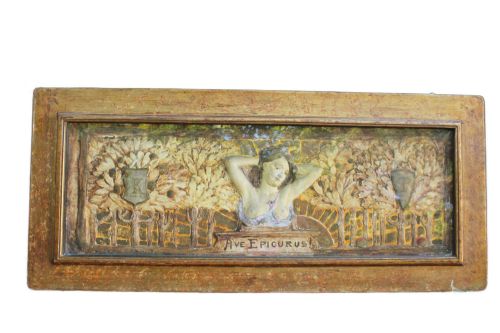
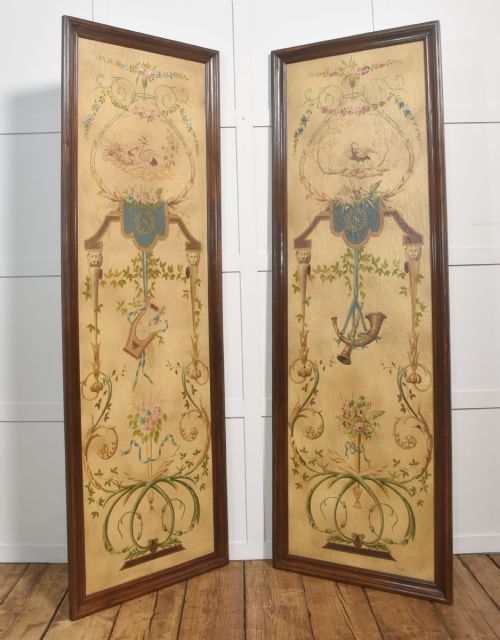
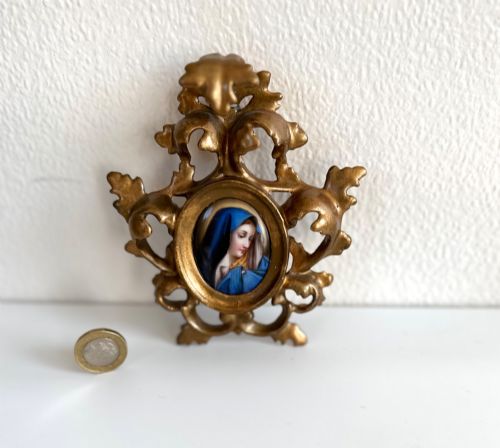
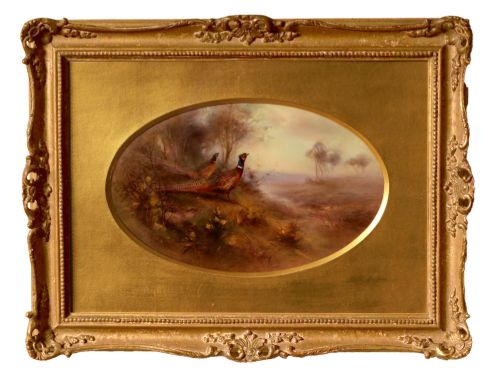
A framed painted plaque encompasses diverse decorative objects designed for wall display, drawing from centuries of craftsmanship. When exploring this phrase, one encounters porcelain, enamel, and glass panels housed within wood, giltwood, or copper surrounds.
The selections span from 18th-century Limoges enamel and South Staffordshire snuff box lids to 19th-century KPM Berlin porcelain pieces and 20th-century Chinese panels. Victorian and Edwardian examples frequently appear, alongside folk art, shop signs, and miniature portraits.
Makers such as Royal Worcester and KPM dominate the ceramic entries, while other works reflect Renaissance Revival styles, neoclassical subjects, and traditional painted wood book covers.
How they were made
Makers utilised a variety of base materials, applying delicate paint layers to porcelain, copper, wood, plaster, and glass. Ceramic pieces required expert kiln firing to fuse pigments into the glaze, while enamel works demanded precise temperature control on metal supports.
Framing played an integral part in presentation, utilising carved wood, giltwood, and oak surrounds to complement the artwork within. Many panels feature hand-painted details signed by artists or workshops, demonstrating meticulous brushwork on miniature scales.
Framed Painted Plaque Retail Price Guide 2026
Typical asking prices for framed painted plaque among the pieces listed under this phrase on Sellingantiques today, from the lower quarter to the upper quarter. They describe what is for sale here now, not the wider market.
The listings feature porcelain, enamel, wood, giltwood, and glass materials across Victorian, Regency, and 18th-century periods.
What varies in quality
Quality rests upon the precision of the brushwork and the depth of the pigment firing, distinguishing standard commercial output from masterworks. Hand-painted portraits and classical scenes by known factory painters display superior anatomical accuracy and tonal gradation.
The integrity of the original frame and the preservation of the painted surface dictate the desirability of the piece. Clean enamel surfaces free from crazing and porcelain panels retaining vibrant colours command greater attention from collectors.
KPM Berlin·Royal Worcester·Sevres
The Framed Painted Plaque Glossary
- KPM
- Royal Porcelain Factory in Berlin known for exceptional painted porcelain plaques. These pieces often depict classical or literary scenes executed with fine detail.
- Limoges Enamel
- Coloured glass paste fused to a metal copper base through firing. This technique produces durable miniature paintings with translucent qualities.
- Porcelain Plaque
- A flat ceramic tablet fired and painted for decorative display. They frequently portray portraits or historical subjects within protective frames.
- Giltwood
- Wood coated with a thin layer of gold leaf or gold paint. This material forms ornate frames designed to elevate the artwork housed inside.
- Miniature Portrait
- A highly detailed painting executed on a small scale. Artists used fine brushes to capture likenesses on materials like ivory, paper, or porcelain.
Framed Painted Plaque: Frequently Asked Questions
What periods do these pieces date from?
The listings span from the early 18th century through the Victorian and Edwardian eras into the early 20th century. Earlier examples include Limoges enamel and Staffordshire pieces, while 19th-century entries feature KPM porcelain and Royal Worcester.
Later items extend to Republican period Chinese panels and 1920s trade signs. Each era brought distinct painting styles and framing traditions to the category.
How were these plaques originally displayed?
Most pieces were created specifically for wall hanging, utilising fitted wooden, giltwood, or oak frames to protect the delicate surface. Some smaller items, such as enamel lids and book covers, served utilitarian purposes before later framing.
Larger porcelain and oil panels were designed as standalone works of art for interior decoration. Their hanging mechanisms reflect the weight and material of each individual support.
How do I care for a painted plaque?
Keep pieces out of direct sunlight to prevent fading in the painted pigments and enamel colours. Dust the frame and surface gently with a dry, soft cloth without applying moisture or cleaning solutions.
Ensure the hanging wire and wall fixings remain secure to support heavier ceramic or wooden panels. Stable indoor humidity protects both the backing wood and the painted medium from degradation.
How can I tell porcelain from enamel?
Porcelain is a fired ceramic material that feels heavy, smooth, and rigid, often showing a glossy white body on the reverse. Enamel is fused glass applied to a metal base, typically copper, which may reveal metal edges or a curved reverse.
Examining the back of the plaque usually clarifies the material structure. Enamel work reflects the underlying metal contour, whereas porcelain maintains a solid ceramic form.