





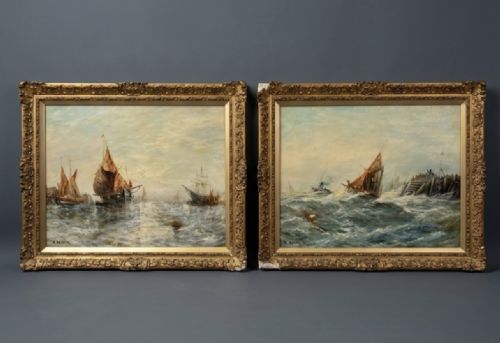
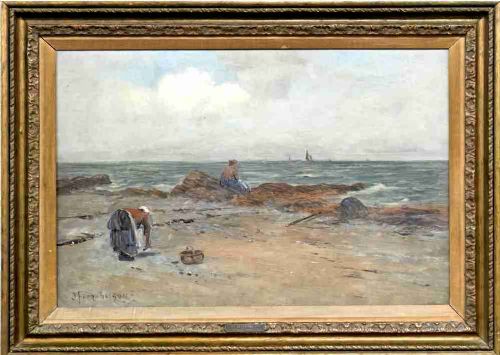
Framed Original Marine Painting
When you trace a coastal horizon in a framed original marine painting, you hold a piece of maritime history captured on canvas or paper.
Framed Original Marine Painting
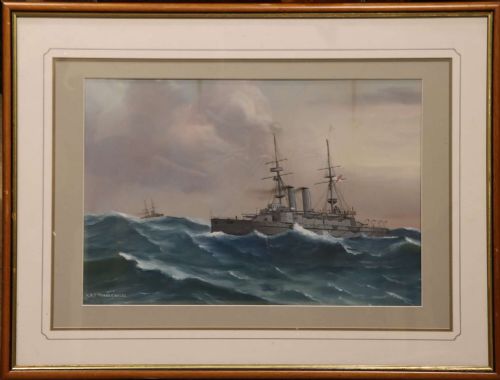
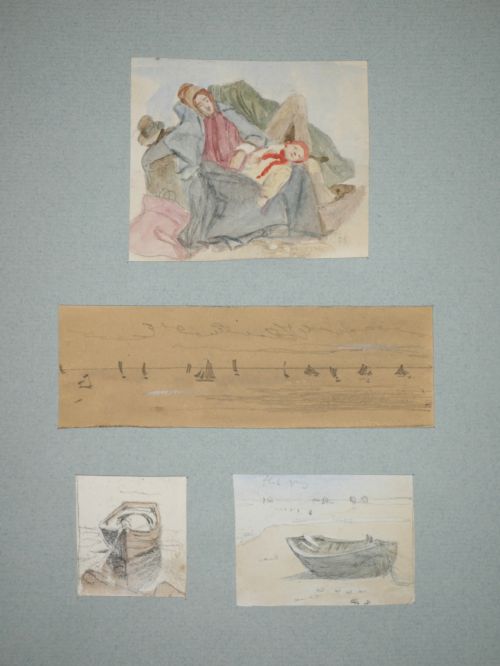
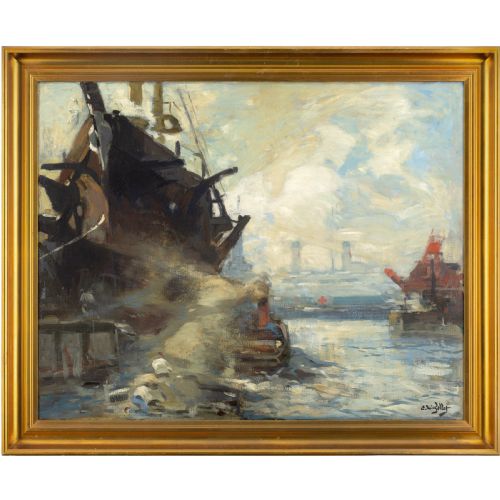
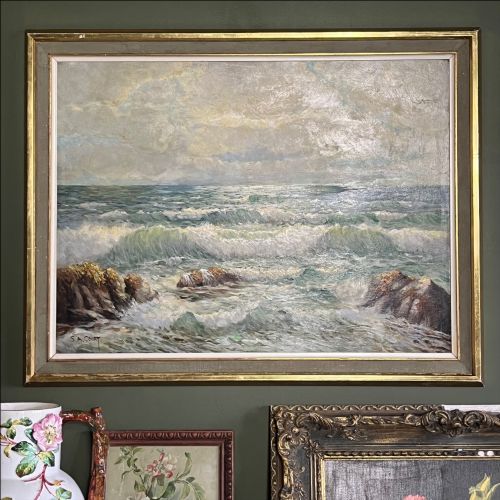
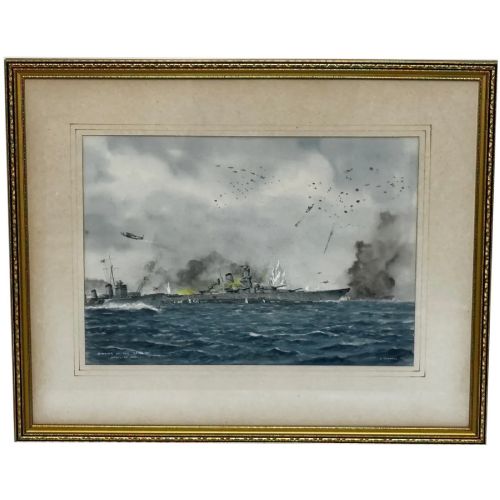
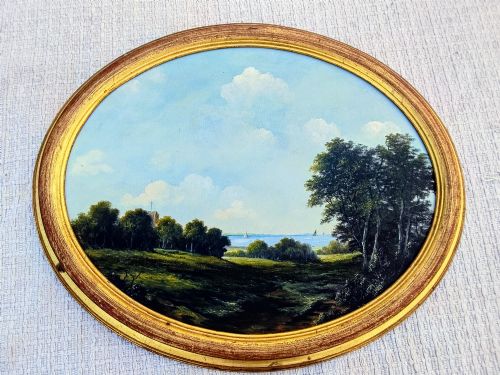
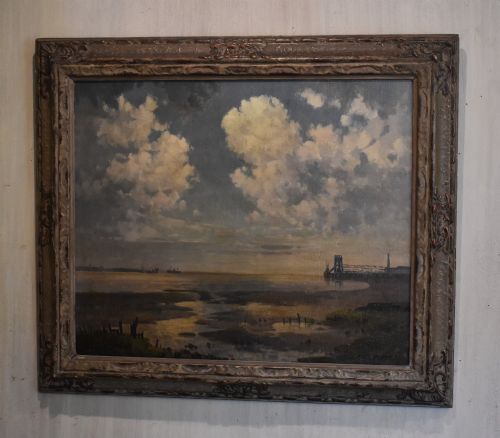
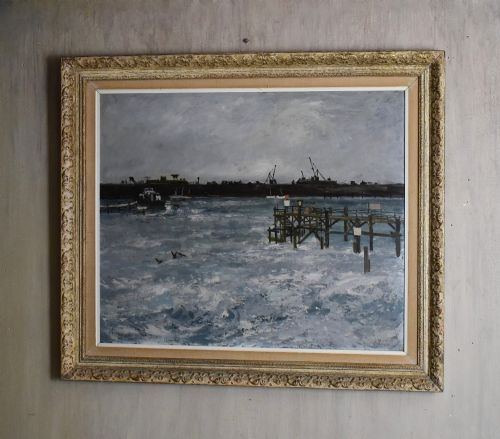
A framed original marine painting brings harbours, open seas and coastal cliffs directly into domestic spaces through works created across the nineteenth and twentieth centuries. These pieces encompass detailed watercolours and rich oil paintings that record historical shipping, fishing fleets and sweeping tidal views.
Buyers browsing this category most frequently encounter Victorian and twentieth-century British or French works executed in oil on canvas, oil on board, or watercolour on paper. Many are housed in period timber and gilt wood frames that complement the maritime subject matter.
Materials and technique
Artists relied primarily on oil paint applied to canvas or wood board, and watercolour pigments brushed onto paper. These mediums captured shifting coastal light, deep sea tones and the textures of wooden hulls and rocky shores.
Framing played an integral role in preservation and presentation, utilising heavy wood moulding, glass protection for works on paper, and ornate gilt wood surrounds that defined the aesthetic of the period.
Listings feature works created across the nineteenth and twentieth centuries, utilising oil paint, watercolour, canvas, paper and gilt wood frames.
Assessing quality
Quality rests upon the artist's command of atmospheric light, movement in water, and proportion in rigging and vessel architecture. Stronger works demonstrate confident brushwork, whether in the loose application of en plein air oil painting or the delicate precision of maritime watercolours.
The integrity of the framing also influences the piece, with original gilt wood or period wooden frames adding historical cohesion compared to later, mismatched replacements.
James Orrock·Eugène-Louis Gillot·Charles Edward Dixon·Bernard Benedict Hemy·Abraham Hulk I
The Framed Original Marine Painting Glossary
- Watercolour
- A paint consisting of colorants suspended in a water-soluble binder, traditionally worked on paper to create luminous coastal scenes.
- Gilt wood
- Wood carved and coated with a thin layer of gold leaf or metallic gilt, frequently utilised for nineteenth-century picture frames.
- En plein air
- The practice of painting outdoors to capture direct natural light and atmospheric conditions along the coast.
- Canvas
- A heavy woven fabric stretched across a wooden support to serve as a durable surface for oil paintings.
Framed Original Marine Painting: Frequently Asked Questions
What periods do these marine paintings cover?
The available artworks span from the Victorian era through the early, mid, and late twentieth century. You will find nineteenth-century watercolours alongside modernist oil paintings from the nineteen-fifties and sixties.
This broad timeline reflects shifting artistic interpretations of the sea, moving from detailed maritime documentation toward more expressive coastal landscapes.
Are these paintings supplied with frames?
Most pieces come within their period frames, which frequently include gilt wood or traditional timber mouldings. These enclosures often date from the creation of the artwork.
Reviewing the specific listing details will confirm whether a piece retains its original period frame or has been subsequently mounted.
What mediums were used by the artists?
The works employ traditional artist materials, predominantly oil paint on canvas or board and watercolour applied to paper. Some pieces also incorporate mixed techniques or detailed pencil underdrawing.
Works on paper are typically protected beneath glass within their frames, whereas oil paintings on canvas remain exposed.
Where do the coastal scenes usually originate?
The geographic scope covers British harbours such as St Ives, Whitby and Scarborough, alongside French coastal regions like Normandy and Brittany. Other works capture wider scenes of the North Sea and open international waters.
Each location offers a distinct architectural and atmospheric character unique to its regional maritime history.