

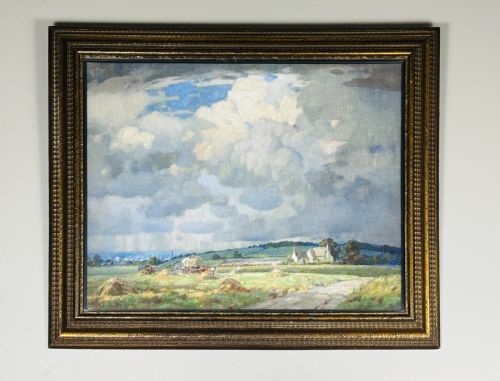
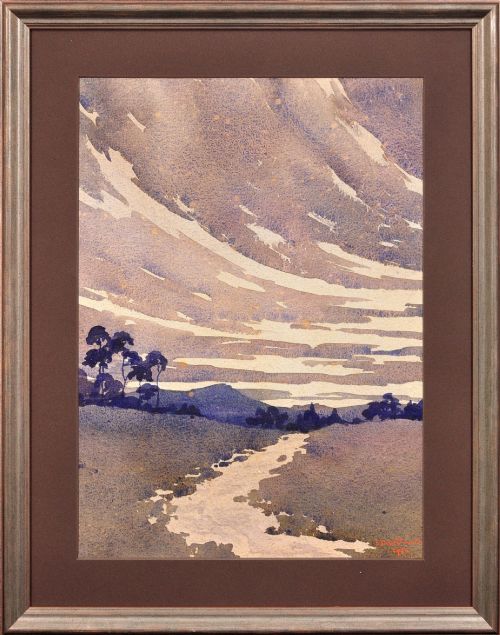
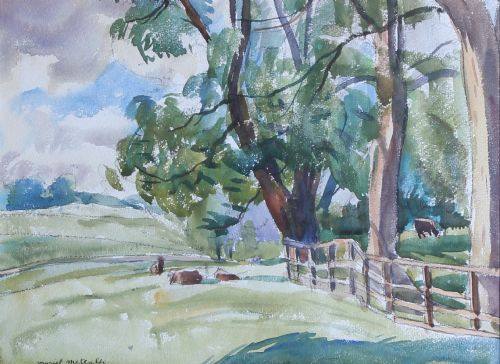
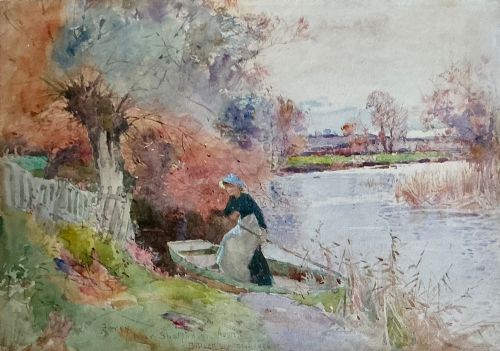
Framed Original Landscape Art
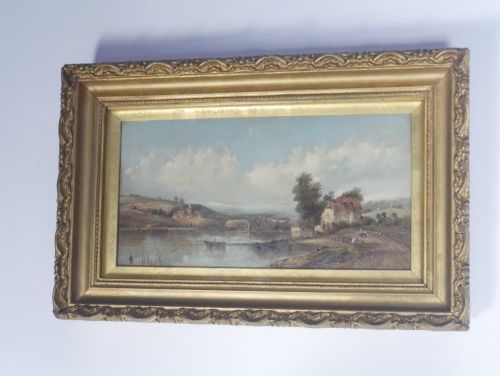
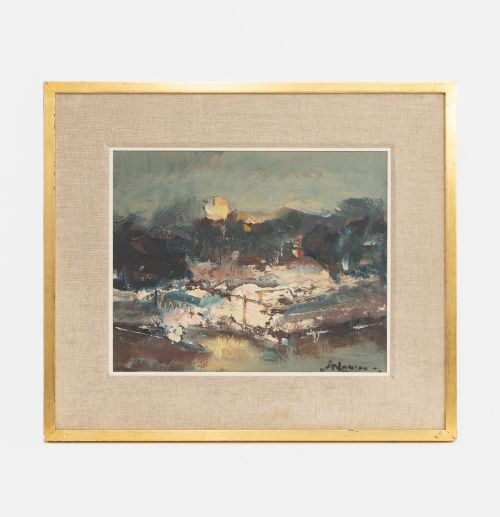
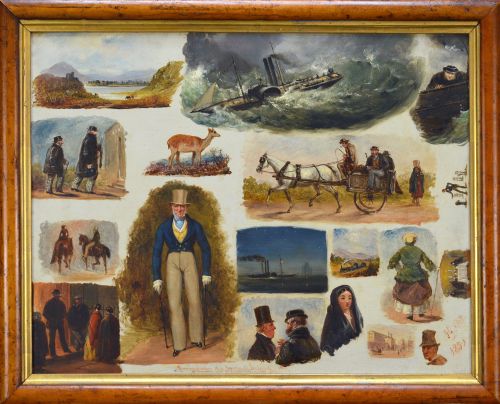
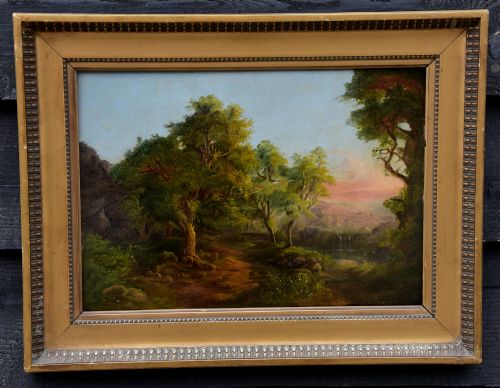
Framed original landscape art brings the observed countryside, coast and river into the room through direct hand-applied pigment and paper, canvas or wood.
Framed Original Landscape Art
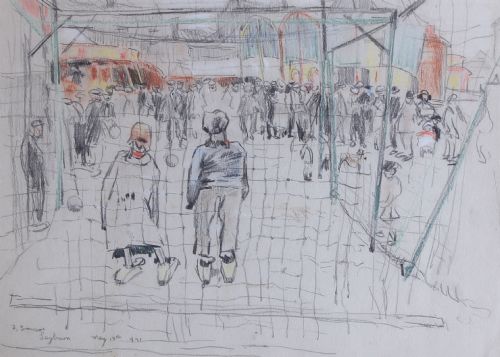
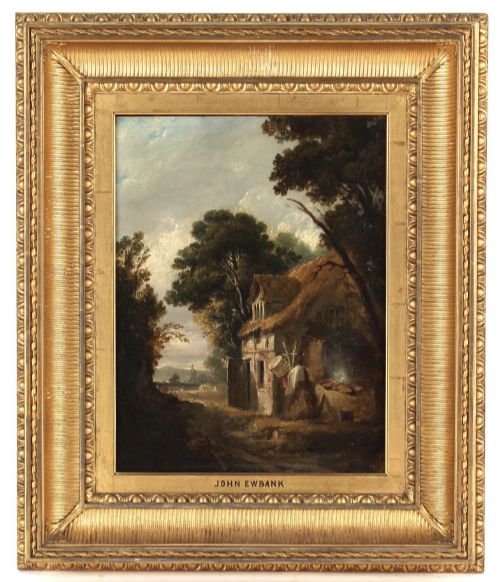
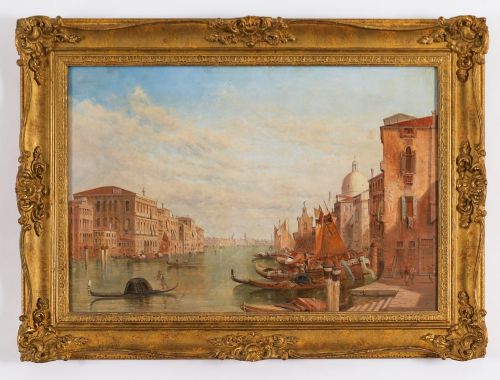
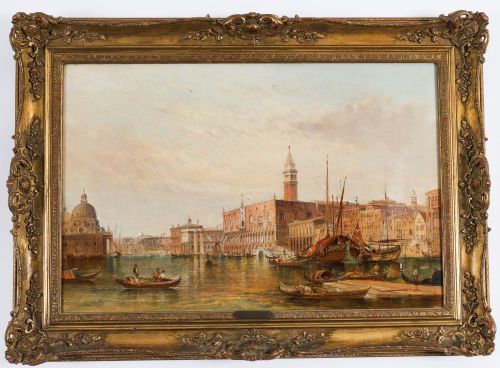
Framed original landscape art comprises unique painted and drawn views of natural and rural scenery created across the nineteenth and twentieth centuries.
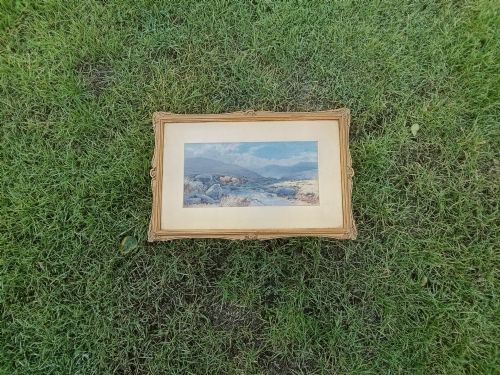
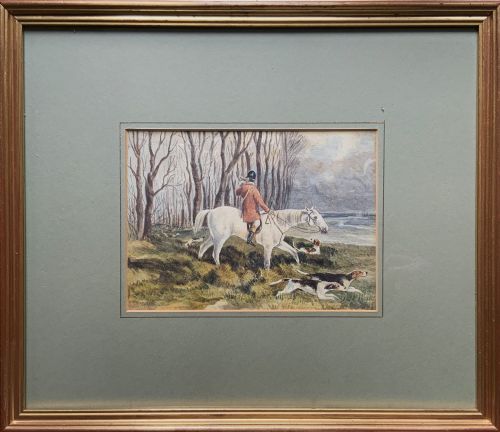
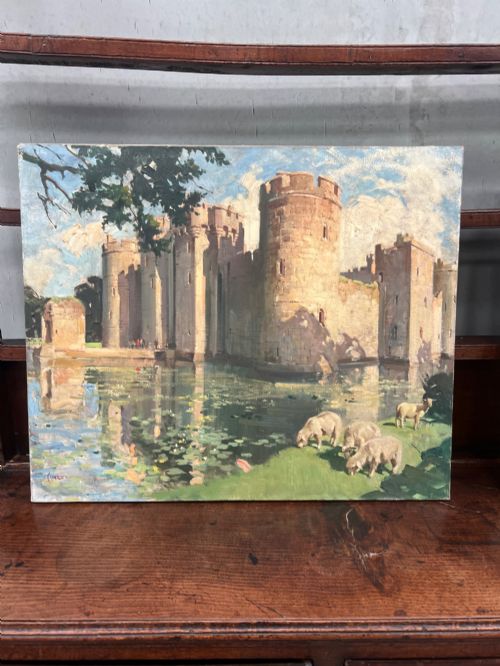
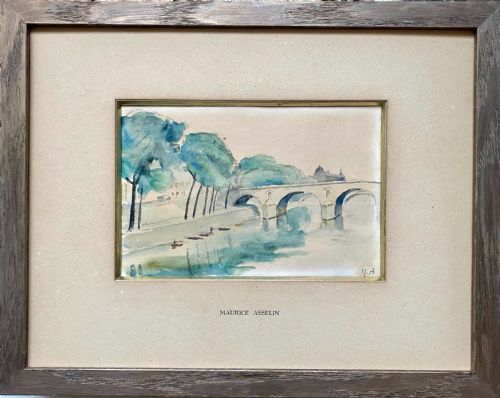
Watercolour on paper and oil paint on canvas, board or wood panel dominate the available forms, reflecting the enduring popularity of both sketching expeditions and studio compositions.
Examples range from intimate Scottish loch watercolours to expansive British and continental oil paintings, nearly all preserved within their period protective frames.
Materials and Technique
Artists built these scenes using watercolour washes on paper or layered oil paint applied to canvas, wooden panels and millboards.
Support materials varied according to the medium, with heavy woven canvas stretched over wooden frames for oils and robust watercolour paper for works executed en plein air or in the studio.
Moulded timber mouldings, frequently finished in giltwood or dark painted wood, enclose the pieces alongside protective glass for works on paper.
Framed Original Landscape Art Retail Price Guide 2026
Typical asking prices for framed original landscape art among the pieces listed under this phrase on Sellingantiques today, from the lower quarter to the upper quarter. They describe what is for sale here now, not the wider market.
Listings span the nineteenth and twentieth centuries, featuring watercolours, oil paintings and charcoal drawings framed in wood and giltwood.
Distinctions in Quality
Quality rests upon the sureness of the draftsmanship, the handling of atmospheric light and the depth of the composition rather than the sheer scale of the piece.
Superior works demonstrate confident brushwork or watercolour control that captures transient weather and topography with conviction, distinguishing them from rigid or formulaic topographical records.
Original period frames that complement the palette and era of the artwork add integrity, whereas later or unsympathetic replacements alter the visual balance.
David Law·H Medlycott·Eugène Verboeckhoven·George Fotherly Hargitt·Thomas Miles Richardson Jnr·James Orrock·William Henry Earp·Henry Percy Huggill·R Leyton·William H Myers·George Graham·Thomas Ellison·Clifford Hanney·W Klombeck·Percy Lancaster·William Howard Hardy·Frederick Marriott·Arthur Wardle·John Horace Hooper·A Mitchell·A Marie Parsons·William Joseph Shayer Senior·John McDougal·Alfred Fontville de Breanski Jr·Sidney A Court
The Framed Original Landscape Art Glossary
- Oil on canvas
- Pigment suspended in drying oil applied to a stretched woven fabric support. This combination allowed artists to rework areas and build rich textures.
- Watercolour
- Pigment bound in a water-soluble medium applied in transparent washes to paper. It relies on the white of the paper to supply luminosity.
- Giltwood
- Timber carved and coated with gold leaf or metallic powder. It provides a reflective border that separates the artwork from its surroundings.
- En plein air
- Painting outdoors in direct contact with the subject and light. This method captured immediate atmospheric conditions rather than relying entirely on studio memory.
- Wood panel
- A rigid wooden support used by artists before canvas became dominant. It offers a stable, smooth surface for detailed brushwork.
Framed Original Landscape Art: Frequently Asked Questions
How do I care for antique watercolours?
Keep works on paper away from direct sunlight to prevent the fading of delicate pigments. Ensure they hang in stable humidity away from damp exterior walls.
Are these paintings supplied with their original frames?
Many retain their period frames, which often show minor age-related wear appropriate to their history. Some pieces may have been reframed later to suit domestic interiors.
How can I tell a watercolour from an oil painting?
Watercolours are painted on paper and sit beneath protective glass to prevent moisture damage. Oil paintings use textured paint on canvas or board and do not require glass.
What subjects are most common in these landscapes?
British and European rural scenes, coastal harbours, rivers and mountainous terrain dominate the works. Artists frequently included figures such as shepherds, fishermen or travellers to establish scale.