
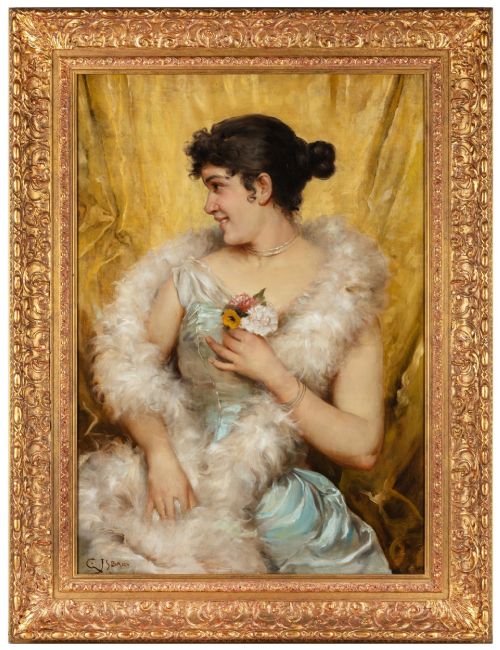
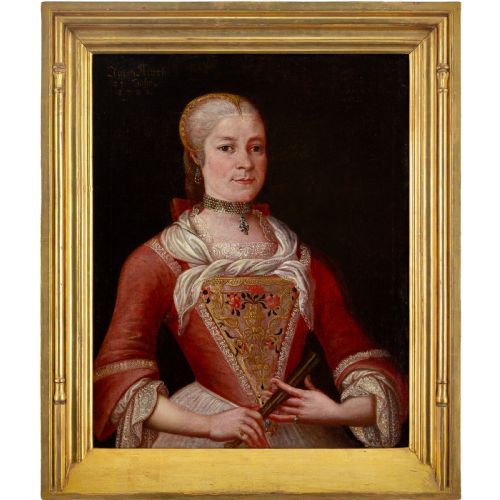
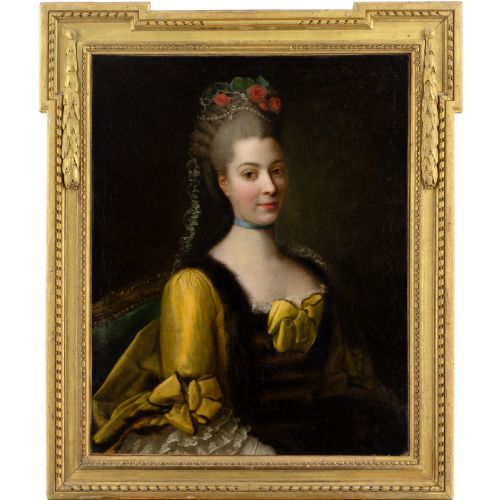

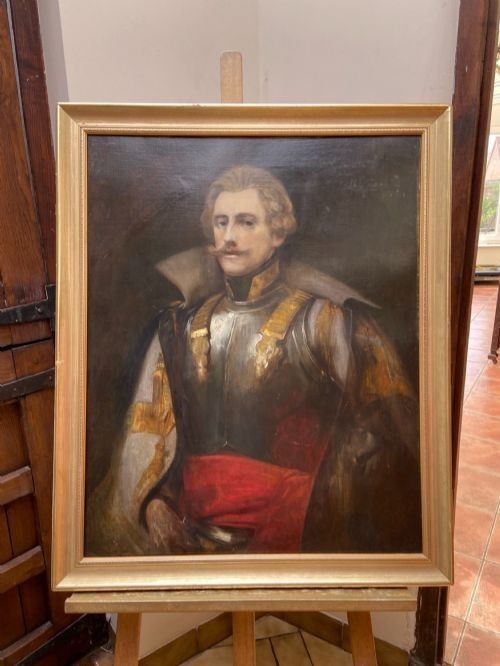
Framed Oil Portrait Art
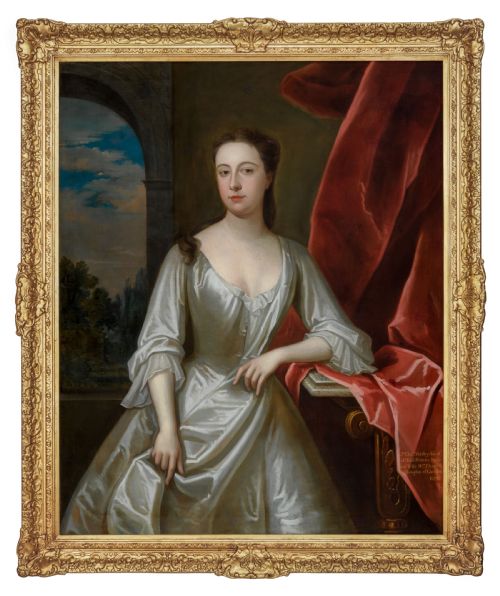
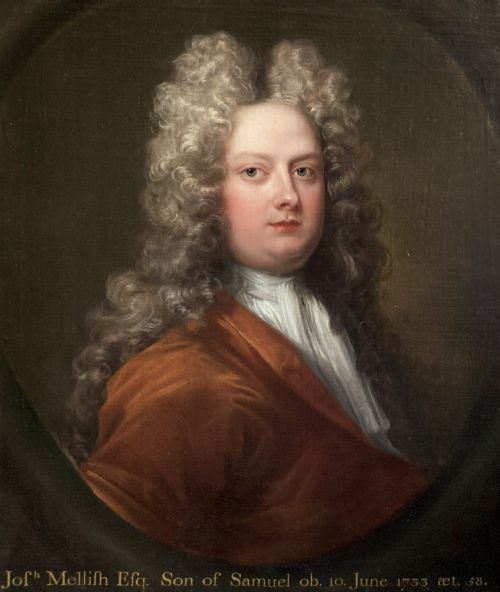
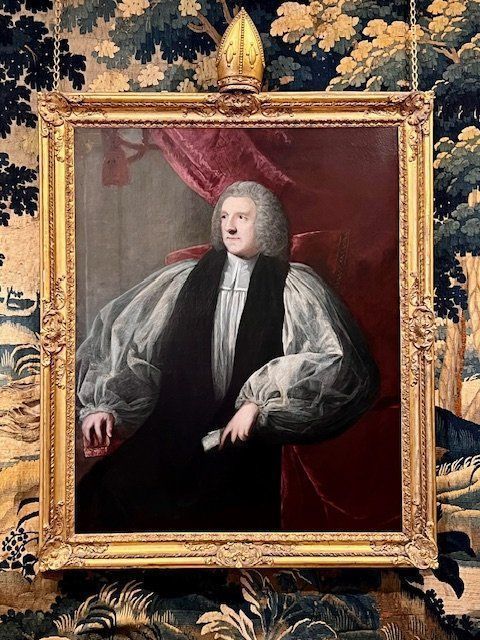
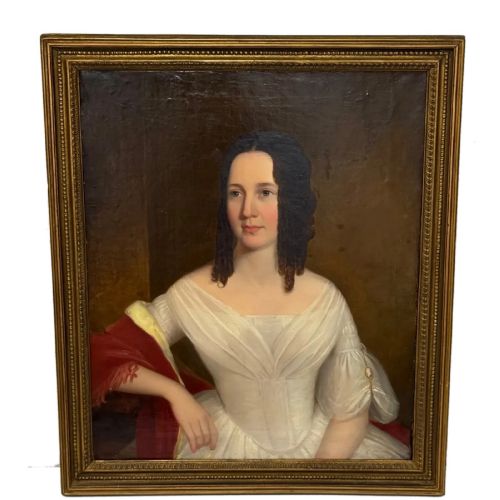
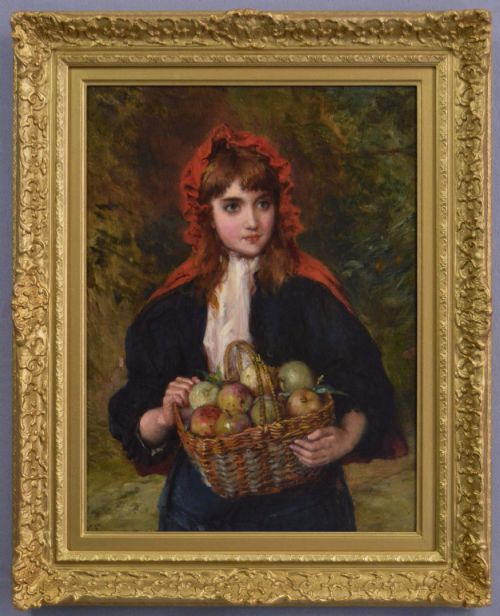
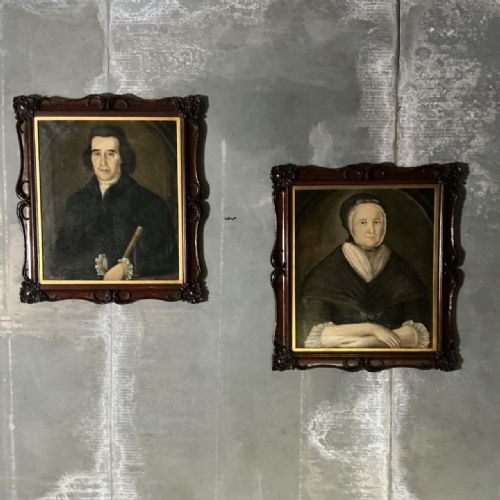
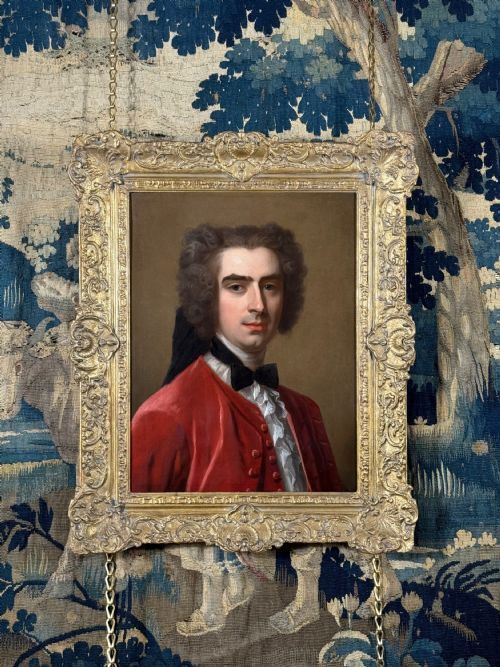
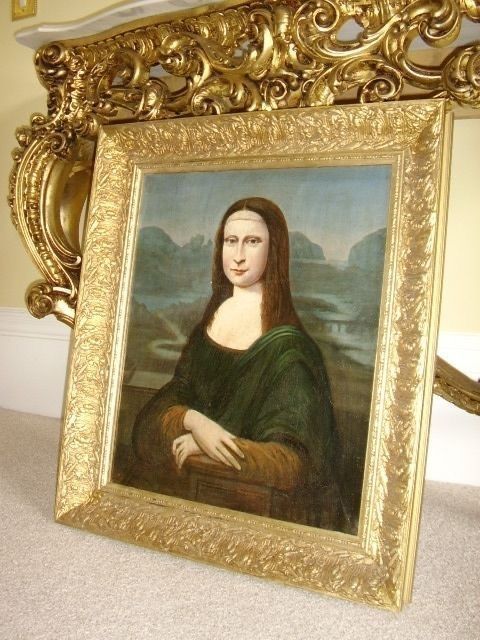
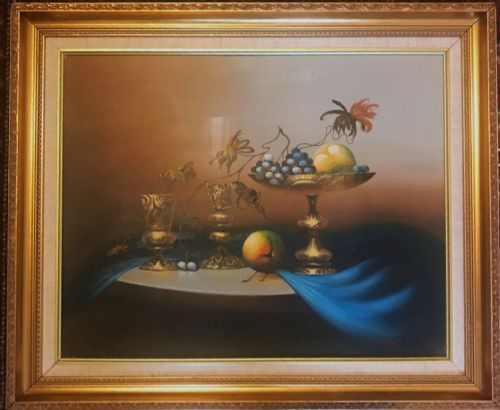
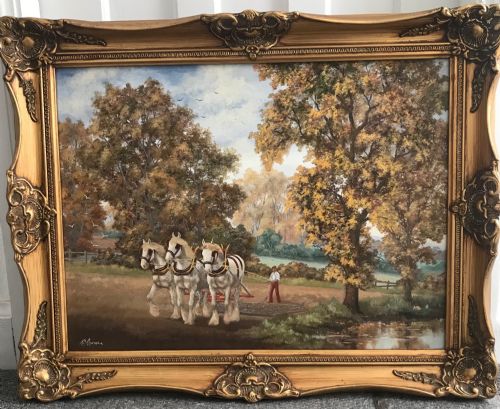
Framed oil portrait art brings centuries of character into a room through hand-painted likenesses preserved in period frames.
Framed Oil Portrait Art
Framed oil portrait art comprises historical and traditional painted likenesses on canvas, wood panel, and board, enclosed within period frames. Buyers searching for framed oil portrait art encounter works ranging from seventeenth-century nobility to nineteenth-century domestic sitters and twentieth-century figures.
The selection spans numerous stylistic traditions, including British Baroque, Dutch Golden Age, Georgian, Victorian, and Regency eras. Many pieces depict named historical figures, nobility, and family members, while others record anonymous sitters and country subjects.
Most examples originate from British and European schools, spanning oils executed by named portraitists, studio circles, and regional artists. The formats vary from intimate panel studies to large canvases accompanied by giltwood surrounds.
Materials and construction
Artists painted primarily with oil paint onto prepared canvas or wooden panels, building up layers of pigment to achieve depth and skin tones. The support material frequently dictates the conservation history and age of the panel or canvas.
Frames utilise timber constructions finished with gesso, gold leaf, and giltwood mouldings to complement the status of the sitter. These surrounds range from deep, ornate Baroque carvings to simpler nineteenth-century swept frames.
Materials recorded across the archive include oil paint applied to canvas, wood panels, and vinyl canvas supports.
Determinants of quality
Quality rests upon the skill of the brushwork in rendering facial anatomy, textiles, and light, distinguishing master works from provincial copies. Superior pieces capture personality and texture with confident handling rather than stiff repetition.
The integrity and originality of the frame substantially affect the standing of a piece. Period frames that match the age and scale of the canvas retain greater historical harmony than later replacements.
Sir Godfrey Kneller·Charles Jervas·Sir Joshua Reynolds·William Oliver·Jean Baptiste Van Loo·Joseph Clover·Sir Peter Lely·John Hayls·John Maler Collier·George Willison·John Opie·Jeremiah Davison·Sir Anthony van Dyck·Johan Horner
The Framed Oil Portrait Art Glossary
- Giltwood
- Timber carved and coated with gold leaf or metallic powder to create a bright, reflective surface. This finish is typical of high-status frames from the seventeenth and eighteenth centuries.
- Oil on Canvas
- Pigment mixed with drying oil applied to a woven fabric stretched across a wooden frame. It remains the dominant medium for portraiture from the seventeenth century onwards.
- Circle of
- A designation indicating an artist worked closely within the studio or immediate influence of a master painter. These works share stylistic traits with the named principal.
- Panel
- A flat piece of wood used as a rigid support for painting before canvas became widespread. Wooden panels often display grain movement and cradle reinforcements on the reverse.
- Baroque
- An artistic style spanning the seventeenth and early eighteenth centuries characterised by drama, rich colour, and deep shadow. Portraits from this period emphasise elaborate costume and imposing presence.
Framed Oil Portrait Art: Frequently Asked Questions
How do I date a framed oil portrait?
Dating relies heavily on the style of clothing, hair, and framing materials visible in the work. Costume details shift distinctly across the seventeenth, eighteenth, and nineteenth centuries.
Secondary clues include the canvas weave, stretcher construction, and inscriptions on the reverse. Examining these elements together usually narrows the execution window to a specific decade or reign.
What is the difference between an original and an after work?
An original portrait was painted directly from life with the sitter present in the artist's studio. These pieces carry unique documentary value.
Works designated as 'after' an artist are later copies made by other painters, often reproducing famous royal or institutional portraits for private collections.
How should I hang and light an oil portrait?
Oil portraits require stable indoor environments away from direct sunlight and strong heat sources. Excessive temperature fluctuations cause canvas slackening and paint cracking.
Use picture lights with low-heat LED bulbs mounted above the frame to illuminate the surface evenly. Ensure the wall fixings match the substantial weight of traditional giltwood frames.
Are frames original to the paintings?
Many portraits retain their period frames, though frames were frequently updated to match changing interior fashions in later centuries. A matching period frame enhances the historical context of the artwork.
Checking the rabbet and corners reveals whether the canvas has lived in that specific surround for generations or been matched up recently.