
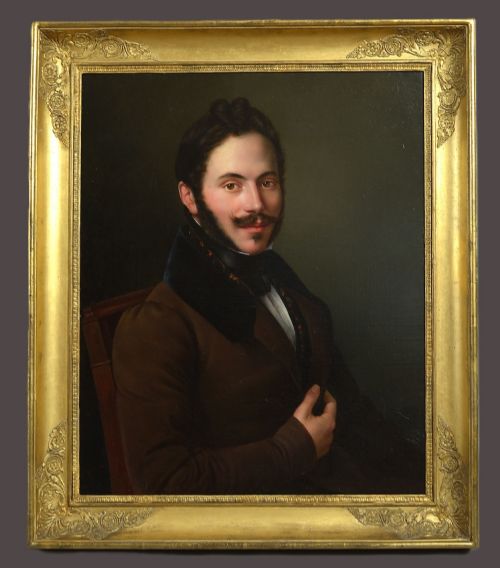
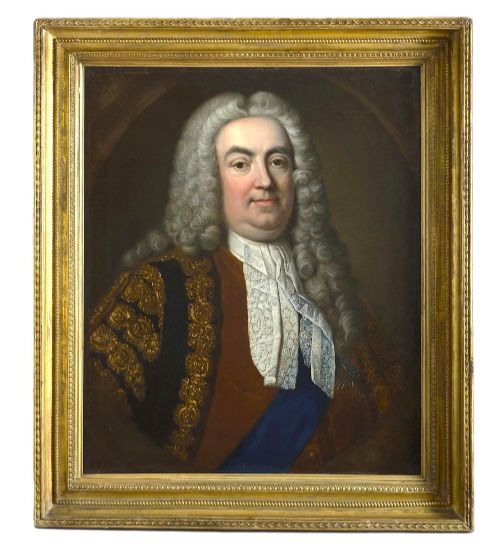
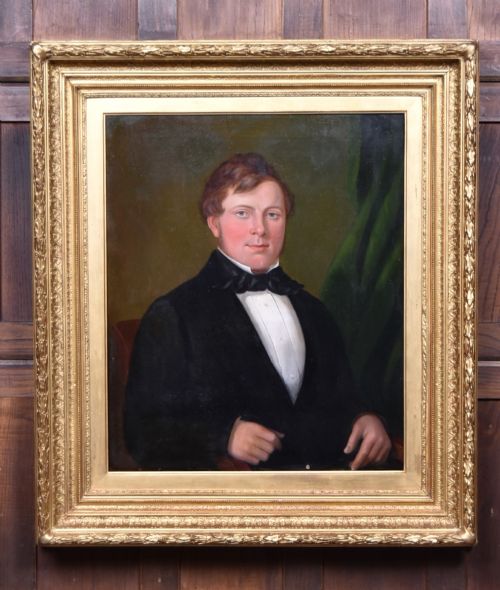
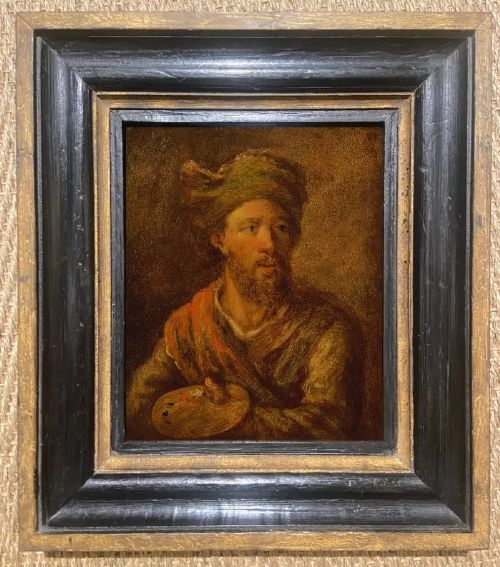
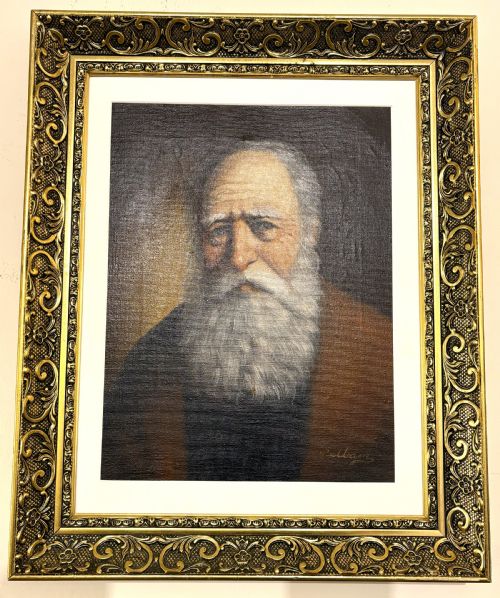
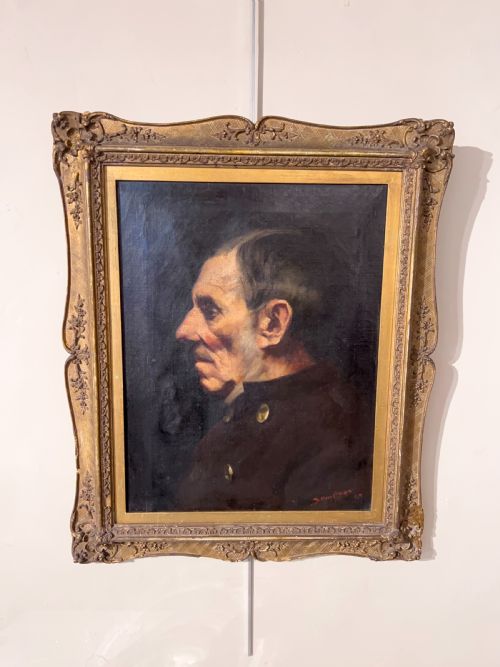


Classic Male Portrait Painting
A classic male portrait painting captures authority and presence on canvas, offering an enduring connection to historical figures and gentlemen of past centuries.
Classic Male Portrait Painting
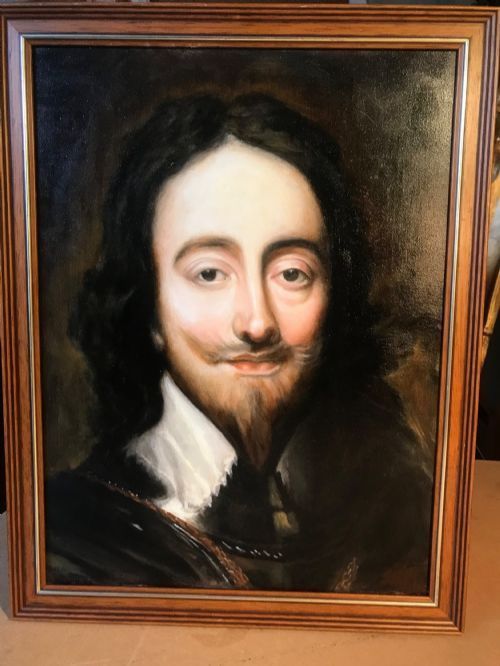
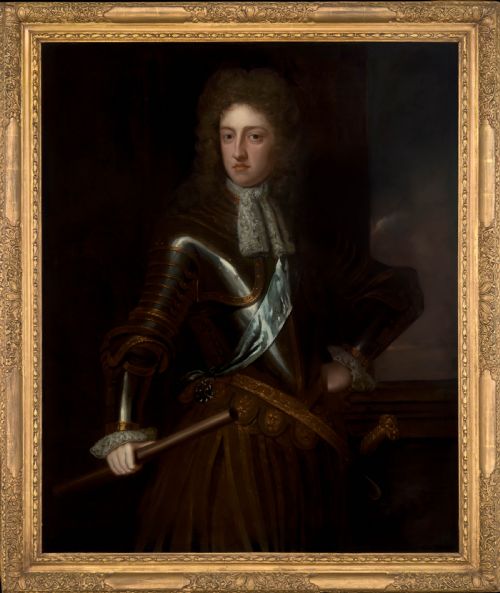
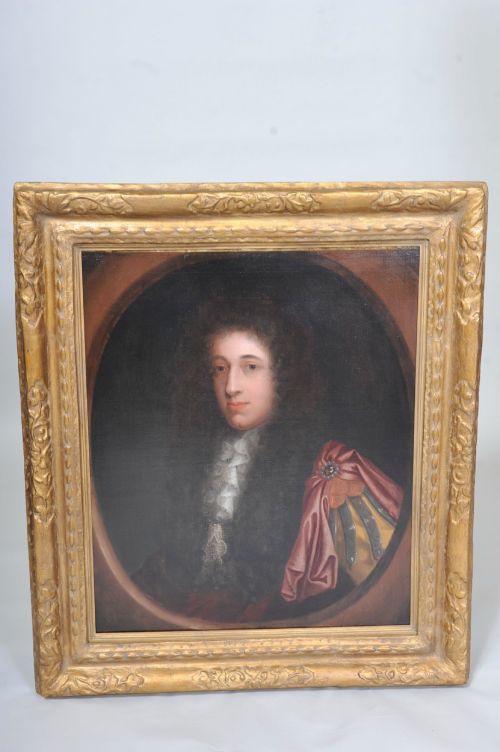
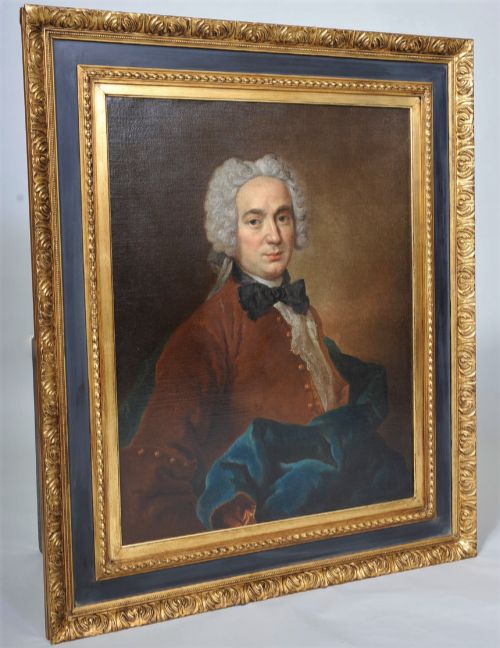
A classic male portrait painting presents recognizable figures, military officers, gentlemen, and artists rendered across several centuries. The selection spans the seventeenth, eighteenth, and nineteenth centuries, alongside mid-century works and later interpretations.
Buyers encounter oil on canvas compositions ranging from studio pieces associated with prominent painters to anonymous school works. Subjects include historical figures such as Sir Robert Walpole and Prince Albert, as well as unrecorded sitters from British and French traditions.
Materials and construction
These paintings rely on oil paint on canvas supports, utilising the versatility of pigments to build depth in clothing, skin tones, and background shadows. Artists built up layers from dark grounds to lighter highlights to achieve three-dimensional presence.
Frames play a structural and aesthetic role, frequently constructed from wood and embellished with gold leaf or gilded finishes. The application of giltwood enhances the visual weight of the portrait and protects the edges of the canvas.
Several gentlemen depicted on these canvases stare out with stern expressions, seemingly unimpressed by modern interior design choices.
Factors of execution and lineage
The distinction between works lies in the execution of the sitter's expression, hands, and drapery, which separates master studio output from routine output. Paintings originating directly from an established studio carry greater documentary weight than later copies.
The handling of light and shadow, known as chiaroscuro, determines the psychological depth of the canvas. Superior examples maintain firm draftsmanship beneath the pigment, whereas lesser works rely on formulaic brushwork and flat contours.
Anthony Van Dyck·Sir Godfrey Kneller·Edouard Pingret·Jean Baptiste Van Loo·Bertram Priestman·Jean Denis Maillart·Marcellus Laroon·Sir Joshua Reynolds·Sir William Charles Ross
The Classic Male Portrait Painting Glossary
- Oil on Canvas
- A traditional painting medium where coloured pigments suspended in oil are applied to a stretched woven fabric support. This combination allows for rich blending and long-term durability.
- Giltwood
- Wood carved and coated with a thin layer of gold leaf or metallic powder. It provides a bright, reflective border that complements dark portrait palettes.
- Baroque
- An artistic style spanning the seventeenth and early eighteenth centuries characterised by dramatic lighting and theatrical movement. Portraits from this period emphasise deep shadows and psychological intensity.
- Studio of
- A term indicating a work produced by assistants or pupils under the direct supervision of a master artist. Such pieces often replicate popular compositions of the period.
Classic Male Portrait Painting: Frequently Asked Questions
What is a studio portrait painting?
A studio portrait painting is a work created in the workshop of an established master, often with the assistance of trained pupils. These pieces followed successful compositions while maintaining high standards of oil painting technique.
They offer collectors an authentic connection to a master's workshop output from periods like the seventeenth and eighteenth centuries.
How do I identify seventeenth-century portraits?
Seventeenth-century portraits typically feature rigid postures, dark, austere backgrounds, and elaborate lace collars or military attire. The paint application reflects Baroque conventions of strong light and shadow.
Examining the canvas texture and the stretcher construction provides additional clues to the age of the work.
Where were these male portraits displayed?
Historically, these portraits hung in country houses, institutional boardrooms, and private libraries to display lineage, status, or political allegiance. They served as permanent records of prominent figures and ancestors.
Today, they function as focal points in domestic interiors, bringing historical depth to modern rooms.