




Framed Nautical Artwork
Framed nautical artwork captures maritime history through paintings and drawings of ships, harbours, and coastal scenes.
Framed Nautical Artwork
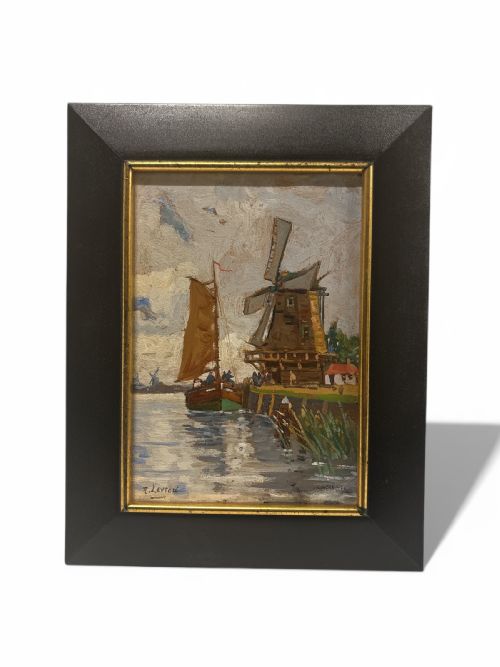
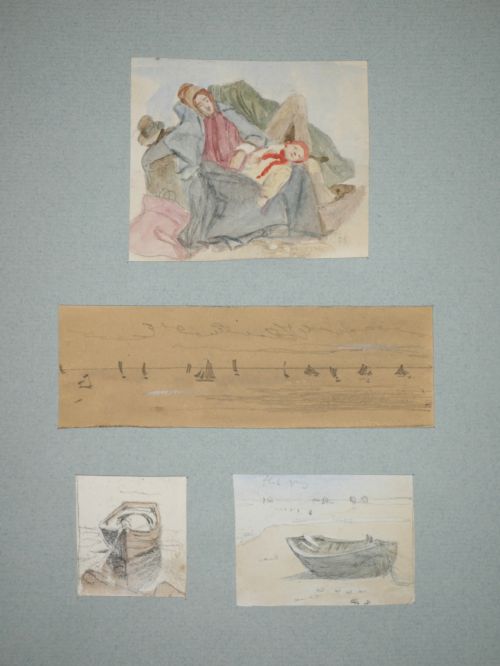
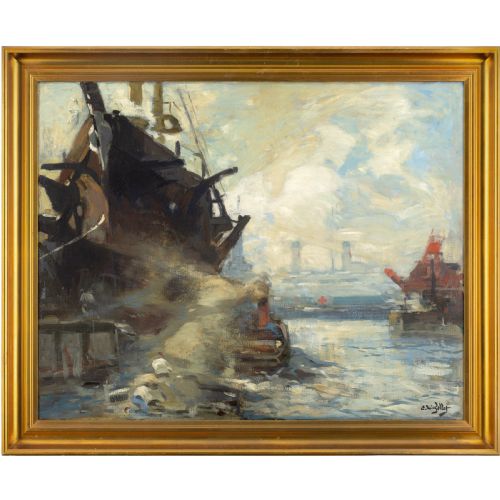
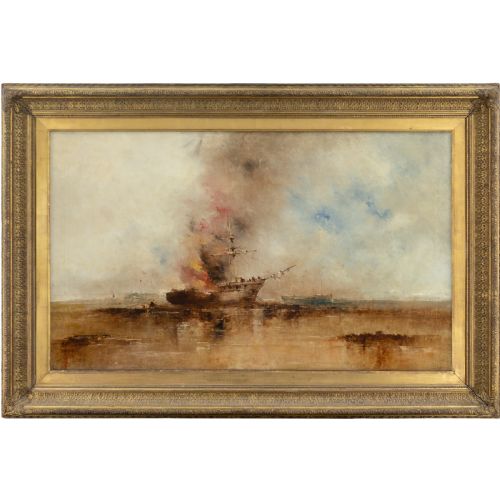
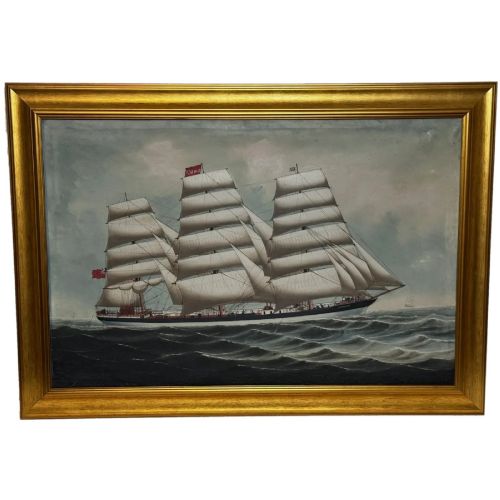
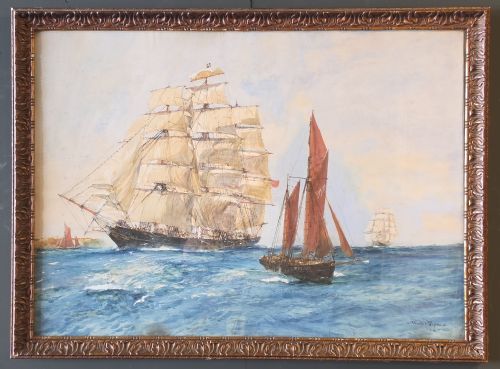
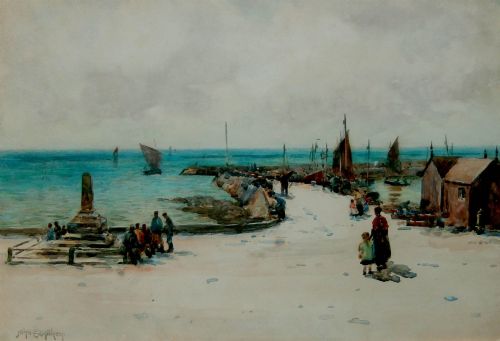
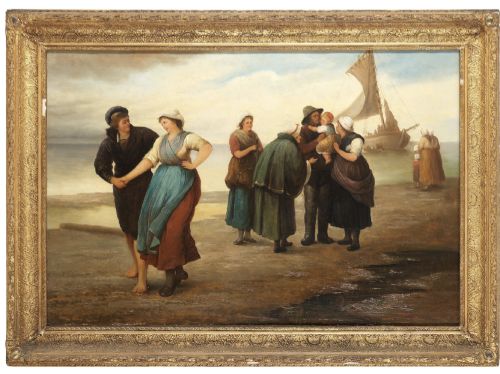
Framed nautical artwork encompasses marine oil paintings, watercolours, and gouache drawings depicting vessels, naval engagements, and coastal harbours. The selection spans the nineteenth century through the mid twentieth century, featuring Victorian marine scenes alongside Edwardian and later interpretations.
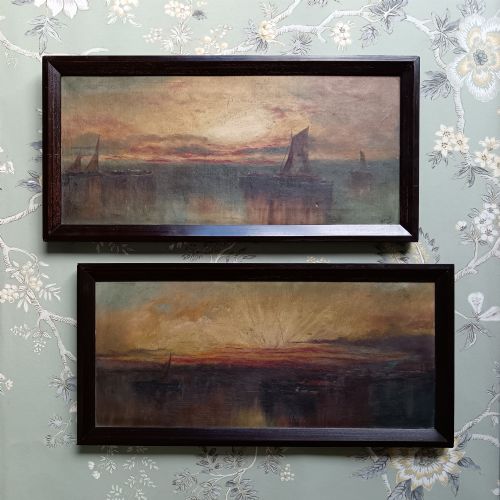
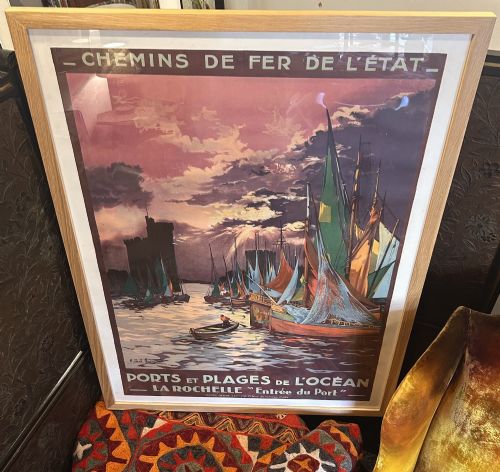
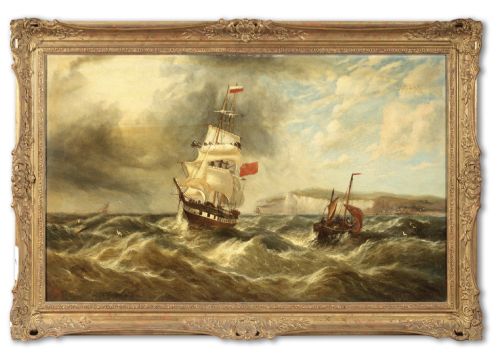
Buyers encounter oil paintings on canvas and board, delicate paper watercolours, and French railway posters. Subjects range from tranquil sunrise and sunset seascapes to dramatic depictions of ships in stormy waters.
The objects originate from British, French, Dutch, and Chinese export traditions, presenting varying perspectives on maritime life. Many pieces retain period gilt frames that complement the maritime subject matter.
How they were made
Painters utilised oil paint on canvas and wood panel to achieve depth and texture in marine scenes, particularly when capturing rough seas and billowing sails. Watercolours and gouache on paper provide precise detail for architectural harbour views and ship rigging.
Many works are housed within period wooden and gilt frames that protect the paper or canvas surfaces. The combination of pigmented paint, ink, and paper reflects traditional studio practices of the nineteenth and early twentieth centuries.
Listings feature 19th Century, Edwardian, and 1960s periods, executed in oil paint, watercolour, and gouache on paper, wood, and canvas.
What varies in quality
Quality rests upon the artist's ability to render marine anatomy accurately, from ship rigging to wave movement under different weather conditions. Compositional balance and atmospheric perspective separate standard decorative pieces from accomplished fine art.
The condition of the canvas, paper support, and original gilt frame influences the overall integrity of the piece. Works signed by known artists or attributed to specific maritime schools command greater attention.
James Hardy·James Orrock·Eugène-Louis Gillot·William McAlpine·Reginald Arthur Borstel·Charles Edward Dixon·John E. Aitken·James Smetham·James Kay·William Broome·Bernard Gribble·Bonaventura Peeters·Frank William Scarbrough·F. Corpuz·Peter Brannan·Paul Bret·Lucy Pratt·Willem Bos·John Wilson Carmichael·Lai Fong
The Framed Nautical Artwork Glossary
- Gouache
- An opaque watercolour paint that dries to a matte finish, often utilised for crisp maritime illustrations.
- Gilt frame
- A wooden picture frame covered in gold leaf or metallic gilt, frequently seen on nineteenth century oil paintings.
- Panel
- A flat piece of wood used as a rigid support for oil paintings instead of stretched canvas.
- Seascape
- A work of art depicting the sea, coastal views, ships, or marine engagements.
- Watercolour
- A painting method where fine pigment is suspended in a water-based solution on paper.
Framed Nautical Artwork: Frequently Asked Questions
What subjects appear in framed nautical artwork?
The selections depict sailing ships, steamships, harbour scenes, and coastal landscapes. Artists recorded naval history, merchant vessels, and quiet fishing boats.
Scenes range from tranquil coastal waters to dramatic gales and historical shipwrecks.
How do I identify the age of a marine painting?
Dates are often indicated by the ship types shown, such as nineteenth century three masted schooners or early twentieth century steamships. Costume details of figures and the style of the frame also offer chronological clues.
Signatures, artist dates, and mediums like watercolour or oil on panel help narrow the period.
Where should I hang maritime paintings at home?
These works suit studies, living rooms, and hallways where traditional wall art enhances the interior decor. Placing them away from direct sunlight protects watercolours and oil pigments from fading.
Matching the gilt or wooden frame to existing room furnishings helps integrate the piece.
What is the difference between an oil painting and a watercolour?
Oil paintings utilise pigment suspended in drying oils on canvas or wood, offering rich textures and deep colours. Watercolours use water-soluble pigments on paper, creating a lighter and more translucent effect.
Oils are typically framed behind glass less often than watercolours on paper.