



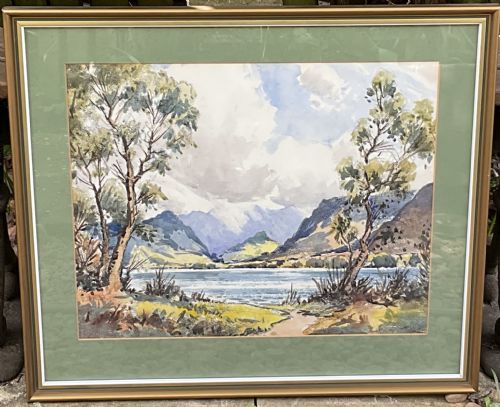
Framed Nature Watercolour Artwork
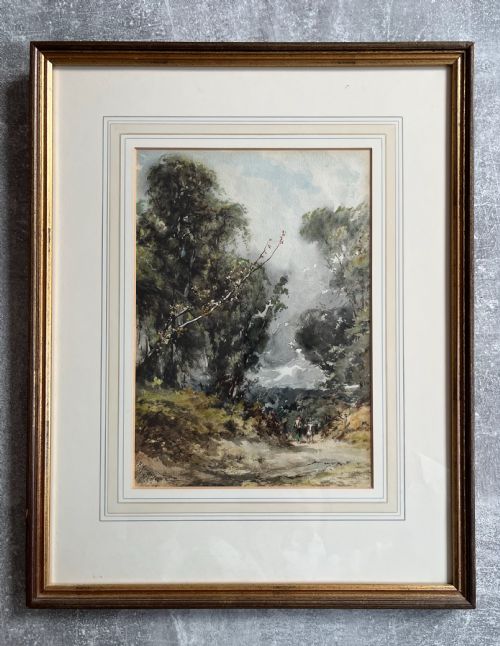
These framed nature watercolour artwork pieces capture pastoral scenes and botanical studies, bringing authentic period charm and delicate pigment work directly into a room.
Framed Nature Watercolour Artwork
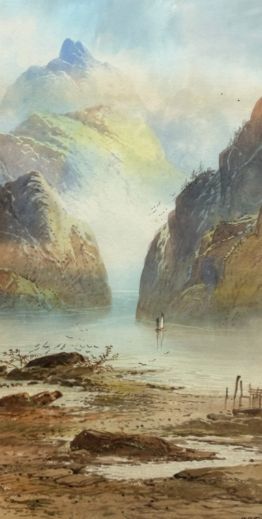
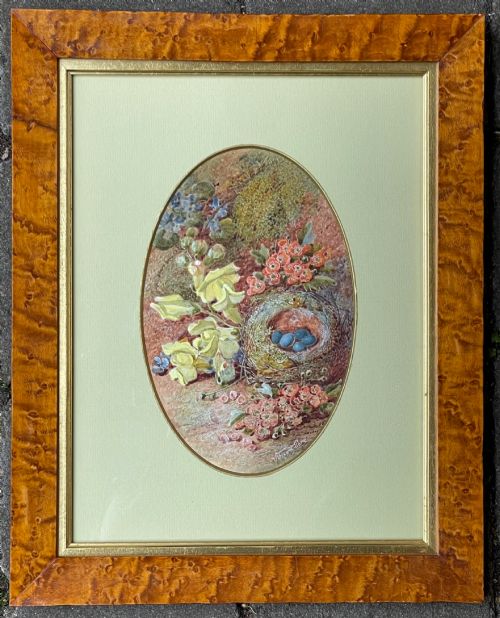
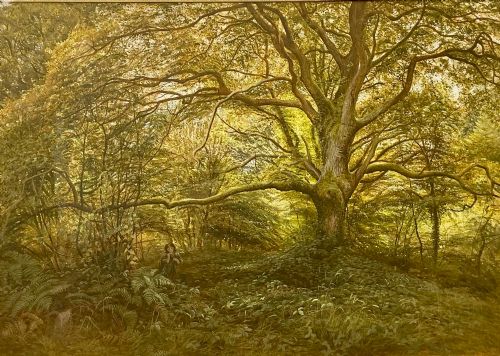
When you search for framed nature watercolour artwork, you encounter delicate paintings on paper depicting landscapes, river views, woodland scenes, and still life studies of flowers and birds' nests. These works capture the natural world through the eyes of artists working across the nineteenth and twentieth centuries.
The selections available range from Victorian rural scenes and Edwardian Scottish landscapes to mid-century British impressions. Most pieces arrive mounted within wooden frames behind protective glass, preserving the original pigments and paper supports.
Subjects frequently centre on British and Welsh scenery, alongside detailed studies of flora and fauna. Painters utilised watercolour pigment, gouache, and ink to record the changing light and colour of the countryside.
How they were made
Artists applied water-soluble pigments onto paper supports, often building translucent washes to depict skies and water, while using heavier gouache or ink for finer botanical details. Some compositions incorporated gold leaf highlights to add luminosity to the framed artwork.
Makers protected these delicate watercolours behind glass within wooden frames, occasionally embellished with gold leaf finishes. The combination of paper, pigment, and wood required careful mounting to prevent moisture damage over the decades.
Framed Nature Watercolour Artwork Retail Price Guide 2026
Typical asking prices for framed nature watercolour artwork among the pieces listed under this phrase on Sellingantiques today, from the lower quarter to the upper quarter. They describe what is for sale here now, not the wider market.
Listings feature works created across the nineteenth and twentieth centuries, spanning periods from Victorian naturalism to mid-century British impressionism.
What varies in quality
The distinction between standard works and exceptional pieces rests upon the confidence of the brushwork and the clarity of the composition. Skilled hands captured natural light and botanical textures with precision, whereas lesser examples remain flat and formulaic.
The preservation of the original paper and pigment vibrancy dictates the longevity of the piece. Works that have avoided excessive fading retain the distinct tonal variations intended by the painter.
George Fotherly Hargitt·William Henry Earp·William Joseph Boyes·Vincent Clare·Eloise Harriet Stannard
The Framed Nature Watercolour Artwork Glossary
- Watercolour
- A paint consisting of colour pigments suspended in a water-soluble binder. It provides transparent washes that allow the white of the paper to reflect light through the pigment.
- Gouache
- An opaque watercolour paint containing pigment mixed with a binding agent and white filler. It creates solid, matte areas of colour with greater opacity than standard watercolours.
- Victorian Naturalism
- An art style focused on the detailed, accurate depiction of the natural world. Practitioners observed plants, birds, and rural landscapes with scientific and artistic precision.
- Impressionism
- A painting style characterised by relatively small, thin yet visible brush strokes and an open composition. It emphasises accurate depiction of light in its changing qualities.
- Pen and Ink
- A drawing technique utilising fine metal nibs and dark fluid applied to paper. It frequently serves as the linear foundation beneath watercolour washes.
Framed Nature Watercolour Artwork: Frequently Asked Questions
How should I hang watercolour paintings?
Keep framed works away from direct sunlight to prevent the watercolour pigments from fading over time. Direct heat sources such as radiators can also dry out the paper and damage the wooden frames.
Ensure the wall space remains stable and dry to protect the paper support from humidity. Secure hanging fixings support the combined weight of the glass, frame, and backing board safely.
How do I identify a Victorian watercolour?
Examine the paper quality, framing style, and subject matter for indicators consistent with the nineteenth century. Victorian pieces frequently feature detailed naturalism, rural English or Scottish landscapes, and traditional handwritten signatures.
Paper stocks from this period often display heavier textures and ageing characteristics beneath the glass. Subject choices like birds' nests, primroses, and rustic woodland paths reflect the Victorian taste for pastoral scenes.
What is the difference between watercolour and gouache?
Watercolour relies on transparent pigments that allow light to pass through the wash and reflect off the white paper beneath. This creates luminous effects, particularly in skies and water.
Gouache includes added white filler, making the paint opaque and solid. Artists utilised this medium to build dense highlights and rich botanical details on the paper surface.
Can I remove the frame from an antique watercolour?
Opening antique frames risks exposing fragile paper and historic pigments to atmospheric moisture and physical damage. The original mounting materials often form an integral part of the piece's preservation.
Leaving the artwork undisturbed inside its protective glass casing maintains the structural integrity established by past framers. Professional conservators should handle any necessary frame repairs or reglazing.