



Woodland and River Artwork
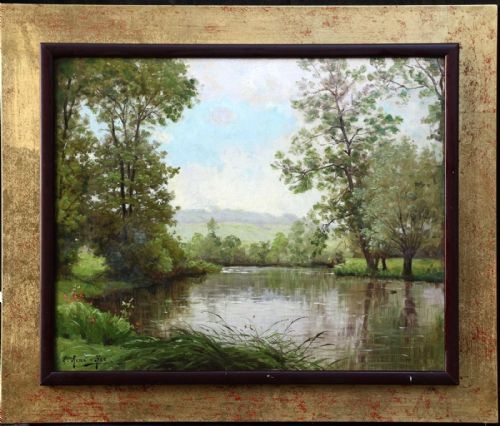
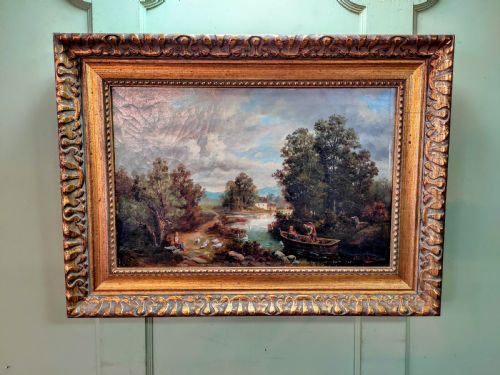
These woodland and river artwork pieces capture natural waterways and wooded glens in oil and watercolour, bringing atmospheric scenery indoors.
Woodland and River Artwork
When you examine woodland and river artwork on this page, you encounter traditional landscape paintings and watercolours depicting trees, streams, and riversides. The selection spans the nineteenth century, the Victorian period, and the early twentieth century, offering historical vistas of British and European countryside. You are most likely to meet framed oil paintings on canvas depicting rural scenes by named and regional artists.
What varies in quality
Quality in these landscape pieces rests upon the confidence of the brushwork and the artist's ability to render light, atmosphere, and depth within the natural setting. Finer examples display subtle tonal transitions in the depiction of river currents, foliage shadows, and distant mountain forms rather than flat or formulaic application of paint. The handling of water reflections and the integration of figures into the landscape environment distinguish accomplished compositions from standard decorative works.
The preservation of the original canvas, the stability of the oil paint layer, and the condition of the accompanying period frame contribute significantly to the overall standing of an artwork. Works that retain their original gilt gesso frames and exhibit minimal restoration to the pigment surface command greater interest from collectors seeking period authenticity.
Woodland and River Artwork Retail Price Guide 2026
Typical asking prices for woodland and river artwork among the pieces listed under this phrase on Sellingantiques today, from the lower quarter to the upper quarter. They describe what is for sale here now, not the wider market.
At least one nineteenth-century artist evidently enjoyed painting the river Wharfe so often that local fish must have recognised the easel.
Arthur Herbert Rigg·Owen Bowen·Clarence Henry Roe·David Watts·William Mellor·John Wright Oakes·Walter Follen Bishop·Charles Edward Holloway·Ernest Higgins Rigg·George F. Wetherbee·Benjamin Callow·Charles Edmond Rene His·Everett W. Mellor·Charles Duval·George Neil
The Woodland and River Artwork Glossary
- Oil on Canvas
- Pigments bound in drying oil applied to a woven fabric stretched across a wooden frame. This primary medium allows for rich textures and deep colour layering.
- Watercolour
- A paint consisting of colour suspended in a water-soluble vehicle, traditionally applied to paper. It creates luminous, transparent washes ideal for capturing light on water and sky.
- Gesso
- A plaster mix used to prepare wood or canvas surfaces and to mould decorative relief details on picture frames. It provides a smooth base for subsequent gilding.
- Gold Leaf
- Gold beaten into extremely thin sheets used to gild picture frames and decorative elements. It adds reflective warmth around the perimeter of the artwork.
- British Impressionism
- A late nineteenth and early twentieth-century painting style focusing on light, everyday subjects, and loose brushwork. Artists in this movement prioritized outdoor observation of nature.
Woodland and River Artwork: Frequently Asked Questions
What periods do these landscape paintings represent?
The works span from the seventeenth-century Dutch school through the Victorian era up to the mid-twentieth century. Most examples originate from the nineteenth century and the early decades of the twentieth century.
Buyers encounter various historical interpretations of the countryside, reflecting the changing aesthetic preferences of British and European artists across these periods.
How should I care for an antique oil painting?
Keep the artwork away from direct sunlight and maintain stable indoor humidity levels to protect both the canvas and the wooden frame. Avoid using chemical cleaners on the painted surface or the gilded frame.
Dust the frame gently with a soft, dry brush and consult a professional conservator if the canvas requires cleaning or structural attention.
Are these artworks signed by the artists?
Many of the pieces feature visible artist signatures, inscriptions, or period documentation on the canvas, board, or reverse. Some works are attributed to specific regional schools or identified through historical records.
Checking the lower corners or the reverse of the canvas often reveals the creator's hand or contemporary framing inscriptions.
What subjects typically appear in these river scenes?
Common subjects include Yorkshire rivers like the Wharfe and the Swale, wooded glens, Welsh valleys, and tranquil pastoral streams. Figures such as fishermen and cattle frequently populate the riverbanks.
Artists also captured specific atmospheric conditions, including autumn foliage, summer sunlight, mountain backdrops, and winter snow scenes.