
Framed Mountain Artwork
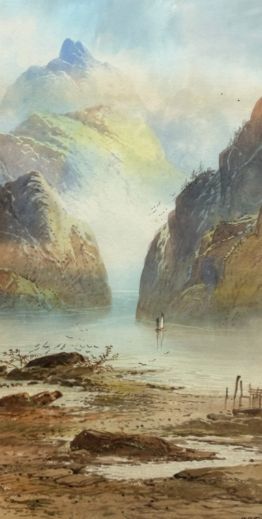
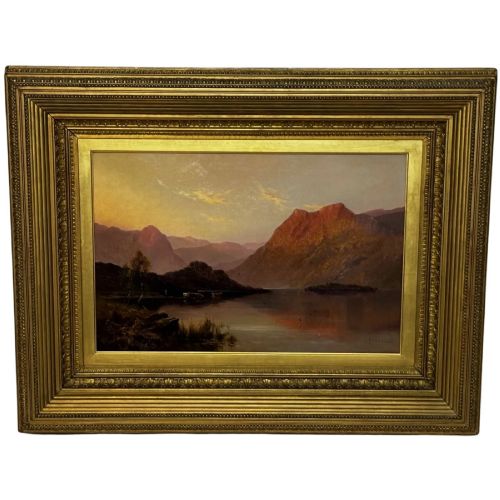
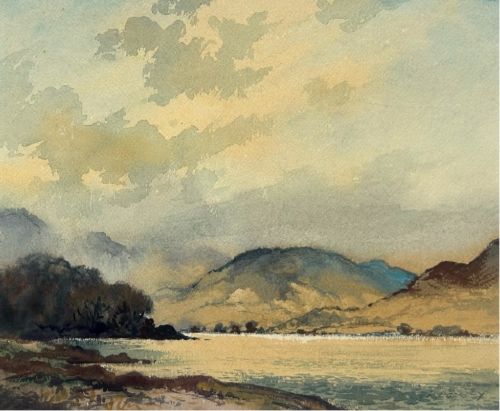
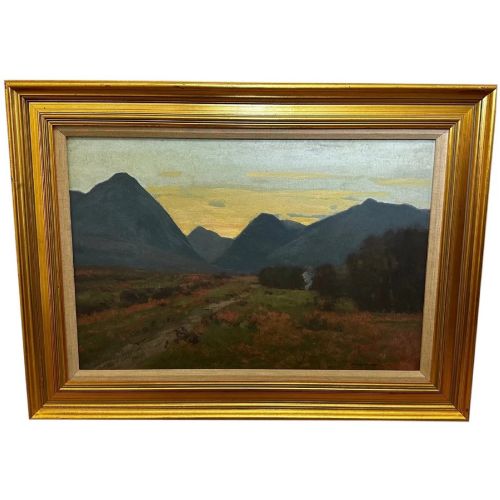
Framed mountain artwork captures rugged terrain and vast peaks, bringing the drama of high altitudes directly onto the wall.
Framed Mountain Artwork
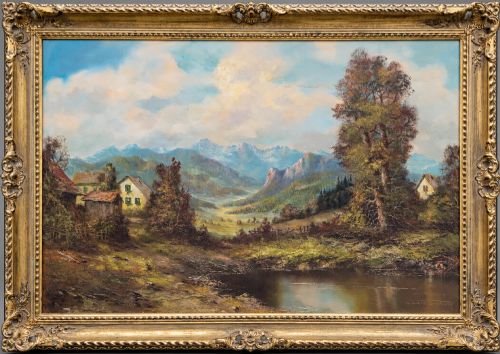
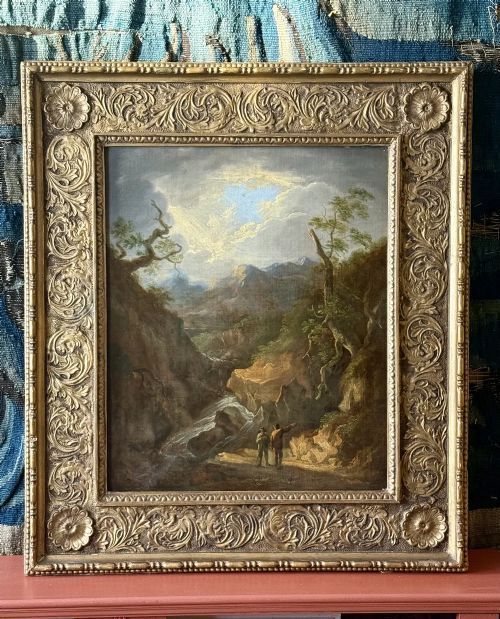
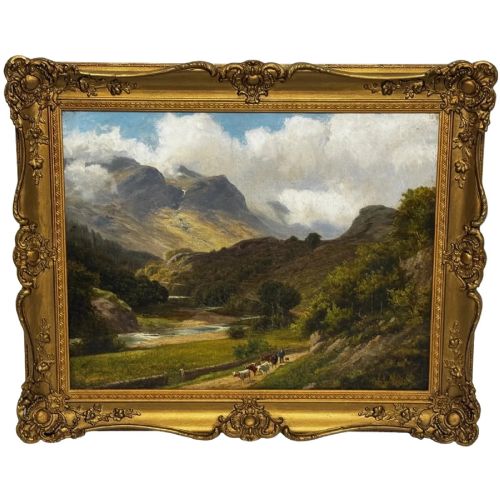
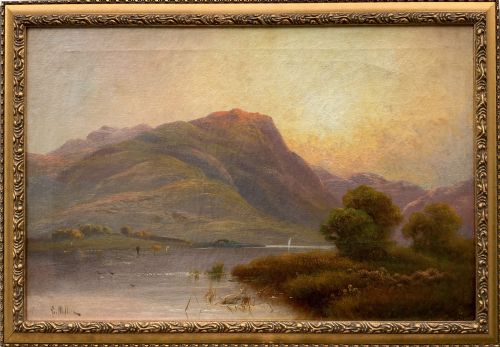
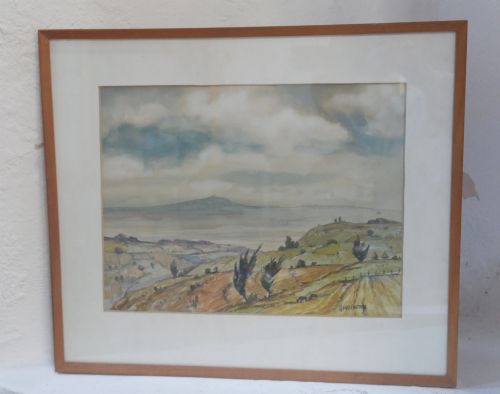
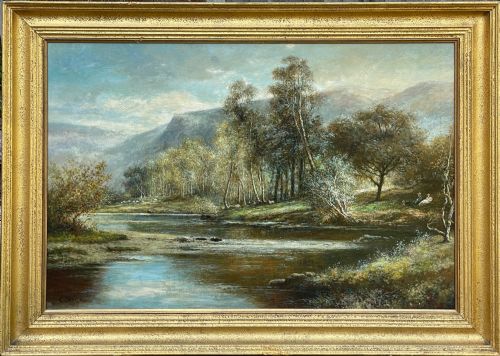
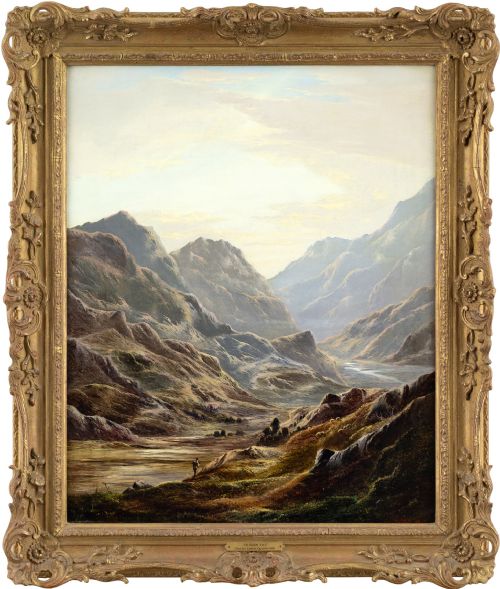
Framed mountain artwork encompasses framed paintings and watercolours depicting dramatic peaks, quiet lochs, and sweeping valleys from the nineteenth and twentieth centuries. Buyers searching for framed mountain artwork encounter regional British views alongside continental Alpine scenes.
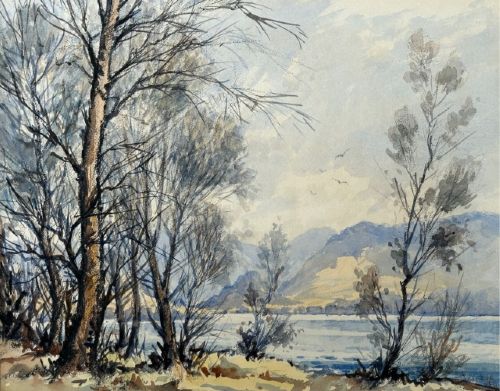
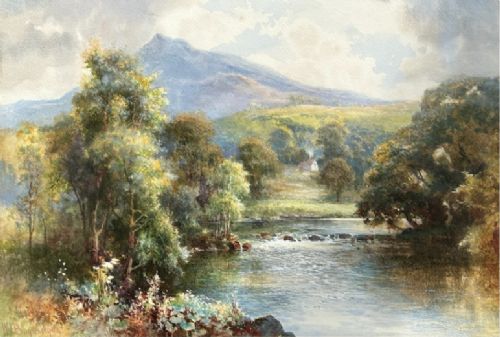
The selection on this page relies heavily on nineteenth-century and mid-century British, Scottish, and Welsh landscape traditions. Traditional oil paintings on canvas sit alongside delicate watercolour paintings on paper, each housed in period framing.
Quality variations
The strength of the composition and the artist's ability to render atmospheric light and atmospheric depth define the upper tier of these landscapes. Skill in handling watercolours or oils dictates whether a distant peak feels convincing or flat.
The integrity of the original frame and the preservation of the painted surface contribute substantially to the standing of any individual piece.
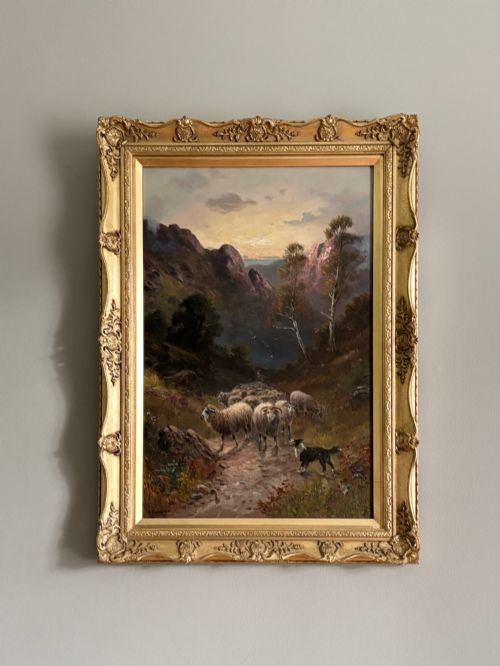
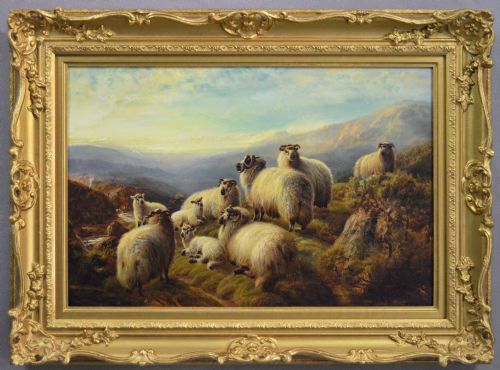
Several sheep populate these high-altitude scenes, quietly grazing while majestic peaks tower entirely unimpressed above them.
Karl Gatermann·Benjamin Barker of Bath·William Henry Earp·Alfred Fontville de Breanski Jr·Robert Leslie Howey·George Houston·William Joseph Boyes·Douglas Cameron·Charles Leslie·Robert Watson·Henry Martin Pope·William George Tennick·John Grenville Fennell·William Henry Mander·William Hoggatt·Sidney Richard Percy·Thomas Spinks·Frank Hider·Giulio Cecchini·Walter J Watson·C Caldwell·William Grant Murray·J Barclay·John Douglas Perrett
The Framed Mountain Artwork Glossary
- Oil on Canvas
- A painting medium where pigments suspended in oil are applied to a stretched woven fabric support. This technique allows for rich texture and deep colour saturation.
- Watercolour
- A painting method where fine pigment powders are bound in a water-soluble vehicle and applied to paper. It yields translucent washes of colour.
- Giltwood
- Timber carved and coated with a thin layer of gold leaf or metallic powder. It provides a bright, reflective border to traditional landscape paintings.
- Gesso
- A paint mixture consisting of a neutral binder mixed with chalk, gypsum, or pigment. It serves as a smooth preparation base for wood panels and frames before gilding.
- Shan Shui
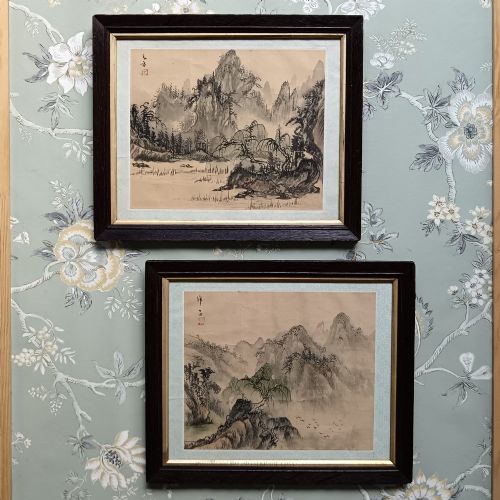
- Traditional Chinese painting style depicting natural scenery using brush and ink. These works often feature prominent mountain forms and flowing water.
Framed Mountain Artwork: Frequently Asked Questions
What is framed mountain artwork?
Framed mountain artwork consists of historical landscape paintings and watercolours depicting peaks, valleys, and lakes. These pieces range from Victorian Scottish views to continental Alpine scenes.
Most items feature traditional wood or gilt frames that complement the painted subject matter. They offer a direct window into nineteenth and twentieth-century landscape traditions.
How were mountain paintings used historically?
These artworks were created primarily for interior display in domestic drawing rooms and galleries. They reflected a growing nineteenth-century appreciation for wilderness and picturesque travel.
Owners hung them to bring the grandeur of the Lake District, Scottish Highlands, or foreign mountain ranges into urban homes.
How do I live with mountain art?
Display these works on neutral walls where the natural lighting enhances the depth of the oils or the delicacy of the watercolours. Pairing them with traditional interiors allows the period frames to sit naturally.
Keep them away from direct sunlight and damp environments to protect both the paper or canvas and the original gesso framing.
How can I tell periods apart?
Nineteenth-century pieces often display heavy giltwood frames and romantic or naturalist interpretations of dramatic topography. Mid-century works frequently shift toward lighter palettes and distinct modernist watercolour techniques.
Examining the backing materials, artist signatures, and framing construction helps confirm the era of production.