


Framed Military Picture
A framed military picture records service, campaign and regiment through portraits, prints and battle scenes.
Framed Military Picture
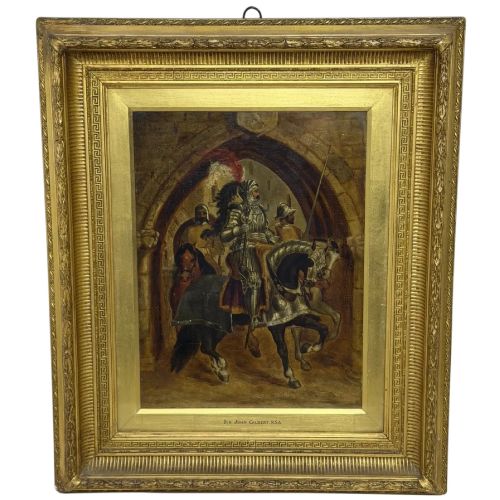
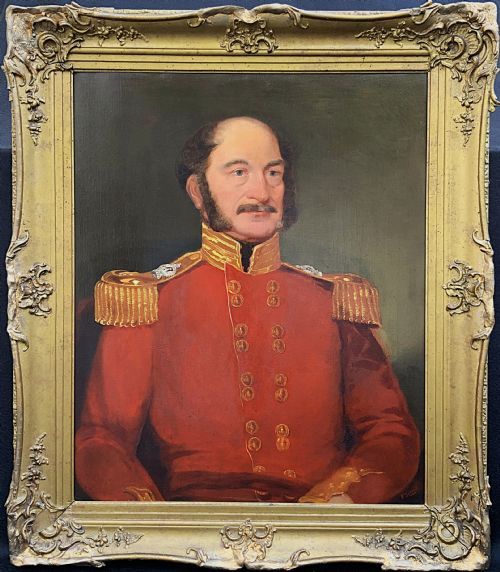
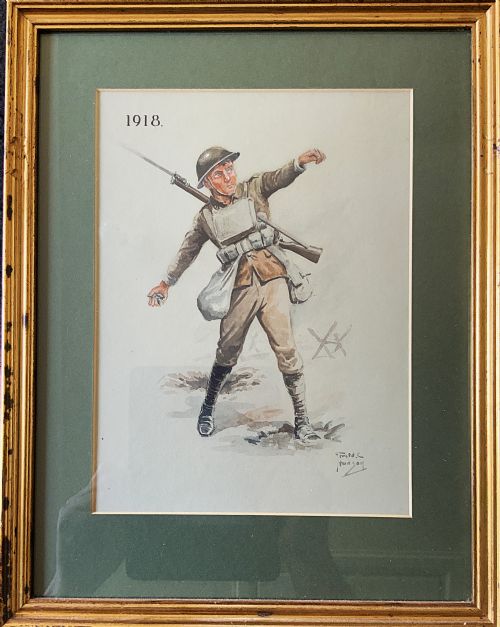
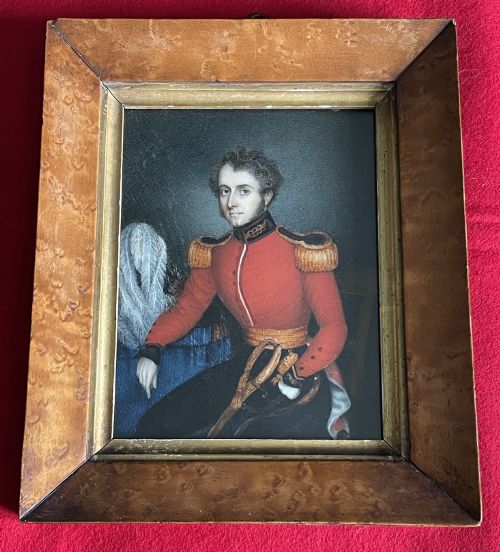
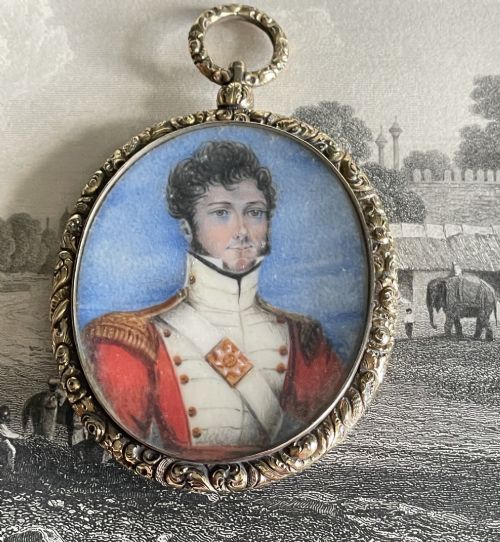
A framed military picture gathers portrait miniatures, oil paintings, watercolours, and prints depicting soldiers, sailors, officers, and engagements. These pieces span from the eighteenth century through the Victorian era to the mid-twentieth century.
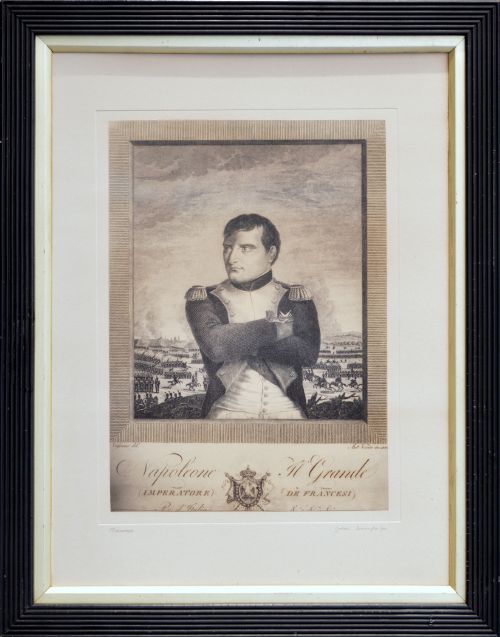
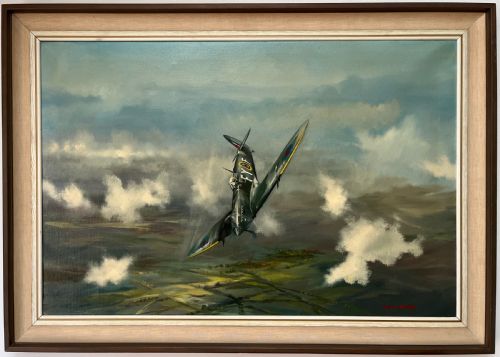
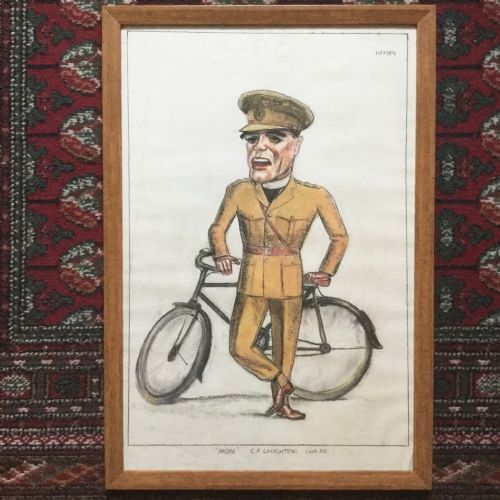
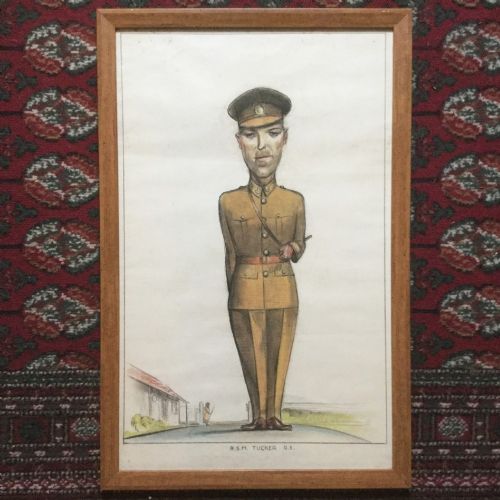
The most common formats on this page are paper prints and watercolour sketches, often preserved behind glass in period wood or gilt frames. Portraits frequently name specific officers or regiments, while narrative works record naval ironclads, cavalry skirmishes, and wartime aircraft.
Works range from intimate charcoal battlefield drawings and pastel sketches created during service to large commemorative engravings and published prints. Each format reflects the visual record of military life and history across different centuries.
Materials and construction
Artisans and artists worked with oil paint on canvas, watercolour and wash on paper, pastel, gouache, and charcoal. Engravings and reverse glass prints represent the printed and transferred imagery of the period.
Frames utilise wood, oak, giltwood, and sterling silver to protect the paper, canvas, and glass surfaces. Silkwork pictures and tapestry embroidery introduce textile techniques into commemorative military subjects.
Listings feature paper, glass, wood, canvas, oil paint, and sterling silver across multiple centuries.
Judging quality in military works
Quality rests upon the directness of the artist's hand, whether in the fine brushwork of a nineteenth-century oil portrait or the expressive line of a wartime sketch. Masterful handling of medium distinguishes unique watercolours and oils from mass-produced prints.
Original framing and contemporary preservation contribute to desirability. Pieces retaining their period wood or gilt frames offer greater historical integrity than later replacements.
Dion Pears·John A. Houston·Gilbert Scott Wright·Thomas Mackay·Copley
The Framed Military Picture Glossary
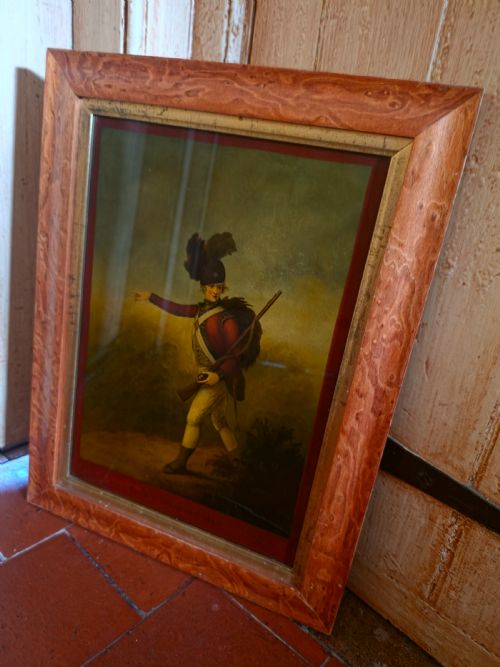
- Reverse glass print
- An image painted or transferred directly onto the underside of glass, producing a glossy surface and preserved colours. This technique protects the pigment from atmospheric damage.
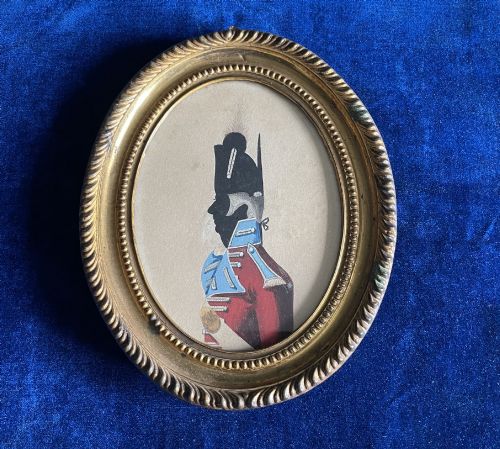
- Portrait miniature
- A small, highly detailed portrait executed on paper, vellum, or ivory, often framed for personal carriage or display. These works capture facial likenesses with exceptional precision.
- Giltwood
- Wood carved and coated with gold leaf or a gold-coloured finish to create a bright, reflective frame. It appears frequently on formal nineteenth-century portraits.
- Trench art
- Decorative or utilitarian objects made by soldiers, prisoners of war, or civilians from war scrap and materials. Items range from carved metal to battlefield drawings.
- Engraving
- A print made by cutting an image into a metal plate, which then holds ink for transfer under pressure. This method allowed multiple crisp impressions of historical battles.
Framed Military Picture: Frequently Asked Questions
What periods do these pieces date from?
The selection includes works from the eighteenth, nineteenth, and twentieth centuries, encompassing Georgian, Regency, Victorian, and Edwardian eras. Mid-century examples extend into the nineteen-forties.
Dating relies on uniform details, artistic styles, framing materials, and inscriptions left by artists or subjects.
How were these pictures originally displayed?
Officers and families hung portrait miniatures and larger oils in domestic parlours, regimental messes, and garrison towns to mark service and commemorate campaigns. Prints and engravings served as affordable wall art for a broader public.
Many retain their original oak, gilt wood, or silver frames selected to suit contemporary interior decoration.
Are all the subjects identified?
Some pieces record named individuals, such as specific lieutenants, captains, generals, and aviators, often accompanied by regimental details or dates. Other works depict anonymous servicemen, generic cavalry units, or historical engagements.
Inscriptions on the reverse or mount frequently provide the historical context required to trace a soldier's service.
What materials are behind the glass?
The mediums vary widely, incorporating oil paint on canvas, delicate watercolours, gouache, pastel, charcoal, and printed paper. Textile works utilise silk embroidery and tapestry techniques.
Paper and fabric elements are typically protected beneath glass within wooden or gilt frames to prevent environmental degradation.