
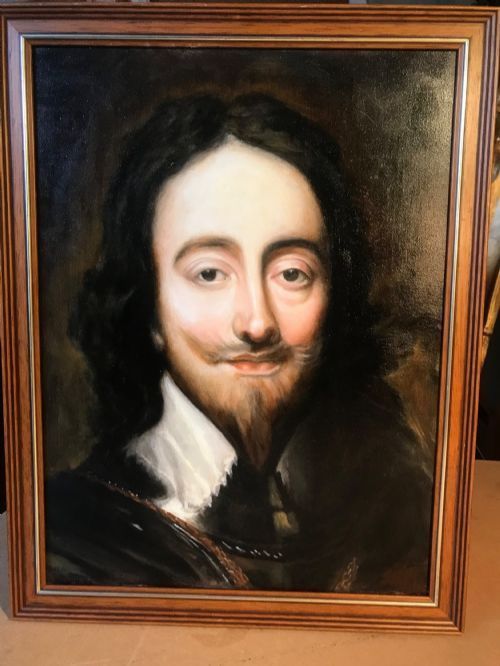
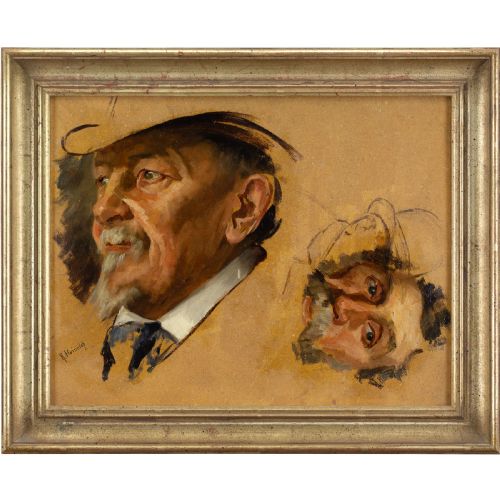
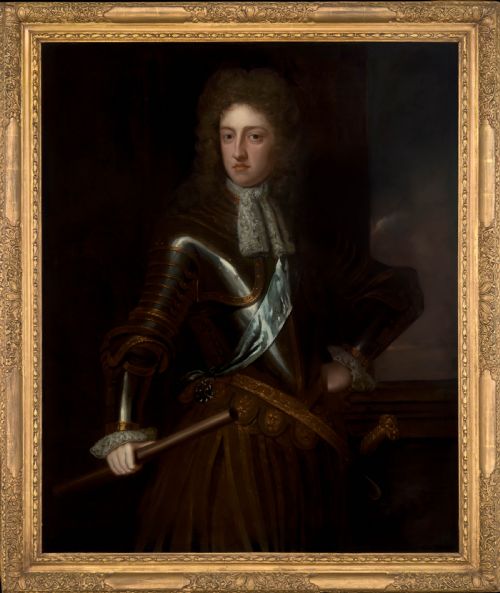
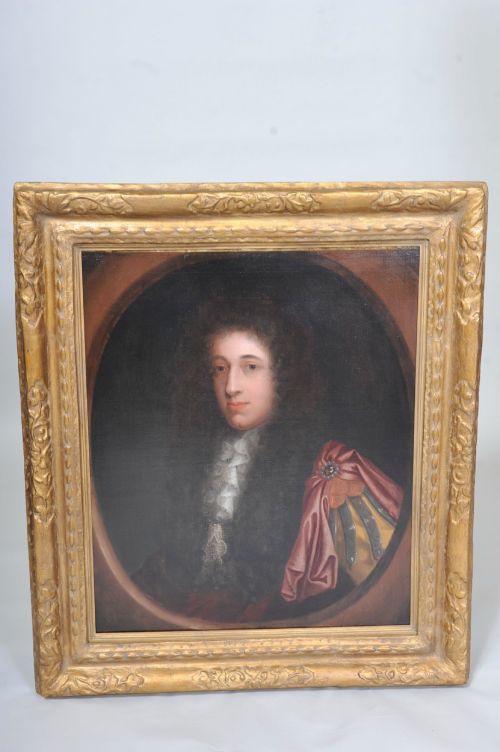
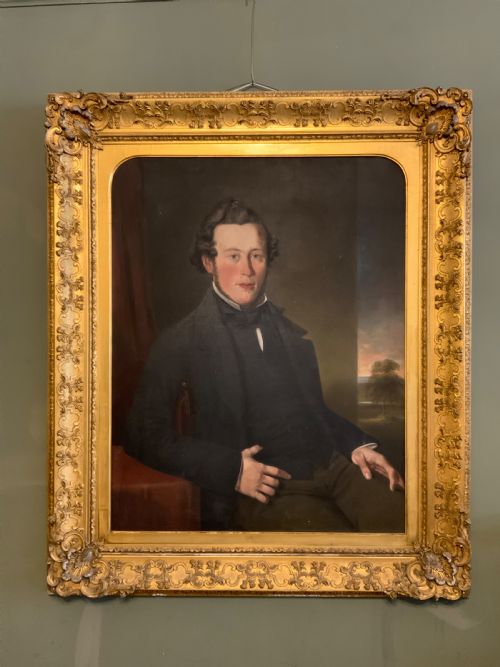
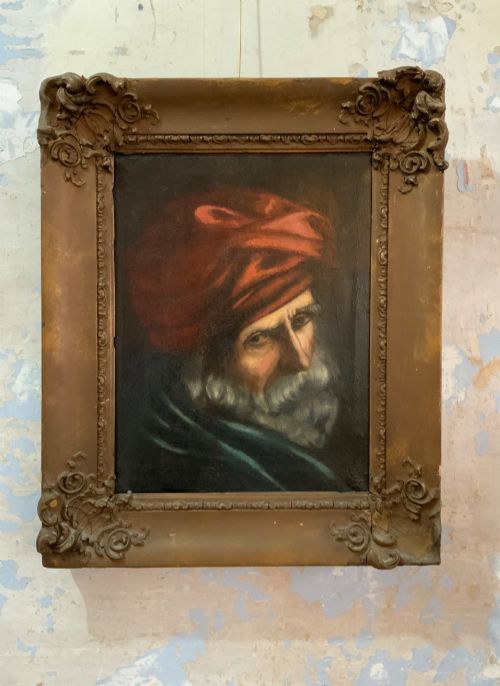
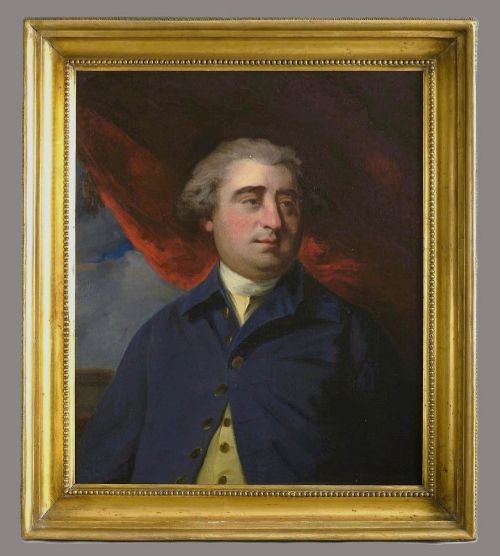
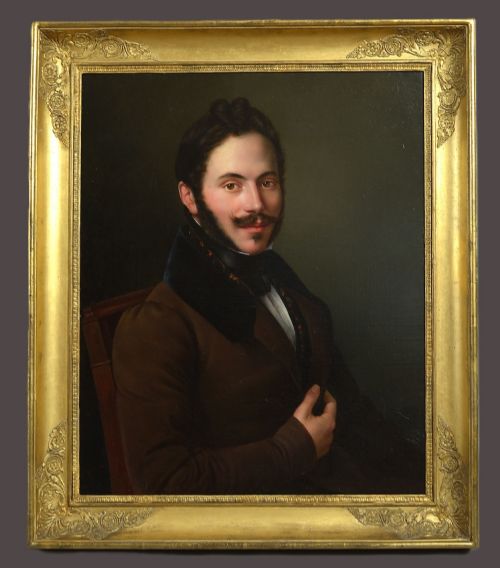
Framed Male Portrait Oil
Framed male portrait oil works capture the likeness of gentlemen, officers and scholars across centuries of European painting.
Framed Male Portrait Oil
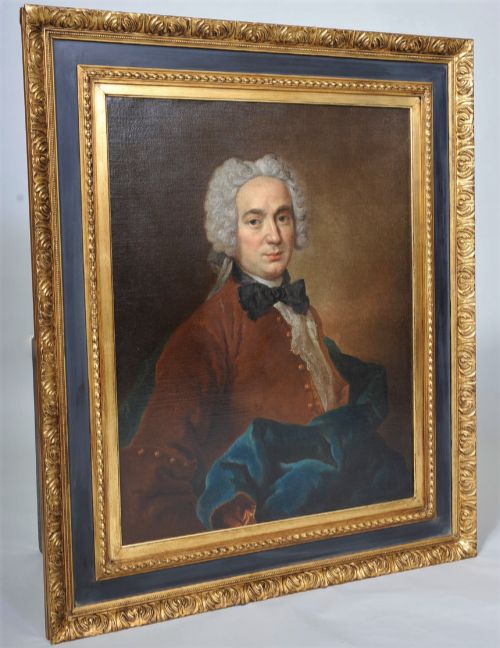
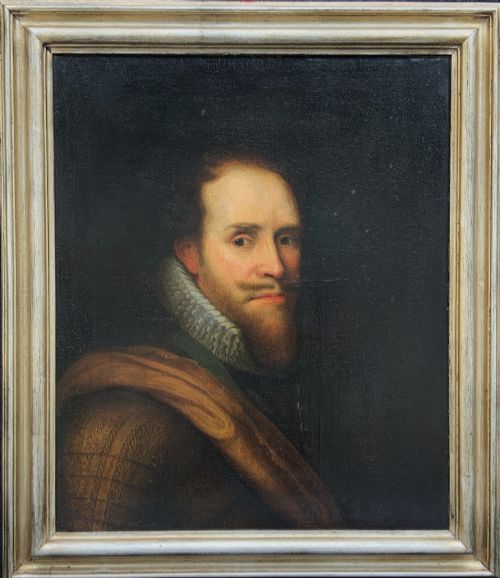
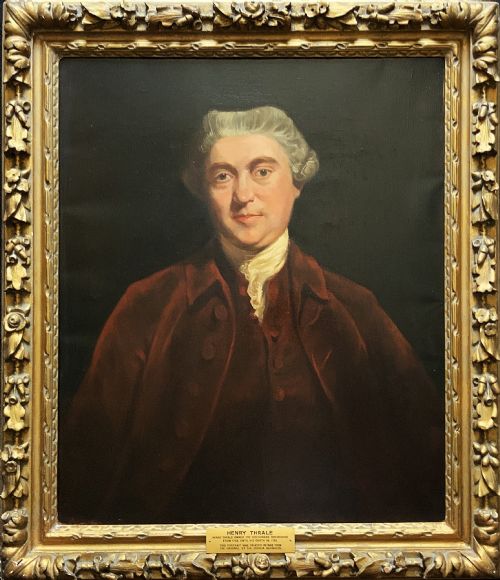
A framed male portrait oil presents historical sitters ranging from seventeenth-century nobility to nineteenth-century gentlemen, executed in traditional media and enclosed in period surrounds.
The selections span the seventeenth, eighteenth and nineteenth centuries, alongside twentieth-century examples, reflecting diverse regional schools from Britain, Germany and the Netherlands.
Buyers encounter oil on canvas and oil on board formats, often housed in heavy giltwood or wood frames that complement the painted surface.
Materials and construction
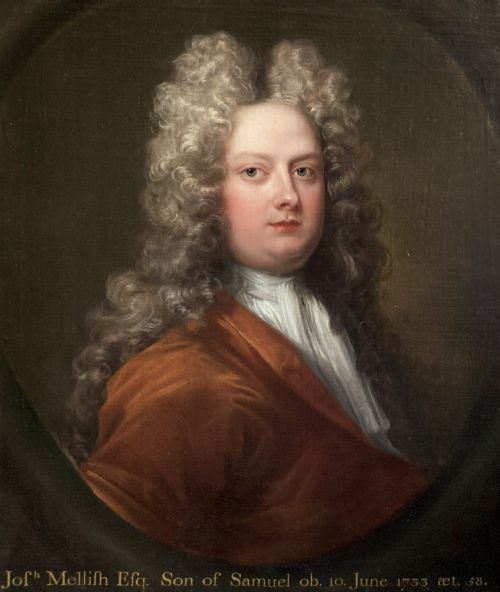
Painters applied oil paint and pigment onto woven canvas or prepared wooden panels, building up layers to render flesh tones, fabrics and periwigs.
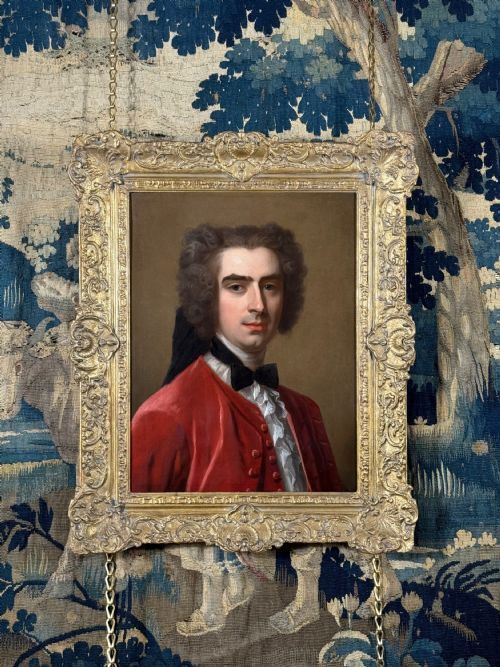
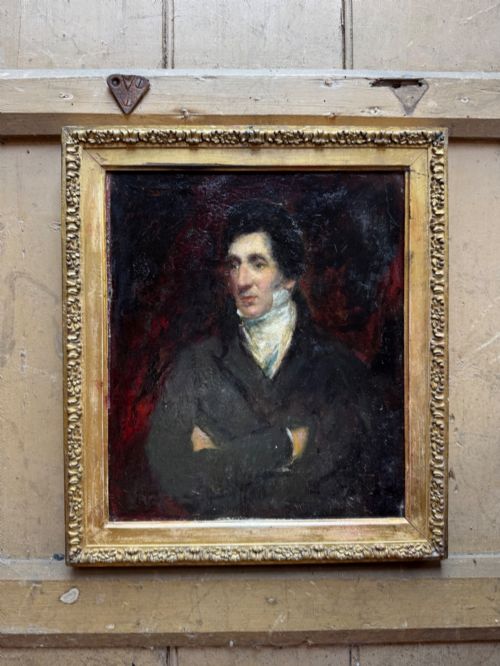
Surviving works are frequently mounted within carved wooden frames finished with gold leaf or giltwood, protecting the edges of the canvas and completing the presentation.
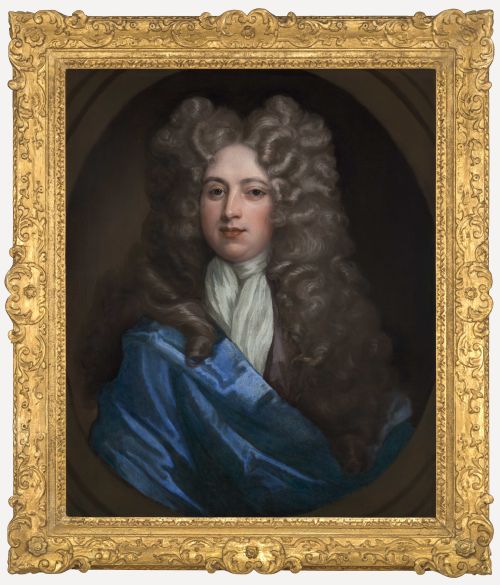
Periwigs demand serious upkeep in paint, capturing every powdered curl of seventeenth-century vanity.
Distinctions in execution
Quality rests in the anatomical precision of the hands and face, the handling of drapery such as velvet cloaks or scarlet jackets, and the depth achieved in the background shadows.
The integration between the painting and its frame also matters, as period frames matching the age of the canvas elevate the integrity of the piece.
Charles Jervas·Jean-Baptiste Van Loo·Sir Godfrey Kneller·Thomas Murray·Sir Joshua Reynolds·Edouard Pingret·Sir Peter Lely·Sir William Beechey
The Framed Male Portrait Oil Glossary
- Oil on canvas
- Pigment suspended in drying oil applied to a stretched woven fabric support. This method became the standard medium for portraiture from the Renaissance onward.
- Giltwood
- Wood carved and coated with a thin layer of gold leaf or gold paint. Frames treated this way provide a reflective border that enhances the darker tones of oil paintings.
- Old Master
- A term for European painters of high skill working before the nineteenth century. These works often display mastery of chiaroscuro and realistic detail.
- Periwig
- A voluminous artificial hair wig popular among elite men during the seventeenth and eighteenth centuries. Its presence helps date many formal portraits.
- Studio of
- A designation indicating a work produced by assistants or pupils under the direct supervision of a master artist. Such pieces frequently replicate known compositions.
Framed Male Portrait Oil: Frequently Asked Questions
How do I date a framed male portrait oil?
Dating relies primarily on the sitter's costume, such as seventeenth-century periwigs and lace cravats or eighteenth-century scarlet jackets and waistcoats. Hair styles, framing techniques and canvas preparation methods offer further clues.
Signatures, stretcher construction and old exhibition labels on the reverse also help establish the approximate decade of creation.
What is the difference between studio work and an original painting?
An original prime version is painted entirely by the named master. Works from the studio or circle of an artist were executed by trained assistants following the master's composition and style.
Studio pieces still date from the same period and maintain high artistic standards, though they command different market positions than sole-author works.
How should I hang an oil portrait at home?
Oil portraits require stable wall environments away from direct sunlight and excessive humidity to protect the canvas and paint layers. Adequate wall space allows heavy giltwood frames to hang securely without crowding.
Pairing these historic works with traditional lighting enhances the rich pigments and deep shadows characteristic of early portraiture.
Why do some portraits feature military uniforms?
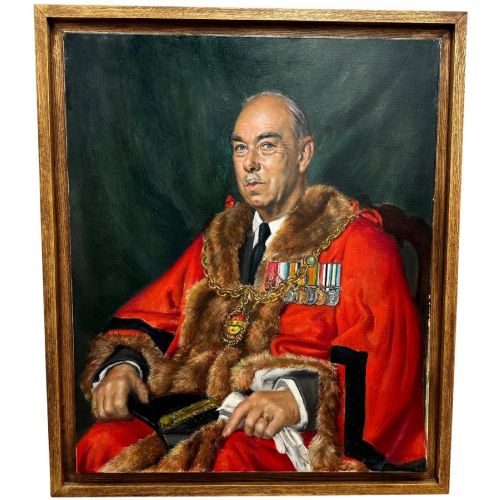
Military and naval commissions recorded the rank, service and prestige of officers, often documenting campaigns in places like the Madras Presidency. Red coats and medals served as visible markers of authority and social standing.
Families commissioned these likenesses to preserve the legacy of members who served in government or military conflicts.