
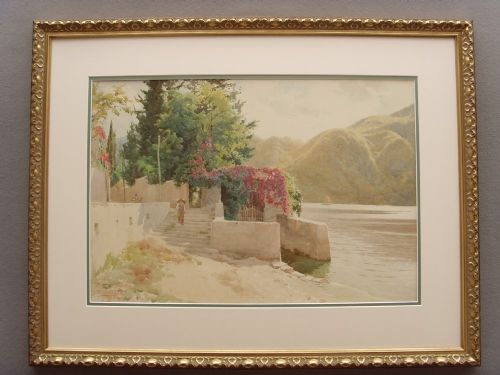


Framed Lake Landscape Artwork
Framed lake landscape artwork brings together tranquil water scenes and dramatic mountain topography across centuries of skilled painting.
Framed Lake Landscape Artwork
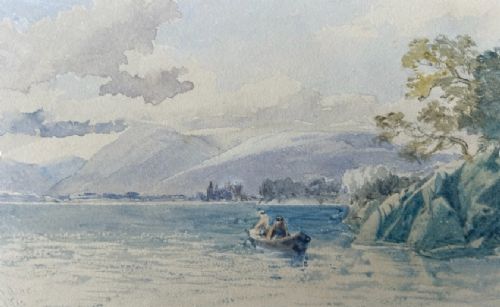
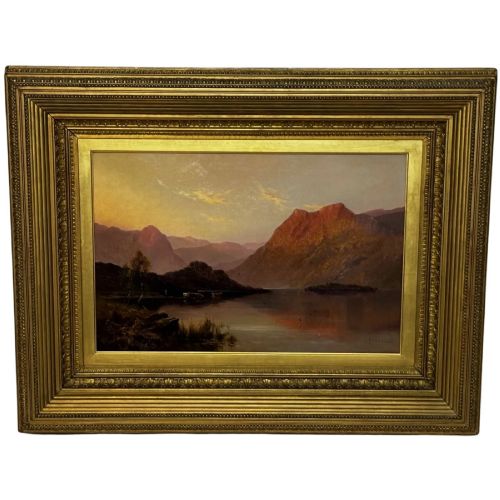
A framed lake landscape artwork captures bodies of water, from Scottish lochs to Cumbrian lakes and Italian shores, set within period wooden or gesso frames. Buyers encounter a broad selection spanning Victorian romanticism, Edwardian watercolours, and mid-century impressionist studies.
The assortment relies heavily on British and European topographies, featuring specific locations such as Loch Awe, Windermere, Lake Como, and the Lake District. These pieces combine descriptive geographical titles with traditional framing materials like glass and carved wood.
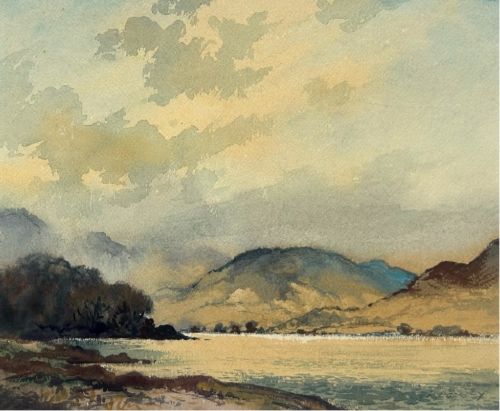
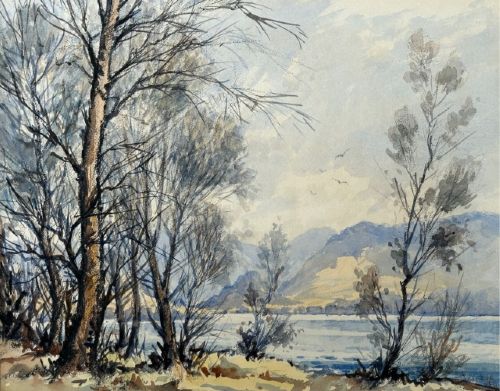
Works range from intimate pen-and-ink drawings and delicate watercolours on paper to large oil paintings on canvas depicting mountainous backdrops and sailing scenes. The common thread is the focus on lakeside topography executed by named artists and regional schools.
Materials and Techniques
Artists utilise oil paint and watercolour on canvas or paper as the primary mediums for rendering light and reflection on water. Canvas pieces frequently employ thick impasto texture, while paper works rely on transparent washes or fine pen-and-ink lines.
Support structures incorporate wooden stretchers for canvases and protective glass glazing for watercolours and drawings. Frames are constructed from wood and embellished with moulded gesso, adding weight and decorative depth to the presentation.
The listings span from the eighteenth century through the Edwardian period and mid-century modern era, utilising canvas, paper, wood, and gesso.
Quality and Execution
Quality rests upon the handling of atmospheric light, water reflection, and topographical accuracy within the composition. Master works demonstrate confident brushwork and tonal balance that convey the specific weather and mood of the location.
The integrity and period appropriateness of the surrounding frame contribute to the overall standard of the piece. Original gesso and carved wooden frames that complement the painting enhance the historical context of the artwork.
Thomas Miles Richardson Jnr·Alfred Fontville de Breanski Jr·Robert Leslie Howey·Robert George Talbot Kelly·Helen Layfield Bradley·Gabriel Dauchot·Frank Hider·Giulio Cecchini·James Gunson Atkinson·John Douglas Perrett·Edward Horace Thompson·James Bell Anderson·Joseph Farrington·Stephen Enoch Hogley·Thomas Bush Hardy·Alexis De Leeuw·Alfred de Breanski Snr
The Framed Lake Landscape Artwork Glossary
- Impasto
- Paint applied thickly to a canvas, standing out in relief from the surface. This technique creates physical texture that catches light and adds depth to water lilies or mountain foliage.
- Gesso
- A plaster-like mixture applied to wood to create a smooth surface before carving or gilding. Period frames utilise this material to form intricate decorative mouldings.
- Watercolour
- A paint consisting of pigment suspended in a water-based solution, typically applied to paper. It allows for translucent washes that suit calm lake surfaces.
- Oil on Canvas
- Pigment mixed with drying oil applied to a woven fabric stretched across a wooden frame. This medium permits rich colour blending and layered impasto work.
- Victorian
- Relating to the reign of Queen Victoria, spanning the mid to late nineteenth century. Pieces from this era often display romantic or detailed realist tendencies.
Framed Lake Landscape Artwork: Frequently Asked Questions
How do I date a lake landscape painting?
Dating relies on stylistic clues, framing materials, and artist signatures recorded in the title or documented history. Victorian and Edwardian works often feature specific framing styles and subject treatments distinct from mid-century modern pieces.
Examining the canvas backing, paper type, and any inscriptions on the reverse provides further chronological markers. Comparative study of the artist's active lifespan narrows the production window considerably.
What is the difference between oil and watercolour lake art?
Oils are painted on canvas or panel with heavy, buildable pigments that allow for textured impasto and rich colour depth. Watercolours utilise fluid washes on paper, resulting in lighter, more luminous atmospheric effects.
Watercolours require protective glass glazing and paper backing, whereas canvas paintings remain open to the room environment but benefit from secure wooden stretchers.
Where were most of these lake scenes painted?
The listings concentrate heavily on British locations such as the English Lake District, Cumbria, and Scottish highlands like Loch Awe. European destinations including Italian lakes like Como and Garda also appear frequently.
Artists travelled to these specific regions during the nineteenth and twentieth centuries to capture dramatic topography, changing weather, and picturesque waterways.
How should I care for a framed antique painting?
Keep artworks away from direct sunlight and damp environments to protect both the canvas or paper and the wooden frame. Dust frames gently with a dry cloth and avoid using liquid cleaners on painted surfaces.
For works under glass, ensure the seal remains intact to prevent dust and moisture accumulation behind the glazing. Stable room temperatures prevent the wood and canvas from warping.