


Framed Impressionist Wall Art
Framed impressionist wall art captures transient light and spontaneous brushwork through oils and watercolours housed in period mouldings.
Framed Impressionist Wall Art
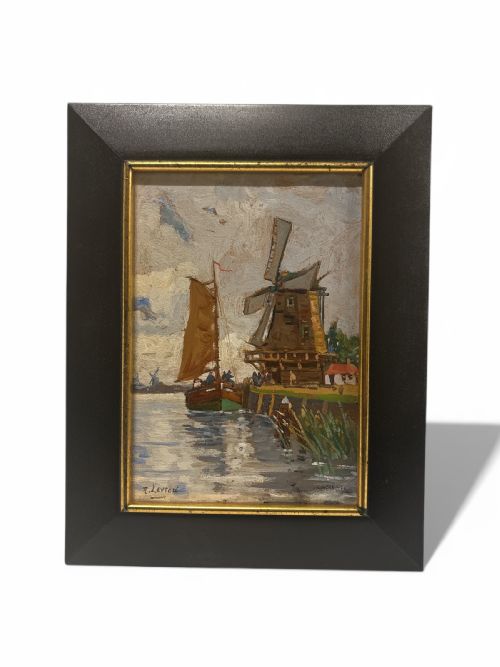
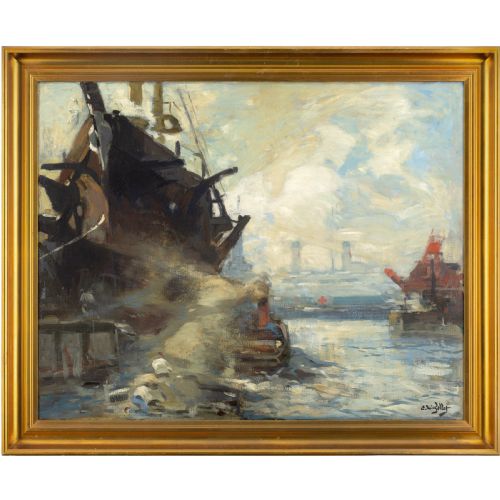
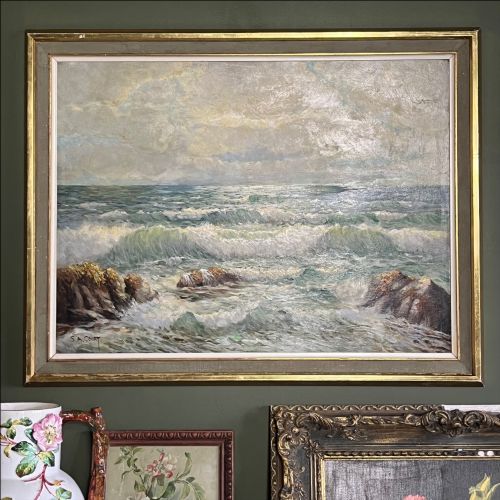
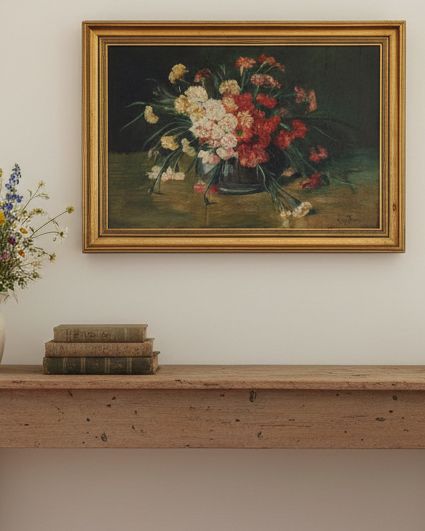
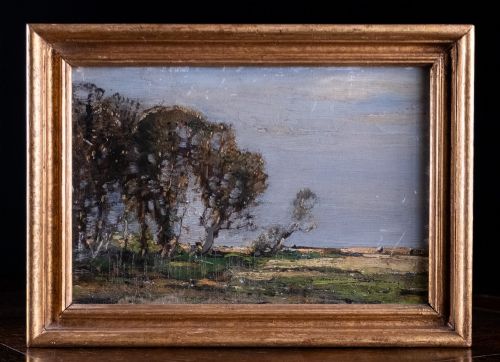
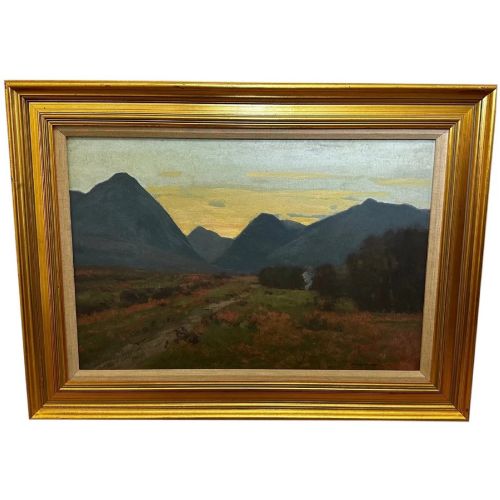
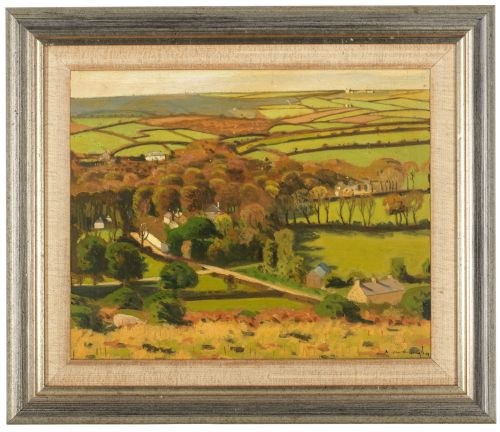
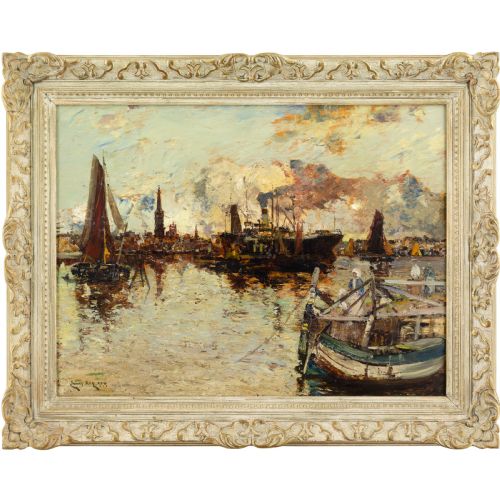
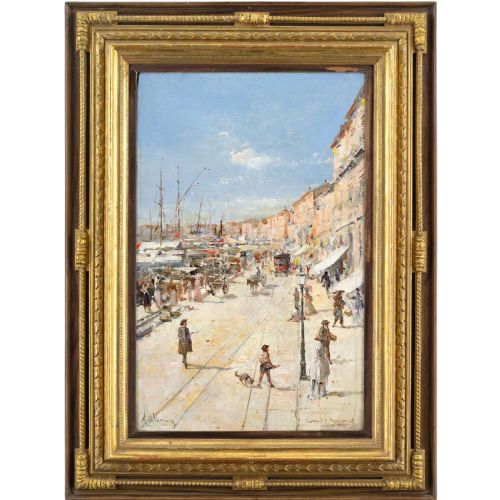
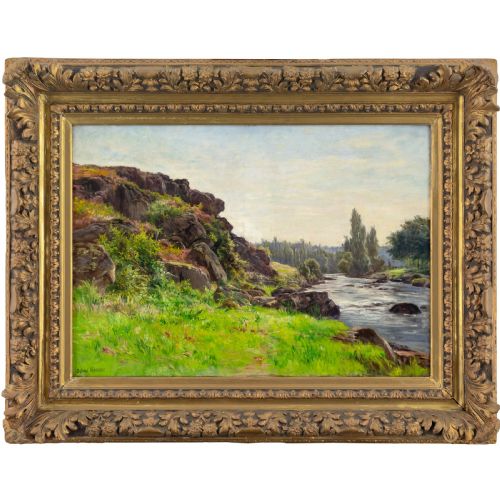
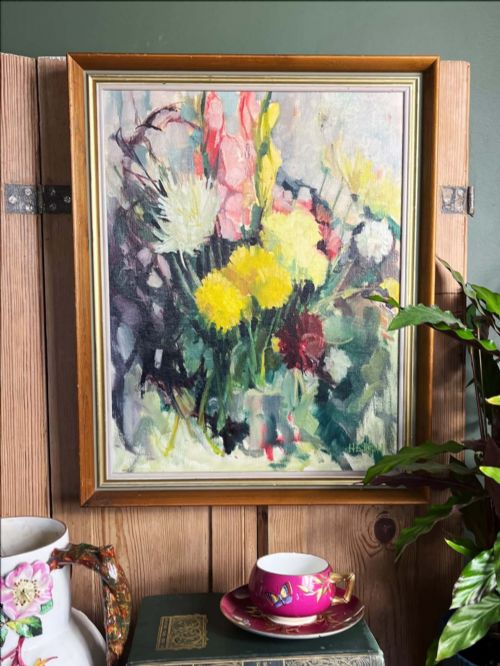
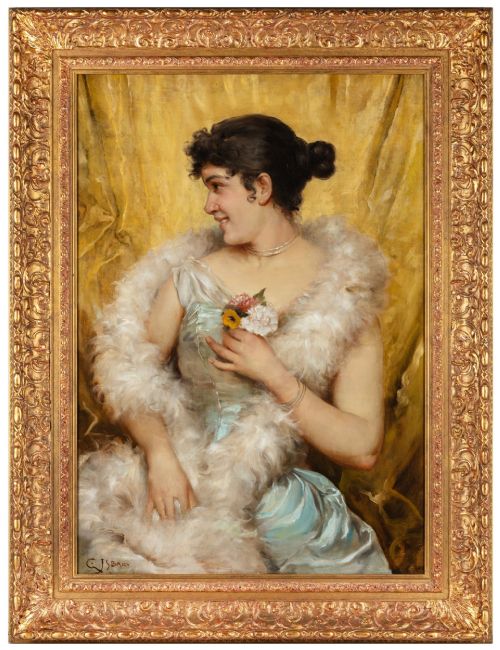
When you search for framed impressionist wall art, you encounter oil paintings, watercolours and oil on board works spanning from the nineteenth century through the mid-century period. The most common versions on this page are early twentieth-century oil paintings and watercolours executed on canvas, board or paper, often housed in their original frames.
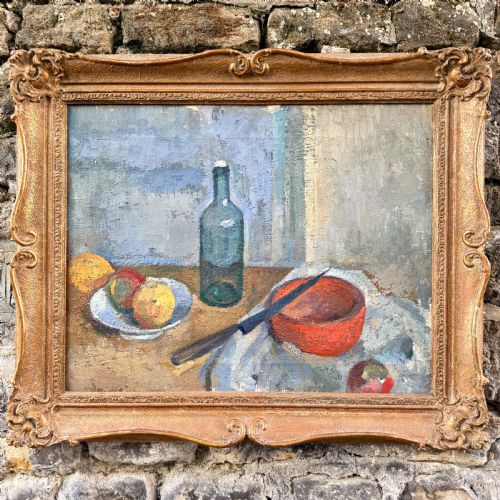
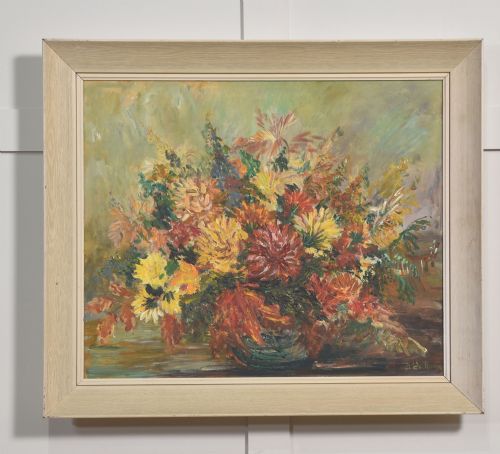
The subjects range from coastal scenes in Cornwall and St Ives to urban street views in Messina and Venice, alongside domestic still lifes of flowers. These pieces reflect movements such as British Impressionism, Post-Impressionism and Modern British styles, capturing everyday views with visible brushstrokes.
Makers and painters represented include named artists such as George Houston, Robert Morson Hughes and Kershaw Schofield, alongside works attributed to the British and European schools. Each piece relies on the interplay of light and colour to define the scene, presented within complementary wood, gilt or gesso frames.
Materials and methods
The physical objects rely primarily on oil paint or watercolour applied to canvas, wood board or heavy paper substrates. Oil paint allows for thick, textured applications known as impasto, which build up the surface and catch the light.
Canvases and boards are typically held within wooden frames, frequently enhanced with applied gesso and gilt finishes to complement the tones of the painting. Watercolour works are executed on paper, capturing lighter atmospheric effects with translucent washes.
The selection includes British Impressionism, Post-Impressionism and Modern British styles across oil paintings, watercolours and board supports.
Distinctions in quality
The success of a piece depends on the confidence of the brushwork and the harmony of the palette in capturing light and atmosphere. Stronger works demonstrate a sure command of tone and composition, whether depicting a quiet farmyard or a bustling harbour.
The integrity of the physical support and the framing also shape the object, with original gilt wood frames adding to the historical context of the painting. Works that retain their surface texture without excessive restoration represent the higher end of the range.
Eugène-Louis Gillot·Sidney A Court·Kershaw Schofield·George Houston·William Banks Fortescue·Robert Morson Hughes·James Kay·Augusto Alberici·Gabriel Mathieu·Charles Houben·Antonio DeVity·Clive Browne·Paul Bret·Konstantin Stoitzner·Lucy Pratt·Emma Fordyce MacRae·Charles Stuart Forbes·Eric Brown·Willem Bos·Henri Ottmann·Ernest Higgins Rigg·Harry Kluge·Sir Alfred East
The Framed Impressionist Wall Art Glossary
- Impressionism
- A style of painting that focuses on capturing the visual impression of a moment, particularly regarding the shifting effect of light and colour. It relies on visible brushstrokes rather than blended details.
- En plein air
- A phrase denoting painting outdoors to capture direct natural light and weather conditions. This approach underpins many of the coastal and landscape works seen here.
- Gesso
- A plaster-like mixture applied to wood frames as a base for gilding or painting. It provides a smooth surface that can be moulded into decorative relief patterns.
- Impasto
- Paint applied thickly to a canvas or board, standing out from the surface so that the marks of the brush or palette knife remain visible. This technique adds physical texture to the artwork.
- Post-Impressionism
- An artistic movement following impressionism that extended its use of vivid colours and thick paint while placing greater emphasis on geometric forms and expressive content.
Framed Impressionist Wall Art: Frequently Asked Questions
What defines an impressionist painting?
An impressionist painting captures the fleeting effects of light and atmosphere through rapid, visible brushstrokes. The subject matter typically centres on everyday landscapes, seascapes or domestic scenes.
Rather than striving for photographic realism, the artist prioritises colour relationships and the immediate visual experience of the scene.
How should I hang these framed works?
These pieces require sturdy picture hooks suited to the weight of the wood and gesso frames. Position them at eye level in spaces with stable humidity away from direct sunlight.
Allow sufficient wall space for the gilt or wood mouldings to frame the composition without crowding from adjacent pieces.
Are watercolours different from oil paintings?
Watercolours use pigment suspended in a water-soluble binder applied to paper, resulting in transparent washes and a lighter appearance. Oil paintings use pigments bound in drying oils applied to canvas or board, allowing for thick texture and deep colour saturation.
Watercolours are typically displayed behind glass for protection, whereas oil paintings on canvas or board remain exposed to the air.
How do I identify the period of a frame?
Frame periods often align with the creation date of the artwork, using construction techniques such as corner mitres, carved wooden mouldings and layered gesso. Gilt finishes and surface wear provide clues to the age of the moulding.
Original frames frequently show matching patination and appropriate dimensional proportions relative to the canvas.